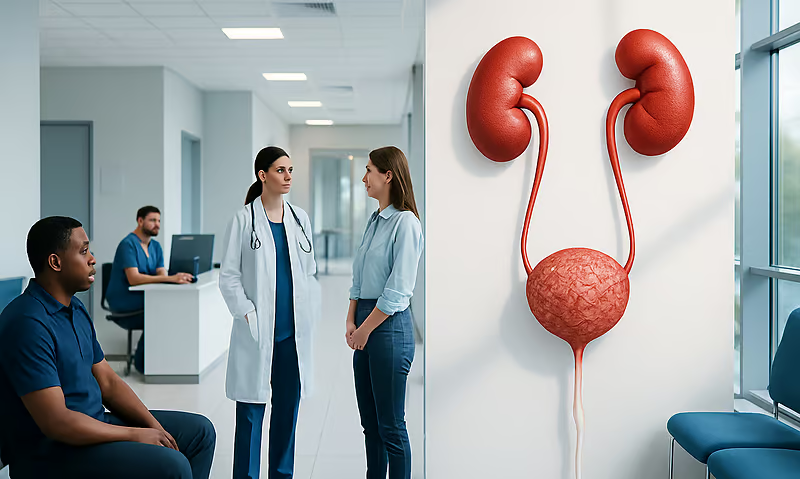
Feeling Sick in the Third Trimester: What Patients Need to Know

Mild nausea, queasiness, reflux, and reduced appetite can happen in late pregnancy because the uterus presses on the stomach and digestion slows. Feeling sick along with severe headache, vision changes, swelling, upper abdominal pain, fever, dehydration, or reduced fetal movement should be checked promptly.
Key Takeaways
- Mild nausea, queasiness, reflux, and reduced appetite can happen in late pregnancy because the uterus presses on the stomach and digestion slows.
- Feeling sick along with severe headache, vision changes, swelling, upper abdominal pain, fever, dehydration, or reduced fetal movement should be checked promptly.
- Common causes include heartburn, constipation, viral illness, anxiety, poor sleep, and less often pregnancy-related conditions such as preeclampsia or liver disorders.
- Self-care may help: smaller meals, gentle hydration, avoiding trigger foods, resting, and discussing safe medicines with an obstetric clinician.
- A doctor may use history, examination, blood pressure checks, urine tests, blood tests, and fetal assessment to find the cause.
Feeling sick in the third trimester can be a normal result of late-pregnancy changes such as heartburn, slowed digestion, fatigue, and pressure from the growing uterus. However, new, severe, or persistent nausea or vomiting can sometimes point to a medical problem that needs timely assessment.
Overview: Is it normal to feel sick in the third trimester?
Feeling sick in the third trimester is often related to normal changes in late pregnancy. As the baby grows, the uterus takes up more space in the abdomen, which can press on the stomach and intestines. This may lead to nausea, heartburn, bloating, early fullness, or a general “off” feeling, especially after meals or when lying down.
Hormonal changes can still affect digestion in the final months of pregnancy. Slower stomach emptying, constipation, sleep disruption, physical discomfort, and anxiety about labor can all contribute to feeling unwell. Some people also notice that symptoms they had earlier in pregnancy, such as nausea, return near the end.
Even so, late-pregnancy nausea should not always be dismissed as routine. If feeling sick is new, severe, or accompanied by vomiting, headache, fever, abdominal pain, vision changes, swelling, or reduced urine output, a doctor or midwife should assess it. The main question is not simply whether nausea can happen in the third trimester, but whether it fits with expected body changes or suggests a condition that needs treatment.
How it can feel: common symptoms and patterns
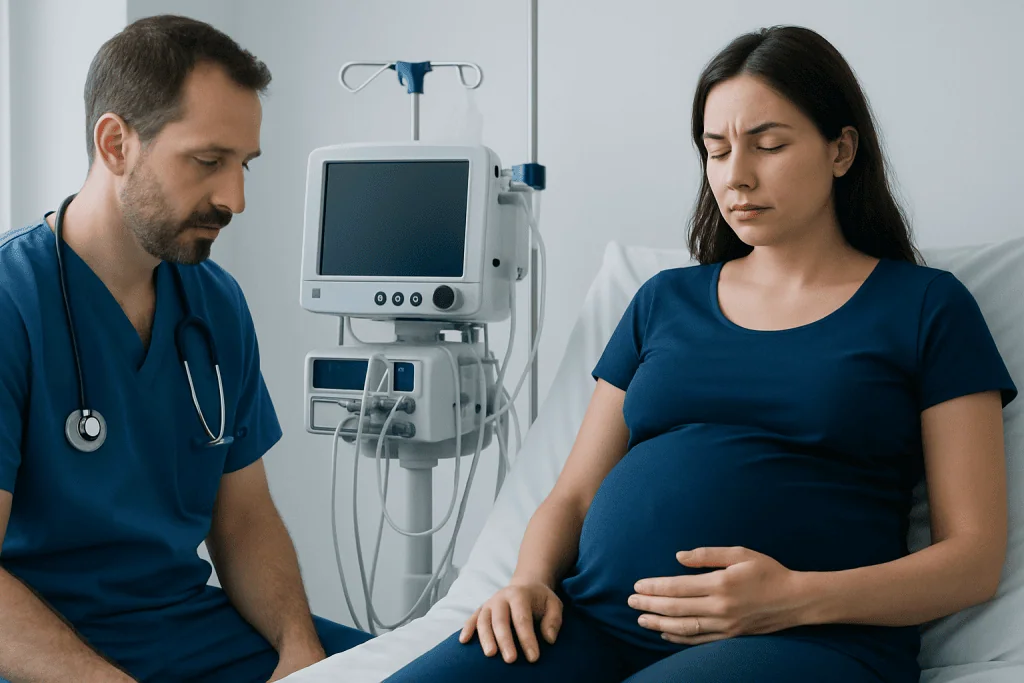
People describe third-trimester sickness in different ways. Some feel mild queasiness in the morning or after large meals. Others feel more uncomfortable in the evening, particularly if they have heartburn or lie down soon after eating. It may come with burping, a sour taste in the mouth, bloating, constipation, or reduced appetite.
Vomiting is less common than simple nausea in late pregnancy, but it can occur. If vomiting is frequent, it may lead to dehydration, weakness, dizziness, dry mouth, or difficulty keeping food and fluids down. These signs matter because they can affect the mother’s well-being and may require medical support.
Symptoms can also overlap with other late-pregnancy discomforts. For example, pressure under the ribs, shortness of breath after meals, back pain, and poor sleep can make a person feel generally sick or run down. Keeping track of when symptoms happen, what triggers them, and whether they are getting worse can help a clinician decide whether the cause is likely digestive, infectious, pregnancy-related, or something else.
- Mild nausea after eating
- Heartburn or acid reflux
- Fullness after small meals
- Bloating and constipation
- Occasional vomiting
- Fatigue, dizziness, or poor appetite
Why it happens in late pregnancy

One of the most common reasons for feeling sick in the third trimester is reflux. Pregnancy hormones relax the valve between the stomach and esophagus, while the enlarged uterus increases pressure on the stomach. This can make acid move upward and cause burning, nausea, coughing, or a sour taste. Slower digestion can add to the problem.
Constipation is another frequent contributor. Hormonal changes and reduced bowel movement can cause bloating, abdominal discomfort, and nausea. Iron supplements may also upset the stomach in some people. In addition, poor sleep, dehydration, and irregular meals can make nausea worse even when there is no serious underlying illness.
Sometimes, feeling sick is due to a short-term illness such as a viral infection, food poisoning, or migraine. Stress and anxiety can also cause stomach upset. Less commonly, clinicians consider pregnancy-related conditions such as preeclampsia, gallbladder problems, acute fatty liver of pregnancy, or HELLP syndrome. These are not the most likely causes, but they are important because they need timely diagnosis and care.
Warning signs that should not be ignored
Most late-pregnancy nausea is not dangerous, but certain symptoms deserve prompt medical attention. Severe or persistent vomiting, inability to keep fluids down, and signs of dehydration should be reviewed as soon as possible. Dehydration can affect circulation, energy, and overall pregnancy well-being.
Other warning signs suggest that the sickness may not be simply digestive. These include severe headache, visual changes such as blurring or flashing lights, sudden swelling of the face or hands, pain in the upper right abdomen, chest pain, difficulty breathing, fever, fainting, or confusion. These symptoms can be associated with high blood pressure disorders, infection, or other conditions that require urgent assessment.
Changes in the baby’s movements also matter. If nausea is accompanied by reduced fetal movement, vaginal bleeding, fluid leakage, regular painful contractions before term, or significant abdominal pain, an obstetric team should be contacted without delay. It is always reasonable for a pregnant person to seek advice if something feels different from their usual pattern.
How doctors assess feeling sick in the third trimester
Evaluation usually begins with a careful history. A clinician asks when the symptoms started, whether there is vomiting, what foods or times of day trigger symptoms, and whether there are other signs such as headache, fever, pain, swelling, or changes in fetal movement. Reviewing medicines, supplements, hydration, bowel habits, and past pregnancy history can also provide useful clues.
A physical examination often includes blood pressure, pulse, temperature, hydration status, abdominal examination, and sometimes a urine test. Blood pressure is especially important because nausea with headache or visual changes can raise concern for pregnancy-related hypertension. Depending on symptoms, blood tests may be ordered to check liver function, kidney function, blood counts, electrolytes, or signs of infection.
Fetal well-being may also be assessed, especially if symptoms are severe or the pregnancy is near term. This can involve listening to the fetal heartbeat, monitoring movements, or doing an ultrasound if clinically indicated. If imaging or specialist evaluation is needed for digestive complaints, doctors may coordinate care with gastroenterology specialists while keeping pregnancy safety central to every decision.
Treatment and practical relief options
Treatment depends on the cause. If symptoms are due to reflux or indigestion, doctors often recommend smaller, more frequent meals, avoiding large fatty or spicy meals, and not lying down right after eating. Sleeping with the upper body slightly elevated may also reduce nighttime symptoms. Safe medication options may be considered by an obstetric clinician when lifestyle steps are not enough.
If constipation is contributing, increasing fluids, gentle activity, and eating fiber-rich foods may help. Some people benefit from reviewing how they take prenatal vitamins or iron supplements, since these can worsen stomach upset in some cases. Any change to supplements or medicines should be discussed with the pregnancy care team first.
When there is significant vomiting, dehydration may need closer treatment. This can include supervised anti-nausea medicines and, in some cases, intravenous fluids. If doctors identify a pregnancy complication such as gestational diabetes or a hypertensive disorder, management focuses on the underlying issue. In complex pregnancies, coordinated input from obstetrics and gynecology specialists and other teams helps guide safe care for both mother and baby.
Self-care tips that may help at home
For many people, simple day-to-day adjustments make a noticeable difference. Eating small meals every few hours can prevent the stomach from becoming either too full or too empty. Bland foods may be easier to tolerate during queasy periods, while greasy, spicy, or highly acidic foods may worsen symptoms.
Hydration is important, but sipping small amounts more often is sometimes easier than drinking a large glass at once. Cold drinks, clear soups, or foods with a high water content may feel more comfortable. Some people find that keeping a light snack available helps, especially if nausea appears after long gaps without food.
Rest also matters. Fatigue and poor sleep can increase the sense of nausea and general illness. Gentle movement, such as walking if approved by a doctor, may support digestion and bowel function. If symptoms are frequent, a symptom diary can help identify triggers and support a more targeted discussion with a healthcare professional.
- Choose smaller, frequent meals
- Avoid lying flat after eating
- Limit foods that trigger reflux
- Drink fluids in small, steady amounts
- Support bowel regularity with diet and movement
- Ask before using over-the-counter remedies in pregnancy
When to seek medical care
A pregnant person should contact a doctor, midwife, or maternity unit promptly if feeling sick in the third trimester is severe, persistent, or clearly different from their usual pregnancy symptoms. Medical advice is especially important if there is repeated vomiting, poor fluid intake, dizziness, reduced urination, or inability to function normally through the day.
Urgent assessment is needed if nausea comes with severe headache, vision changes, new swelling, chest pain, shortness of breath, fever, strong abdominal pain, vaginal bleeding, fluid leakage, reduced fetal movement, or signs of early labor. These symptoms do not always mean a serious problem, but they need prompt checking to protect maternal and fetal health.
For international patients who need evaluation, Acibadem International’s multidisciplinary specialists and JCI-accredited hospitals provide diagnosis and treatment across pregnancy, internal medicine, and digestive care. If the cause appears linked to a broader gastrointestinal condition, doctors may also involve internal medicine teams to help assess symptoms safely during pregnancy.
Frequently asked questions
Can nausea come back in the third trimester?
Yes. Some people notice nausea returning late in pregnancy because the growing uterus presses on the stomach and digestion slows. Reflux, constipation, fatigue, and anxiety can also contribute.
Is feeling sick in the third trimester always a sign of labor?
No. Feeling sick can happen for many reasons and often relates to digestion rather than labor. However, if it comes with regular contractions, back pain, fluid leakage, or other labor signs, a maternity team should be contacted.
What is the difference between normal late-pregnancy nausea and a warning sign?
Mild, occasional queasiness without other concerning symptoms is often related to reflux or pressure on the stomach. Warning signs include severe vomiting, dehydration, headache, vision changes, upper abdominal pain, fever, swelling, or reduced fetal movement.
What can help reduce nausea in the third trimester?
Small frequent meals, avoiding trigger foods, staying upright after eating, and sipping fluids slowly may help. If symptoms continue, a clinician can advise on pregnancy-safe treatment options.
Should vomiting in the third trimester be checked by a doctor?
Occasional vomiting may occur, but repeated vomiting should be discussed with a healthcare professional. It can lead to dehydration and may sometimes signal infection, high blood pressure disorders, or another condition that needs care.
Can heartburn make someone feel generally sick in late pregnancy?
Yes. Heartburn can cause nausea, chest burning, a sour taste, coughing, and discomfort after meals or when lying down. Because reflux is common in the third trimester, it is a frequent explanation for feeling unwell.
References
- American College of Obstetricians and Gynecologists
- National Health Service
- Mayo Clinic
- Cleveland Clinic
- World Health Organization
This article is for general information only and is not a substitute for professional medical advice. Please consult a qualified doctor about your individual situation.
Persistent digestive symptoms? Get evaluated in Turkey
JCI-accredited · board-certified surgeons · reply within 24h
Add us as a Preferred Source to see more of our trusted health content across Google Search, AI Overviews and Discover.
Check your numbers in seconds
BMI, calories, due date, blood pressure and 30+ more clinical calculators — free, instant, doctor-reviewed ranges.