Fiber Powder — Explained by Medical Evidence, Not Myths

Fiber powder is a supplement, not a replacement for fruits, vegetables, legumes, and whole grains. Different fiber powders work differently; soluble and insoluble fibers have distinct effects.
Key Takeaways
- Fiber powder is a supplement, not a replacement for fruits, vegetables, legumes, and whole grains.
- Different fiber powders work differently; soluble and insoluble fibers have distinct effects.
- Starting slowly and drinking enough water can reduce bloating, gas, and cramping.
- Some fiber powders may affect the absorption of medicines, so timing and medical advice are important.
- People with persistent bowel symptoms, bleeding, weight loss, or severe pain should seek medical care.
Fiber powder is a concentrated fiber supplement that can help people who do not get enough fiber from food alone. Medical evidence suggests it may support regular bowel movements, satiety, and some aspects of metabolic health, but the right type, dose, and timing matter.
Overview: What fiber powder is and what it can do
Fiber powder is a dietary supplement made from purified plant fibers or similar non-digestible carbohydrates. It is commonly used to increase total daily fiber intake when a person is not consistently meeting fiber needs through food. In practical terms, fiber powder may help with bowel regularity, stool consistency, and a feeling of fullness, and some forms may also support cholesterol or blood sugar control.
Medical evidence does not support every claim made about fiber supplements. Fiber powder is not a detox product, a cure for digestive disease, or a substitute for a balanced diet. Its benefits depend on the specific type of fiber, the reason it is being used, and whether it is taken with enough fluid and introduced gradually.
One important point is that “fiber powder” is not a single product. Psyllium, inulin, wheat dextrin, methylcellulose, partially hydrolyzed guar gum, and other ingredients behave differently in the gut. Some absorb water and form a gel, some are fermented by gut bacteria, and some mainly add bulk. Understanding these differences can help a person choose a supplement more safely and realistically.
How fiber works in the body
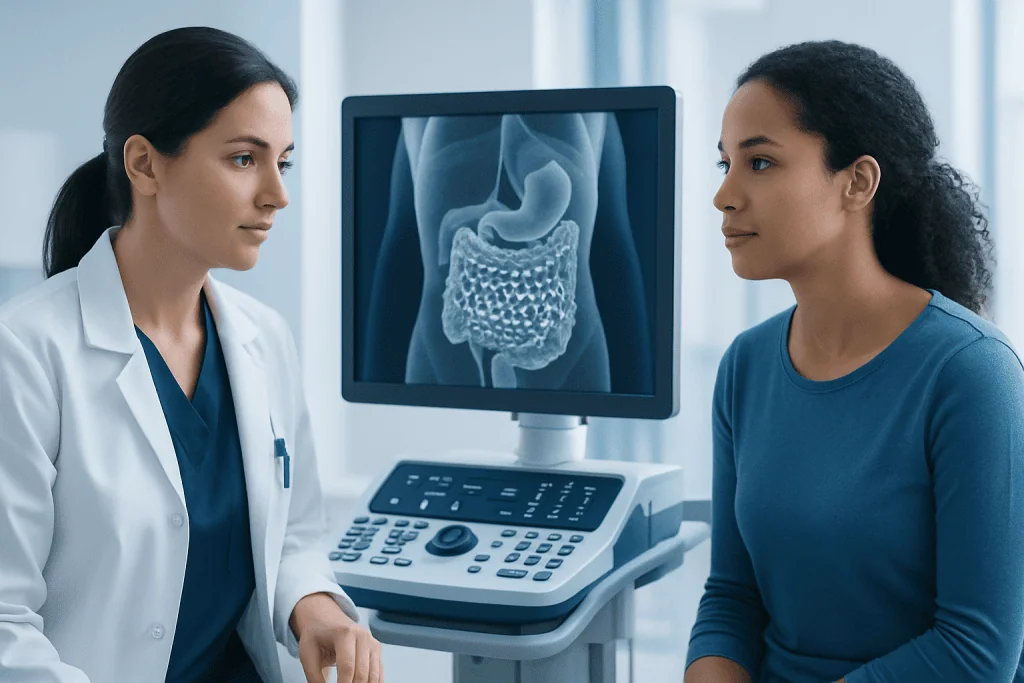
Fiber passes through the digestive tract without being fully broken down by human digestive enzymes. This changes how food moves through the intestines, how much water remains in the stool, and how quickly nutrients such as glucose are absorbed. These effects explain why fiber is often recommended for constipation, bowel regularity, and general digestive health.
Soluble fiber dissolves in water and can form a gel-like material. This may soften stool, slow stomach emptying, and help lower cholesterol by binding bile acids. Some soluble fibers are also fermented by gut bacteria, which can support the gut microbiome and produce short-chain fatty acids that may benefit intestinal health.
Insoluble fiber does not dissolve in water in the same way and tends to add bulk to stool. This can help movement through the intestines, although not every person responds the same way. For some individuals, especially those with sensitive digestion or underlying bowel disorders, one type of fiber may be better tolerated than another.
- Gel-forming soluble fibers: often used for regularity, fullness, cholesterol, and stool normalization.
- Fermentable fibers: may support beneficial gut bacteria but can also cause gas and bloating in some people.
- Bulking fibers: mainly increase stool mass and may help bowel transit.
Types of fiber powder and their evidence-based uses

Psyllium is one of the best-studied fiber powders. It is a soluble, gel-forming fiber that can help soften hard stool, improve regularity, and in some people support healthy cholesterol levels. Because it holds water, it must be taken with adequate fluid. Psyllium can also make loose stool more formed, which is why it is sometimes used in both constipation and mild diarrhea under clinical guidance.
Inulin and fructooligosaccharides are fermentable fibers often described as prebiotics. They may promote the growth of certain beneficial gut bacteria, but they are also more likely to cause gas or bloating, especially when started quickly or used in larger amounts. These fibers may not be ideal for everyone with irritable bowel symptoms; some people with irritable bowel syndrome find them harder to tolerate.
Wheat dextrin, methylcellulose, and partially hydrolyzed guar gum are other common options. Some are less fermentable and may be gentler for people who are sensitive to gas. However, effectiveness varies by symptom. A clinician may help match the product to the goal, whether that goal is regularity, stool softening, improving fullness, or supporting a broader digestive plan.
Fiber powders are sometimes promoted for weight loss, “colon cleansing,” or major blood sugar control. The evidence is more measured than these claims suggest. Some people feel fuller after taking fiber and may snack less, but long-term outcomes still depend on the overall eating pattern, physical activity, sleep, stress, and any underlying medical conditions.
Who may benefit from fiber powder
Fiber powder may be useful for adults who eat too few fiber-rich foods, have occasional constipation, or need a practical way to add fiber to a busy routine. It can also help people who need more gradual, measurable fiber intake than they can comfortably get from food right away. In these situations, a supplement may bridge the gap while healthier eating habits are being built.
Some people use fiber powder as part of a care plan for chronic constipation, but persistent symptoms should be evaluated rather than treated indefinitely at home. Long-lasting constipation can have many causes, including medication side effects, thyroid disease, pelvic floor problems, or structural bowel conditions. Depending on the symptom pattern, a doctor may assess for problems such as colon cancer or other digestive disorders.
Fiber supplements may also be considered by people trying to improve satiety, support healthy cholesterol levels, or make stool more consistent after changes in diet or travel. In digestive care, they may be one part of a broader plan that includes hydration, activity, meal timing, and evaluation for conditions such as hemorrhoids, fissures, or food intolerances.
For people with complex digestive symptoms, specialist assessment can be helpful. Investigations may include stool testing, imaging, or endoscopic evaluation such as colonoscopy when clinically appropriate. A supplement works best when it is chosen for a clear reason rather than used as a catch-all solution.
Possible side effects, precautions, and medicine interactions
The most common side effects of fiber powder are bloating, gas, abdominal fullness, and changes in stool pattern. These effects are usually mild and improve when the dose is started low and increased gradually. Taking too much too quickly can make a person feel worse rather than better, especially if the body is not used to a higher-fiber diet.
Fluid intake matters. Some fiber products, especially bulk-forming supplements, absorb water. Without enough liquid, they may worsen constipation and can rarely create swallowing or blockage problems. A person who has difficulty swallowing, known bowel narrowing, recent bowel surgery, or severe motility disorders should ask a doctor before using fiber powder.
Fiber may affect how some medicines are absorbed. This can apply to certain thyroid medicines, diabetes medicines, iron supplements, and other prescription or over-the-counter drugs. For safety, many clinicians advise taking fiber powder at a different time from other medicines, but the exact timing should be confirmed with a pharmacist or doctor.
Fiber is not always the right first step. People with severe abdominal pain, vomiting, rectal bleeding, unexplained weight loss, black stool, fever, or a sudden major change in bowel habits need medical evaluation. Those with inflammatory bowel disease flares, bowel obstruction risk, or complex digestive disease may need personalized advice rather than self-treatment. In some cases, testing such as endoscopy may be used to investigate symptoms.
How to choose and use fiber powder safely
Choosing a fiber powder begins with the goal. For hard stool and irregular bowel movements, a gel-forming soluble fiber is often considered first. For a person mainly interested in microbiome support, a fermentable prebiotic fiber may be discussed, but tolerance is important. Someone prone to gas may prefer a less fermentable option. Reading the product label can help identify the active fiber and whether there are added sweeteners, flavorings, or herbal ingredients.
It is usually best to start with a small amount and increase step by step over several days or weeks. This gives the intestines time to adapt and helps reduce bloating. Mixing the powder as directed and drinking enough water through the day can improve comfort and effectiveness. If symptoms worsen, the product may need to be stopped or changed.
Food still matters more than supplements. Fruits, vegetables, beans, lentils, nuts, seeds, and whole grains provide vitamins, minerals, and plant compounds that fiber powder alone does not. A supplement can be helpful, but it should support a food-first approach rather than replace it.
People with ongoing digestive symptoms should not rely on trial and error for too long. Clinical evaluation may include laboratory tests, ultrasound, or other imaging such as MRI if symptoms suggest a problem beyond simple constipation or dietary imbalance. A tailored plan is usually more effective than repeatedly switching between over-the-counter products.
Myths and facts about fiber powder
A common myth is that all fiber powders are the same. In reality, they vary in solubility, fermentability, texture, and evidence base. This means one product may help a person while another causes discomfort or has little effect. Matching the fiber type to the symptom is more useful than choosing by marketing claims alone.
Another myth is that fiber powder “cleanses” the intestines or removes toxins. The body already has natural systems for processing and eliminating waste. Fiber supports bowel function, but it does not perform a medical detox. Describing it this way can distract from realistic benefits such as stool regularity, improved fullness, and support for healthier eating habits.
It is also not true that more fiber is always better. Very high intake, especially added quickly or without enough fluid, can worsen bloating, discomfort, or constipation. In some people with sensitive bowels, too much fermentable fiber can trigger symptoms. Moderation and individual tolerance are important.
Finally, fiber powder should not be seen as a replacement for medical care. If constipation becomes chronic, if there is bleeding, or if symptoms are accompanied by fatigue or weight loss, diagnosis matters. At that stage, treatment depends on the cause rather than the supplement alone.
When to seek medical care
Medical advice is appropriate if a person has constipation lasting more than a few weeks, recurring abdominal pain, regular bloating that interferes with eating, or bowel habit changes that do not improve with simple measures. Evaluation is especially important for older adults, people with a family history of bowel disease, and anyone starting a new medicine that may affect digestion.
Urgent assessment is needed for rectal bleeding, black or tarry stool, vomiting, severe or worsening abdominal pain, fever, fainting, or inability to pass stool or gas. These symptoms can point to conditions that should not be treated with over-the-counter supplements alone.
People with chronic digestive problems may benefit from care by gastroenterology specialists who can identify the cause and guide treatment. Near the end of the care pathway, patients may also look for international centers with coordinated services; Acibadem International’s multidisciplinary specialists and JCI-accredited hospitals diagnose and treat digestive conditions for international patients in a structured, evidence-based way.
Frequently asked questions
Is fiber powder good for constipation?
Fiber powder can help some people with constipation, especially when the product contains a suitable type of fiber and is taken with enough water. It tends to work best when introduced gradually and combined with good hydration, regular meals, and physical activity. Persistent or severe constipation should be assessed by a doctor.
Can fiber powder help with weight loss?
Fiber powder may increase fullness and help some people eat less between meals, but it is not a stand-alone weight loss treatment. Long-term results depend on the overall diet, activity level, sleep, stress, and medical factors. It is best viewed as one small tool within a broader lifestyle plan.
What is the difference between soluble and insoluble fiber?
Soluble fiber mixes with water and can form a gel, which may help with stool consistency, cholesterol, and blood sugar response. Insoluble fiber adds bulk and may help stool move through the intestines more efficiently. Some supplements contain mostly one type, while foods often provide a mix.
Can fiber powder cause bloating or gas?
Yes. Bloating and gas are common when fiber intake rises too quickly, especially with more fermentable fibers. Starting with a small amount, increasing slowly, and choosing a better-tolerated product may reduce these effects.
Should fiber powder be taken with medications?
Fiber can affect the absorption of some medicines and supplements. For that reason, many people are advised to separate fiber from medications by time, but the safest approach is to ask a doctor or pharmacist about the specific products being used.
Is fiber powder better than getting fiber from food?
No. Food remains the preferred source because it provides fiber along with vitamins, minerals, water, and other beneficial plant compounds. Fiber powder can be helpful when dietary intake is low or when a clinician recommends a specific type of fiber for a symptom.
This article is for general information only and is not a substitute for professional medical advice. Please consult a qualified doctor about your individual situation.
Persistent digestive symptoms? Get evaluated in Turkey
JCI-accredited · board-certified surgeons · reply within 24h
Add us as a Preferred Source to see more of our trusted health content across Google Search, AI Overviews and Discover.
Check your numbers in seconds
BMI, calories, due date, blood pressure and 30+ more clinical calculators — free, instant, doctor-reviewed ranges.

More from the Health Library

Stink Navel: What Patients Need to Know

Fenofibrate — Explained by Medical Evidence, Not Myths

Magnesium for Weight Loss — Explained by Medical Evidence, Not Myths

Magnesium for Anxiety — Explained by Medical Evidence, Not Myths

Deep Blackheads — Explained by Medical Evidence, Not Myths