

Fibrocystic Changes: An Evidence-Based Guide for Patients

Fibrocystic changes are benign breast changes, not a type of cancer. Symptoms often include lumpiness, tenderness, fullness, or breast pain that varies with the menstrual cycle.
Key Takeaways
- Fibrocystic changes are benign breast changes, not a type of cancer.
- Symptoms often include lumpiness, tenderness, fullness, or breast pain that varies with the menstrual cycle.
- A clinical breast exam and imaging such as ultrasound or mammography can help confirm the diagnosis.
- Treatment focuses on symptom relief and on checking any new or unusual breast changes.
- People should seek medical care for a new persistent lump, nipple discharge, skin changes, or worsening pain.
Fibrocystic changes are very common, noncancerous breast changes that may make the breasts feel lumpy, swollen, or tender, especially before a menstrual period. Although these changes are not the same as breast cancer, new or changing breast symptoms still deserve medical evaluation to confirm the cause and guide relief.
Overview: What fibrocystic changes mean
Fibrocystic changes describe a group of common, noncancerous changes in breast tissue. The breasts may feel rope-like, nodular, or generally lumpy, and symptoms can include swelling, fullness, or discomfort. These changes are often related to normal hormone fluctuations, particularly during the menstrual cycle.
The term does not refer to one single disease. Instead, it describes a pattern of benign changes that may include fibrosis, which is thickening or scar-like tissue, and cysts, which are fluid-filled sacs. Some people have only mild lumpiness, while others notice more distinct tender areas that come and go.
Fibrocystic changes are especially common during the reproductive years, though they can occur at other times of life as well. Many people notice symptoms become more obvious before a period and improve afterward. Knowing this pattern can be helpful, but it should not replace proper assessment of a new or unusual breast finding.
Common symptoms and what they feel like
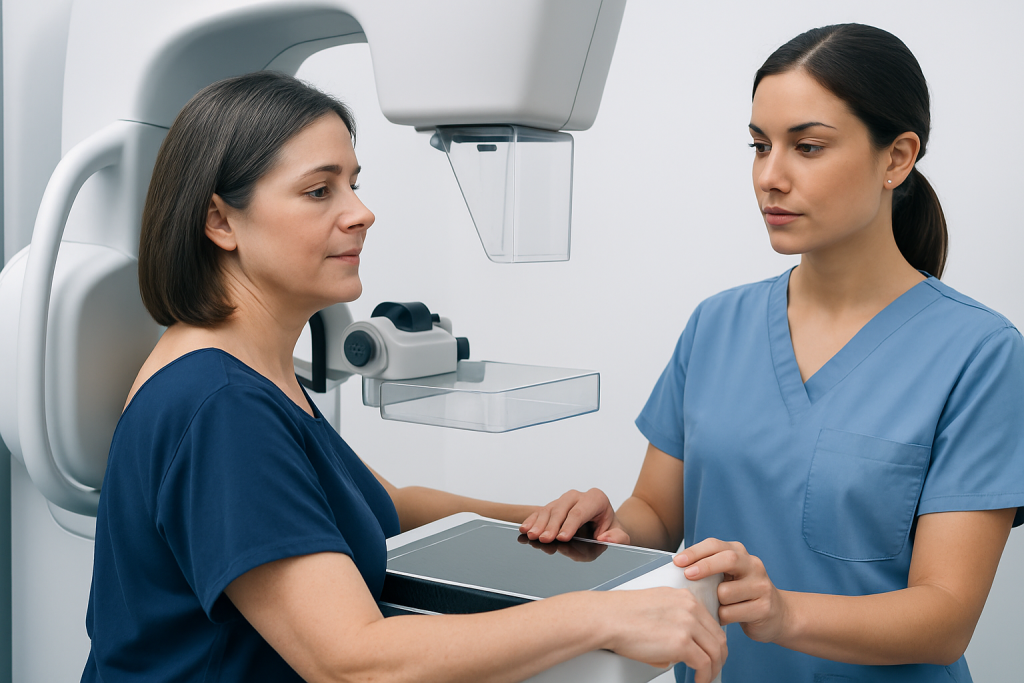
Symptoms vary from person to person. Many describe a generalized lumpiness in one or both breasts, often most noticeable in the upper outer area. Others feel one or more mobile, tender lumps that seem to become larger or more sensitive at certain times of the month.
Breast pain may be dull, aching, heavy, or sharp. It can affect one side more than the other and may spread toward the underarm. Some people notice swelling, fullness, or a feeling that their bra fits more tightly before menstruation.
Possible symptoms include:
- Lumpy or nodular breast tissue
- Breast tenderness or pain
- Fullness or swelling that changes with the cycle
- Areas that feel thicker than surrounding tissue
- Occasional nipple sensitivity
Although cyclical symptoms are typical, not every breast symptom is caused by fibrocystic changes. A new lump that does not go away, skin dimpling, nipple discharge, or a change in breast shape should be assessed by a healthcare professional.
Why fibrocystic changes happen
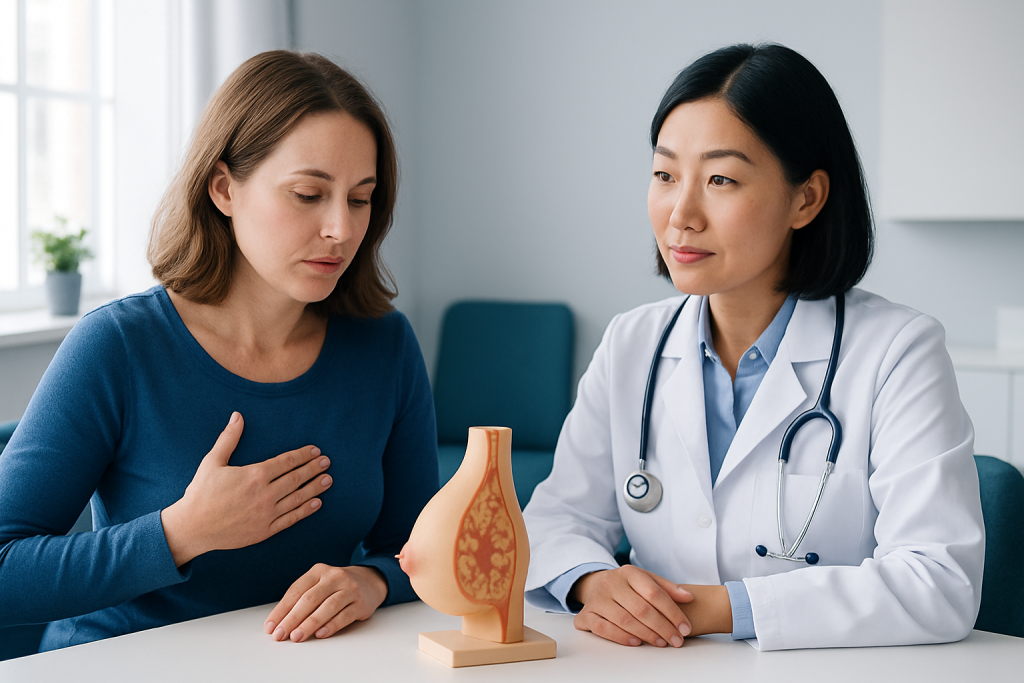
Fibrocystic changes are believed to be linked mainly to hormone fluctuations, especially estrogen and progesterone. These normal monthly changes can affect the breast tissue, causing swelling of ducts and supportive tissue. Over time, this may lead to fibrosis and the formation of small or larger cysts.
Risk is not always tied to one clear cause, and having fibrocystic changes does not mean a person has done anything wrong. Symptoms often appear during the reproductive years and may improve after menopause, particularly if hormone levels decline naturally. However, some people continue to have symptoms later in life.
Several factors can influence symptoms or how noticeable they become:
- Menstrual cycle timing
- Hormonal therapy or hormone-sensitive changes
- Individual differences in breast tissue
- Stress or increased awareness of breast discomfort
Fibrocystic changes themselves are benign. Even so, because normal lumpiness can make the breasts harder to assess, regular attention to what is typical for the individual can help them notice any change that is genuinely new.
How doctors evaluate breast lumpiness
Evaluation usually starts with a medical history and clinical breast exam. A doctor may ask when symptoms began, whether they change with the menstrual cycle, whether there is pain or nipple discharge, and whether there is any personal or family history of breast disease. This step helps place breast symptoms in the right clinical context.
Imaging is often used to clarify what is being felt on exam. Depending on age, symptoms, and breast density, this may include ultrasound, mammography, or both. Ultrasound is especially useful for distinguishing a fluid-filled cyst from a solid lump, while mammography can help evaluate broader tissue patterns and screen for other concerns.
If imaging shows a simple cyst and symptoms match a benign pattern, no further testing may be needed beyond follow-up. If a finding is unclear or appears suspicious, the doctor may recommend additional imaging or a tissue sample. In selected cases, breast biopsy helps confirm that a change is benign and rule out other breast conditions, including breast cancer.
Treatment options and symptom relief
Treatment depends on symptoms, exam findings, and imaging results. Many people with fibrocystic changes do not need invasive treatment. If the diagnosis is clear and symptoms are mild, reassurance, monitoring, and practical comfort measures may be enough.
For bothersome discomfort, a doctor may suggest supportive bras, warm or cool compresses, and general pain-relief strategies that are appropriate for the individual. Some people find it helpful to track symptoms in relation to the menstrual cycle, since this can clarify patterns and make flare-ups less worrying. If a larger painful cyst is present, a clinician may discuss whether aspiration is appropriate.
Care should remain personalized. Breast pain can have several causes, and not every lump is a cyst or fibrocystic change. In centers with dedicated breast health evaluation and care, imaging specialists, breast surgeons, and pathologists may work together when symptoms are persistent or the diagnosis is uncertain.
Self-care, monitoring, and everyday breast awareness
Living with fibrocystic changes often becomes easier once the person understands their usual pattern of breast texture and tenderness. Rather than checking anxiously or too often, many clinicians encourage regular breast awareness. This means noticing what is normal for the individual and paying attention to meaningful changes over time.
Keeping a symptom diary can be useful, especially for people who menstruate. Recording tenderness, swelling, lumpiness, and cycle timing may show a repeated premenstrual pattern. This information can help the doctor distinguish benign cyclical symptoms from findings that need closer assessment.
Helpful self-care steps may include:
- Wearing a well-fitted supportive bra
- Using warm or cool compresses for comfort
- Tracking symptoms and menstrual timing
- Attending routine recommended breast screening
- Seeking review for any new or persistent change
General breast screening still matters. Fibrocystic changes do not prevent someone from benefiting from age-appropriate screening, and people with dense or hard-to-interpret tissue may especially benefit from a careful, individualized imaging plan.
When to seek medical care
Medical care is important if a breast change is new, persistent, or different from the person’s usual cyclical symptoms. Prompt evaluation is especially important for a lump that remains after a menstrual period, a lump that feels firm or fixed, or breast pain that is persistent and not clearly linked to the cycle.
Other reasons to seek care include nipple discharge, especially if bloody or occurring without squeezing, skin changes such as dimpling or redness, nipple inversion that is new, or a visible change in breast size or shape. These symptoms do not always mean cancer, but they do need professional assessment.
If symptoms are severe, recurrent, or emotionally distressing, it is reasonable to ask for a more detailed breast evaluation. Acibadem International’s multidisciplinary specialists in JCI-accredited hospitals diagnose and treat breast conditions for international patients, including benign breast problems that may overlap in symptoms with breast cyst and other breast findings.
Frequently asked questions
Are fibrocystic changes the same as breast cancer?
No. Fibrocystic changes are benign, which means noncancerous, changes in breast tissue. However, because some breast symptoms can overlap, a doctor should evaluate any new, unusual, or persistent lump or change.
Do fibrocystic changes increase the risk of breast cancer?
Fibrocystic changes themselves are generally considered benign and common. The exact level of risk depends on the specific tissue findings if a biopsy is done, so a doctor can explain whether a person has simple benign changes or a pattern that needs closer follow-up.
Can fibrocystic changes cause breast pain?
Yes. Breast tenderness or aching is one of the most common symptoms, and it often becomes more noticeable before a menstrual period. The pain may affect one or both breasts and can range from mild discomfort to more bothersome soreness.
How are fibrocystic changes diagnosed?
Diagnosis usually involves a medical history, a clinical breast exam, and imaging such as ultrasound or mammography. If a finding is unclear or suspicious, the doctor may recommend further imaging or a biopsy to confirm the cause.
Can fibrocystic changes go away on their own?
Symptoms may improve or become less noticeable over time, especially as hormone patterns change. Many people find that symptoms come and go with the menstrual cycle rather than disappearing completely.
What should someone do if they have lumpy breasts all the time?
Some people naturally have breast tissue that feels more nodular or dense. Even if lumpiness is longstanding, it is still important to know what is normal for the individual and to have any new, enlarging, or different area checked by a clinician.
References
- World Health Organization
- American Cancer Society
- Centers for Disease Control and Prevention
- National Cancer Institute
- American College of Obstetricians and Gynecologists
This article is for general information only and is not a substitute for professional medical advice. Please consult a qualified doctor about your individual situation.
Oncology care in Turkey — second opinion and treatment plan
JCI-accredited · board-certified surgeons · reply within 24h
Add us as a Preferred Source to see more of our trusted health content across Google Search, AI Overviews and Discover.

More from the Health Library


Related Specialists

Dr. Işıl Avcı
Physical Medicine & Rehabilitation
Asst. Prof. Dr. Meltem Açıl
Anesthesiology
Prof. Dr. Engin Oral (m)
Gynecology & Obstetrics
Prof. Dr. Kahraman Öztürk
Orthopedic Surgery & Traumatology