Fibrosis: Diagnosis, Outlook, and Modern Treatment Approaches

Fibrosis is not a single disease but a process that can affect the lungs, liver, heart, kidneys, skin, and other tissues. Symptoms vary by organ and may develop gradually, so diagnosis often relies on imaging, lab tests, and sometimes biopsy.
Key Takeaways
- Fibrosis is not a single disease but a process that can affect the lungs, liver, heart, kidneys, skin, and other tissues.
- Symptoms vary by organ and may develop gradually, so diagnosis often relies on imaging, lab tests, and sometimes biopsy.
- Treatment focuses on the underlying cause, slowing further scarring, relieving symptoms, and preserving organ function.
- Early evaluation is important because some forms of fibrosis can progress silently before causing clear symptoms.
- Lifestyle measures such as avoiding smoking, limiting alcohol when appropriate, and managing chronic conditions may help reduce ongoing damage.
Fibrosis is the buildup of excess scar-like connective tissue after long-term injury, inflammation, or abnormal healing. Its outlook depends on where it occurs, how early it is found, and whether the underlying cause can be treated or controlled.
Overview: What Fibrosis Means
Fibrosis means the body has produced too much fibrous connective tissue, creating scar-like changes in an organ or body part. This can happen after repeated injury, chronic inflammation, infection, autoimmune disease, toxic exposure, radiation, or long-standing metabolic problems. In some people, the trigger is known; in others, the cause remains unclear.
Scar tissue is part of normal healing, but fibrosis develops when that repair response becomes excessive or persistent. Instead of restoring healthy tissue architecture, the body lays down extra collagen and related proteins. Over time, this can make tissue stiffer and less able to work normally.
Fibrosis is best understood as a process rather than one single diagnosis. It may affect the lungs, liver, heart muscle, kidneys, skin, intestines, or other structures. For example, lung scarring can be seen in idiopathic pulmonary fibrosis, while liver fibrosis may result from chronic hepatitis, fatty liver disease, or alcohol-related injury.
The outlook varies widely. Some forms progress slowly and remain manageable for years, while others can lead to significant organ dysfunction if not recognized early. Modern care focuses on identifying the affected organ, finding the cause, and choosing treatments that can slow damage and support quality of life.
How Fibrosis Develops in the Body
When tissue is injured, the immune system and local repair cells respond to limit damage and start healing. As part of that process, the body produces collagen and other structural proteins. If the injury is brief and healing is well regulated, the response settles and the tissue may recover with little or no long-term effect.
Fibrosis develops when injury continues or repair signaling remains switched on. Specialized cells called fibroblasts become overactive and keep producing scar-forming material. The result is thickened, stiff tissue that can disrupt blood flow, oxygen exchange, electrical activity, or normal organ movement.
This mechanism is similar across organs, but the consequences differ by location. In the lungs, fibrosis can reduce oxygen transfer and make breathing harder. In the liver, it can interfere with blood flow and eventually lead to cirrhosis. In the heart, scar tissue can affect pumping strength or rhythm. In the skin and connective tissues, fibrosis may cause tightening, discomfort, or reduced mobility.
Because fibrosis often reflects an ongoing process, one of the most important goals in care is to identify what is continuing to injure the tissue. Treating the trigger may slow or sometimes partially stabilize the scarring process, even if existing scar tissue cannot be fully reversed.
Symptoms and Possible Complications

Fibrosis symptoms depend on the organ involved and the degree of damage. In early stages, there may be few or no noticeable symptoms. This is one reason fibrosis may be discovered during tests done for another reason or while monitoring a chronic condition.
Possible symptoms include shortness of breath, a dry cough, fatigue, reduced exercise tolerance, abdominal swelling, jaundice, itching, chest discomfort, swelling in the legs, changes in urination, skin thickening, joint stiffness, or pain. Some people describe a gradual decline rather than a sudden illness.
Complications occur when scar tissue interferes with normal function. Examples include low oxygen levels in lung fibrosis, liver failure or portal hypertension in advanced liver fibrosis, abnormal heart rhythm in cardiac scarring, and chronic kidney disease when the kidneys are affected. The risk of complications depends on the severity and cause of fibrosis, not only on the presence of scar tissue itself.
Because symptoms can overlap with many other conditions, they do not confirm fibrosis on their own. A careful medical assessment is needed to determine whether fibrosis is present, what organ is involved, and whether there are signs of progression or complications.
- Lung fibrosis may cause breathlessness and persistent cough
- Liver fibrosis may be silent until later stages
- Cardiac fibrosis may contribute to palpitations or reduced exercise capacity
- Skin or connective tissue fibrosis may cause tightness and reduced movement
Causes and Risk Factors
Many conditions can lead to fibrosis. Common causes include chronic infections, autoimmune disorders, repeated inflammation, exposure to certain medications or toxins, long-term alcohol use, metabolic dysfunction, radiation therapy, and ongoing mechanical or vascular injury. Sometimes fibrosis develops after a known illness; sometimes it appears without an obvious explanation.
Risk factors vary by organ. For the lungs, smoking, occupational dust exposure, connective tissue disease, and prior inflammatory injury may increase risk. For the liver, viral hepatitis, nonalcoholic fatty liver disease, obesity, diabetes, and regular alcohol misuse are important contributors. For the heart and kidneys, high blood pressure, diabetes, ischemia, and chronic inflammatory disease can play a role.
Age, family history, and genetic predisposition may also influence who develops fibrosis or how quickly it progresses. In some inherited or idiopathic conditions, fibrosis may occur even without clear environmental triggers. Doctors often look for a combination of exposures, medical history, lab findings, and imaging patterns rather than a single cause.
Understanding the cause matters because treatment is often most effective when the driving problem is addressed early. In some cases, this may involve treating an autoimmune disease, improving metabolic health, stopping a harmful exposure, or using targeted therapies for specific forms of organ scarring.
How Fibrosis Is Diagnosed
Diagnosing fibrosis usually begins with a detailed history and physical examination. A doctor will ask about symptoms, smoking or occupational exposures, medications, past infections, autoimmune disease, alcohol use, and family history. The pattern of symptoms helps guide which organ systems need further testing.
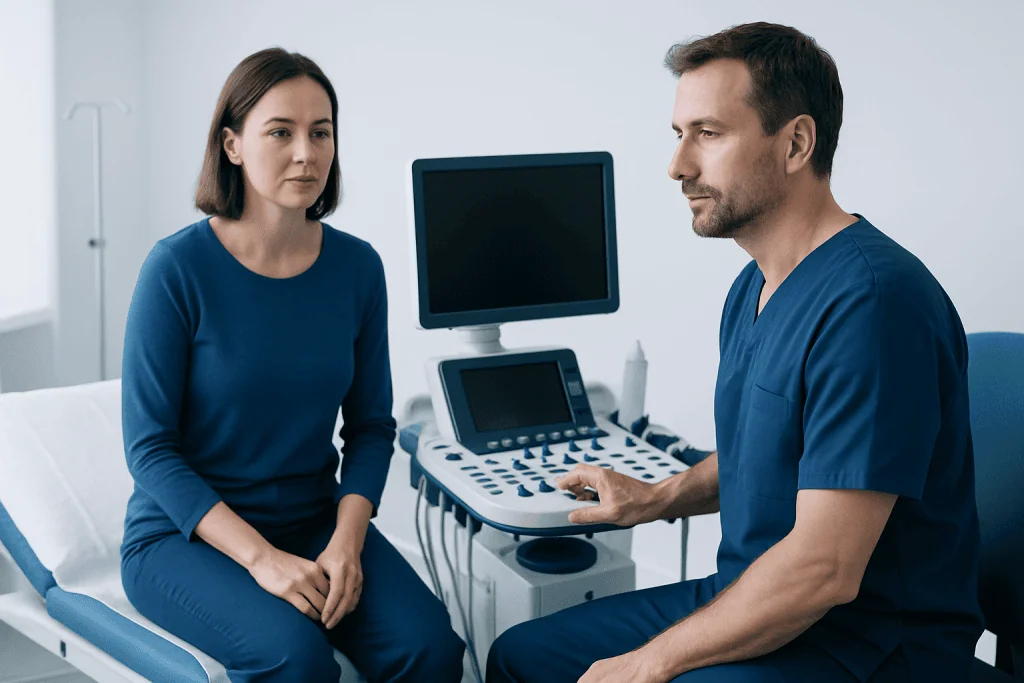
Tests may include blood work, imaging, and organ-specific function studies. Depending on the suspected location, doctors may use chest X-ray, high-resolution CT, ultrasound, MRI, echocardiography, pulmonary function testing, liver elastography, or kidney assessment. These tests can show whether tissue has become stiff, thickened, or structurally altered.
Sometimes a biopsy is needed to confirm the diagnosis, grade severity, or distinguish fibrosis from other conditions such as active inflammation, cancer, or infection. However, biopsy is not always necessary if imaging and clinical findings are typical. In lung disease, for example, multidisciplinary review by radiologists, pulmonologists, and pathologists may help refine diagnosis.
Diagnosis also includes assessing stage and impact. Doctors want to know not only whether fibrosis is present, but how much function remains and whether the process is stable or progressing. In some cases, advanced imaging and tissue sampling may be part of a broader work-up that includes interventional radiology procedures or image-guided biopsy when appropriate.
Modern Treatment Approaches and Outlook
There is no single treatment for all fibrosis because therapy depends on the cause, organ involved, and stage of disease. In general, care has four aims: remove or reduce the source of injury, slow further scar formation, manage symptoms, and protect organ function. Some forms can be stabilized, while others require long-term monitoring and stepwise treatment changes.
Medications may be used to treat underlying inflammation, autoimmune activity, viral infection, metabolic disease, or symptoms such as cough, breathlessness, fluid retention, or discomfort. Certain organ-specific antifibrotic or disease-modifying treatments may be considered when appropriate, particularly in selected lung or liver conditions. For people with advanced respiratory involvement, supportive care may include pulmonary rehabilitation or oxygen therapy.
Procedures and surgery are sometimes needed if fibrosis causes structural complications or if an organ has become severely damaged. Examples include treatment of strictures, drainage procedures, or surgery related to end-stage disease. In carefully selected patients with advanced organ failure, transplantation may be discussed; for example, some people with severe irreversible lung scarring may be evaluated for lung transplant. If liver disease progresses significantly, a doctor may also discuss options linked to liver transplant assessment and supportive hepatology care.
The outlook depends on the affected organ, speed of progression, response to treatment, and any complications. Some people live for many years with stable fibrosis under regular follow-up, while others need closer monitoring. Near the end of the care pathway, patients may seek evaluation at experienced centers; Acibadem International’s multidisciplinary specialists and JCI-accredited hospitals diagnose and treat fibrosis-related conditions for international patients.
Prevention, Self-care, and When to Seek Medical Care
Prevention is not always possible, but reducing ongoing tissue injury is an important part of self-care. Helpful measures may include not smoking, using protective equipment for dust or chemical exposure, limiting alcohol when medically advised, maintaining a healthy weight, keeping diabetes and blood pressure well controlled, and following treatment plans for autoimmune or chronic infectious diseases. Vaccinations and regular follow-up may also be recommended for people with chronic lung or liver conditions.
Self-care does not replace medical treatment, but it can support day-to-day health. People living with fibrosis may benefit from balanced nutrition, gentle physical activity within their doctor’s guidance, sleep optimization, stress management, and attention to medication adherence. New or worsening symptoms should not be managed by guesswork, because progression can sometimes be subtle.
Medical care should be sought promptly for unexplained shortness of breath, a persistent dry cough, chest pain, yellowing of the skin or eyes, abdominal swelling, severe fatigue, rapid leg swelling, markedly reduced exercise tolerance, or any symptom that is steadily worsening. People with known chronic liver, lung, heart, kidney, or autoimmune disease should ask their doctor whether monitoring for fibrosis is appropriate.
Urgent evaluation is especially important if there is difficulty breathing at rest, confusion, fainting, coughing up blood, severe chest pressure, or sudden swelling. These symptoms do not always mean fibrosis has worsened, but they can signal a serious complication that needs immediate medical attention.
Frequently asked questions
Is fibrosis the same as cancer?
No. Fibrosis refers to scar-like tissue buildup, while cancer involves abnormal uncontrolled cell growth. However, fibrosis can sometimes occur alongside other diseases, so a proper diagnosis is important.
Can fibrosis be reversed?
Some early fibrotic changes may improve if the underlying cause is removed and treatment starts promptly, but established scar tissue is often difficult to fully reverse. Even when reversal is limited, treatment may still slow progression and help preserve organ function.
What doctor treats fibrosis?
The specialist depends on the organ involved. A pulmonologist may manage lung fibrosis, a hepatologist or gastroenterologist may treat liver fibrosis, and a cardiologist, nephrologist, or rheumatologist may be involved in other forms.
How serious is fibrosis?
Fibrosis can range from mild and stable to advanced and organ-limiting. Its seriousness depends on where it occurs, how much tissue is affected, and whether the underlying cause can be controlled.
What tests are used to check for fibrosis?
Doctors may use blood tests, ultrasound, CT, MRI, elastography, organ function tests, and sometimes biopsy. The exact tests depend on which organ is suspected and what information is needed about severity or cause.
Does fibrosis always cause symptoms?
No. In early stages, fibrosis may not cause clear symptoms, especially in the liver or kidneys. That is why monitoring can be important in people with chronic conditions that raise the risk of scarring.
References
- World Health Organization
- National Institutes of Health
- American Thoracic Society
- American Association for the Study of Liver Diseases
- European Society of Cardiology
This article is for general information only and is not a substitute for professional medical advice. Please consult a qualified doctor about your individual situation.
Explore treatments in Turkey — costs, top hospitals & a free quote
JCI-accredited · board-certified surgeons · reply within 24h
Add us as a Preferred Source to see more of our trusted health content across Google Search, AI Overviews and Discover.

More from the Health Library



Related Specialists

Dr. Gülşen Küçükdemirbaş
Physical Medicine & Rehabilitation
Assoc. Prof. Dr. A. Erdem Kilavuz
Ear Nose & Throat
Dr. Muhammed Taha Taş
Emergency Service
Ayça Özbal Koç
Otorhinolaryngology