Fissures or Piles: What Patients Need to Know

Anal fissures are tears in the anal canal lining, while piles are swollen veins in or around the anus. Sharp pain during and after passing stool is more typical of a fissure, whereas itching, swelling, or a lump may suggest piles.
Key Takeaways
- Anal fissures are tears in the anal canal lining, while piles are swollen veins in or around the anus.
- Sharp pain during and after passing stool is more typical of a fissure, whereas itching, swelling, or a lump may suggest piles.
- Constipation, straining, hard stools, pregnancy, and prolonged sitting on the toilet can contribute to either condition.
- Most cases improve with bowel-habit changes and medical treatment, but persistent symptoms should be assessed by a clinician.
- Rectal bleeding should not be self-diagnosed, as several conditions can cause it.
Fissures and piles are common conditions affecting the anus and lower rectum, but they are not the same. An anal fissure is a small tear in the anal lining, whereas piles, also called hemorrhoids, are swollen blood vessels; both can cause discomfort and bright-red bleeding, so an accurate diagnosis is important.
Fissures or Piles: How Are They Different?
Fissures or piles may feel similar because both can cause pain, itching, and bright-red blood on toilet paper. However, they affect different tissues. An anal fissure is a narrow tear in the moist lining of the anal canal, usually caused when a hard or large stool stretches the area. Piles, medically called hemorrhoids, are enlarged and swollen veins in the lower rectum or around the anus.
The pattern of symptoms often provides useful clues, although only a clinician can confirm the cause. A fissure commonly causes sharp, cutting, or burning pain while passing stool, followed by discomfort that can last minutes or hours. Piles may cause itching, pressure, mucus, a tender lump near the anus, or painless bleeding during bowel movements. External piles can become painful if a blood clot develops inside them.
These conditions are common and usually manageable. Still, bleeding from the rectum should not automatically be assumed to be from fissures or piles. A healthcare professional can examine the area, discuss bowel habits and other symptoms, and decide whether further testing is appropriate.
Symptoms That May Point to a Fissure or Piles
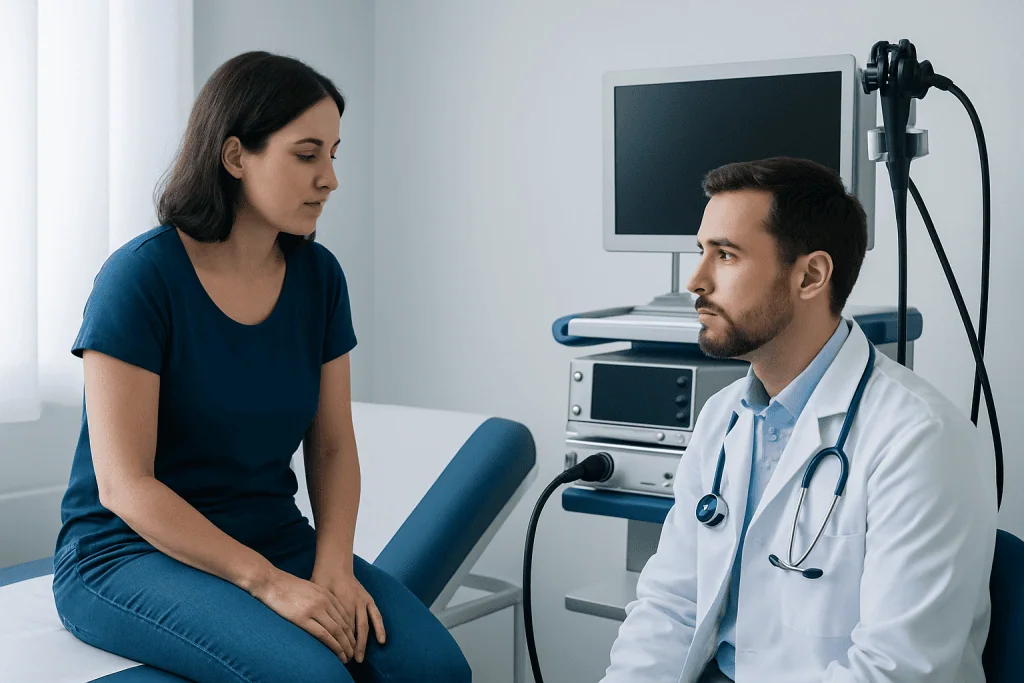
Anal fissures often produce a very specific type of pain. People may notice a sharp pain at the moment stool passes, sometimes described as a tearing sensation. This may be followed by burning or spasm in the anal area. Small amounts of fresh, bright-red blood may appear on the toilet paper or surface of the stool. Some people notice a small skin tag near a fissure that has been present for some time.
Piles can be internal or external. Internal piles are inside the rectum and often cause painless bright-red bleeding, a feeling of incomplete emptying, or tissue that temporarily protrudes from the anus during a bowel movement. External piles can lead to itching, irritation, swelling, or a palpable lump. If an external pile becomes thrombosed, meaning a clot forms within it, it may cause sudden pain and a firm bluish-purple swelling.
- More suggestive of a fissure: severe pain with bowel movements, prolonged burning afterward, and bleeding in small amounts.
- More suggestive of piles: itching, swelling, a lump, mucus, prolapse, or painless bleeding.
- Possible in either condition: discomfort, minor bright-red bleeding, and symptoms linked with constipation or straining.
Symptoms can overlap, and it is possible, though not inevitable, to have both conditions. Changes in bowel habits, unexplained weight loss, abdominal pain, fever, or dark or black stools require timely medical assessment rather than home treatment alone.
Why Fissures and Piles Develop
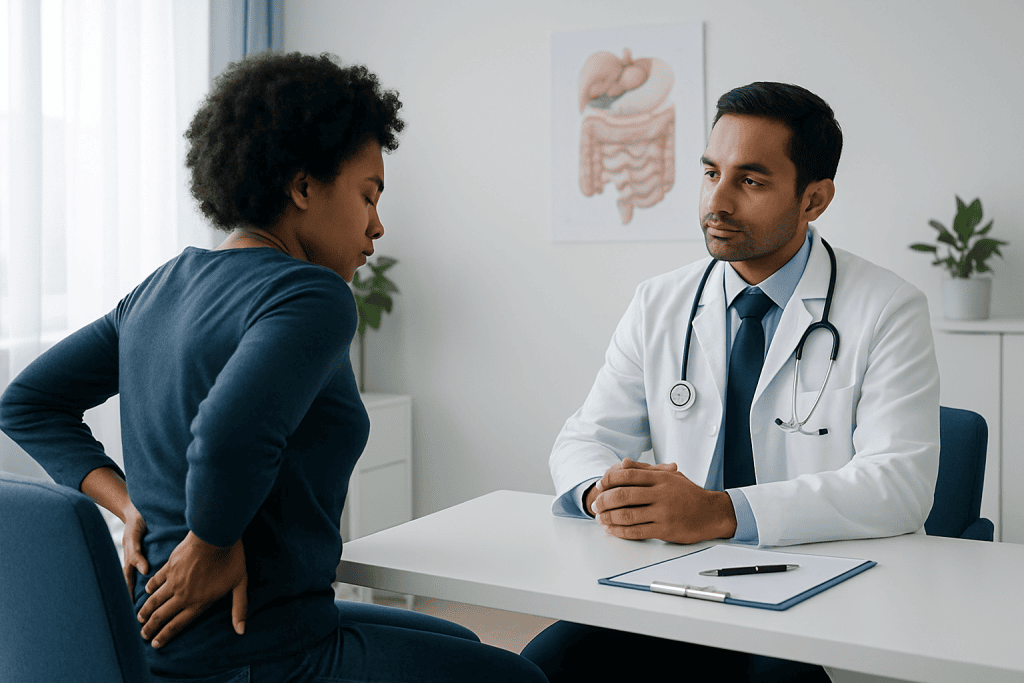
Both fissures and piles are often related to pressure, stretching, or irritation during bowel movements. Constipation is a frequent contributor because hard, dry stools can strain the anal canal and cause a tear. Repeated straining can also increase pressure in rectal veins, contributing to piles. Diarrhea may also irritate the anal lining and can contribute to fissures in some people.
Other factors that may increase the likelihood of piles include pregnancy, childbirth, increasing age, obesity, heavy lifting, spending long periods sitting, and sitting on the toilet for extended periods. A low-fiber diet or inadequate fluid intake can make stool harder to pass. Family tendency may also play a role in hemorrhoid development.
Anal fissures may occur after a difficult bowel movement, but they can occasionally be associated with inflammatory bowel disease, infection, or other conditions affecting the anal area. A fissure that does not heal, occurs in an unusual location, or is accompanied by other symptoms may need more detailed evaluation. This does not mean a serious cause is likely, but it helps clinicians provide the right care.
How a Doctor Makes the Diagnosis
A clinician will usually begin by asking about pain, bleeding, bowel frequency, stool consistency, diet, medications, pregnancy history, and any family history of bowel disease. They may inspect the anal area gently. A fissure can sometimes be seen during external examination, especially when pain and muscle spasm make an internal examination uncomfortable.
For suspected piles, the clinician may perform a digital rectal examination and may use a short, lighted instrument called an anoscope to view the anal canal and lower rectum. These examinations are generally brief. If there is significant pain, the approach may be adapted to minimize discomfort, and treatment may begin before a more complete examination is attempted.
Further tests are not needed for everyone. However, they may be recommended when bleeding is recurrent or unexplained, when symptoms do not fit a typical fissure or hemorrhoid pattern, or when there are risk factors for other bowel conditions. Depending on age, symptoms, and medical history, this could include blood tests, sigmoidoscopy, or colonoscopy.
Treatment Options for Fissures and Piles
Initial care for both conditions usually aims to make stools soft and easy to pass. Increasing dietary fiber gradually, drinking enough fluids, staying physically active, and responding to the urge to have a bowel movement can help. A clinician or pharmacist may recommend a fiber supplement, stool-softening treatment, or a short-term laxative when appropriate. It is important not to use rectal products or laxatives for prolonged periods without professional advice.
For fissures, warm sitz baths can relax the anal muscles and ease discomfort. Doctors may prescribe topical medicines that help reduce muscle spasm and improve blood flow, allowing the tear to heal. If a fissure becomes chronic or does not respond to conservative treatment, specialist procedures may be considered. These can include botulinum toxin injection or surgery to reduce excessive anal muscle tension in carefully selected patients.
Pile treatment depends on whether hemorrhoids are internal, external, bleeding, prolapsing, or thrombosed. Symptom-relieving creams or suppositories may be used for limited periods, but they do not address all causes. Office-based procedures such as rubber band ligation, injection treatment, or infrared coagulation may help certain internal piles. Surgery may be considered for large, persistent, prolapsing, or recurrent hemorrhoids, or in selected cases of thrombosed external piles.
The right approach depends on the diagnosis, severity, overall health, and personal preferences. A colorectal surgeon or gastroenterology specialist can discuss the benefits and limitations of each option when symptoms persist despite conservative care.
Prevention and Everyday Self-Care
Healthy bowel habits are central to preventing recurrence. A fiber-rich eating pattern that includes vegetables, fruits, beans, whole grains, nuts, and seeds can support regular, softer stools. Fiber should be increased gradually to reduce bloating, and fluid intake should be adequate for the individual. People with kidney, heart, or other medical conditions should follow their clinician’s advice about fluid intake.
It can help to avoid straining and to avoid delaying bowel movements when the urge occurs. Spending excessive time on the toilet, including reading or using a phone while seated, may increase pressure on anal veins. A small footstool can help some people adopt a more comfortable position for passing stool, although it is not necessary for everyone.
Warm baths, gentle cleaning with water or unscented products, and patting rather than rubbing the area may reduce irritation. Fragranced wipes, harsh soaps, and vigorous scrubbing can worsen itching or inflammation. Regular movement and management of constipation or diarrhea can also reduce repeated stress on the anal area.
When to Seek Medical Care
Medical advice is recommended for any new rectal bleeding, especially if the cause is uncertain. A doctor should also assess severe pain, a rapidly enlarging lump, fever, pus-like discharge, worsening redness, or pain that prevents normal activities. These symptoms may need prompt attention and should not be managed by assuming they are simply piles.
Arrange a non-urgent appointment if symptoms last more than a few days, recur frequently, or do not improve after sensible measures to prevent constipation and reduce straining. Persistent fissures and piles can usually be treated, and earlier assessment may help prevent unnecessary discomfort. Adults with changes in bowel habits, unexplained fatigue, abdominal symptoms, or unintentional weight loss should also speak with a clinician.
Acibadem International’s multidisciplinary specialists and JCI-accredited hospitals evaluate and treat anal conditions for international patients, including assessment of rectal bleeding and persistent anorectal symptoms. Care plans should always be individualized after a qualified medical examination.
Frequently asked questions
Can a fissure be mistaken for piles?
Yes. Both can cause bright-red blood and discomfort during bowel movements. A fissure is more likely to cause sharp pain during and after passing stool, while piles more often cause itching, swelling, or a lump. A clinician can distinguish between them with an appropriate examination.
Do piles always cause pain?
No. Internal piles commonly cause painless bleeding or may prolapse during bowel movements. External piles may be uncomfortable or itchy, while a thrombosed external pile can be quite painful because of a blood clot within the swollen vein.
How long does an anal fissure take to heal?
A new fissure may improve over several days to a few weeks when stool is kept soft and straining is avoided. Fissures that persist beyond several weeks are often considered chronic and may need prescription treatment or specialist review. Healing time varies with the cause and bowel habits.
Can diet help with fissures or piles?
Yes. Gradually increasing fiber and maintaining appropriate fluid intake can make stools softer and easier to pass. This may reduce straining, which is a common trigger for both fissures and piles. Dietary changes work best when combined with regular bowel habits and physical activity.
Is blood on toilet paper always caused by hemorrhoids?
No. Hemorrhoids and fissures are common causes of bright-red blood, but rectal bleeding can have other causes. Anyone with new, persistent, recurrent, or unexplained bleeding should consult a healthcare professional, particularly if there are additional bowel or general health changes.
Can fissures or piles come back after treatment?
They can recur, particularly if constipation, diarrhea, straining, or prolonged toilet sitting continues. Maintaining softer stools and addressing contributing factors can lower the chance of recurrence. Persistent or frequent episodes should be discussed with a doctor to confirm the diagnosis and consider further treatment.
This article is for general information only and is not a substitute for professional medical advice. Please consult a qualified doctor about your individual situation.
Explore treatments in Turkey — costs, top hospitals & a free quote
JCI-accredited · board-certified surgeons · reply within 24h
Add us as a Preferred Source to see more of our trusted health content across Google Search, AI Overviews and Discover.

More from the Health Library

Herbs for Anxiety: An Evidence-Based Guide for Patients
Theisha: An Evidence-Based Guide for Patients

Quit Smoking Timeline: What Patients Need to Know

Tea for Constipation — Explained by Medical Evidence, Not Myths
Coracobrachialis: An Evidence-Based Guide for Patients