Fobia — Explained by Medical Evidence, Not Myths

A fobia is more than ordinary dislike or caution; it causes fear that is out of proportion to the actual danger. Specific phobias, social anxiety disorder and agoraphobia involve different fear patterns.
Key Takeaways
- A fobia is more than ordinary dislike or caution; it causes fear that is out of proportion to the actual danger.
- Specific phobias, social anxiety disorder and agoraphobia involve different fear patterns.
- Avoidance may bring brief relief but can maintain or worsen the phobia over time.
- Cognitive behavioral therapy and gradual, supported exposure are leading treatments.
- A qualified mental health professional can assess symptoms and create an individualized care plan.
Fobia is commonly used to mean phobia: an anxiety condition involving an intense, persistent fear of a particular object, situation, activity or social setting. Although the fear can feel overwhelming, phobias are recognized medical conditions and effective support is available.
Fobia: what it means and why it is not a myth
Fobia is a term commonly used for phobia, an anxiety disorder marked by an intense and ongoing fear of a particular object, situation, place or activity. The fear is real to the person experiencing it, even when they recognize that the level of alarm seems greater than the actual risk. A phobia is not a character weakness, a choice, or an attempt to gain attention.
When a feared trigger is anticipated or encountered, the body’s threat-response system may activate quickly. This can lead to a racing heartbeat, shaking, sweating, nausea, shortness of breath, dizziness or an urgent need to leave. Some people experience panic attacks in these situations. Others organize daily life around avoiding the trigger, which can affect work, education, relationships, travel or healthcare.
Fear is a normal protective emotion. It becomes clinically important when it is persistent, disproportionate to the situation, difficult to control, and causes meaningful distress or limits everyday functioning. With appropriate assessment and treatment, many people learn to face feared situations more comfortably and regain confidence in daily life.
Types of phobia and common fear patterns
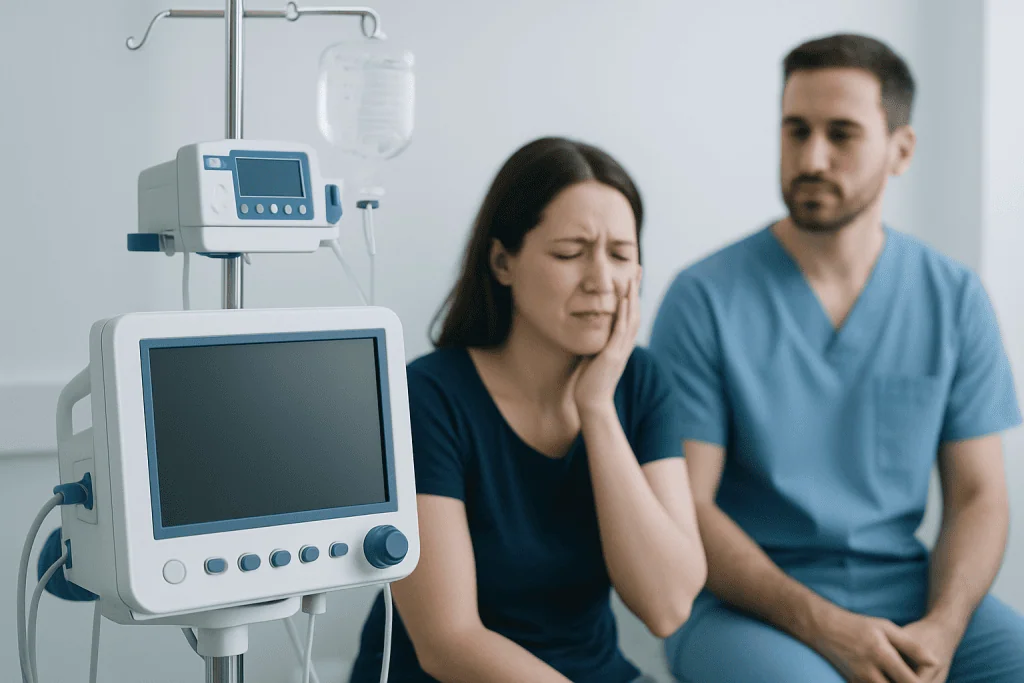
Specific phobia refers to fear focused on a particular trigger. Common examples include animals or insects, heights, flying, storms, blood, injections, dental procedures, driving, enclosed spaces, vomiting, or certain foods. The trigger may be relatively easy to avoid in some circumstances, but avoidance can become increasingly restrictive over time.
Social anxiety disorder involves fear of being judged, embarrassed, rejected or closely observed in social or performance situations. A person may worry about speaking in meetings, eating in public, meeting unfamiliar people, answering questions, or showing visible signs of anxiety. It is different from ordinary shyness because it may cause substantial distress and avoidance.
Agoraphobia involves fear of situations where escape may feel difficult or help may seem unavailable if panic-like symptoms occur. It may involve public transport, open or enclosed spaces, crowds, queues, or being outside alone. It can occur with panic disorder, but it may also occur independently. A clinician can distinguish among these conditions because the most helpful treatment plan may differ.
- Animal type: dogs, spiders, snakes or other animals
- Natural environment type: storms, water or heights
- Blood-injection-injury type: needles, blood tests or medical procedures
- Situational type: flying, lifts, tunnels or driving
Symptoms: how fobia can affect the mind and body

A phobia often causes immediate anxiety when the person sees, imagines, anticipates or discusses the feared trigger. Emotional symptoms can include dread, a sense of danger, embarrassment about the fear, irritability, difficulty concentrating, and fear of losing control. Children may cry, freeze, cling to a caregiver, or become distressed when they cannot avoid the trigger.
Physical symptoms arise from the body’s stress response. They may include palpitations, chest tightness, rapid breathing, sweating, trembling, dry mouth, stomach discomfort, light-headedness and tingling. In blood-injection-injury phobia, some people have a different pattern in which they may feel faint or actually faint because of a drop in blood pressure after the initial stress response.
A key behavioral sign is avoidance. Someone may take long detours to avoid bridges, decline opportunities requiring travel, postpone needed medical care because of needle fear, or rely heavily on another person for reassurance. Avoidance may reduce anxiety in the moment, but it prevents the person from learning that they can cope safely, which can reinforce the cycle of fear.
What causes a phobia and who may be at risk?
There is rarely one single cause of a phobia. It may develop after a frightening or distressing experience, such as being bitten by an animal, becoming ill during travel, or having a panic episode in a crowded place. However, many people cannot identify one clear event. Learning through observing another person’s fear, hearing alarming information, or repeated avoidance can also contribute.
Biology, temperament and life experiences may all play a part. Some people have a family history of anxiety conditions or a natural tendency toward heightened sensitivity to threat. Stressful life events can increase anxiety symptoms, although they do not mean a person will necessarily develop a phobia. Phobias often begin in childhood or adolescence, but they can appear at any age.
It is important not to assume that a fear is irrational without considering genuine safety concerns. For example, being cautious around dangerous animals, severe weather, traffic or heights can be appropriate. A healthcare professional considers whether the response is excessive for the real level of danger, whether it persists, and whether it interferes with the person’s life.
How fobia is assessed and diagnosed
There is no blood test or scan that alone diagnoses a phobia. Diagnosis is based on a careful clinical conversation with a doctor, psychiatrist, psychologist or other qualified mental health professional. They may ask what triggers fear, how long symptoms have been present, what physical symptoms occur, how much avoidance is involved, and how the problem affects daily activities.
The assessment also considers other explanations for symptoms. Panic disorder, generalized anxiety disorder, obsessive-compulsive disorder, post-traumatic stress disorder, depression, substance use, and certain physical health conditions can overlap with or resemble aspects of phobia. Identifying the main pattern of symptoms helps guide care.
People should feel able to mention all concerns, including fainting, panic attacks, alcohol or medication use to manage anxiety, and any thoughts of self-harm. Accurate information supports safe care. Clinicians can also discuss whether a physical examination or other tests are appropriate when symptoms such as chest pain, fainting or breathlessness could have a medical cause.
Evidence-based treatment and practical support
Psychological therapy is usually the main treatment for phobia. Cognitive behavioral therapy, often called CBT, helps a person understand the links between thoughts, physical sensations, feelings and avoidance behaviors. It teaches practical skills for responding differently to anxiety and for testing fearful predictions in a structured, compassionate way.
Gradual exposure therapy is one of the best-supported approaches for specific phobias. With guidance from a trained professional, the person works through a planned hierarchy of feared situations, beginning with manageable steps and progressing at a safe pace. For example, treatment for a flying phobia may begin with talking about travel and viewing aircraft images before moving toward more direct situations. The goal is not to force a person into overwhelming distress, but to build tolerance, confidence and new learning.
Medication is not routinely the first treatment for every specific phobia, but it may be considered when anxiety is severe, when another anxiety or mood condition is present, or when therapy alone is insufficient or not available. A prescribing clinician should discuss expected benefits, side effects and follow-up. Relaxation, paced breathing, adequate sleep and regular activity may support treatment, but they are not substitutes for professional care when avoidance is limiting life.
Acibadem International’s multidisciplinary specialists and JCI-accredited hospitals can assess and treat anxiety conditions, including phobias, for international patients. Care should be individualized and based on a person’s symptoms, medical history and treatment goals.
When to seek medical care
It is sensible to seek professional advice when fear causes repeated avoidance, panic symptoms, distress, or difficulties at school, work, home or in relationships. Early support can be particularly helpful when a child’s fear prevents normal activities, when someone is delaying necessary medical or dental care, or when the fear is becoming more widespread.
Urgent help is needed if a person has thoughts of self-harm or suicide, feels unable to stay safe, or has severe distress that cannot be managed. They should contact local emergency services, a crisis service, or go to the nearest emergency department. Chest pain, loss of consciousness, severe shortness of breath or new neurological symptoms should also be assessed urgently, as these can have causes other than anxiety.
Before an appointment, it can help to note the feared situations, physical symptoms, avoidance patterns, when the problem began, and any previous treatment. This information can make the consultation more productive and help the clinician recommend appropriate next steps.
Frequently asked questions
Is fobia the same as normal fear?
No. Normal fear can be useful because it encourages sensible caution in dangerous situations. A phobia involves fear or anxiety that is stronger than the actual risk, persists over time, and can lead to distress or avoidance that interferes with daily life.
Can a phobia go away without treatment?
Some fears become less intense over time, especially if a person gradually has safe experiences with the feared situation. However, persistent avoidance can maintain a phobia. Professional treatment can provide a structured and effective way to reduce symptoms.
What is the most effective treatment for specific phobia?
Gradual exposure-based therapy, often delivered within cognitive behavioral therapy, is a leading evidence-based treatment for specific phobia. It helps people approach feared triggers in planned, manageable stages while developing coping skills. Treatment should be guided by a qualified professional.
Can phobias cause panic attacks?
Yes. Contact with, or anticipation of, a feared trigger can produce intense anxiety and may cause a panic attack in some people. A clinician can assess whether panic occurs only around a specific trigger or is part of another anxiety condition.
Are phobias more common in children?
Many specific phobias begin in childhood, and temporary fears are common during normal development. A professional assessment may be helpful when fear is unusually intense, continues beyond the expected developmental stage, or prevents a child from taking part in normal activities.
Should someone face their fear alone?
Trying to face a fear abruptly or without support can feel overwhelming and may strengthen avoidance if the experience is too distressing. Gradual exposure works best when it is planned, paced and, when symptoms are significant, supported by a trained mental health professional.
References
- American Psychiatric Association
- National Institute of Mental Health
- National Health Service
- Mayo Clinic
- World Health Organization
This article is for general information only and is not a substitute for professional medical advice. Please consult a qualified doctor about your individual situation.
Explore treatments in Turkey — costs, top hospitals & a free quote
JCI-accredited · board-certified surgeons · reply within 24h
Add us as a Preferred Source to see more of our trusted health content across Google Search, AI Overviews and Discover.
Check your numbers in seconds
BMI, calories, due date, blood pressure and 30+ more clinical calculators — free, instant, doctor-reviewed ranges.

More from the Health Library

Whiny Baby: A Complete Medical Overview

Cptsd: A Complete Medical Overview

Anti-parasitic Medicine: What Patients Need to Know
Drowsy: An Evidence-Based Guide for Patients

B12 Deficiency: An Evidence-Based Guide for Patients