Foley Balloon: An Evidence-Based Guide for Patients

A foley balloon is a medical catheter with an inflatable tip that helps keep it in place. Its most common use is bladder drainage, but it may also be used for cervical ripening before labor induction.
Key Takeaways
- A foley balloon is a medical catheter with an inflatable tip that helps keep it in place.
- Its most common use is bladder drainage, but it may also be used for cervical ripening before labor induction.
- Placement is usually quick and performed by a trained healthcare professional using sterile technique.
- Possible risks include discomfort, infection, bleeding, blockage, and accidental displacement.
- Good catheter hygiene and prompt medical advice for warning signs can reduce complications.
A foley balloon is a thin, flexible tube with a small inflatable balloon at its tip. It is commonly used to drain urine from the bladder and, in some settings, to help prepare the cervix for labor induction under medical supervision.
Overview: what a foley balloon is
A foley balloon is a soft, flexible catheter with a small balloon near its tip. After the catheter is placed in the bladder or, in obstetric care, near the cervix, the balloon is filled with sterile water so it stays in position. The term is often used interchangeably with “Foley catheter,” especially when discussing urinary drainage.
In general medical care, a foley balloon is most often used to drain urine when a person cannot empty the bladder normally or when urine output needs close monitoring. In pregnancy care, a balloon catheter may be used to gently open the cervix as part of labor induction. Although these uses are quite different, the basic device is similar: a narrow tube with a retention balloon.
Because this device is used in more than one area of medicine, patients may understandably feel unsure when they hear the term. Knowing why it is being recommended, how it is placed, and what to expect afterward can make the experience less stressful. A clinician can explain the exact purpose in each individual case and whether alternatives are available.
Common uses of a foley balloon
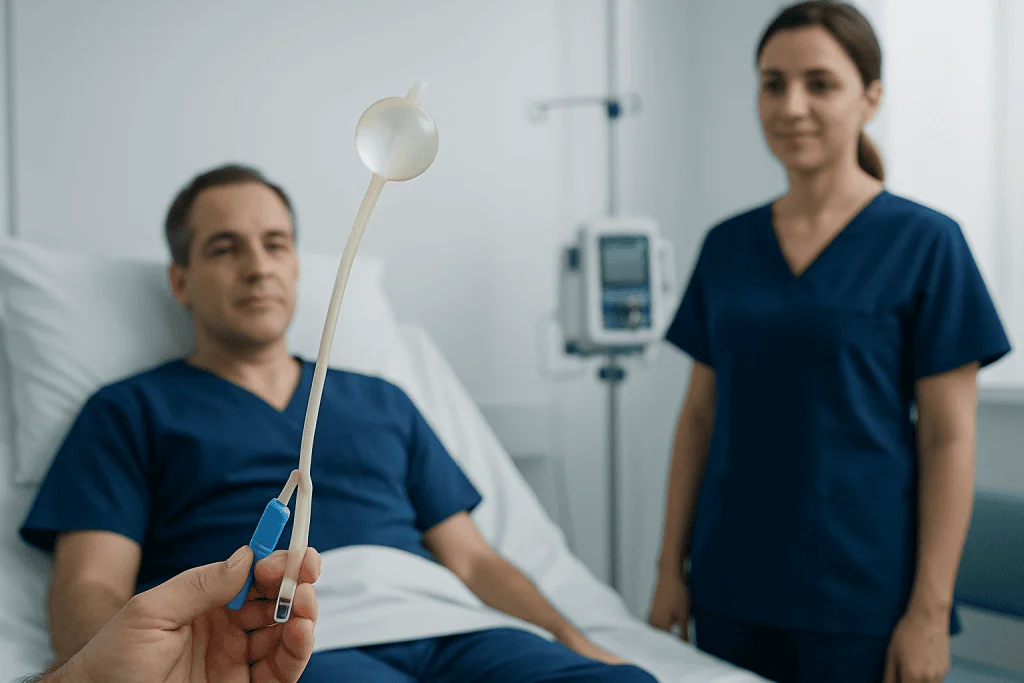
The most familiar use of a foley balloon is urinary drainage. Doctors may recommend it after surgery, during hospitalization, in cases of acute urinary retention, or when a person has a condition that affects normal bladder emptying. It can also help measure urine output accurately in people who are critically ill or recovering from major illness.
Some people need a foley catheter only for a short time, such as during an operation or while temporarily unable to urinate. Others may need it for longer periods because of nerve problems, blockage of urine flow, severe mobility limitations, or certain urologic conditions. Depending on the reason, the catheter may drain into a bedside bag or a smaller leg bag during daily activities.
In obstetrics, a foley balloon may be used for cervical ripening before labor induction. The balloon is placed through the cervix and inflated so gentle pressure encourages the cervix to soften and open. This method may be used alone or together with medicines, depending on the pregnancy and the care plan.
When a urinary catheter is being considered because of underlying bladder or prostate problems, clinicians may also evaluate related conditions such as urinary incontinence or urinary obstruction. If imaging or a specialist procedure is needed, options such as urology care may become part of the overall plan.
How placement is done and what it feels like

Placement of a urinary foley balloon is usually done by a nurse or doctor using sterile technique. The genital area is cleaned, lubricant is applied, and the catheter is gently inserted through the urethra into the bladder. Once urine begins to flow, the balloon is inflated with sterile water to keep the catheter from slipping out.
Many people feel pressure, mild stinging, or temporary discomfort during insertion, but the procedure is usually brief. Afterward, there may be an ongoing awareness of the catheter, especially when moving, coughing, or sitting in a new position. Significant pain is not expected, and it should be reported because it can signal poor positioning, blockage, or another problem.
For labor induction, a foley balloon is placed during a pelvic examination. Some people feel cramping or pressure similar to menstrual pain, and mild spotting can occur. The balloon is generally left in place until the cervix dilates enough for it to fall out or until the medical team removes it as planned.
When urinary retention or complex anatomy makes placement difficult, a doctor may recommend further assessment or specialized management through obstetrics and gynecology care for pregnancy-related use or appropriate specialist evaluation for bladder-related concerns.
Benefits, limitations, and possible risks
A foley balloon can provide important medical benefits. In urinary care, it can quickly relieve painful bladder overfilling, protect kidney function when urine cannot drain properly, and support recovery after surgery or illness. In labor induction, it offers a mechanical, medication-free way to help the cervix open, which may be useful in selected pregnancies.
At the same time, this device has limitations. It does not treat the underlying cause of urinary retention or bladder dysfunction, and it is generally used only when clearly indicated. In pregnancy, a foley balloon may help with cervical ripening, but it does not guarantee that labor will progress in a certain way or that additional induction methods will not be needed.
Potential risks depend on the situation but may include discomfort, bladder spasms, urine leakage around the catheter, blockage, accidental removal, bleeding, and infection. The risk of urinary tract infection generally rises the longer a urinary catheter stays in place. In obstetric use, cramping, spotting, and discomfort are relatively common, while more serious complications are uncommon but require prompt medical attention.
People with ongoing urinary symptoms may need review for related causes such as stones, enlarged prostate, or structural problems. In some cases, the care team may discuss urological rehabilitation or a more detailed treatment approach after the immediate catheter need is addressed.
Diagnosis and decision-making before use
Before recommending a foley balloon, clinicians first clarify why it is needed. For urinary use, they ask about symptoms such as inability to pass urine, lower abdominal pain, weak stream, leakage, fever, or recent surgery. The exam may include checking for bladder distention, reviewing medicines, and considering neurologic or urologic causes.
Tests are not always extensive, especially when catheterization is urgently needed to empty the bladder. However, depending on the situation, a doctor may order urine testing, bladder scanning, blood tests, or imaging. If symptoms suggest a more specific condition, a person may be evaluated for issues such as infection, prostate enlargement, pelvic organ problems, or nerve-related bladder dysfunction.
In pregnancy, the decision to use a foley balloon for induction depends on the cervix, the stage of pregnancy, maternal and fetal health, and the overall reason for induction. The care team explains why induction is being advised, what alternatives exist, and whether a balloon, medicines, or both are most appropriate.
Shared decision-making matters. Patients should feel able to ask why the device is needed, how long it is expected to stay in place, how discomfort will be managed, and what symptoms should trigger a call for help.
Care, hygiene, and self-care at home
If a urinary foley balloon is used at home, careful hygiene helps lower the risk of complications. Hands should be washed before and after touching the catheter or drainage bag. The area around the catheter should be cleaned gently with mild soap and water during normal bathing, then dried carefully.
The drainage bag should stay below the level of the bladder so urine can flow downward. Kinks in the tubing should be avoided, and the catheter should not be tugged. People should follow their clinician’s instructions about emptying the bag, changing from a leg bag to a night bag if advised, and how much fluid to drink unless there is a medical reason to limit fluids.
Normal urine may vary somewhat in color, but cloudy urine, foul odor, increasing blood, or little to no drainage can suggest a problem. Mild awareness of the catheter is common, but worsening pain, fever, chills, or leakage around the tube should not be ignored. The catheter should never be removed at home unless a qualified clinician has specifically instructed how and when this should happen.
After a cervical ripening balloon in pregnancy, the care team usually provides specific instructions about activity, contractions, fluid leakage, and when to return or call. If severe pain, heavy bleeding, reduced fetal movements, or rupture of membranes occurs, urgent medical review is needed.
- Wash hands before and after handling the catheter.
- Keep the drainage bag below bladder level.
- Avoid pulling, twisting, or kinking the tubing.
- Watch for fever, blockage, worsening pain, or unusual bleeding.
- Follow the planned schedule for review or removal.
When to seek medical care
Medical advice should be sought promptly if a person with a urinary foley balloon develops fever, chills, new confusion, strong-smelling or cloudy urine, worsening lower abdominal pain, or visible blood that is increasing rather than improving. Little or no urine draining into the bag, especially with discomfort or abdominal swelling, can mean blockage and needs timely attention.
Immediate care is also important if the catheter falls out unexpectedly, if there is severe pain during movement, or if the tube appears damaged. People should contact a clinician if urine leaks around the catheter, as this may be related to bladder spasms, blockage, or size and positioning issues that need professional assessment.
For a foley balloon used in labor induction, urgent review is needed for heavy bleeding, severe persistent pain, suspected labor progressing rapidly, reduced fetal movement, fluid leakage, or any concern raised by the maternity team. It is always reasonable to call sooner rather than later if symptoms feel unusual or worrying.
Near the end of care planning, some patients may benefit from multidisciplinary review, especially when catheter use is linked to broader pelvic, urinary, or pregnancy-related issues. Acibadem International’s multidisciplinary specialists in JCI-accredited hospitals diagnose and treat these conditions for international patients when further evaluation is needed.
Frequently asked questions
Is a foley balloon the same as a Foley catheter?
Often, yes. In urinary care, the term foley balloon usually refers to a Foley catheter, which has a balloon near the tip to hold it in the bladder. In pregnancy care, the term may refer more specifically to a balloon catheter used for cervical ripening.
Does a foley balloon hurt?
Placement can cause brief discomfort, pressure, or stinging, but it is usually quick. Some ongoing awareness of the catheter is common afterward, especially with movement. Severe or worsening pain should be reported to a healthcare professional.
How long can a foley balloon stay in place?
That depends on why it is being used. Some urinary catheters remain in place only for hours or days, while others may be needed longer under medical supervision. For labor induction, the balloon is generally temporary and removed or expelled once the cervix opens enough.
What are the signs of infection with a urinary foley balloon?
Possible signs include fever, chills, cloudy or foul-smelling urine, burning discomfort, lower abdominal pain, or new confusion in some adults. These symptoms should be assessed by a clinician, especially if the catheter has been in place for some time.
Can someone walk around with a urinary foley balloon?
Many people can move around carefully while using a catheter, especially with a leg bag. The tubing should be secured and the bag kept below bladder level. Activity recommendations may vary depending on surgery, illness, or the reason the catheter was placed.
Why is a foley balloon used to induce labor?
A foley balloon can help the cervix soften and open by applying gentle pressure. It is a mechanical method of cervical ripening and may be chosen when the medical team wants to avoid or complement medication-based induction methods. The best approach depends on the pregnancy and the mother’s and baby’s health.
This article is for general information only and is not a substitute for professional medical advice. Please consult a qualified doctor about your individual situation.
Explore treatments in Turkey — costs, top hospitals & a free quote
JCI-accredited · board-certified surgeons · reply within 24h
Add us as a Preferred Source to see more of our trusted health content across Google Search, AI Overviews and Discover.

More from the Health Library

I Cant Sleep — Explained by Medical Evidence, Not Myths

Urethral Stricture: A Complete Medical Overview

Early Warning Signs Your General Health May Need Medical Attention

Weight Loss Patch: An Evidence-Based Guide for Patients

Caregiver Burnout: A Complete Medical Overview