Frequency Specific Microcurrent: An Evidence-Based Guide for Patients
Frequency specific microcurrent uses very small electrical currents delivered through skin electrodes at chosen frequencies. Its proposed effects on pain, inflammation, tissue repair, and nerve symptoms have not been confirmed by strong, consistent clinical evidence.
Key Takeaways
- Frequency specific microcurrent uses very small electrical currents delivered through skin electrodes at chosen frequencies.
- Its proposed effects on pain, inflammation, tissue repair, and nerve symptoms have not been confirmed by strong, consistent clinical evidence.
- It differs from TENS in current intensity and treatment approach, but neither device should be used to delay assessment of new or serious symptoms.
- People with implanted electronic devices, pregnancy, certain heart conditions, or reduced skin sensation should seek medical advice before use.
- A qualified clinician can help determine whether microcurrent is appropriate alongside evidence-based care such as rehabilitation, medication, or treatment of the underlying condition.
Frequency specific microcurrent is a form of low-level electrical stimulation that uses selected current frequencies for different symptoms or body areas. Although some people report benefit for pain or recovery, high-quality research is limited, so it should be viewed as a complementary option rather than a replacement for medical diagnosis or established treatment.
What Is Frequency Specific Microcurrent?
Frequency specific microcurrent (FSM) is a type of electrotherapy that delivers very low levels of electrical current through electrodes placed on the skin. The practitioner selects particular frequencies, often based on the person’s symptoms, body region, or a proposed treatment protocol. Sessions may be offered by some physiotherapists, chiropractors, rehabilitation clinicians, and complementary therapy providers.
The term “microcurrent” refers to current levels that are generally lower than those used in traditional transcutaneous electrical nerve stimulation (TENS). Many people feel little or no sensation during treatment. Supporters suggest that different frequencies may influence pain, inflammation, muscle function, nerve signaling, or tissue healing. However, these proposed frequency-specific effects have not been established consistently in well-designed human studies.
For patients, the most important point is that frequency specific microcurrent is not a diagnosis and is not a proven cure for a medical condition. It may be considered as a supportive therapy in selected circumstances, but decisions about care should still be guided by the cause of symptoms, the person’s health history, and treatments with stronger evidence.
How It Is Proposed to Work
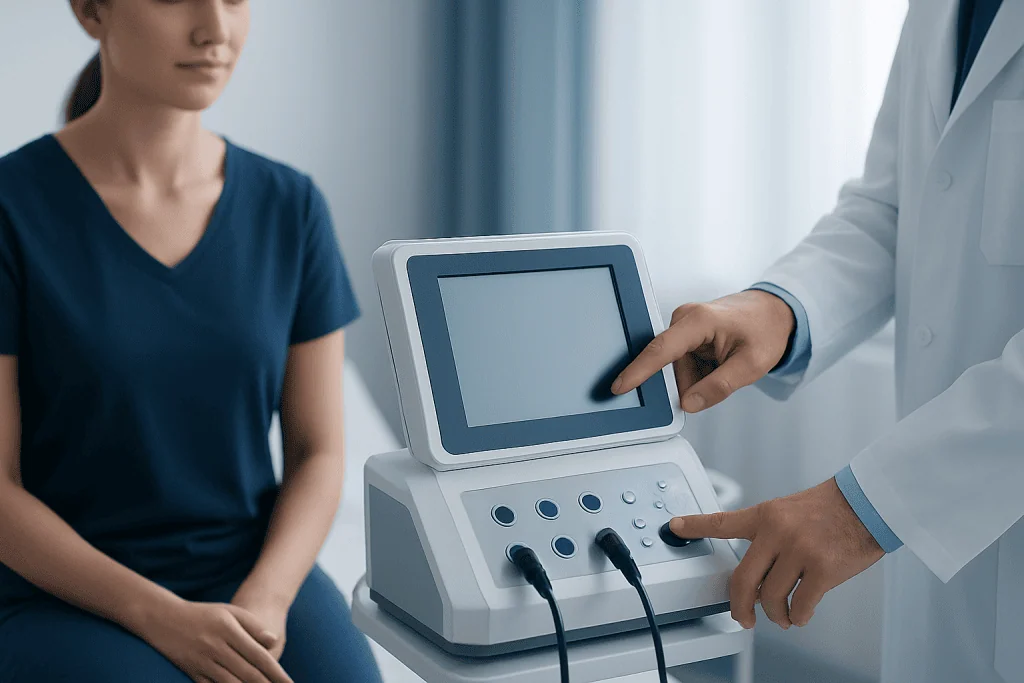
Electrical stimulation therapies aim to influence nerves, muscles, or the perception of pain by applying a controlled electrical current through the skin. With frequency specific microcurrent, the current is usually far below the sensory threshold, meaning the person may not feel tingling or muscle contraction. Treatment protocols commonly combine one frequency intended for a symptom with another intended for a tissue or body area.
Several biological explanations have been proposed, including changes in cellular signaling, blood flow, inflammation, or nerve activity. These theories are still being studied. Findings from laboratory research, small clinical studies, or reports from individual practices cannot by themselves show that a therapy reliably treats disease or repairs injured tissue in people.
Pain is influenced by many factors, including tissue injury, nervous system sensitivity, sleep, mood, activity, and overall health. A temporary improvement after any hands-on or device-based treatment may reflect natural recovery, changes in activity, expectation, relaxation, or other treatments being used at the same time. This is why carefully controlled clinical trials are needed to assess whether a specific therapy has a meaningful effect beyond these factors.
What Does the Evidence Show?

The evidence for frequency specific microcurrent remains limited and mixed. Some small studies and clinical reports have explored its use for musculoskeletal pain, delayed-onset muscle soreness, neuropathic symptoms, wound-related concerns, and other conditions. However, studies may involve few participants, different devices and frequency protocols, short follow-up periods, or comparison groups that do not fully account for placebo effects.
At present, there is not enough high-quality evidence to conclude that frequency specific microcurrent can reliably treat a broad range of conditions or replace standard medical care. In particular, claims that a selected frequency can specifically treat an organ, infection, scar tissue, inflammation, or a named disease should be approached carefully unless supported by robust clinical research and appropriate regulatory guidance.
This does not mean that every person will find it unhelpful. Some people may experience short-term symptom relief, especially when treatment is part of a wider plan that includes education, graded movement, sleep support, and rehabilitation. The potential benefit should be assessed realistically: improvement in pain, function, or daily activity matters more than a device setting or a theoretical explanation.
Patients considering FSM can ask the provider what condition is being treated, what evidence supports the proposed use, what alternatives are available, and how progress will be measured. A responsible plan includes a clear review point and does not continue indefinitely if symptoms and function are not improving.
Possible Uses and How It Compares With Other Therapies
Frequency specific microcurrent is most often discussed for pain, muscle discomfort, sports-related recovery, joint symptoms, and some nerve-related complaints. It may also be marketed for swelling, scars, headaches, or other health concerns. The appropriate approach depends on the underlying problem. For example, persistent back pain may need assessment for nerve compression, inflammatory disease, fracture risk, or other causes before any supportive modality is considered.
FSM is sometimes confused with TENS. TENS commonly produces noticeable tingling and is mainly used to modulate pain signals. Neuromuscular electrical stimulation uses stronger current to create muscle contractions, often in rehabilitation. Microcurrent devices use lower current, often without a noticeable sensation. These categories can overlap in practice, but a lower current or a more detailed frequency protocol does not automatically mean a treatment is more effective.
For many musculoskeletal conditions, approaches with a stronger evidence base include appropriate physical activity, physiotherapy-guided exercise, pacing, education, weight management where relevant, and treatment for the specific diagnosis. Depending on the condition, a clinician may also recommend medicines, injections, surgery, or specialist rehabilitation. Electrical therapies, if used, are generally best regarded as additions rather than the foundation of care.
A person with symptoms such as numbness, weakness, severe pain, repeated headaches, or ongoing joint swelling should not rely on a device to determine the cause. An individualized clinical assessment can identify whether a rehabilitation program or another treatment is more suitable.
What to Expect During a Session
Before treatment, a qualified provider should ask about symptoms, medical conditions, implanted devices, pregnancy, medications, allergies, and prior injuries or operations. The provider should also explain the intended goal of treatment, such as short-term pain relief or support for participation in rehabilitation. A good assessment includes questions about how symptoms affect walking, work, sleep, exercise, and daily activities.
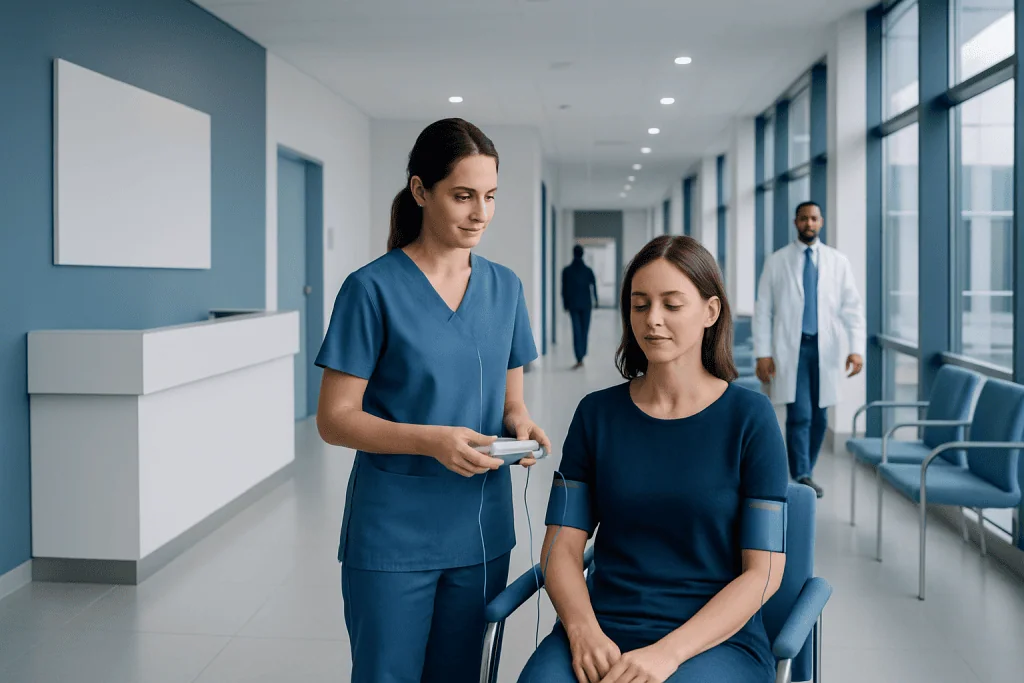
During a session, adhesive electrodes or handheld probes are placed on intact skin near the area of concern. The practitioner uses a device to deliver a low electrical current for a selected period. Most people do not feel the current, although mild tingling, warmth, or skin awareness can occur. The procedure should not be painful.
Afterward, the provider may recommend movement, stretching, strengthening, or other self-care measures based on the person’s diagnosis and goals. It is sensible to track outcomes such as pain level, mobility, sleep, medication use, and ability to carry out normal activities. If there is no meaningful benefit after a reasonable trial, continuing treatment may not be useful.
Patients should be cautious about programs that promise rapid healing, treatment of many unrelated illnesses, or guaranteed results. Medical care should remain focused on measurable goals, informed consent, and treatments appropriate for the person’s condition.
Safety, Side Effects, and Who Should Avoid It
When used appropriately on intact skin, low-level electrical stimulation is often well tolerated. Possible side effects include temporary skin redness, irritation from adhesive pads, discomfort, lightheadedness, or a temporary increase in symptoms. Electrodes should not be applied over broken, infected, irritated, or numb skin unless a qualified healthcare professional specifically advises otherwise.
People with a pacemaker, implantable cardioverter-defibrillator, neurostimulator, implanted medication pump, or another electronic medical device should consult the clinician managing that device before using any electrical stimulation therapy. Electrical current may interfere with some implants. Caution is also appropriate for people with heart rhythm problems, epilepsy, impaired sensation, poor circulation, cancer in the treatment area, or a history of unexplained fainting.
Pregnant individuals should seek advice from their obstetric clinician before using microcurrent devices, particularly over the abdomen, pelvis, or lower back. Electrical stimulation should generally not be applied across the chest, over the front of the neck, directly over the eyes, or over the head unless it is part of a medically supervised and specifically indicated treatment.
Home devices may not be equivalent to devices used in clinical settings, and instructions vary by product. Patients should follow manufacturer guidance, avoid changing settings beyond recommendations, and stop use if they develop pain, palpitations, dizziness, rash, worsening numbness, or other concerning symptoms.
When to Seek Medical Care
Medical assessment is important before trying frequency specific microcurrent for symptoms that are new, severe, persistent, or unexplained. This includes pain that lasts several weeks, pain following a significant injury, worsening nerve symptoms, recurrent symptoms that limit normal activities, or symptoms that have not responded to sensible self-care.
Urgent medical care is needed for chest pain, trouble breathing, sudden weakness or facial drooping, new difficulty speaking, loss of bladder or bowel control, numbness around the groin or inner thighs, severe headache with neurological symptoms, fever with severe pain, or a rapidly swollen and painful limb. These symptoms need prompt evaluation and should not be managed with an electrical therapy device.
A clinician can help identify the cause of symptoms and discuss whether microcurrent has a reasonable role within a broader plan. Acibadem International’s multidisciplinary specialists and JCI-accredited hospitals can assess and treat a range of pain, neurological, and rehabilitation needs for international patients. The safest approach is one that addresses the underlying condition while monitoring progress over time.
Frequently asked questions
Is frequency specific microcurrent proven to work?
Frequency specific microcurrent has limited and inconsistent clinical evidence. Some people report symptom improvement, but current research does not establish it as a proven treatment for most medical conditions. It should be used, if at all, as a complement to appropriately diagnosed and evidence-based care.
Is frequency specific microcurrent the same as TENS?
No. Both use electrical stimulation through the skin, but TENS usually uses a stronger current that creates a noticeable tingling sensation and is commonly intended for pain modulation. Frequency specific microcurrent generally uses much lower current and selected frequency protocols, often without a noticeable sensation.
Can frequency specific microcurrent heal injuries or reduce inflammation?
Claims that it heals tissues or reduces inflammation in a specific, reliable way are not supported by strong clinical evidence. Recovery from an injury depends on its type and severity, activity modification, rehabilitation, nutrition, sleep, and sometimes medical or surgical treatment. A clinician can advise which treatments are appropriate for a particular injury.
Is frequency specific microcurrent painful?
Most people feel little or no sensation because microcurrent is delivered at a low intensity. Mild tingling, warmth, or skin irritation can occasionally occur. Treatment should be stopped and reviewed if it causes pain, dizziness, palpitations, or worsening symptoms.
Who should not use frequency specific microcurrent?
People with implanted electronic devices, such as pacemakers or neurostimulators, should obtain medical advice before using it. Pregnant individuals and people with epilepsy, heart rhythm conditions, impaired skin sensation, or damaged skin in the treatment area should also speak with a qualified clinician first. It should not be used to manage emergency symptoms.
Can frequency specific microcurrent be used at home?
Some electrical stimulation devices are sold for home use, but products differ in their intended purpose, settings, and safety instructions. Home use should not replace professional evaluation of persistent or serious symptoms. It is best to discuss device choice and safe electrode placement with a healthcare professional, especially when other health conditions are present.
References
- National Center for Complementary and Integrative Health
- U.S. Food and Drug Administration
- National Institute for Health and Care Excellence
- American Physical Therapy Association
- World Health Organization
This article is for general information only and is not a substitute for professional medical advice. Please consult a qualified doctor about your individual situation.
Explore treatments in Turkey — costs, top hospitals & a free quote
JCI-accredited · board-certified surgeons · reply within 24h
Add us as a Preferred Source to see more of our trusted health content across Google Search, AI Overviews and Discover.

More from the Health Library

How many steps are in a mile? The Numbers, Explained by Clinicians
Debilitating: What Patients Need to Know
Wrist Brace: An Evidence-Based Guide for Patients

Olive Oil Cholesterol: An Evidence-Based Guide for Patients

Interferons: An Evidence-Based Guide for Patients