Full Body Radiation: How It Works, Results and What to Expect
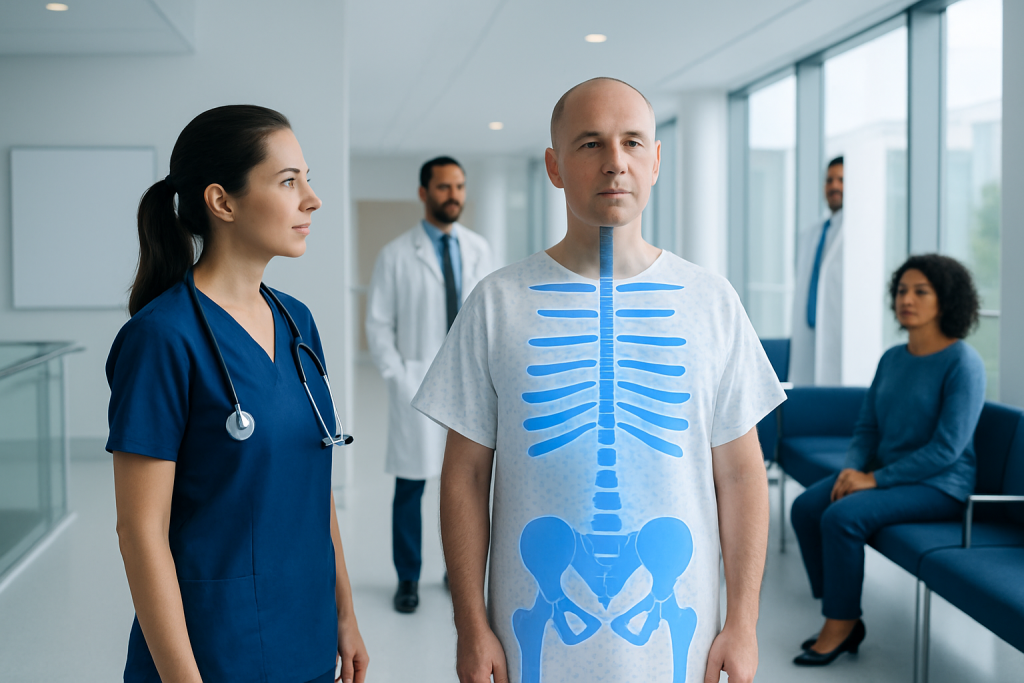
Full body radiation is most often used as part of conditioning before an allogeneic stem cell transplant. Its goals are to reduce remaining cancer cells, suppress the immune system enough to support donor-cell engraftment and create space in the bone marrow.
Key Takeaways
- Full body radiation is most often used as part of conditioning before an allogeneic stem cell transplant.
- Its goals are to reduce remaining cancer cells, suppress the immune system enough to support donor-cell engraftment and create space in the bone marrow.
- Treatment may be given in one session or divided into several smaller sessions over a few days.
- Fatigue, nausea, mouth soreness, skin changes and low blood counts can occur, with side effects varying by dose and other treatments.
- Close follow-up is essential because infection risk and some later effects require ongoing monitoring after transplant.
Full body radiation usually refers to total body irradiation (TBI), a specialised form of radiation therapy that delivers a controlled dose to the entire body, most often before a stem cell or bone marrow transplant. It is not a routine cancer treatment; the care team tailors it carefully to the person’s diagnosis, transplant plan and overall health.
Overview: What Is Full Body Radiation?
Full body radiation is commonly used to describe total body irradiation (TBI). Unlike standard external-beam radiation, which targets a tumour or a specific body area, TBI delivers carefully calculated radiation to the whole body. It is most often one part of “conditioning,” the treatment given before a donor stem cell transplant.
The main purposes are to destroy cancer cells that may remain in the body, reduce the immune system’s ability to reject donor stem cells and make room in the bone marrow for healthy new blood-forming cells. TBI may be used for selected blood cancers, including certain leukaemias and lymphomas, as well as some non-cancerous blood or immune disorders when a transplant is planned.
Full body radiation is highly individualised. The radiation oncologist works closely with haematology, transplant, medical physics, nursing and supportive-care teams to determine whether it is appropriate, how it should be delivered and how side effects can be reduced.
How Full Body Radiation Works and Who May Be a Candidate
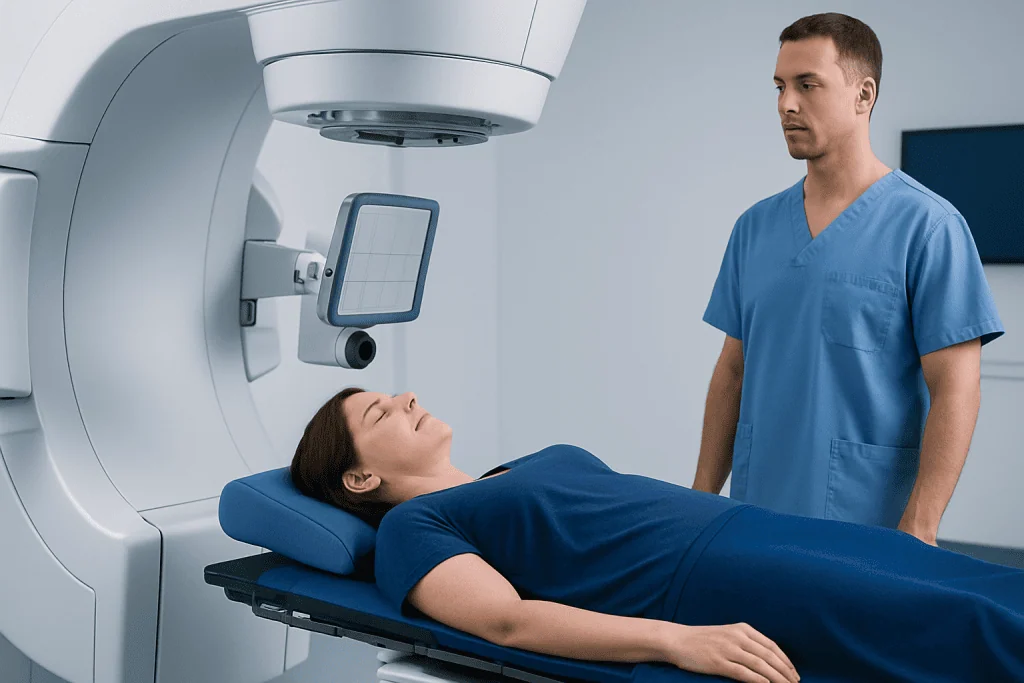
Radiation damages the DNA inside cells. Cancer cells and immune cells can be particularly vulnerable because they divide frequently or are needed to respond to donor cells. As part of transplant conditioning, TBI is often combined with chemotherapy medicines; together, these treatments prepare the body for the infusion of donor stem cells.
A person may be considered for TBI when their disease type, disease status, donor source and transplant protocol support its use. The team also considers age, prior treatments, heart and lung function, kidney and liver health, previous radiation exposure, fertility goals and the person’s ability to tolerate intensive treatment.
Not every transplant requires full body radiation. Some conditioning regimens use chemotherapy alone, while others use lower-intensity approaches for people who may not tolerate a more intensive regimen. The choice is made by the transplant team after an individual discussion of expected benefits and possible harms.
- Blood tests, imaging and disease assessment help define the transplant plan.
- Heart, lung and organ-function testing helps identify safety considerations.
- Fertility preservation may be discussed before conditioning begins, when feasible.
- Dental, nutrition and infection assessments can help prepare for treatment and recovery.
Step by Step: What Happens During the Procedure?
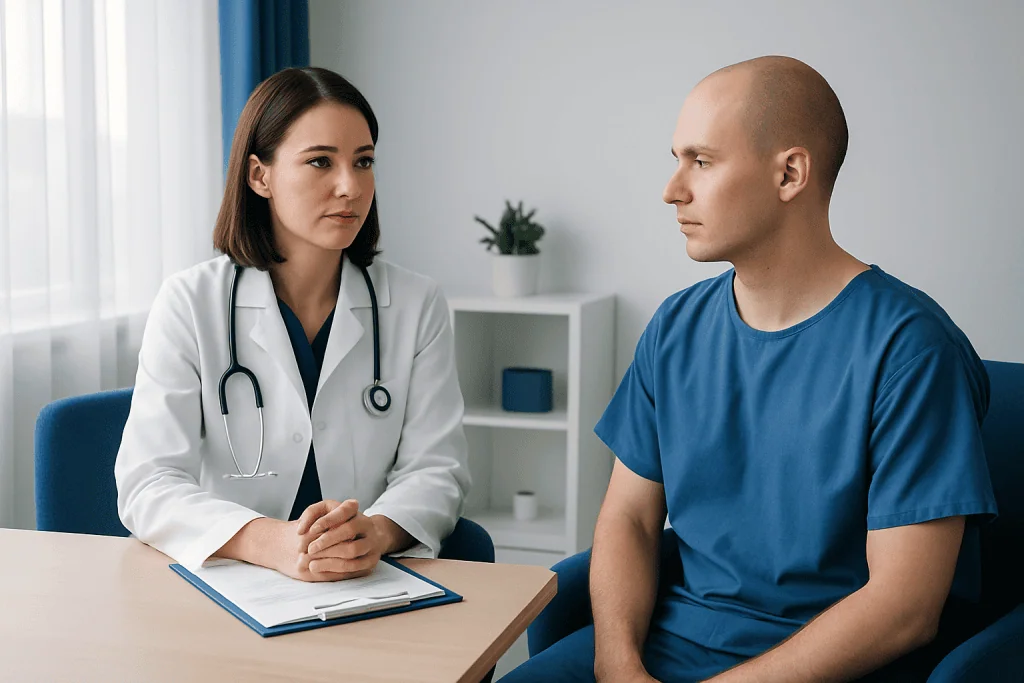
Before treatment, the radiation oncology team performs a planning appointment. This may include measurements, positioning assessments and imaging. Medical physicists calculate how to deliver the prescribed dose as evenly as possible while considering areas that may need extra protection, such as the lungs, kidneys, eyes or other organs in selected situations.
On treatment days, the person changes into appropriate clothing and is positioned standing, sitting or lying down, depending on the centre’s equipment and the planned technique. The radiation machine does not touch the body. The patient must remain still for short periods, but the treatment team can see and hear them throughout the session.
TBI may be given as a single treatment or in several fractions, commonly over one to several days. Fractionated treatment spreads the total dose into smaller sessions and may help limit injury to normal tissues. The actual radiation delivery is usually brief, but each visit can take longer because of positioning, safety checks and setup.
After TBI is complete, the transplant process generally continues according to schedule. Donor stem cells are typically given through an intravenous line, much like a blood transfusion. The intensive monitoring that follows is primarily related to the combined conditioning and transplant process rather than radiation alone.
How Long Does Full Body Radiation Take?
The length of full body radiation depends on the prescribed regimen and the treatment centre’s technique. A single appointment may involve a relatively short period of radiation delivery, but preparation, positioning and verification mean that patients should expect to spend longer in the department.
Some people receive one treatment, while others receive multiple sessions over two to four days. When radiation is divided into fractions, there may be more than one session on a treatment day. The transplant team provides an exact timetable, including when chemotherapy, TBI and stem cell infusion will occur.
Planning also takes time before the first session. This is an important safety step, not a delay: the team uses it to check dose distribution, confirm positioning and prepare any shielding or supportive measures needed for the individual treatment plan.
Benefits, Risks and Recovery Timeline
The potential benefit of TBI is that it treats the body systemically rather than only one visible disease site. In appropriate transplant protocols, it can contribute to disease control and help donor stem cells establish themselves in the bone marrow. Its role should always be understood in the context of the full conditioning regimen, transplant type and underlying disease.
Short-term effects can include tiredness, nausea, vomiting, diarrhoea, appetite changes, temporary skin redness or dryness, hair loss and inflammation of the mouth or throat. Low blood counts, infection risk and weakness are common around transplant, but these can result from both radiation and chemotherapy. Supportive medicines, nutrition advice, transfusions and infection-prevention measures are used as needed.
Recovery is gradual. In the first days to weeks, patients may feel increasingly fatigued and may develop mouth or digestive symptoms as conditioning effects peak. Blood counts can remain low until transplanted stem cells begin producing new cells, a process called engraftment. The exact timing varies considerably, and patients are monitored closely in hospital or through a structured outpatient transplant programme.
Possible later effects depend on age, total dose, prior treatment and other individual factors. They can include cataracts, thyroid or hormonal changes, infertility, effects on growth and development in children, lung changes and a small risk of later cancers. Long-term follow-up helps identify and manage these concerns early.
What Are the Hardest Days After Radiation Treatment?
There is no single hardest day for everyone. For people receiving TBI before transplant, symptoms often build over several days because the effects of radiation overlap with chemotherapy and the period of very low blood counts. Fatigue, nausea, bowel changes, mouth soreness and reduced appetite may become more noticeable during the first one to two weeks of the transplant course.
The period before blood counts recover can also be physically and emotionally demanding. People may need treatment for infection, dehydration, pain, nausea or nutritional difficulties. The transplant team monitors temperature, blood tests, fluids, medicines and symptoms closely so that concerns can be addressed promptly.
It can help to focus on manageable daily goals: taking prescribed medicines, sipping fluids as advised, reporting symptoms early, using mouth-care measures recommended by the team and accepting support from family or caregivers. Recovery does not always progress in a straight line, and the care team can explain what is expected for the specific regimen.
What I Wish I Knew Before Radiation?
Many patients find it helpful to know that full body radiation is not usually a stand-alone procedure. It is part of a larger transplant pathway, and side effects may reflect the combined effects of TBI, chemotherapy, low blood counts and the transplant itself. Asking which effects are most likely from each part of treatment can make the experience easier to understand.
Practical preparation matters. Patients may wish to arrange help with travel, communication, finances and family responsibilities, depending on local policies and whether treatment requires admission. It is also useful to ask about nutrition, oral care, infection precautions, fertility preservation, vaccinations after transplant and the expected length of close follow-up.
Patients should tell the team about all medicines, supplements, allergies and previous cancer treatments. They should also discuss worries about anxiety, sleep, body image or emotional strain. Psychological and supportive-care services are an important part of comprehensive cancer and transplant care.
Which Is Hardest on Your Body, Chemo or Radiation?
It is not possible to say that chemotherapy or radiation is always harder on the body. Their effects differ according to the medicines or radiation area used, dose, schedule, a person’s health and whether they are combined. During transplant conditioning, both may be intensive, and their effects can overlap.
Chemotherapy circulates through the bloodstream and can affect rapidly dividing cells throughout the body, contributing to low blood counts, nausea, hair loss and organ-specific effects depending on the medicine. Radiation mainly affects the tissues within the treatment field; with TBI, the field is the whole body, although the total plan is designed to balance treatment goals with normal-tissue protection.
Rather than comparing them, it is more useful to ask the care team which symptoms are most likely with the recommended regimen and what support will be available. Individual symptom management can make a meaningful difference throughout treatment and recovery.
When to Seek Medical Care
People receiving TBI and transplant conditioning should follow the transplant team’s instructions for urgent contact. A fever, chills, shortness of breath, chest pain, confusion, uncontrolled vomiting, severe diarrhoea, inability to drink enough fluids, new bleeding, a widespread rash or rapidly worsening weakness should be reported immediately. During periods of low blood counts, infection can become serious quickly even when symptoms initially seem mild.
Patients should not wait for a scheduled visit if they feel unwell or notice a significant new symptom. The care team can advise whether same-day assessment, emergency care or home measures are appropriate. It is particularly important not to take over-the-counter medicines, herbal remedies or supplements without checking first, as these may interact with treatment or mask important symptoms.
Acibadem International’s multidisciplinary specialists and JCI-accredited hospitals provide assessment and treatment planning for international patients requiring complex cancer and transplant-related care.
Frequently asked questions
Is full body radiation the same as total body irradiation?
Yes. In clinical practice, full body radiation usually means total body irradiation, often shortened to TBI. It is a specialised treatment that exposes the whole body to a planned dose of radiation, most commonly before a stem cell transplant.
Is full body radiation painful?
The radiation delivery itself is not painful and is not felt while it is being given. However, side effects such as fatigue, nausea, mouth soreness or skin irritation may develop later, depending on the treatment plan and accompanying chemotherapy.
Can someone go home after total body irradiation?
This depends on the transplant programme, treatment schedule and overall condition. Some patients receive parts of conditioning as outpatients, while others are admitted to hospital because close monitoring and supportive treatment are needed.
Does full body radiation cause hair loss?
Hair loss can occur after total body irradiation, particularly when it is combined with high-dose chemotherapy. In some people it is temporary, but the likelihood and degree of regrowth depend on the total treatment exposure and should be discussed with the care team.
Can full body radiation affect fertility?
Yes. Total body irradiation can affect the ovaries or testes and may cause temporary or permanent infertility. Fertility preservation should be discussed with the transplant team before conditioning begins whenever time and medical circumstances allow.
Why are the lungs sometimes protected during TBI?
The lungs can be sensitive to radiation, especially when TBI is combined with certain chemotherapy medicines. In some treatment plans, the team uses shielding or dose-adjustment techniques to reduce lung exposure while still meeting the goals of conditioning.
References
- National Cancer Institute
- American Cancer Society
- European Society for Blood and Marrow Transplantation
- American Society for Radiation Oncology
- World Health Organization
This article is for general information only and is not a substitute for professional medical advice. Please consult a qualified doctor about your individual situation.
Oncology care in Turkey — second opinion and treatment plan
JCI-accredited · board-certified surgeons · reply within 24h
Add us as a Preferred Source to see more of our trusted health content across Google Search, AI Overviews and Discover.