Functional Dyspepsia: How Neurogastroenterology Evaluates Ongoing Upper Abdominal Symptoms

Functional dyspepsia causes ongoing indigestion-like symptoms without an ulcer, cancer, or other clear structural disease explaining them. Common symptoms include upper abdominal pain or burning, feeling full quickly, bothersome fullness after meals, bloating, and nausea.
Key Takeaways
- Functional dyspepsia causes ongoing indigestion-like symptoms without an ulcer, cancer, or other clear structural disease explaining them.
- Common symptoms include upper abdominal pain or burning, feeling full quickly, bothersome fullness after meals, bloating, and nausea.
- Diagnosis usually involves a careful medical history, physical examination, and tests to rule out other causes of upper digestive symptoms.
- Treatment may combine diet and lifestyle changes, stress management, and medicines chosen according to the main symptom pattern.
- Neurogastroenterology focuses on stomach movement, nerve signaling, and gut-brain interaction when symptoms are long-lasting or difficult to control.
Functional dyspepsia is a common disorder that causes recurring upper abdominal discomfort, early fullness, bloating, or burning without an obvious structural problem on routine testing. Neurogastroenterology helps evaluate how the stomach and gut-brain connection are functioning, especially when symptoms persist or return.
Overview
Functional dyspepsia is a long-term digestive condition that affects the upper part of the abdomen. It is often described as indigestion that keeps coming back, even though standard tests do not show a visible cause such as an ulcer or another structural disease. The symptoms are real and can interfere with eating, sleep, daily routines, and quality of life.
The term “functional” means that the digestive tract may not be working normally, even when it looks normal on imaging or endoscopy. In functional dyspepsia, problems may involve stomach movement, stomach sensitivity, delayed emptying, or changes in how the brain and gut communicate. This is why the condition is often evaluated within neurogastroenterology, a field that studies the nervous system’s role in digestive symptoms.
Doctors commonly divide functional dyspepsia into two symptom patterns. One is postprandial distress syndrome, which centers on bothersome fullness after meals and feeling full too quickly. The other is epigastric pain syndrome, which mainly causes pain or burning in the upper middle abdomen. Some people have features of both patterns.
Symptoms
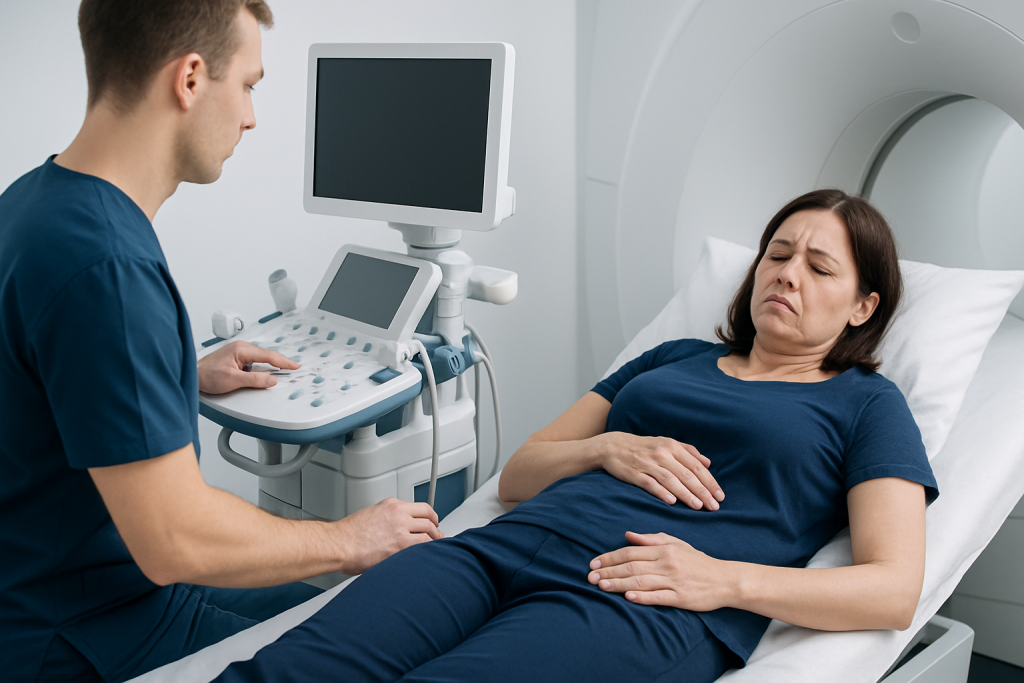
The symptoms of functional dyspepsia usually come from the upper digestive tract. They may vary from person to person and can change over time. Some people notice discomfort mainly after eating, while others have symptoms between meals as well.
Common symptoms include:
- Upper abdominal pain or discomfort
- Burning in the upper abdomen
- Feeling full after eating a small amount
- Unpleasant fullness that lasts after meals
- Bloating in the upper abdomen
- Nausea
- Frequent belching
Functional dyspepsia is different from simple occasional overeating or mild short-term indigestion. Symptoms are more persistent or recurrent and may continue for months. Some people also have overlapping digestive conditions, such as irritable bowel syndrome, which can add lower abdominal pain, constipation, or diarrhea to the picture.
Although heartburn can occur, frequent acid reflux may suggest another condition such as gastroesophageal reflux disease or a combination of disorders. Because several upper digestive conditions can feel similar, a careful evaluation is important before settling on a diagnosis.
Causes and Risk Factors

There is no single cause of functional dyspepsia. Instead, it is thought to develop through a combination of biological and lifestyle factors. In many people, the stomach becomes unusually sensitive to stretching after meals, or the stomach may not relax and empty in the usual way. Changes in nerve signaling between the digestive system and the brain can also amplify discomfort.
Several factors may contribute to symptoms:
- Abnormal stomach motility or delayed stomach emptying
- Heightened sensitivity to normal digestive activity
- Changes in gut-brain interaction
- Stress, anxiety, or poor sleep that worsen symptom perception
- A previous stomach or intestinal infection
- Infection with Helicobacter pylori in some patients
- Smoking, heavy alcohol use, or frequent use of anti-inflammatory pain medicines
Certain foods may trigger symptoms, but triggers differ between individuals. Large meals, fatty foods, spicy dishes, coffee, carbonated drinks, and eating very quickly are common examples. Even when food seems to play a role, this does not mean the symptoms are “just dietary” or imagined.
Functional dyspepsia can occur at any age and is common in otherwise healthy adults. Symptoms may flare during stressful periods and then settle again. Recognizing this pattern can help guide both treatment and self-care.
How Neurogastroenterology Evaluates Functional Dyspepsia
Neurogastroenterology looks at how the digestive tract functions, not only how it appears on a scan or scope. In persistent upper abdominal symptoms, specialists review when symptoms occur, whether they are related to meals, what makes them worse, and whether there are signs of another disorder. This symptom-based approach is essential because functional dyspepsia is diagnosed after other important causes have been considered and excluded when appropriate.
The assessment usually begins with a medical history and physical examination. A doctor asks about pain, fullness, bloating, nausea, weight changes, appetite, bowel habits, medicines, stress, sleep, and family history. The goal is to identify whether symptoms fit functional dyspepsia or point toward conditions such as peptic ulcer disease, gallbladder problems, celiac disease, reflux disease, or, less commonly, a more serious illness.
Routine tests may include blood work, testing for Helicobacter pylori, and sometimes upper endoscopy. Endoscopy is more likely if a person has alarm features such as vomiting that does not stop, unexplained weight loss, trouble swallowing, bleeding, anemia, or symptoms that start later in life. In selected cases, doctors may also consider imaging, gastric emptying tests, or other specialized studies when stomach motility problems are suspected. In some patients, endoscopy helps rule out ulcers, inflammation, or other structural causes of symptoms.
Once major structural disease has been excluded, treatment can be tailored to the symptom pattern. This is one reason a neurogastroenterology-based evaluation can be helpful: it connects symptoms to stomach function, sensitivity, and gut-brain signaling rather than relying only on visible findings.
Diagnosis
Doctors diagnose functional dyspepsia based on characteristic symptoms and the absence of another clear explanation. International symptom criteria are often used in specialist practice, but in day-to-day care the diagnosis depends on a practical combination of history, examination, and appropriate testing. The symptoms usually need to be present over time rather than for only a few days.
Functional dyspepsia may be considered when a person has one or more of the following: bothersome fullness after meals, feeling full early, upper abdominal pain, or upper abdominal burning. These symptoms should not be fully explained by an ulcer, cancer, major inflammation, or another structural problem found on evaluation.
Some patients need testing mainly for reassurance and to safely rule out other conditions. For example, a doctor may look for Helicobacter pylori because treating this infection can improve symptoms in certain people. If symptoms overlap with gastritis or reflux, the diagnostic plan may be adjusted to sort out which problem is most important.
It is important to remember that a diagnosis of functional dyspepsia does not mean “nothing is wrong.” It means the symptoms are linked to altered digestive function and sensitivity rather than to a visible injury or blockage. This can still require treatment and follow-up.
Treatment Options
Treatment for functional dyspepsia is individualized because symptom patterns differ. The main goals are to reduce discomfort, improve meal tolerance, and help a person return to normal daily activities. Many people improve with a combination of small lifestyle changes and targeted medication rather than one single treatment.
A doctor may recommend trying smaller, more frequent meals, reducing rich or trigger foods, avoiding late-night eating, and reviewing medicines that may irritate the stomach. If Helicobacter pylori is found, treatment for that infection may help. Acid-lowering medicines can be useful, especially when upper abdominal burning is a major symptom. When early fullness, nausea, or post-meal discomfort are more prominent, medicines that support stomach emptying or modulate gut sensitivity may be considered under medical supervision.
Because the gut and nervous system are closely connected, stress reduction can also be part of care. Relaxation techniques, sleep improvement, regular physical activity, and psychological therapies may benefit some patients, particularly when symptoms flare during stressful periods. In selected situations, specialists may discuss therapies used in gastroenterology or more advanced evaluation in neurology-linked gut-brain care when symptoms are complex.
If symptoms persist despite first-line treatment, follow-up is important. A specialist may reassess the diagnosis, check whether another condition is overlapping, or consider a broader management plan. Near the end of a patient’s care journey, some may seek multidisciplinary assessment at centers such as Acibadem International, where specialists in digestive disorders and JCI-accredited hospitals evaluate and treat international patients.
Prevention and Self-care
Functional dyspepsia cannot always be prevented, but day-to-day habits often make symptoms more manageable. Keeping a simple symptom and food diary can help identify patterns, such as discomfort after large meals or worse symptoms during stressful weeks. This information can be useful during medical visits.
Helpful self-care steps may include:
- Eating smaller meals more slowly
- Avoiding foods or drinks that clearly trigger symptoms
- Limiting alcohol and stopping smoking
- Not lying down immediately after eating
- Getting regular sleep and physical activity
- Managing stress through relaxation, breathing exercises, or counseling if needed
People should avoid self-medicating for long periods without guidance, especially with pain relievers such as nonsteroidal anti-inflammatory drugs, which can irritate the stomach. Overuse of over-the-counter products may also mask symptoms that need proper evaluation.
Self-care is most effective when it is realistic and consistent. Even modest changes, maintained over time, can reduce symptom frequency and help a person feel more in control of the condition.
When to See a Doctor
Anyone with ongoing or recurring upper abdominal discomfort should consider a medical assessment, especially if symptoms affect eating, work, sleep, or daily life. It is also sensible to seek care if indigestion symptoms are new, becoming more frequent, or not improving with simple measures.
Prompt medical attention is important if warning signs are present. These can include unintentional weight loss, repeated vomiting, trouble swallowing, black stools, vomiting blood, anemia, chest pain, or severe persistent pain. Although these symptoms may have many causes, they should not be ignored.
A doctor can help confirm whether symptoms are due to functional dyspepsia or another problem and recommend the most appropriate next steps. Some patients benefit from referral for a broader digestive health check-up when symptoms are persistent, mixed, or difficult to explain.
With a proper diagnosis and a stepwise treatment plan, many people are able to manage functional dyspepsia successfully. Ongoing communication with a qualified clinician is the safest way to adjust treatment and monitor changes over time.
Frequently asked questions
Is functional dyspepsia the same as gastritis?
No. Gastritis means inflammation of the stomach lining, while functional dyspepsia refers to upper digestive symptoms without a clear structural cause found on routine evaluation. The two can feel similar, so a doctor may need to distinguish between them.
Can functional dyspepsia be seen on endoscopy?
Usually, no. Endoscopy is often normal in functional dyspepsia, which is one reason it is called a functional disorder. The test is mainly used to rule out ulcers, inflammation, bleeding, or other structural problems.
Does stress cause functional dyspepsia?
Stress is not the only cause, but it can worsen symptoms and make the digestive system more sensitive. Many people notice flares during stressful times, poor sleep, or anxiety. Managing stress can be a useful part of treatment.
What foods should be avoided with functional dyspepsia?
There is no single diet that works for everyone. Common triggers include large meals, fatty foods, spicy foods, caffeine, fizzy drinks, and alcohol. A symptom diary can help identify personal triggers more accurately.
Can functional dyspepsia go away?
For some people, symptoms improve for long periods or resolve, while for others they come and go over time. Treatment often focuses on symptom control and reducing flare-ups. Regular follow-up can help if the pattern changes.
When is testing necessary for indigestion symptoms?
Testing is often considered when symptoms are persistent, recurrent, or associated with warning signs such as weight loss, bleeding, vomiting, or trouble swallowing. Age, medical history, and symptom pattern also influence the decision. A doctor can decide which tests are appropriate.
References
- National Institute of Diabetes and Digestive and Kidney Diseases
- American College of Gastroenterology
- Rome Foundation
- National Health Service
- World Gastroenterology Organisation
This article is for general information only and is not a substitute for professional medical advice. Please consult a qualified doctor about your individual situation.
Neurogastroenterology in Turkey — costs, top hospitals & a free quote
JCI-accredited · board-certified surgeons · reply within 24h
Add us as a Preferred Source to see more of our trusted health content across Google Search, AI Overviews and Discover.

Gastroenterology
Diagnosis and treatment of the digestive system and liver, with advanced endoscopy.
46 specialists in this unitMore from the Health Library



Related Specialists

Asst. Prof. Dr. Hilal Kurtoğlu Gümüşel
Cardiology
Assoc. Prof. Dr. Aylin Altan Kuş
Gastrointestinal Oncology Unit Clinical Service
Dr. Mustafa Serkan Vurucu
Emergency Service
Dr. Mahmut Ercüment Cengiz
Gynecology & Obstetrics