Functional Neurological Symptoms: When Neuropsychiatry May Help

Functional neurological symptoms are genuine symptoms, not imagined or deliberately produced. They may affect movement, speech, sensation, balance, or episodes that resemble seizures.
Key Takeaways
- Functional neurological symptoms are genuine symptoms, not imagined or deliberately produced.
- They may affect movement, speech, sensation, balance, or episodes that resemble seizures.
- Diagnosis is based on positive clinical signs and careful assessment, not simply on normal test results.
- Treatment often combines education, neuropsychiatry, physical rehabilitation, and psychological support.
- Many people improve when the condition is recognized early and managed with a coordinated care plan.
Functional neurological symptoms are real and distressing symptoms that affect how the brain and body work together, even when standard scans do not show structural damage. Neuropsychiatry can help explain these symptoms and guide treatment that supports both brain health and emotional wellbeing.
Overview
Functional neurological symptoms are problems with movement, sensation, speech, balance, or awareness that arise from changes in how the nervous system functions rather than from visible structural injury such as a stroke, tumor, or multiple sclerosis lesion. This condition is often described as functional neurological disorder, or FND. The symptoms are real, can be disabling, and deserve the same careful medical attention as any other neurological complaint.
In simple terms, the brain may have difficulty sending, receiving, or coordinating signals correctly, even though routine scans may appear normal. That is why a person can experience weakness, tremor, numbness, non-epileptic seizure-like episodes, or trouble walking without clear evidence of tissue damage on imaging. This can be confusing and frustrating for patients and families, but it does not mean the symptoms are “all in the mind.”
Neuropsychiatry can be especially helpful because it focuses on the connection between brain function, behavior, emotions, and physical symptoms. A neuropsychiatric approach helps clinicians understand how stress, previous illness, injury, fatigue, pain, attention, and the nervous system can interact. This often leads to a clearer explanation and a more practical treatment plan.
Symptoms
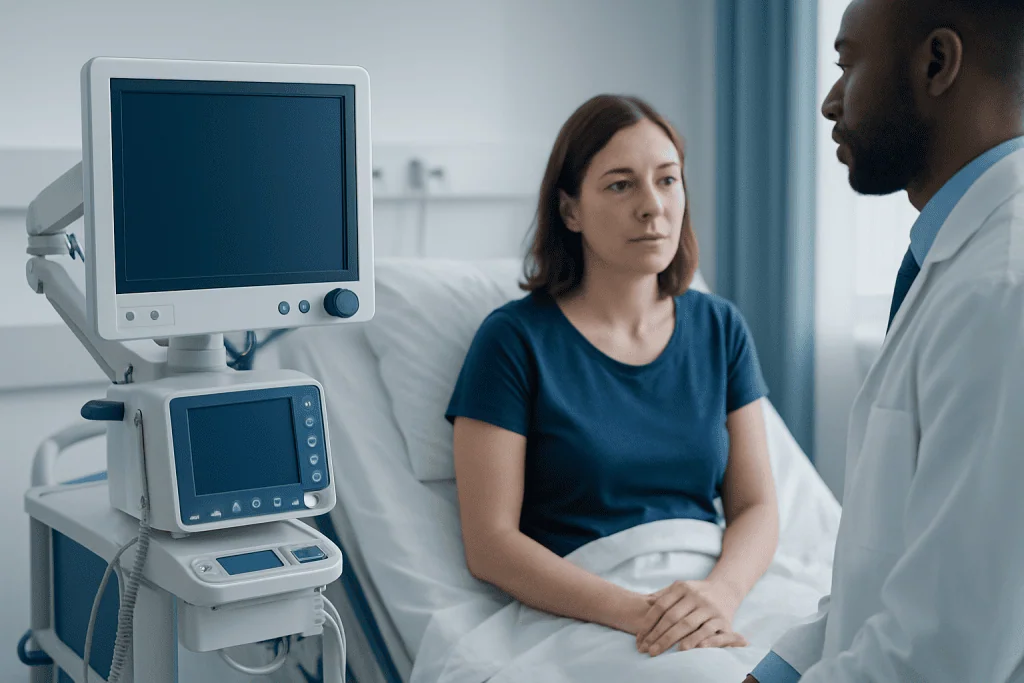
Functional neurological symptoms can vary widely from one person to another. Some people develop sudden weakness in an arm or leg, difficulty speaking, facial movements, tremor, jerking, or problems with walking and balance. Others may have numbness, tingling, visual symptoms, dizziness, or episodes of unresponsiveness that resemble epileptic seizures but have a different cause.
The symptoms may come and go, change over time, or worsen with stress, fatigue, pain, overstimulation, or illness. In some people, symptoms begin after an injury, infection, medical procedure, migraine, panic attack, or emotionally difficult event. In others, no clear trigger is identified. The pattern can be unpredictable, which often adds to anxiety and affects work, school, or daily life.
Common functional neurological symptoms may include:
- Weakness or heaviness in a limb
- Tremor, spasms, or unusual movements
- Walking difficulties or sudden falls
- Numbness or altered sensation
- Speech problems, stuttering, or voice changes
- Non-epileptic seizure-like episodes
- Problems with concentration, memory, or mental fatigue
- Dizziness, visual blurring, or feeling disconnected
Some people also have other conditions at the same time, such as migraine, chronic pain, anxiety, depression, or sleep problems. These do not make the symptoms less real. Instead, they may be part of the overall picture and can affect recovery if they are not recognized and treated.
Causes and Risk Factors

There is usually not one single cause of functional neurological symptoms. Most specialists understand them as the result of several interacting factors that affect brain functioning. These may include physical stress on the body, emotional stress, earlier trauma, pain, poor sleep, fatigue, a recent infection, or a neurological event that changes how attention and movement are processed.
Research suggests that the brain networks involved in attention, movement control, emotion, and body awareness may become disrupted. A person may, for example, experience automatic movements less efficiently or become highly focused on symptoms in a way that unintentionally reinforces them. This does not happen consciously, and it is not a sign of weakness or lack of effort.
Risk factors can include a history of anxiety, depression, trauma, chronic medical symptoms, or a recent period of major stress. However, functional neurological symptoms can also occur in people without any clear psychiatric history. Because of this, clinicians try to avoid oversimplified explanations and instead look at the whole person, including medical, psychological, and social factors.
Functional symptoms may also overlap with or resemble other neurological disorders. For that reason, doctors may assess for conditions such as epilepsy, movement disorders, or migraine when symptoms suggest them. A careful evaluation helps identify whether symptoms are functional, due to another disorder, or related to more than one condition at the same time.
How Diagnosis Is Made
Diagnosis begins with a detailed medical history and neurological examination. The goal is not only to rule out other conditions, but also to identify positive clinical signs that support a diagnosis of functional neurological disorder. For example, a person with functional limb weakness may show a pattern that changes with distraction or a sign on examination indicating that normal strength can still be generated automatically.
Doctors may order tests such as blood work, brain imaging, electroencephalography, or other studies when needed. These tests are useful when symptoms could be explained by structural, inflammatory, metabolic, or epileptic causes. However, functional neurological symptoms are not diagnosed simply because tests are normal. The diagnosis is strongest when the clinical pattern clearly fits FND.
In many cases, evaluation by both neurology and neuropsychiatry is valuable. Neuropsychiatry can help explore how mood, stress, trauma, coping style, attention, and physical symptoms interact without assuming that symptoms are voluntary. If episodes resemble seizures, clinicians may consider electroencephalography to better understand what is happening during events.
A clear explanation of the diagnosis is an important part of care. Many patients feel more hopeful when a doctor explains that the nervous system is malfunctioning rather than permanently damaged. Understanding the diagnosis can reduce fear, support engagement with treatment, and improve outcomes over time.
Treatment Options
Treatment is tailored to the person’s symptoms and needs. Education is often the first step. When patients understand that functional neurological symptoms are real and potentially reversible, they may feel less blame, fear, and uncertainty. Good treatment aims to retrain the nervous system, improve daily function, and reduce factors that trigger or maintain symptoms.
Neuropsychiatry often plays a central role, especially when symptoms are linked with anxiety, low mood, trauma, dissociation, or significant stress. Psychological therapies such as cognitive behavioral approaches, trauma-informed therapy, or symptom-focused therapy may help some people. These treatments do not imply that symptoms are imagined; instead, they address the brain-body processes that influence symptom patterns.
Rehabilitation is also important. Physical therapy can help with walking problems, weakness, balance difficulties, and movement symptoms by encouraging more automatic and efficient movement patterns. Speech and language therapy may be useful when speech or voice is affected. Depending on the presentation, doctors may also use physical therapy and rehabilitation or psychiatric care as part of a coordinated plan.
Medicines do not directly cure FND, but they may help treat related problems such as pain, migraine, depression, anxiety, or sleep disturbance. If there is uncertainty about seizures or other neurological conditions, a neurologist may advise further testing or targeted care. In selected cases, especially when diagnostic clarification is needed for seizure-like episodes, neurology assessment can help guide the next steps.
Self-care and Recovery
Recovery is often gradual rather than immediate. Many people improve with a structured plan, regular follow-up, and a supportive explanation of the diagnosis. Progress may involve fewer episodes, better mobility, improved confidence, and better ability to manage triggers rather than complete symptom disappearance at once.
Helpful self-care strategies include maintaining regular sleep, pacing activities to avoid boom-and-bust cycles, staying as physically active as symptoms safely allow, and reducing unnecessary avoidance of movement. Relaxation techniques, breathing exercises, and attention-training strategies may also be useful. Keeping a simple record of triggers such as fatigue, pain, conflict, or overstimulation can help patients and clinicians adjust treatment.
Families can support recovery by recognizing that the symptoms are genuine, encouraging independence where possible, and avoiding excessive focus on every symptom fluctuation. Reassurance works best when it is combined with practical rehabilitation and emotional support. A stable daily routine and clear communication can be especially helpful.
For international patients seeking coordinated assessment, Acibadem International’s multidisciplinary specialists and JCI-accredited hospitals diagnose and treat functional neurological conditions using neurology, neuropsychiatry, and rehabilitation expertise. The right care plan depends on the individual pattern of symptoms and any related conditions.
When to See a Doctor
Any new neurological symptom should be assessed by a qualified doctor, especially if it begins suddenly or interferes with movement, speech, awareness, or daily activities. It is important not to assume symptoms are functional without a proper evaluation. Conditions such as stroke, seizures, infections, and inflammatory or metabolic disorders may need urgent treatment.
Urgent medical attention is especially important for sudden one-sided weakness, severe confusion, new loss of consciousness, chest pain, severe headache unlike usual headaches, or symptoms after a major injury. Even when a person has already been diagnosed with FND, new or clearly different symptoms should still be reviewed.
People should also seek follow-up care if symptoms persist, worsen, or begin to affect work, school, driving, sleep, relationships, or emotional wellbeing. Early recognition can make treatment more effective and may prevent unnecessary tests or prolonged uncertainty. A doctor can help decide whether neurology, neuropsychiatry, rehabilitation, or psychological support is most appropriate.
Frequently asked questions
Are functional neurological symptoms real?
Yes. Functional neurological symptoms are real and can significantly affect daily life. They reflect a problem in how the brain and nervous system function, even when routine scans do not show structural damage.
Is functional neurological disorder the same as pretending or faking symptoms?
No. In functional neurological disorder, symptoms are not intentionally produced. People are not choosing the symptoms, and the condition should be approached with the same respect and seriousness as other medical disorders.
Can stress cause functional neurological symptoms?
Stress can be one contributing factor, but it is usually not the only one. Physical illness, pain, fatigue, prior trauma, migraine, and changes in brain-body signaling may also play a role.
Do normal MRI or EEG results mean nothing is wrong?
No. Normal tests do not mean a person is healthy or imagining symptoms. Functional neurological symptoms can be present even when standard investigations are normal, and diagnosis is based on specific clinical features as well as testing when needed.
What type of doctor treats functional neurological symptoms?
Care often involves more than one specialist. A neurologist may help confirm the diagnosis, while a neuropsychiatrist, psychologist, physical therapist, or speech therapist may contribute to treatment depending on the symptoms.
Can people recover from functional neurological symptoms?
Many people do improve, especially when the diagnosis is explained clearly and treatment begins early. Recovery may be gradual and often focuses on improved function, fewer episodes, and better symptom control over time.
References
- National Institute of Neurological Disorders and Stroke
- National Health Service
- American Psychiatric Association
- Functional Neurological Disorder Society
- World Health Organization
This article is for general information only and is not a substitute for professional medical advice. Please consult a qualified doctor about your individual situation.
Neuropsychiatry in Turkey — costs, top hospitals & a free quote
JCI-accredited · board-certified surgeons · reply within 24h
Add us as a Preferred Source to see more of our trusted health content across Google Search, AI Overviews and Discover.