Furuncle on Inner Thigh: A Complete Medical Overview

A furuncle on inner thigh is usually a deep infection of a hair follicle, most often caused by bacteria such as Staphylococcus aureus. Friction, sweating, shaving, and ingrown hairs can make the inner thigh a common place for boils to develop.
Key Takeaways
- A furuncle on inner thigh is usually a deep infection of a hair follicle, most often caused by bacteria such as Staphylococcus aureus.
- Friction, sweating, shaving, and ingrown hairs can make the inner thigh a common place for boils to develop.
- Warm compresses may help small boils drain naturally, but squeezing or cutting them at home can worsen infection.
- Medical care is important if the boil is large, spreading, recurrent, very painful, or associated with fever.
- Treatment may include drainage, wound care, and sometimes antibiotics depending on the size and severity of the infection.
A furuncle on inner thigh is a boil caused by a bacterial infection in a hair follicle or nearby skin tissue. It often starts as a tender red bump and may heal with simple care, but larger, recurrent, or very painful boils may need medical treatment.
Overview: what a furuncle on the inner thigh means
A furuncle on inner thigh is a boil: a localized skin infection that begins in a hair follicle and extends deeper into the surrounding tissue. It usually appears as a red, swollen, painful lump and may develop a central pocket of pus. The inner thigh is especially prone to this problem because the area is warm, often sweaty, and exposed to constant friction from walking or tight clothing.
Many people use the words boil, furuncle, and abscess interchangeably, but they are not always exactly the same. A furuncle is a specific type of boil that starts in a hair follicle, while a skin abscess is a broader term for a pocket of infection under the skin. If several nearby boils connect under the skin, this can form a more extensive infection called a carbuncle.
Although a furuncle is common and often manageable, it should not be ignored if it becomes increasingly painful, keeps returning, or causes wider skin redness. Recurrent boils may sometimes be linked with ongoing skin irritation, bacterial colonization, or underlying conditions that affect healing. Conditions with repeated painful lumps in body folds can sometimes overlap with problems such as hidradenitis suppurativa, so persistent symptoms deserve medical review.
Symptoms and how it may look or feel
A furuncle often begins as a small, firm, tender bump under the skin. Over one to several days, it may enlarge, become more painful, and turn deeper red or purple. The surface can feel warm, and the center may soften as pus collects. Eventually, a yellow-white point may appear where the boil drains.
On the inner thigh, discomfort can be more noticeable than in other body areas because everyday movement causes rubbing. Walking, exercise, and sitting may irritate the area. Some people also notice surrounding swelling, itching before the bump fully develops, or a feeling of pressure as the boil grows.
Symptoms that suggest a more significant infection include increasing redness around the boil, red streaks, fever, chills, or multiple boils appearing at once. A very large lesion or one that does not improve may represent a deeper skin abscess rather than a small superficial boil. These signs mean the infection may need prompt medical attention.
- Painful red lump on the inner thigh
- Warmth, swelling, or tenderness
- Pus drainage or a visible white-yellow center
- Skin rubbing discomfort during walking
- Sometimes fever or enlarged nearby lymph nodes
Why furuncles develop on the inner thigh

Most furuncles are caused by bacteria, especially Staphylococcus aureus, entering a hair follicle through tiny breaks in the skin. These openings may be too small to notice. Once bacteria enter, the body sends immune cells to the area, causing inflammation, swelling, and the buildup of pus.
The inner thigh has several features that make infection more likely. Sweat and moisture can soften the skin, while repeated rubbing damages the surface and traps bacteria. Shaving, waxing, ingrown hairs, and tight clothing may also irritate follicles and create conditions for a boil to form. For some people, sports, hot weather, or long periods of sitting increase the risk.
Some health factors can make furuncles more frequent or harder to heal. These include diabetes, obesity, smoking, reduced immunity, chronic skin conditions, and close contact with someone who carries certain bacteria. Recurrent infections may also occur when bacteria continue to live on the skin or in the nose without causing constant symptoms.
Diagnosis and what a doctor may check
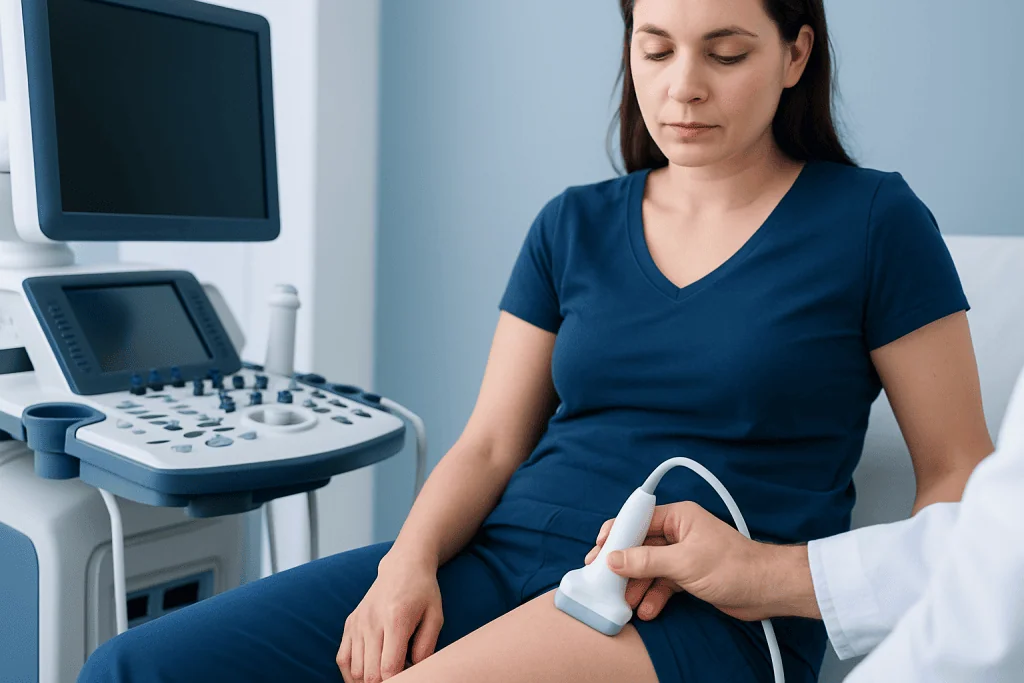
Doctors usually diagnose a furuncle on inner thigh by examining the skin. The appearance, location, amount of tenderness, and presence of drainage often provide enough information. The doctor may ask when the lump started, whether similar boils have happened before, and if there are symptoms such as fever, spreading redness, or drainage with odor.
When boils are large, recurrent, or not responding to treatment, further assessment may help identify the reason. A sample of pus may be sent for culture to see which bacteria are present and which antibiotics are likely to work. This can be especially useful when resistant bacteria are a concern or previous treatments have failed.
In some cases, the doctor may also check for factors that increase infection risk, such as blood sugar problems, immune system issues, or ongoing skin friction. If the lesion is unusually deep or extensive, imaging may occasionally be used to define the extent of a deeper collection, though many cases do not need scans. The goal is to distinguish a simple boil from wider skin infection or another condition that can mimic it.
Treatment options: from home care to drainage
Small, uncomplicated furuncles may improve with simple supportive care. Warm compresses applied for short periods several times a day can help improve circulation and encourage the boil to drain on its own. The area should be kept clean and gently covered if it is draining. People should avoid squeezing, puncturing, or attempting to cut a boil at home, as this can push infection deeper and increase scarring.
When a boil is large, very painful, or not draining, a doctor may recommend incision and drainage. This procedure relieves pressure by allowing the pus to come out under sterile conditions. In some cases, this is the main treatment needed. If the infection is more extensive, if there are multiple lesions, or if the person has fever or higher-risk medical conditions, antibiotics may also be prescribed. For deeper or persistent infections, specialist care may include abscess drainage and follow-up wound care.
If there are repeated episodes, treatment may go beyond the boil itself. Doctors may review shaving habits, hygiene routines, clothing friction, and possible bacterial colonization. When recurrent painful nodules suggest a chronic inflammatory condition rather than simple isolated boils, dermatology assessment can help guide care. In selected cases with frequent recurrence or tissue damage, options used in dermatology care or minor general surgery may be considered depending on the underlying problem.
Self-care, hygiene, and prevention
Preventing a furuncle on inner thigh usually focuses on reducing friction, moisture, and follicle irritation. Gentle daily washing, changing out of sweaty clothing, and keeping the inner thighs dry can help. Loose, breathable fabrics may reduce rubbing, especially in warm weather or during exercise.
Hair removal can sometimes contribute to boils. If shaving seems to trigger them, using a clean sharp razor, shaving in the direction of hair growth, and avoiding repeated passes over irritated skin may help. Some people do better by trimming rather than shaving closely. It is also important not to share towels, razors, or clothing that touches the affected skin.
For people with recurrent boils, a doctor may recommend a more structured prevention plan. This may include checking for diabetes or other contributing conditions, reviewing skin care products, and discussing weight management or smoking cessation where relevant. Good self-care supports healing, but repeated infections still deserve professional assessment so the underlying reason is not missed.
- Use warm compresses, not pressure or squeezing
- Keep the area clean and dry
- Wear breathable, less restrictive clothing
- Avoid sharing towels and razors
- Seek review for recurrent boils or poor healing
When to seek medical care
Medical care is appropriate if the boil becomes very painful, grows quickly, or does not begin to improve after several days of home care. A boil on the inner thigh can be especially difficult to monitor because friction may worsen swelling and delay drainage. Prompt treatment can reduce discomfort and limit the spread of infection.
Urgent evaluation is important if there is fever, rapidly spreading redness, red streaks, severe swelling, foul-smelling drainage, or multiple boils developing together. People with diabetes, weakened immunity, poor circulation, or a history of recurrent skin infections should contact a doctor sooner. These factors can increase the risk of complications and may change the treatment plan.
If symptoms keep returning, specialist assessment may help clarify whether the problem is recurrent bacterial infection, chronic follicle irritation, or an inflammatory condition affecting skin folds. Near the end of the care pathway, it may be reassuring to know that Acibadem International’s multidisciplinary specialists and JCI-accredited hospitals diagnose and treat skin and soft tissue infections for international patients. The most appropriate next step is always an examination by a qualified clinician who can confirm the cause and recommend safe treatment.
Frequently asked questions
Is a furuncle on the inner thigh the same as a pimple?
No. A furuncle is usually deeper, more painful, and caused by an infection in a hair follicle and nearby tissue. A pimple is often more superficial and commonly related to acne rather than a deeper skin infection.
Can a furuncle on inner thigh go away on its own?
Yes, some small boils improve with warm compresses and good skin hygiene. However, larger or more painful boils may not drain on their own and can require medical treatment.
Should a boil on the inner thigh be squeezed?
No. Squeezing can push infection deeper into the skin, increase inflammation, and raise the risk of scarring or spread. It is safer to use warm compresses and let a doctor drain it if needed.
What causes recurrent boils on the inner thigh?
Repeated boils can be related to friction, sweating, shaving, bacterial colonization, diabetes, smoking, or other health conditions that affect skin healing. Sometimes a chronic inflammatory skin disorder may also need to be considered.
Do all furuncles need antibiotics?
No. Some boils are treated mainly with drainage and local wound care. Antibiotics are more likely to be used when there is spreading infection, fever, multiple lesions, or higher-risk medical conditions.
How long does a furuncle on inner thigh usually take to heal?
Healing time varies with the size and depth of the infection. Small boils may settle over days to a couple of weeks, while larger lesions or drained boils can take longer and need follow-up care.
References
- American Academy of Dermatology
- Centers for Disease Control and Prevention
- Mayo Clinic
- Merck Manual Consumer Version
- National Health Service
This article is for general information only and is not a substitute for professional medical advice. Please consult a qualified doctor about your individual situation.
Hair transplant in Turkey — costs, graft counts & a free assessment
JCI-accredited · board-certified surgeons · reply within 24h
Add us as a Preferred Source to see more of our trusted health content across Google Search, AI Overviews and Discover.

More from the Health Library

Flu Med: An Evidence-Based Guide for Patients

Finger Condoms: A Complete Medical Overview

Homocystinuria — Explained by Medical Evidence, Not Myths

Carotid Artery — Explained by Medical Evidence, Not Myths

Tonsils: An Evidence-Based Guide for Patients