Fusion Labial: Procedure, Recovery and Results

Labial fusion is most common before puberty and after menopause, when estrogen levels are lower. It may cause no symptoms, but some people experience urine trapping, dribbling, irritation, recurrent urinary symptoms, or difficulty with sexual activity.
Key Takeaways
- Labial fusion is most common before puberty and after menopause, when estrogen levels are lower.
- It may cause no symptoms, but some people experience urine trapping, dribbling, irritation, recurrent urinary symptoms, or difficulty with sexual activity.
- Prescribed topical estrogen or steroid cream may be appropriate in selected cases; products should be used only as directed by a clinician.
- Labial fusion release is a minor procedure for selected persistent, severe, or symptomatic adhesions.
- Follow-up care and barrier ointment can help protect healing skin and reduce the chance of recurrence.
Fusion labial, also called labial adhesions, occurs when the inner labia partly or completely join together. Many cases, especially in young children, resolve or improve with conservative care; a labial fusion procedure may be considered when symptoms persist, urinary problems occur, or adhesions do not respond to prescribed treatment.
Overview: what is fusion labial?
Fusion labial, more commonly called labial fusion or labial adhesions, describes a thin bridge of tissue that joins the inner lips of the vulva (the labia minora). The joining may be partial or extend across much of the vaginal opening. It is not the same as a vaginal blockage, and it is usually not an emergency.
Labial adhesions are seen most often in infants and young children and may also occur after menopause. In both groups, lower estrogen levels can make vulvar skin thinner and more likely to stick together after irritation or inflammation. In adults of reproductive age, a clinician should look for contributing factors such as skin conditions, injury, infection, childbirth-related changes, or scarring.
The term labial fusion procedure may refer to medical treatment with a prescribed topical medicine or to a minor procedure that separates the adhesion. The most appropriate approach depends on the person’s age, symptoms, the extent of fusion, skin health, and whether urine flow is affected.
Symptoms, pain and how common it is
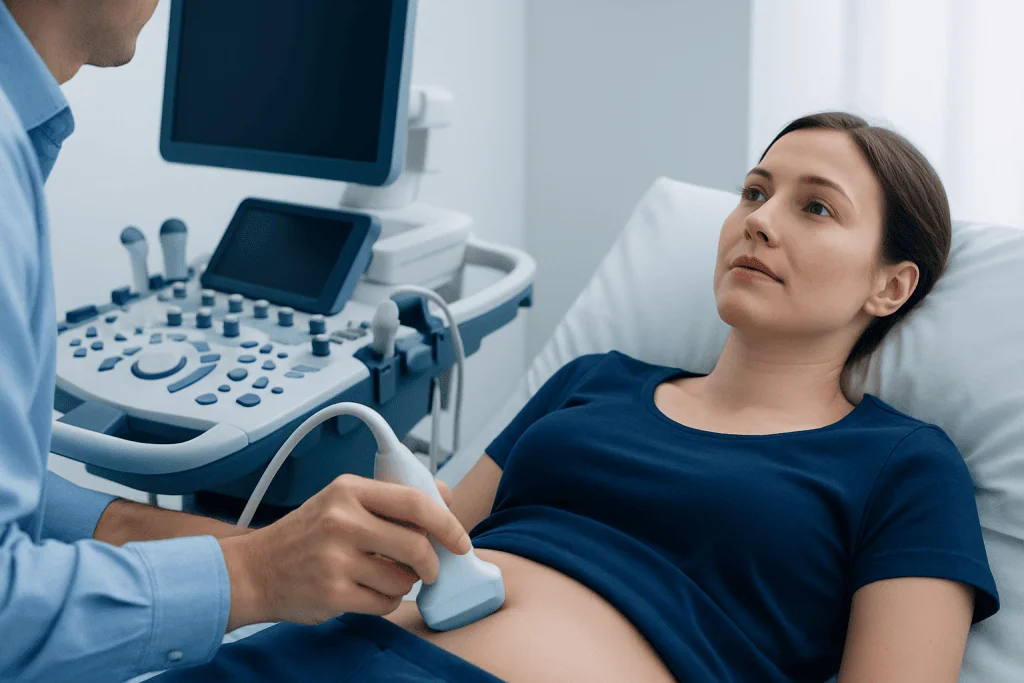
Many labial adhesions are found during routine care because they cause no discomfort. When symptoms occur, they may include urine pooling behind the joined tissue, dribbling after urination, a changed urine stream, vulvar irritation, itching, recurrent urinary symptoms, or discomfort with hygiene. In adults, more extensive fusion can contribute to pain with intercourse or make gynecologic examination difficult.
Is labial fusion painful? Labial fusion itself is often painless, particularly in children. Pain is more likely when there is associated skin irritation, infection, inflammation, trapped urine, tearing of fragile tissue, or tension on an established adhesion. Painful symptoms should be assessed rather than treated by trying to separate the tissue at home.
How rare is labial fusion? It is not considered rare in prepubertal children, although reported rates vary by population and how adhesions are defined. It is less common in adults, but can occur in postmenopausal people and in those with chronic vulvar inflammation or scarring. A new or progressive adhesion in an adult deserves a careful clinical evaluation.
Causes and who may benefit from treatment

Low estrogen is an important background factor in childhood and after menopause. However, fusion usually develops when delicate vulvar skin is also irritated or injured. Possible contributors include prolonged moisture, diaper irritation, harsh soaps or wipes, vulvovaginitis, urinary leakage, scratching, trauma, prior procedures, and inflammatory skin disorders such as lichen sclerosus.
Not every adhesion needs active treatment. Observation and gentle skin care are often suitable for a child without symptoms, because natural hormonal changes may lead to separation over time. Treatment is more likely to be discussed when there are urinary symptoms, repeated infections, significant discomfort, extensive fusion, or persistent adhesions that do not improve with conservative measures.
For adults, surgery for labial fusion may be considered when adhesions interfere with urination, sexual function, examinations, or quality of life. Before planning treatment, the clinician evaluates whether an underlying dermatologic, gynecologic, urinary, or hormonal issue needs separate care. This individualized approach is especially important for labial fusion surgical treatment in adults.
What kind of cream should I use for labial fusion?
What kind of cream should I use for labial fusion? The correct cream depends on the person’s age, symptoms, and the cause of the adhesion. A clinician may prescribe a topical estrogen cream for selected children or postmenopausal adults, or a prescription topical corticosteroid in some situations. These medicines should be applied only to the adhesion and used for the duration recommended by the clinician.
Petroleum jelly or another plain barrier ointment may be advised after separation or alongside gentle care to reduce friction and help prevent the skin edges from sticking again. It does not replace evaluation when symptoms are present. Fragranced products, harsh cleansers, antiseptics, over-the-counter steroid creams, and unprescribed hormone creams can irritate sensitive vulvar skin or delay appropriate diagnosis.
Caregivers and adults should not pull the labia apart themselves. Forceful separation can cause pain, bleeding, scarring, and distress. A pediatrician, gynecologist, or other qualified clinician can explain the expected response to treatment and arrange review if the adhesion persists or returns.
How a labial fusion procedure works
A labial fusion release is generally reserved for adhesions that are severe, symptomatic, persistent, or not suitable for medical treatment. It may be performed by a pediatric gynecologist, gynecologist, urologist, or appropriately trained specialist. The setting and anesthesia plan vary with the patient’s age, the adhesion’s thickness, and comfort needs.
Before the procedure, the clinician reviews symptoms, medical history, medications, and possible causes of vulvar inflammation. The vulvar area is examined gently, and urine testing or additional assessment may be recommended if infection or urinary difficulties are suspected. In adults, the clinician may also assess for skin disease or scar-related changes that could affect healing.
During a labial fusion release, the area is cleaned and numbed with local anesthetic when appropriate; some children or patients with extensive adhesions may require sedation or general anesthesia. The specialist carefully separates the fused tissue using a gentle technique, controls any minor bleeding, and applies protective ointment. Tissue sampling is uncommon but may be considered if the appearance suggests another condition.
The expected benefit is restoration of the normal opening and relief of symptoms such as urine trapping or functional discomfort. A procedure does not always prevent recurrence, particularly if low estrogen, skin irritation, or an inflammatory disorder remains active. Follow-up care is therefore an important part of treatment.
Recovery timeline, results and possible complications
Recovery after a straightforward labial fusion procedure is usually short. Mild tenderness, temporary swelling, or light spotting can occur during the first few days. The clinician may recommend warm water rinsing, gentle drying, loose cotton underwear, avoiding irritants, and regular application of a barrier ointment or prescribed cream.
People can often return to routine daily activities quickly, but the exact timeline differs by age and procedure extent. Adults may be advised to avoid intercourse, tampon use, swimming, or strenuous friction until the tissue has healed and their clinician confirms it is safe. A follow-up visit helps confirm that the area remains open and that any underlying skin condition is controlled.
What are the complications of labial fusion? Untreated fusion can sometimes lead to trapped urine, irritation, urinary symptoms, or recurrent infection concerns. Complications from release are uncommon but can include temporary pain, bleeding, infection, scar formation, re-adhesion, or sensitivity changes. Contact the treating team for worsening pain, fever, increasing redness or swelling, pus-like discharge, inability to pass urine, or persistent bleeding.
Labial fusion before and after treatment can look very different, but results should be assessed by comfort and function rather than appearance alone. Healing varies, and it is important not to compare the vulva with photographs online. The treating clinician can explain what is expected at each stage of recovery.
When to seek medical care
Medical assessment is advisable for a newly noticed labial adhesion, especially in an adult, and for any child with urinary changes, discomfort, repeated urinary symptoms, or concern about vulvar appearance. Prompt evaluation is appropriate if there is difficulty passing urine, significant pain, fever, bleeding, a foul-smelling discharge, or rapidly increasing swelling.
A clinician can distinguish labial fusion from other vulvar conditions and recommend the least invasive appropriate option. Adults with recurrent fusion, skin whitening, cracking, itching, or scarring may need assessment for a chronic skin disorder and coordinated gynecologic and dermatologic care.
Acibadem International’s multidisciplinary specialists at JCI-accredited hospitals can assess and treat labial adhesions for international patients, including pediatric and adult cases. A personalized discussion with a qualified clinician can clarify whether observation, prescribed topical treatment, or a labial fusion release is appropriate.
Frequently asked questions
Can labial fusion go away on its own?
Yes. In children without symptoms, labial adhesions may separate naturally over time as hormone levels change. A clinician may recommend observation and gentle skin care rather than immediate treatment. Persistent or symptomatic adhesions should be reviewed.
Should labial fusion be manually separated at home?
No. Pulling fused tissue apart at home can be painful and may cause bleeding, skin injury, scarring, and distress. Separation, if needed, should be performed or directed by an experienced healthcare professional.
How long does it take for labial fusion cream to work?
Response times vary according to the extent of the adhesion and the medicine prescribed. Some adhesions improve over several weeks, but treatment plans differ and should be reviewed by the prescribing clinician. Lack of improvement, side effects, or recurrence should be discussed at follow-up.
Can labial fusion recur after treatment?
Yes, recurrence can happen, particularly when vulvar irritation, low estrogen, or an underlying skin condition continues. Regular use of a clinician-recommended barrier ointment and attention to gentle skin care may help reduce this risk. Follow-up is useful if the area begins to close again.
Is labial fusion surgery done under general anesthesia?
Not always. Small or simple adhesions may be managed with local anesthesia, while young children, very anxious patients, or people with more extensive adhesions may need sedation or general anesthesia. The specialist chooses the safest approach based on the individual situation.
Can labial fusion affect sexual activity in adults?
It can, particularly when fusion is extensive or accompanied by scarring, dryness, or pain. Adults with discomfort during intercourse or difficulty with penetration should seek gynecologic assessment. Treatment can address the adhesion and any contributing vulvar or hormonal condition.
References
- American College of Obstetricians and Gynecologists
- American Academy of Pediatrics
- Merck Manual Consumer Version
- Royal College of Obstetricians and Gynaecologists
This article is for general information only and is not a substitute for professional medical advice. Please consult a qualified doctor about your individual situation.
Explore treatments in Turkey — costs, top hospitals & a free quote
JCI-accredited · board-certified surgeons · reply within 24h
Add us as a Preferred Source to see more of our trusted health content across Google Search, AI Overviews and Discover.