G-csf: What Patients Need to Know

G-CSF helps the body produce neutrophils, which are important white blood cells for fighting many bacterial and fungal infections. It is often prescribed to prevent or shorten chemotherapy-related neutropenia rather than to treat cancer itself.
Key Takeaways
- G-CSF helps the body produce neutrophils, which are important white blood cells for fighting many bacterial and fungal infections.
- It is often prescribed to prevent or shorten chemotherapy-related neutropenia rather than to treat cancer itself.
- G-CSF is usually given by injection and may be short-acting or long-acting, depending on the clinical situation.
- Bone or muscle pain is a common side effect and can often be managed with advice from the treating team.
- A fever during chemotherapy or known neutropenia requires urgent medical assessment, even when a person is using G-CSF.
G-CSF, short for granulocyte colony-stimulating factor, is a type of medicine that encourages the bone marrow to produce more neutrophils, a white blood cell that helps fight infection. It is commonly used to lower the risk of infection in people whose neutrophil levels may fall because of chemotherapy, certain blood conditions, or medical treatments such as stem cell transplantation.
What is G-CSF?
G-CSF stands for granulocyte colony-stimulating factor. It is a naturally occurring protein in the body and also a medicine made to support the production of neutrophils. Neutrophils are a major type of white blood cell. They move quickly to sites of infection and are particularly important for defending the body against many bacteria and fungi.
Doctors may prescribe manufactured G-CSF when they expect a person’s neutrophil count to become low, or when tests show that it is already low. A low neutrophil count is called neutropenia. G-CSF stimulates the bone marrow, the soft tissue inside bones where blood cells are made, so that neutrophils can enter the bloodstream sooner.
G-CSF is not chemotherapy, an antibiotic, or a treatment that directly destroys cancer cells. Instead, it is supportive care that can help people stay safer during treatments that affect the bone marrow. Its use is planned individually, based on the underlying condition, treatment regimen, blood test results, and overall health.
Why might a doctor recommend G-CSF?
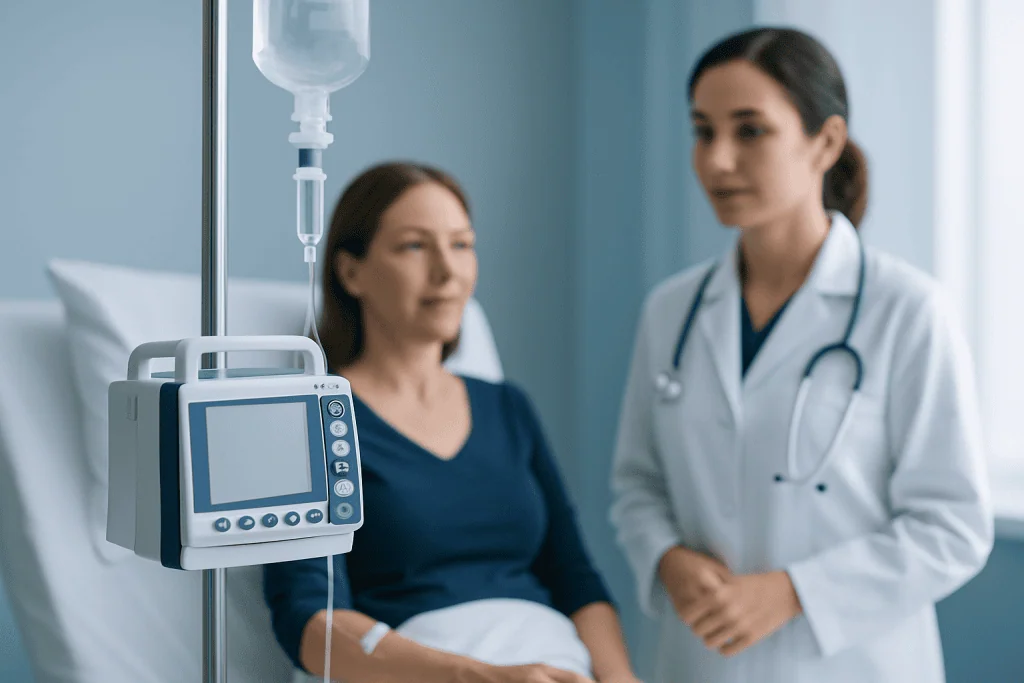
The most common reason for G-CSF is to reduce the likelihood of febrile neutropenia during cancer treatment. Febrile neutropenia means a fever occurring with a low neutrophil count and may need urgent treatment because infections can become serious quickly when immune defenses are reduced. By helping neutrophils recover, G-CSF can lower the chance of some treatment-related infections and may help a person remain on their planned chemotherapy schedule when appropriate.
G-CSF may also be used after certain intensive treatments, including bone marrow or stem cell transplantation, while the new marrow is beginning to produce blood cells. In another setting, it can be used to mobilize blood-forming stem cells from the bone marrow into the blood before collection for a stem cell transplant.
Some people with severe chronic neutropenia caused by inherited conditions, immune disorders, or other medical causes may receive G-CSF over a longer period under specialist supervision. The aim, in each case, is to support safe neutrophil levels and reduce infection risk, while regularly reviewing whether treatment remains necessary.
Types of G-CSF and how it is given

Several G-CSF medicines are available. Some are short-acting and may be given daily for a limited period, while others are long-acting and are generally given less often during a chemotherapy cycle. The best product and schedule depend on why it is being used, the type and timing of chemotherapy, body weight where relevant, previous blood counts, and local clinical guidance.
G-CSF is most often administered as an injection under the skin. It may be given in a clinic, at home after instruction, or by a trained caregiver. The healthcare team should explain how to store, prepare, and inject the medicine if home administration is planned. People should not change the injection schedule, stop treatment, or use missed-dose instructions from another patient without contacting their care team.
Some G-CSF products are biosimilars. A biosimilar is a highly similar version of an approved biological medicine that has been assessed for comparable quality, safety, and effectiveness. A clinician or pharmacist can explain the specific product being offered and how it fits into the overall treatment plan.
What to expect during treatment
Before and during G-CSF treatment, clinicians may monitor a full blood count to assess neutrophils and other blood cells. The need for testing varies. For example, monitoring may be more frequent when G-CSF is used for a chronic blood condition or alongside intensive cancer treatment than when it is used briefly for a predictable chemotherapy-related fall in counts.
Timing matters. G-CSF is normally scheduled around chemotherapy so that it supports marrow recovery without interfering with treatment. The exact timing differs by treatment plan, so patients should follow the instructions supplied by their oncology or hematology team rather than using a general schedule found online.
Patients can help by keeping a record of injections, symptoms, temperature readings if advised, and any medicines taken for discomfort. It is also useful to tell the team about a history of spleen problems, sickle cell disease, kidney disease, allergies, pregnancy, breastfeeding, or any prior reaction to a growth-factor medicine. These factors may affect monitoring or treatment choices.
Possible side effects and important safety information
Bone pain is one of the most common effects of G-CSF. It may be felt in the back, hips, legs, arms, or chest bones and is related to increased activity in the bone marrow. Muscle aches, headache, tiredness, nausea, and injection-site redness or tenderness may also occur. The treating team can recommend safe ways to manage discomfort and should be consulted before starting a new pain medicine or supplement.
Most side effects are manageable, but uncommon serious reactions can occur. Patients should seek prompt medical advice for severe or persistent pain in the upper left side of the abdomen or left shoulder, which can rarely be linked to spleen enlargement or injury. New shortness of breath, chest discomfort, swelling, a widespread rash, facial swelling, dizziness, or signs of a severe allergic reaction also require urgent assessment.
G-CSF can raise white blood cell counts, which is why blood monitoring may be needed. Rarely, it may be associated with inflammation of blood vessels, kidney problems, or lung complications. These risks do not mean that G-CSF is unsuitable for most people; they underline the importance of using it under medical supervision and reporting new or concerning symptoms early.
Preventing infection while neutrophils are low
G-CSF can support neutrophil recovery, but it does not remove every infection risk. Good hand hygiene, avoiding close contact with people who are unwell when possible, and following food-safety advice from the clinical team are sensible precautions. Recommendations may differ depending on the degree and expected duration of neutropenia, so people should ask what is appropriate for their own situation.
Patients should not assume that feeling well means an infection is impossible. During chemotherapy or significant neutropenia, infection may progress with few early symptoms. The care team will usually give clear instructions on how and when to check temperature, which symptoms to report, and which emergency number or hospital service to use outside normal clinic hours.
Vaccination plans may need review during cancer treatment, after transplantation, or in people receiving immune-suppressing medicines. A doctor can advise on the timing and suitability of routine vaccines. Live vaccines are not appropriate in every immune-suppressed situation, so vaccination decisions should be made with the relevant specialist rather than independently.
When to seek medical care
A person receiving chemotherapy, stem cell treatment, or G-CSF should contact their clinical team immediately if they develop a fever or feel suddenly unwell. The team will define the temperature threshold that applies to the individual. Chills, shaking, confusion, severe weakness, new cough, sore throat, burning when passing urine, diarrhea, or redness and swelling around a wound can also be signs of infection requiring prompt assessment.
Emergency care is needed for trouble breathing, severe chest pain, fainting, swelling of the face or throat, or symptoms of a severe allergic reaction. Urgent advice is also important for strong or worsening pain in the upper left abdomen or left shoulder, especially if accompanied by dizziness or weakness.
For planned treatment, questions about blood results, injection technique, side effects, or missed doses should be directed to the prescribing oncology, hematology, or transplant team. Acibadem International’s multidisciplinary specialists and JCI-accredited hospitals can assess and treat patients who need coordinated cancer, hematology, or transplant-related care.
Frequently asked questions
What does G-CSF do in the body?
G-CSF signals the bone marrow to make and release more neutrophils. Neutrophils are white blood cells that form an important part of the body’s defense against infection. The medicine is used when neutrophil levels are expected to fall or need support to recover.
Is G-CSF the same as a white blood cell transfusion?
No. G-CSF is a growth-factor medicine that encourages a person’s own bone marrow to produce neutrophils. It does not provide donor white blood cells. Its effects develop over time, and the timing of response depends on the person’s bone marrow function and medical situation.
Does G-CSF treat cancer?
G-CSF does not directly treat cancer. It is often used alongside cancer treatment to lower the risk or duration of low neutrophil counts caused by chemotherapy. This supportive role may help some patients receive treatment more safely as planned.
How quickly does G-CSF work?
G-CSF begins stimulating the bone marrow after it is given, but the rise in neutrophils is not identical for every person. The response depends on the reason for treatment, the medicine used, recent chemotherapy, and bone marrow health. Blood tests and clinical review help the care team determine whether it is working as expected.
Can G-CSF cause bone pain?
Yes. Bone or muscle pain is a common side effect because the bone marrow is more active while making blood cells. Patients should tell their care team about the severity and location of pain so they can receive appropriate advice and so unusual symptoms can be assessed.
Should a person with neutropenia go to the hospital for a fever?
A fever during significant neutropenia can be a medical emergency and should be reported immediately using the instructions provided by the treatment team. Patients should not wait to see whether it improves or self-treat with fever-reducing medicine before seeking advice, as this can mask an important sign of infection. The appropriate service may be an oncology urgent line, emergency department, or hospital unit depending on the care plan.
References
- American Cancer Society
- National Cancer Institute
- National Comprehensive Cancer Network
- European Society for Medical Oncology
- MedlinePlus
This article is for general information only and is not a substitute for professional medical advice. Please consult a qualified doctor about your individual situation.
Persistent digestive symptoms? Get evaluated in Turkey
JCI-accredited · board-certified surgeons · reply within 24h
Add us as a Preferred Source to see more of our trusted health content across Google Search, AI Overviews and Discover.