Gag Reflex: What Patients Need to Know

The gag reflex helps prevent choking by reacting when the back of the throat is stimulated. A strong or overactive gag reflex can be triggered by dental procedures, anxiety, reflux, postnasal drip, or throat irritation.
Key Takeaways
- The gag reflex helps prevent choking by reacting when the back of the throat is stimulated.
- A strong or overactive gag reflex can be triggered by dental procedures, anxiety, reflux, postnasal drip, or throat irritation.
- A sudden loss or major change in the gag reflex can sometimes signal a nerve or neurological problem.
- Evaluation depends on symptoms and may include a physical exam, throat assessment, or swallowing tests.
- Treatment focuses on the cause and may include managing reflux, reducing triggers, and working with medical or dental specialists.
The gag reflex is a normal body response that helps protect the throat and airway. When it becomes unusually sensitive, interferes with eating, dental care, or swallowing, or changes suddenly, it may point to an underlying issue that should be assessed.
Overview
The gag reflex is a normal protective response. It happens when the back of the tongue, soft palate, tonsil area, or throat is touched or irritated, causing the throat muscles to tighten. This reflex helps stop food, liquid, or foreign objects from entering the airway and lowers the risk of choking.
For many people, the gag reflex is only noticed during dental care, swallowing a pill, brushing the tongue, or when something touches the back of the mouth. In others, it may be unusually strong and interfere with daily activities such as eating, taking medication, wearing dental appliances, or attending dental appointments.
An overactive gag reflex is often uncomfortable rather than dangerous, but it can affect quality of life. In some cases, it is linked to local irritation in the nose, throat, or stomach, while in others it is influenced by anxiety or learned sensitivity. Less commonly, a change in the gag reflex may be related to a nerve or brain condition that needs medical assessment.
How the Gag Reflex Works
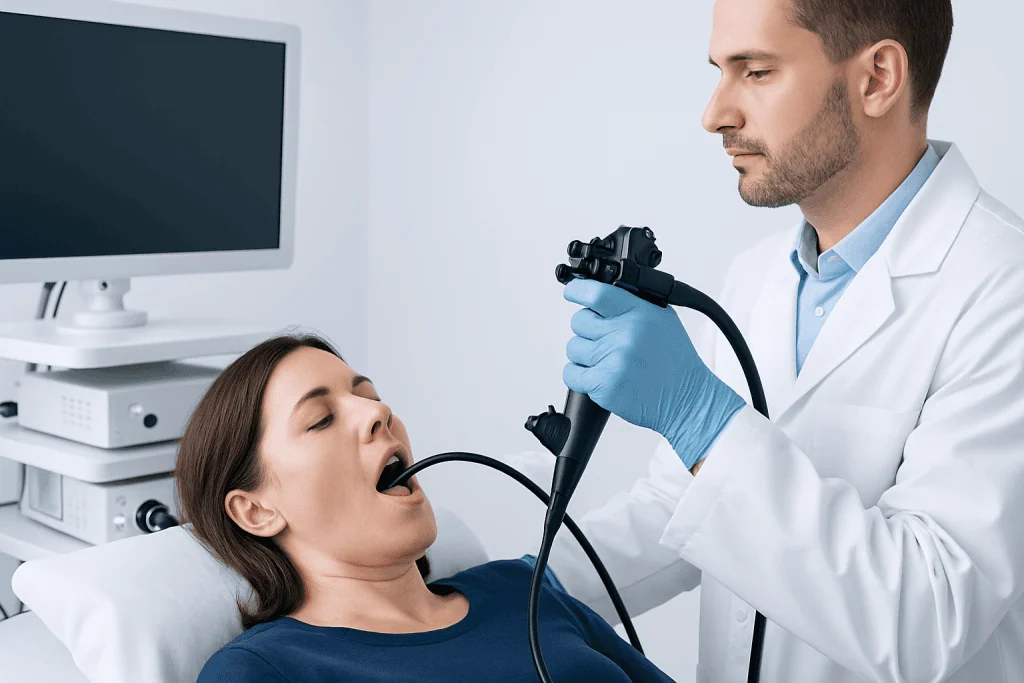
The gag reflex is controlled by nerves and muscles working together. When a sensitive area in the back of the mouth or throat is stimulated, sensory nerves send a message to the brainstem. The brain then sends signals back to the throat muscles, producing a gagging movement.
This response is closely related to swallowing, coughing, and airway protection. Even though people often think of gagging as a problem, the reflex has an important job. It acts as a defense mechanism when something reaches the throat before it can be swallowed safely.
Not everyone has the same sensitivity. Some people gag very easily, while others have a mild or barely noticeable reflex. Both can be normal. What matters most is whether the reflex has changed, causes distress, or comes with other symptoms such as choking, trouble swallowing, hoarseness, or repeated vomiting.
Symptoms and Common Triggers

The main symptom is a strong urge to retch or vomit when the back of the mouth or throat is stimulated. This may happen during toothbrushing, tongue cleaning, dental X-rays, impressions, swallowing pills, eating certain textures, or using a mouthguard or dentures. Some people also notice watering eyes, coughing, throat tightness, or brief nausea.
Triggers may be physical, sensory, or emotional. A person may gag more when they are tired, stressed, or already feeling nauseated. Smells, tastes, thick saliva, mucus, and a feeling of something stuck in the throat can also make the reflex easier to trigger.
- Brushing the tongue or touching the soft palate
- Dental procedures or dental appliances
- Large pills or dry foods
- Postnasal drip, allergies, or throat mucus
- Acid reflux or throat irritation
- Anxiety, panic, or a previous unpleasant experience
Some people describe symptoms that overlap with swallowing problems or reflux. If gagging comes with heartburn, regurgitation, chronic throat clearing, or hoarseness, a digestive or ENT cause may be contributing. In those cases, evaluation for reflux or other throat conditions may be helpful.
Causes and Risk Factors
A sensitive gag reflex can have more than one cause. Local irritation is common. Inflammation of the throat, enlarged tonsils, sinus drainage, smoking, infections, and stomach acid reaching the throat can all make tissues more reactive. People with persistent upper digestive symptoms may benefit from assessment for gastroesophageal reflux disease (GERD).
Emotional factors can also play a role. Anticipatory anxiety before a dental visit, fear of choking, or a past experience of gagging can increase muscle tension and awareness of throat sensations. This does not mean the symptoms are “imagined.” It means the nervous system can amplify a real reflex.
Other risk factors include pregnancy-related nausea, certain medications that cause nausea or dry mouth, and conditions that affect swallowing or throat sensation. In contrast, a reduced or absent gag reflex may occur with nerve injury, after some strokes, or in certain neurological disorders. When the reflex changes together with weakness, facial drooping, slurred speech, or swallowing difficulty, doctors may evaluate for a neurological cause such as stroke.
Diagnosis
Diagnosis starts with a detailed history. A clinician will usually ask when the gagging happens, what triggers it, whether it is new or longstanding, and whether there are related symptoms such as nausea, vomiting, weight loss, choking, cough, heartburn, postnasal drip, or trouble swallowing. This history often gives important clues to the cause.
A physical examination may include the mouth, throat, nose, neck, and basic neurological assessment. Depending on the symptoms, evaluation may involve a dental exam, an ear, nose, and throat review, or digestive testing. If swallowing seems affected, the doctor may recommend a structured swallowing assessment or imaging study.
Tests are not always needed. However, persistent symptoms may require targeted investigation. Examples can include an ENT examination of the throat, testing for reflux, or a swallowing study. If severe reflux symptoms are present, clinicians may consider further assessment and treatment planning through services such as GERD treatment. The goal is to identify treatable causes, not just to label the reflex as “sensitive.”
Treatment Options
Treatment depends on what is driving the gag reflex. If reflux, postnasal drip, or throat inflammation is present, treating that condition often reduces gagging. If dental care is the main trigger, dentists may use positioning techniques, smaller instruments, pacing, topical measures, or behavioral strategies to make treatment more tolerable.
For people with a strong reflex during brushing or pill swallowing, gradual desensitization may help. This can involve changing the timing of brushing, using a smaller toothbrush head, breathing through the nose, and slowly training tolerance to touch farther back in the mouth. Relaxation techniques can also reduce the cycle of anticipation and gagging.
When swallowing problems are suspected, referral to a speech and swallowing specialist may be appropriate. Some patients also need specialist care for digestive or throat-related causes, including gastroenterology or ENT care. If a dental appliance is contributing, adjustment or redesign may improve comfort and function.
Treatment should be individualized. A sudden change in the gag reflex, especially if it becomes weak or absent, is evaluated differently from a lifelong sensitive reflex. Management is safest when based on the underlying cause rather than self-treatment alone.
Self-care and Prevention
Simple steps can reduce symptoms in many people. Taking small bites, chewing well, and sitting upright when eating can help if gagging occurs with meals. Avoiding late, heavy meals and reducing known reflux triggers may also be useful for those with digestive symptoms.
Good nasal and throat care may help when mucus or irritation is a trigger. Hydration, managing allergies, and avoiding smoke or other irritants can make the throat less sensitive. During brushing, some people do better when they focus on slow nasal breathing and avoid brushing the tongue too far back.
- Use a smaller toothbrush or adjust brushing technique
- Take pills with enough water, if medically appropriate
- Address reflux, allergies, or chronic throat clearing
- Practice relaxation before dental visits
- Tell healthcare providers about a sensitive gag reflex in advance
Self-care can be helpful, but it should not replace medical advice when symptoms are persistent, worsening, or associated with swallowing difficulty. Near the end of the care pathway, patients who need specialist evaluation may seek multidisciplinary assessment; Acibadem International’s JCI-accredited hospitals care for international patients with digestive, ENT, dental, and neurological concerns.
When to Seek Medical Care
Medical review is appropriate when the gag reflex becomes strong enough to interfere with eating, drinking, nutrition, dental care, or taking medicines. It is also worth discussing with a doctor if gagging is new, noticeably worse, or linked to frequent nausea, vomiting, weight loss, chronic cough, heartburn, hoarseness, or a sensation of food sticking.
Urgent assessment is needed if symptoms come with choking, trouble breathing, signs of dehydration, or repeated inability to swallow. Immediate medical attention is especially important if there is a sudden loss or major change in the gag reflex together with facial weakness, speech changes, severe dizziness, or one-sided weakness.
Patients do not need to wait until symptoms become severe. Early assessment can help identify a manageable cause and reduce the impact on daily life, whether the source is dental sensitivity, throat irritation, reflux, or a swallowing disorder.
Frequently asked questions
Is the gag reflex normal?
Yes. The gag reflex is a normal protective response that helps keep food or other objects from going into the airway. Some people have a very sensitive gag reflex, while others notice it less.
Why is my gag reflex so strong when I brush my teeth?
Brushing can stimulate sensitive areas near the back of the tongue or soft palate. Stress, nausea, mucus, reflux, and brushing too far back can make the reflex easier to trigger.
Can anxiety make the gag reflex worse?
Yes. Anxiety can increase awareness of throat sensations and tighten throat muscles, which may make gagging more likely. This is a real body response, even when stress is part of the trigger.
Does acid reflux cause gagging?
It can. Acid reaching the throat may irritate tissues and increase sensitivity, especially if there is also throat clearing, hoarseness, cough, or a sour taste in the mouth. A doctor can help determine whether reflux is contributing.
When is a change in the gag reflex serious?
A sudden loss or major change can be more concerning than a lifelong sensitive reflex. If it happens with trouble swallowing, slurred speech, facial drooping, weakness, or breathing problems, urgent medical evaluation is needed.
Can a dentist help with an overactive gag reflex?
Yes. Dentists can often adjust technique, positioning, pacing, and the type of instruments used. Letting the dental team know in advance can help them plan a more comfortable visit.
This article is for general information only and is not a substitute for professional medical advice. Please consult a qualified doctor about your individual situation.
Explore treatments in Turkey — costs, top hospitals & a free quote
JCI-accredited · board-certified surgeons · reply within 24h
Add us as a Preferred Source to see more of our trusted health content across Google Search, AI Overviews and Discover.

More from the Health Library

Occult Blood: What Patients Need to Know

Proscar: What Patients Need to Know

Condoms Female Condoms — Explained by Medical Evidence, Not Myths

Conceive Friendly Lubricant: A Complete Medical Overview

Synonym to Concrete: What Patients Need to Know