Gastric balloon Risks & Side Effects Explained by Surgeons

Nausea, vomiting, stomach cramps and reflux are common during the first days after balloon placement and usually improve with prescribed support. A gastric balloon is temporary and works by taking up space in the stomach, helping a person feel full with smaller meals.
Key Takeaways
- Nausea, vomiting, stomach cramps and reflux are common during the first days after balloon placement and usually improve with prescribed support.
- A gastric balloon is temporary and works by taking up space in the stomach, helping a person feel full with smaller meals.
- Rare complications can include balloon deflation, bowel blockage, stomach injury, pancreatitis or severe dehydration.
- The procedure is not suitable for everyone; previous stomach surgery, certain digestive conditions and pregnancy may affect eligibility.
- Long-term weight management depends on nutrition, activity, behavioural support and medical follow-up after the balloon is removed.
Gastric balloon risks most often involve short-term nausea, vomiting, abdominal discomfort and reflux after placement. Serious complications are uncommon but can occur, so careful screening, structured follow-up and knowing when to seek help are central to safe treatment.
Overview: What Are Gastric Balloon Risks?
Gastric balloon risks include expected short-term side effects such as nausea, vomiting, abdominal cramping, bloating and acid reflux. These symptoms are usually most noticeable in the first several days after placement as the stomach adjusts, and they commonly settle with time, dietary changes and medicines prescribed by the clinical team.
More serious complications are uncommon, but they require prompt assessment. These can include persistent vomiting with dehydration, balloon deflation and migration, bowel obstruction, stomach ulceration or perforation, and inflammation of the pancreas. A gastric balloon should therefore be placed and monitored within a structured weight-management programme rather than viewed as a stand-alone solution.
A gastric balloon is a temporary, non-surgical weight-loss device placed inside the stomach. It is intended to support adults with excess weight who have not achieved sufficient results with lifestyle measures alone and who may not be ready for, or eligible for, another weight-loss procedure. The appropriate option depends on a person’s health, weight-related conditions, eating patterns and treatment goals.
How a Gastric Balloon Works and Who May Be Suitable
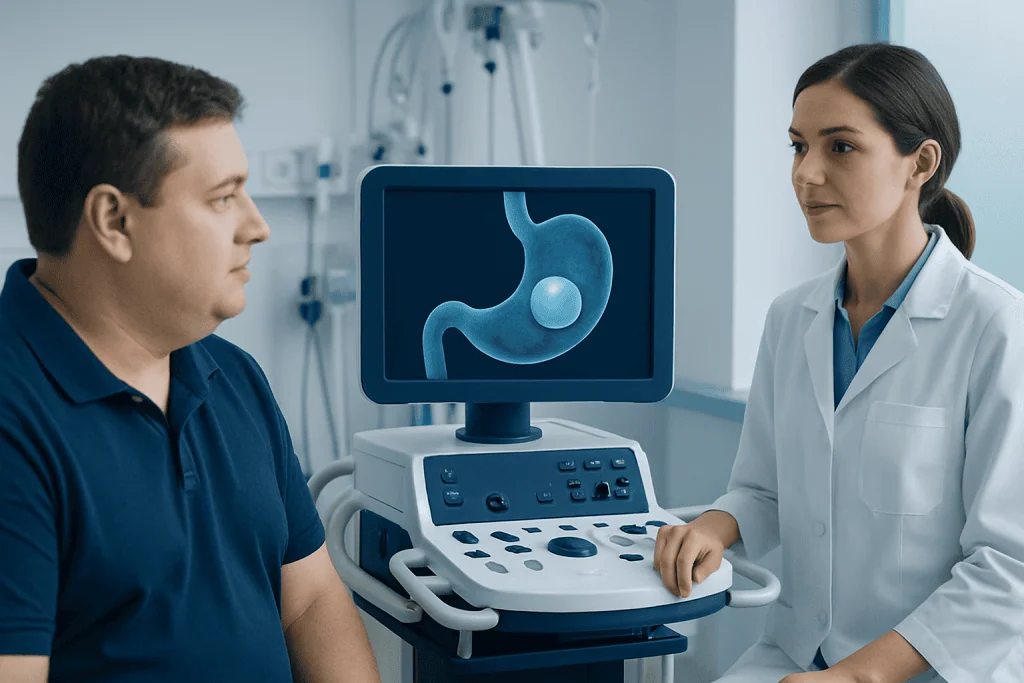
An intragastric balloon occupies space in the stomach and can help a person feel full sooner and remain satisfied with smaller portions. It does not remove part of the stomach or permanently change digestion. The balloon remains in place for a limited period, depending on the type used, and is then removed or managed according to the device and the care plan.
Candidacy is assessed individually. Clinicians generally consider body weight, body mass index, previous efforts at weight management, medical history, current medicines, eating behaviours and readiness to take part in nutrition and follow-up care. The aim is to determine whether the potential benefits outweigh the risks for that individual.
A gastric balloon may not be appropriate for someone who is pregnant or planning pregnancy during treatment, has certain structural abnormalities of the stomach or oesophagus, active ulcers, significant gastrointestinal bleeding, severe liver disease, an untreated eating disorder, or previous surgery that changes stomach anatomy. The treating team also considers whether a person can attend follow-up appointments and follow dietary guidance. For a broader explanation of the procedure and care pathway, see gastric balloon treatment.
What Happens During Placement and Removal
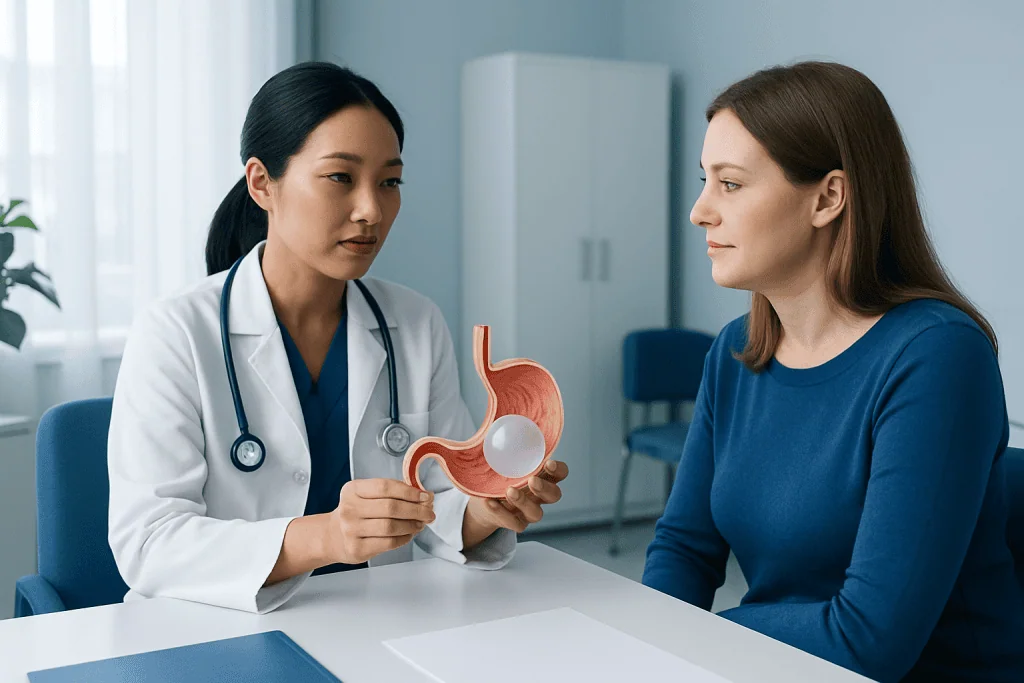
Many gastric balloons are placed through the mouth using an endoscope, a flexible tube with a camera. The person receives sedation or anaesthesia appropriate to the procedure. The clinician examines the upper digestive tract, positions the deflated balloon in the stomach and fills it with fluid or air, depending on the device. Some balloon systems use a different placement method, so the exact process should be discussed before treatment.
Placement is usually followed by an observation period while the person recovers from sedation and initial symptoms are assessed. The care team provides instructions on fluids, advancing food textures, prescribed medicines and contact arrangements if symptoms become difficult to manage.
Removal is also planned in advance because gastric balloons are not designed to remain in the stomach permanently. For endoscopically placed systems, removal commonly involves sedation, deflating the balloon and taking it out through the mouth using an endoscope. Timely removal or replacement as directed is important, as leaving a balloon beyond its recommended duration may raise complication risks.
Before either stage, patients should tell their team about new symptoms, medicines, allergies, pregnancy status or changes in health. Following fasting instructions and arranging for a responsible adult to accompany the patient after sedation can support a safer procedure day.
Common Side Effects and Recovery Timeline
The first 24 to 72 hours are often the most challenging part of recovery. The stomach may react to the balloon with nausea, repeated vomiting, cramping, pressure, bloating, belching or reflux. Some people also feel tired or have difficulty drinking enough fluids during this adjustment period. The clinical team may prescribe anti-nausea, pain-relief and acid-reducing medicines where appropriate.
Most people can begin with frequent small sips of clear fluids, then move gradually to thicker fluids, soft foods and regular textured meals according to their individual plan. Eating slowly, taking small bites, chewing thoroughly and stopping at the first feeling of fullness can reduce discomfort and support the intended effect of the balloon.
Symptoms generally improve over several days, although mild reflux, early fullness or intermittent discomfort can persist. Return to desk-based activity may be possible after a short recovery period, but this varies with symptom severity, the type of balloon and the person’s work. Strenuous activity should be resumed according to clinical advice.
Follow-up is an important part of recovery, not an optional extra. Appointments allow the team to review hydration, symptoms, food tolerance, weight trends, emotional wellbeing and any concerns about the device. Nutrition and behavioural support help patients develop routines that can continue after balloon removal.
Less Common but Serious Complications
Although serious gastric balloon complications are rare, patients should understand them before deciding on treatment. Ongoing vomiting can lead to dehydration and disturbances in body salts, particularly if the person cannot keep fluids down. Severe reflux may occasionally contribute to irritation or injury in the oesophagus, and stomach inflammation or ulcers may occur in some individuals.
A balloon can deflate unexpectedly. If it moves out of the stomach, it may pass naturally, but in rare cases it can become lodged in the intestine and cause a bowel obstruction. Some fluid-filled systems include a dye intended to make urine appear unusually coloured if leakage occurs; patients should follow the device-specific instructions given by their team rather than relying on this sign alone.
Very rare complications include acute pancreatitis, stomach perforation or a complication related to sedation or endoscopy. Risk may be higher in people with relevant pre-existing digestive disease or anatomy, which is why proper assessment and disclosure of medical history matter. Persistent or severe symptoms should never be assumed to be a normal adjustment response.
A gastric balloon can assist with weight loss, but it also has limitations. Weight regain can occur after removal, especially without ongoing dietary, physical activity and behavioural changes. For some people with obesity and related health conditions, other evidence-based approaches, including bariatric surgery, may be considered after a specialist assessment.
Reducing Risk and Supporting Lasting Results
Risk reduction starts before the procedure. A thorough assessment should include medical conditions, prior abdominal or digestive surgery, medicines, alcohol and tobacco use, symptoms such as heartburn or swallowing difficulty, and mental health or eating concerns. Depending on the clinical situation, tests may be needed to assess the upper digestive tract and overall fitness for sedation.
After placement, patients should take prescribed medicines exactly as directed, maintain hydration, follow the staged eating plan and attend scheduled reviews. They should avoid forcing meals, eating rapidly or continuing to eat after feeling full. Alcohol, smoking and certain medicines may worsen stomach irritation or reflux, so these should be discussed with the treating clinician.
The balloon is most useful when combined with realistic, sustainable lifestyle changes. This may include regular meals with adequate protein and fibre, limiting highly processed foods and sugary drinks, increasing physical activity gradually, improving sleep and identifying situations that trigger overeating. Support from dietitians, physicians and mental health professionals can be valuable when needed.
Acibadem International’s multidisciplinary specialists and JCI-accredited hospitals assess and treat weight-related conditions for international patients, including through structured evaluation and follow-up for gastric balloon care.
When to Seek Medical Care
Patients should contact their clinical team promptly if nausea, vomiting, pain or reflux is not improving as expected, or if they are unable to drink enough fluids. Early advice can prevent dehydration and help the team decide whether medicines, dietary adjustments or an in-person assessment are needed.
Urgent medical care is needed for severe or worsening abdominal or chest pain, persistent vomiting, inability to keep liquids down, fainting, fever, vomiting blood, black stools, a swollen abdomen, shortness of breath, or signs of significant dehydration such as very little urine, confusion or marked weakness. These symptoms do not always mean a device complication, but they should be assessed without delay.
People should also seek advice if they suspect balloon deflation or notice an unexpected change described in their device instructions. It is important to tell urgent-care clinicians that a gastric balloon is in place and, when possible, provide the device information card or details from the treatment centre.
Routine follow-up remains necessary even when a person feels well. It helps ensure the balloon is managed or removed at the planned time and supports a safe transition to long-term weight-management strategies.
Frequently asked questions
Are gastric balloon risks common?
Temporary digestive side effects are common, particularly during the first few days after placement. Serious complications are uncommon, but they are possible and are a reason for careful screening, follow-up and clear instructions about urgent symptoms.
How long does nausea last after a gastric balloon?
Nausea and vomiting are often most intense during the first 24 to 72 hours as the stomach adapts to the balloon. Many people improve over several days, but symptoms that are severe, persistent or preventing fluid intake should be reported promptly to the clinical team.
Can a gastric balloon burst or deflate?
A balloon can deflate or leak, although this is not common. If a deflated balloon travels into the intestine, it can rarely cause an obstruction, so patients should follow the device-specific instructions and contact their provider if they suspect a problem.
Is gastric balloon placement painful?
Placement is generally performed with sedation or anaesthesia, so pain during the procedure is usually limited. Cramping, pressure and stomach discomfort can occur afterward while the stomach adjusts, and the care team can advise on appropriate symptom management.
Can someone regain weight after a gastric balloon is removed?
Yes. The balloon is temporary, and weight regain can happen if long-term eating, activity and behavioural habits are not maintained after removal. Ongoing professional support can help a person develop an approach that remains workable without the device.
Who should not have a gastric balloon?
A gastric balloon may not be suitable for people with certain stomach or oesophageal conditions, active gastrointestinal ulcers or bleeding, major previous stomach surgery, untreated eating disorders, or pregnancy. Eligibility requires an individual assessment by a qualified clinician.
References
- National Institute of Diabetes and Digestive and Kidney Diseases
- American Society for Metabolic and Bariatric Surgery
- U.S. Food and Drug Administration
- Mayo Clinic
- National Health Service
This article is for general information only and is not a substitute for professional medical advice. Please consult a qualified doctor about your individual situation.
Gastric Balloon in Turkey — costs, top hospitals & a free quote
JCI-accredited · board-certified surgeons · reply within 24h
Add us as a Preferred Source to see more of our trusted health content across Google Search, AI Overviews and Discover.
Check your numbers in seconds
BMI, calories, due date, blood pressure and 30+ more clinical calculators — free, instant, doctor-reviewed ranges.

Bariatric & Metabolic Surgery
Surgical and endoscopic treatments for obesity and metabolic conditions.