Gastric band Risks & Side Effects Explained by Surgeons

An adjustable gastric band is placed around the upper stomach to limit meal size and increase fullness. Common early side effects can include pain, nausea, vomiting, reflux and difficulty swallowing, particularly if meals are eaten too quickly.
Key Takeaways
- An adjustable gastric band is placed around the upper stomach to limit meal size and increase fullness.
- Common early side effects can include pain, nausea, vomiting, reflux and difficulty swallowing, particularly if meals are eaten too quickly.
- Important longer-term risks include band slippage, pouch enlargement, erosion into the stomach, port or tubing problems and inadequate weight loss.
- Regular band adjustments and follow-up appointments are essential for safety, nutrition and lasting results.
- Severe abdominal or chest pain, repeated vomiting, fever, inability to swallow liquids or signs of dehydration need prompt medical assessment.
Gastric band risks range from temporary nausea and discomfort after adjustments to less common complications such as band slippage, erosion, infection or problems with the access port. An adjustable gastric band can support weight loss for selected people, but it requires long-term dietary changes, regular clinical follow-up and, in some cases, removal or conversion to another bariatric procedure.
Overview: What Are Gastric Band Risks?
Gastric band risks include short-term effects such as pain, nausea, vomiting and reflux, as well as less common complications such as band slippage, stomach pouch enlargement, infection, erosion of the band into the stomach, or device problems. Many concerns can be addressed with dietary changes or band adjustment, but some require urgent assessment and occasionally another operation.
Adjustable gastric banding, also called laparoscopic gastric banding or lap band surgery, is a form of bariatric surgery. It may help some people with obesity lose weight by reducing the amount of food that can be eaten comfortably at one time. It is important to understand that the band is a medical device requiring lifelong follow-up; it is not a stand-alone solution for weight management.
The balance of benefits and risks differs from person to person. A bariatric team considers medical history, eating patterns, weight-related health conditions, ability to attend follow-up and personal treatment goals before recommending a procedure. For an overview of the procedure and care pathway, see gastric band treatment.
How an Adjustable Gastric Band Works
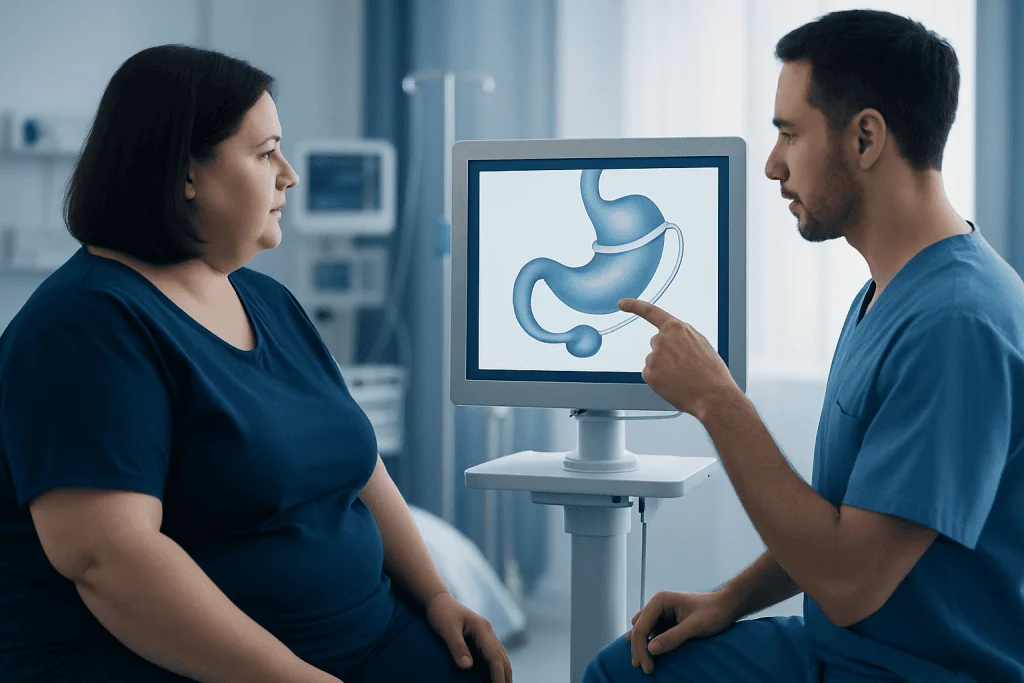
During gastric band surgery, a surgeon places a soft silicone ring around the upper portion of the stomach. This creates a small upper pouch with a narrow opening to the rest of the stomach. When food enters the pouch, it can promote a feeling of fullness after a smaller meal.
The inner part of the band can be adjusted by adding or removing sterile fluid through a small access port placed beneath the skin of the abdomen. The port is connected to the band by thin tubing. Adjustments are usually made gradually after surgery, based on weight change, appetite, eating tolerance and symptoms.
Unlike some other bariatric procedures, gastric banding does not remove part of the stomach or bypass the intestine. However, it can still affect eating habits and nutritional intake. Food must be eaten slowly, chewed thoroughly and introduced in appropriately sized portions to reduce discomfort, vomiting and the risk of complications.
Candidacy and Preoperative Assessment

Gastric banding may be considered for adults living with obesity when structured nutrition, activity and medical weight-management approaches have not provided sufficient benefit. Eligibility criteria vary by country and clinical guideline, but assessment usually considers body mass index, obesity-related conditions, previous treatment efforts and the expected safety of surgery.
A thorough evaluation commonly includes a review of heart, lung and metabolic health; blood tests; nutritional screening; and discussion of medications. Depending on symptoms and medical history, additional tests may be needed to assess the stomach or oesophagus. People with significant untreated reflux, swallowing disorders, certain stomach conditions, active substance misuse or an inability to attend regular follow-up may not be suitable candidates.
Psychological and dietary assessment is also an important part of preparation. It helps identify practical supports and any eating-related concerns that should be addressed before surgery. The aim is not to judge a person, but to help ensure that the chosen treatment is realistic, safe and sustainable.
What Happens During the Procedure and Recovery
Gastric band surgery is usually performed under general anaesthesia using laparoscopic, or keyhole, techniques. The surgeon makes several small abdominal incisions, positions the band around the upper stomach, and places the access port under the skin. The operation length and hospital stay vary according to individual health needs and the surgical plan.
After surgery, patients begin with a staged diet that typically progresses from liquids to pureed foods and then to soft and regular textured foods as advised by the clinical team. This process allows the stomach and incision sites to heal. Early movement, breathing exercises and appropriate pain management can support recovery and reduce risks related to surgery.
Many people return gradually to everyday activities over the following weeks, but strenuous activity and heavy lifting may need to wait until the surgeon confirms it is safe. The first band fill is often not performed immediately because initial swelling can temporarily narrow the passage. Ongoing appointments are needed for adjustments, nutrition review and monitoring of weight-related health conditions.
Common Side Effects and Potential Complications
Temporary soreness around the incisions, tiredness, nausea and reduced food intake can occur in the early recovery period. Later, some people experience reflux, burping, hiccups, discomfort after meals, or trouble swallowing. These symptoms may occur when a person eats too quickly, does not chew well, eats foods that do not pass through the band easily, or when the band is too tight.
Vomiting should not be considered an expected part of successful treatment. Repeated vomiting can lead to dehydration, irritation of the oesophagus and pouch enlargement. A clinician may advise dietary changes or remove fluid from the band. Trying to manage persistent symptoms alone by avoiding food or fluids can be unsafe.
More significant gastric band complications include band slippage, in which the stomach moves through the band; enlargement of the upper stomach pouch; blockage at the band opening; erosion of the band into the stomach wall; infection; and bleeding or injury related to surgery. Problems with the port or connecting tubing can also occur, including movement of the port, leaks or difficulty accessing it for adjustment.
Some people do not lose enough weight, regain weight over time or find that the device does not suit their lifestyle or health needs. In these circumstances, the band may need to be deflated, removed or changed to another bariatric approach after specialist assessment. Revision decisions should be individualized and should account for nutritional status, symptoms and overall health.
Benefits, Long-Term Follow-Up and Self-Care
A potential benefit of gastric banding is that it is adjustable and does not permanently divide or remove the stomach. The band can be deflated or removed if clinically necessary. For people who are well selected and engaged with follow-up, it may support portion control, weight loss and improvement in some obesity-related health concerns.
However, results depend on much more than the operation itself. Regular review with bariatric clinicians, dietitians and other professionals helps guide band fills, address symptoms early and monitor protein, vitamin and mineral intake. Blood tests may be recommended periodically because reduced intake, food intolerance or restrictive eating patterns can contribute to nutritional deficiencies.
Helpful habits include taking small bites, chewing food completely, eating slowly, stopping at the first feeling of comfortable fullness and avoiding drinking large amounts with meals if the care team advises this. A balanced nutrition plan, gradual physical activity and attention to sleep and emotional wellbeing are also important parts of long-term care.
People should keep all scheduled follow-up visits even when they feel well. Device-related complications may develop gradually, and early assessment can sometimes prevent a more serious problem. Acibadem International’s multidisciplinary specialists in JCI-accredited hospitals support diagnosis, follow-up and treatment planning for international patients considering or living with a gastric band.
When to Seek Medical Care
Patients should contact their bariatric team promptly for repeated vomiting, new or worsening reflux, pain when swallowing, difficulty keeping down food or fluids, persistent upper abdominal discomfort, or an unexpected change in how much food they can tolerate. These symptoms may indicate that the band needs assessment or adjustment.
Urgent medical care is appropriate for severe or persistent abdominal pain, chest pain, fever, rapid heartbeat, shortness of breath, fainting, vomiting blood, black stools, redness or drainage from an incision, or inability to swallow liquids. These symptoms can have different causes, but they should not be delayed or self-treated.
Anyone who becomes dehydrated, with very little urine, dizziness, marked weakness or inability to maintain fluid intake, should seek prompt medical advice. A clinician can determine whether symptoms are related to the band, another digestive condition, infection or a separate medical problem.
Frequently asked questions
Are gastric band risks common?
Mild digestive symptoms can occur, especially during dietary progression or after a band adjustment. More serious complications are less common, but they are important because they may require deflation, removal of the band or further surgery. Regular follow-up helps identify concerns early.
What are signs that a gastric band may be too tight?
Difficulty swallowing, frequent vomiting, reflux, coughing at night, pain after eating or trouble drinking liquids may suggest the band is too tight or that another problem is present. The person should contact their bariatric team rather than trying to tolerate these symptoms. A clinician may assess the band and adjust it if appropriate.
Can a gastric band slip after surgery?
Yes. Band slippage occurs when part of the stomach moves upward through the band, changing its position and potentially narrowing the passage for food and fluid. Symptoms can include vomiting, pain, reflux or sudden difficulty eating. It needs prompt medical assessment.
Does a gastric band need to be removed?
Not every gastric band needs to be removed, but some are removed because of complications, intolerance, insufficient weight loss or a change in treatment needs. Removal may be followed by no further surgery or by consideration of another bariatric procedure. The decision should be made with a qualified bariatric team.
Can people regain weight with a gastric band?
Yes. Weight regain or insufficient weight loss can happen with any weight-management treatment, including gastric banding. Possible contributors include changes in eating patterns, inadequate band adjustment, limited follow-up, reduced activity or device-related issues. A specialist review can help identify appropriate next steps.
How long is recovery after gastric band surgery?
Recovery varies with the person's health, the details of surgery and the nature of their work. Many people resume light daily activities relatively soon, while returning to full activity occurs gradually over several weeks. The surgical team provides individualized guidance on diet stages, wound care, driving, work and exercise.
References
- American Society for Metabolic and Bariatric Surgery
- National Institute of Diabetes and Digestive and Kidney Diseases
- National Institute for Health and Care Excellence
- Mayo Clinic
- World Health Organization
This article is for general information only and is not a substitute for professional medical advice. Please consult a qualified doctor about your individual situation.
Medical weight-loss options in Turkey — costs & eligibility
JCI-accredited · board-certified surgeons · reply within 24h
Add us as a Preferred Source to see more of our trusted health content across Google Search, AI Overviews and Discover.
Check your numbers in seconds
BMI, calories, due date, blood pressure and 30+ more clinical calculators — free, instant, doctor-reviewed ranges.