

Gastric Sleeve Surgery for Very High BMI: Staged Treatment and Risk Reduction

Very high BMI can increase anesthesia, surgical, breathing, blood clot, and wound-healing risks, so preparation is especially important. Gastric sleeve surgery may be used as a first-stage procedure because it can produce meaningful weight loss while avoiding some complexities of intestinal bypass.
Key Takeaways
- Very high BMI can increase anesthesia, surgical, breathing, blood clot, and wound-healing risks, so preparation is especially important.
- Gastric sleeve surgery may be used as a first-stage procedure because it can produce meaningful weight loss while avoiding some complexities of intestinal bypass.
- A staged plan may include medical weight management, a temporary bridge procedure, sleeve gastrectomy, and, for selected patients, a later second operation.
- Risk reduction focuses on sleep apnea treatment, diabetes and blood pressure control, nutrition optimization, smoking cessation, mobility, and clot prevention.
- The best approach is individualized by a multidisciplinary bariatric team and should include lifelong follow-up.
For people with a very high body mass index, gastric sleeve surgery may be planned as one part of a staged, carefully supervised weight loss strategy. The aim is to reduce surgical risk, improve obesity-related conditions, and create a safer path toward long-term health.
Overview
Gastric sleeve surgery for very high BMI is a specialized approach within bariatric care. A very high BMI often means that a person has more complex medical needs, such as sleep apnea, diabetes, high blood pressure, fatty liver disease, joint pain, or reduced mobility. These factors can make surgery more challenging, but they do not automatically rule it out. Instead, they highlight the need for a careful, step-by-step plan.
In a sleeve gastrectomy, a large portion of the stomach is removed, leaving a narrower, tube-shaped stomach. This helps people feel full with smaller meals and also affects appetite-related hormones. The procedure is usually performed laparoscopically when possible, using small incisions and a camera. For very high BMI, the operation may be chosen because it can provide substantial weight loss without rerouting the intestines.
Staged treatment means that surgery is not seen as a single event. It is part of a sequence that may include medical weight management, nutrition preparation, treatment of underlying conditions, the first operation, structured follow-up, and sometimes a second procedure later. For many patients, gastric sleeve surgery is the first stage, with further decisions made after weight loss and risk improvement are assessed.
Why Very High BMI Requires a Staged Plan
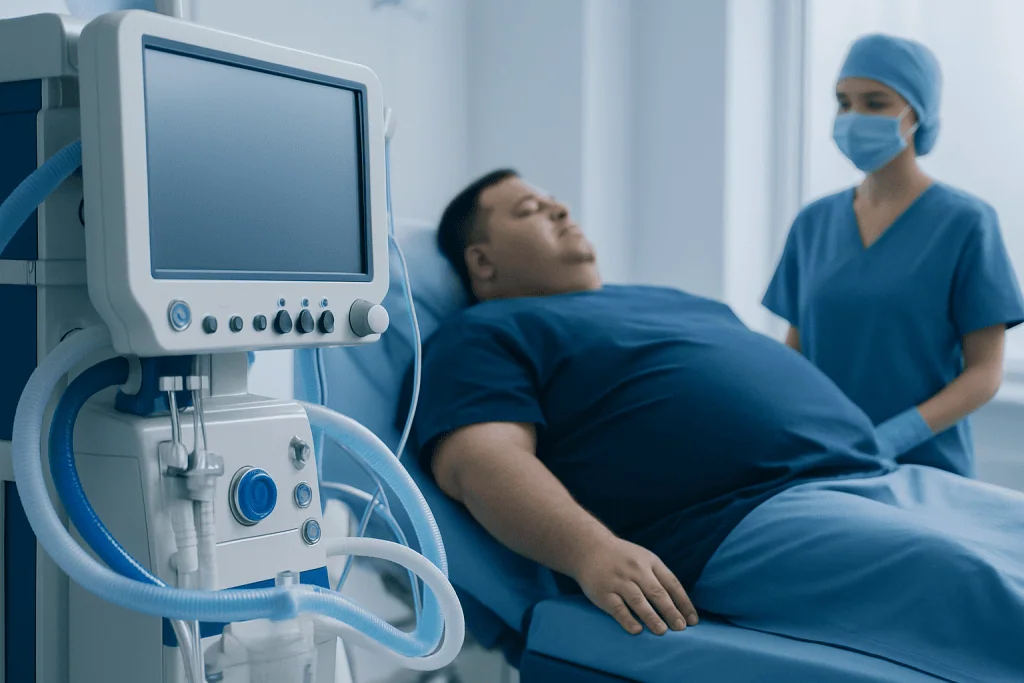
Higher BMI is associated with higher technical and medical complexity during any operation. The liver may be enlarged, abdominal wall thickness can make surgical access harder, and anesthesia may require additional planning. Breathing support, positioning on the operating table, and prevention of blood clots are especially important. A staged plan gives the team time to reduce these risks where possible before the procedure.
The goal of staging is not to delay care unnecessarily. It is to match the timing and type of treatment to the patient’s current health status. Some patients are ready for sleeve gastrectomy after a standard preoperative program. Others may benefit from several weeks or months of supervised weight loss, improved glucose control, treatment of sleep apnea, or physical conditioning before surgery.
In selected cases, a temporary bridge option may be considered before bariatric surgery. For example, a physician-supervised intragastric balloon or intensive medical weight management program may help a patient lose enough weight to make anesthesia and surgery safer. These approaches are not appropriate for everyone, and the decision depends on anatomy, medical history, motivation, and the expected balance of benefit and risk.
Who May Be Considered for Gastric Sleeve Surgery
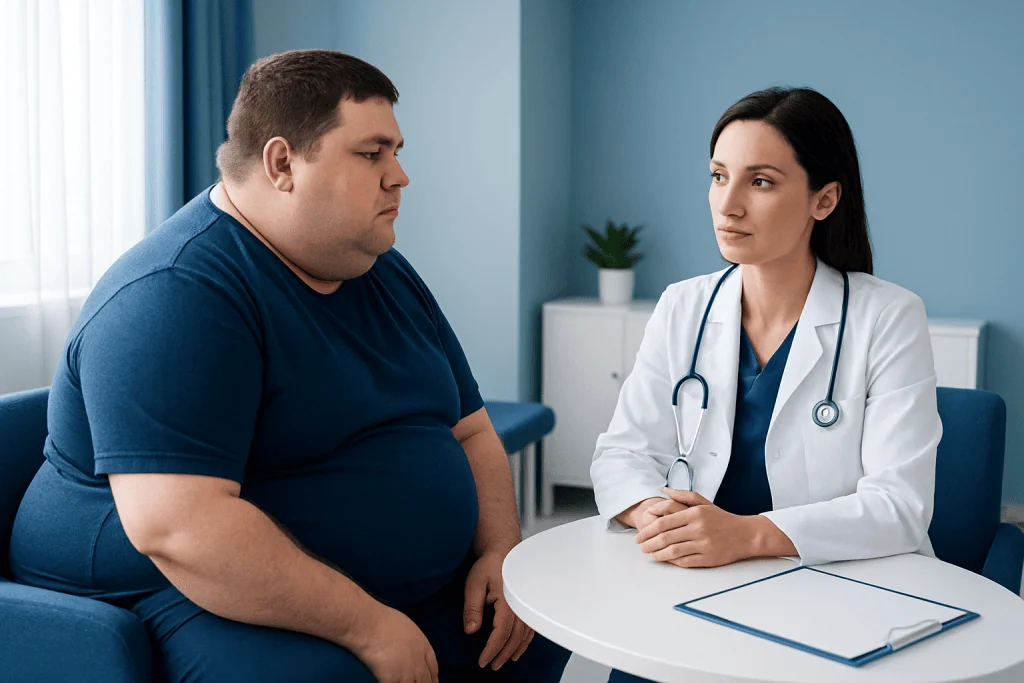
Candidates for bariatric surgery are evaluated according to BMI, obesity-related health conditions, previous weight loss attempts, surgical risk, and readiness for long-term lifestyle changes. People with very high BMI are often considered when obesity is affecting health, mobility, quality of life, or the ability to manage conditions such as type 2 diabetes or sleep apnea. The evaluation is individualized rather than based on BMI alone.
A complete assessment usually includes medical, nutritional, psychological, and anesthetic review. The team looks for factors that could affect safety, such as uncontrolled heart or lung disease, untreated sleep apnea, severe reflux, nutritional deficiencies, active smoking, alcohol or substance misuse, and mental health conditions that need support. These findings do not always prevent surgery, but they may need to be addressed first.
Patients should also understand that sleeve gastrectomy is a permanent anatomical change. It is most successful when combined with follow-up visits, protein-focused nutrition, vitamin and mineral supplementation when recommended, gradual physical activity, and behavioral support. A person’s ability to attend follow-up and follow medical advice is an important part of candidacy.
Preoperative Risk Reduction
Risk reduction begins before the day of surgery. A bariatric team may recommend a high-protein, lower-calorie eating plan to reduce liver size and improve surgical exposure. People with diabetes may need medication adjustment to improve blood sugar control. Blood pressure, heart rhythm concerns, anemia, vitamin deficiencies, and thyroid or hormonal problems may also be reviewed and treated.
Sleep apnea is common in people with very high BMI and should be taken seriously. If a sleep study confirms obstructive sleep apnea, using CPAP or another prescribed device before and after surgery can reduce breathing-related risks. Smoking cessation is also essential because smoking increases the risk of lung complications, ulcers, poor wound healing, and blood clots.
Mobility and clot prevention are another major focus. Even gentle activity, breathing exercises, and physical therapy can improve conditioning before surgery. The care team may plan special measures such as compression devices, early walking after surgery, and blood-thinning medication when appropriate. These decisions are based on individual clot risk and must be guided by the surgical team.
- Key preparation steps may include nutrition counseling and a preoperative eating plan.
- Diabetes, blood pressure, and sleep apnea should be optimized before surgery.
- Smoking should be stopped well in advance, with medical support if needed.
- Patients should discuss all medicines and supplements, including blood thinners.
- Follow-up planning should be arranged before the operation, not afterward.
The Staged Treatment Pathway
A staged pathway usually starts with a detailed bariatric assessment. The first stage may be non-surgical risk reduction, including nutrition therapy, exercise planning, medical treatment of obesity when appropriate, and optimization of other health problems. Some patients may also be considered for temporary endoscopic options, such as gastric balloon treatment, as a bridge to surgery, although this is not suitable for all patients.
The next stage may be sleeve gastrectomy. For many people, this procedure leads to significant weight loss and improvement in obesity-related conditions. After surgery, follow-up focuses on hydration, protein intake, gradual diet progression, wound care, activity, and monitoring for symptoms such as persistent vomiting, worsening abdominal pain, fever, shortness of breath, or leg swelling.
Some patients do well with sleeve gastrectomy alone. Others, especially those with very high starting BMI or ongoing metabolic disease, may later be evaluated for a second-stage procedure. This could include conversion to another bariatric operation, such as gastric bypass, depending on weight loss, reflux symptoms, diabetes status, nutritional risk, and patient preference. The second stage is usually considered only after recovery and reassessment, not as an automatic step.
Benefits, Limits, and Possible Risks
The potential benefits of sleeve surgery include meaningful weight loss, improved mobility, better control of type 2 diabetes and high blood pressure in some patients, reduced sleep apnea severity, and improved ability to exercise. In very high BMI, even partial weight loss can make daily activities and future medical care safer. Staged treatment may also make any later surgery technically easier.
However, sleeve gastrectomy is not a simple or risk-free procedure. Possible complications include bleeding, infection, leakage from the staple line, narrowing of the stomach sleeve, reflux symptoms, dehydration, vomiting, gallstones during rapid weight loss, and nutritional deficiencies. Serious complications are uncommon in experienced centers but require prompt recognition and treatment.
Another important limitation is that surgery changes the stomach but does not remove all the biological, psychological, and environmental drivers of obesity. Weight regain can occur, especially if follow-up is lost or eating patterns shift toward frequent high-calorie liquids, grazing, or ultra-processed foods. Long-term success depends on continued medical monitoring, realistic expectations, and support for nutrition, movement, sleep, and mental health.
Recovery, Self-Care, and When to Seek Help
Recovery after sleeve gastrectomy usually begins with early walking, careful fluid intake, and a staged diet that progresses from liquids to soft foods and then to regular textured foods as advised. Patients are taught to sip slowly, avoid overeating, prioritize protein, and separate drinking from meals if recommended. Vitamin and mineral supplements may be prescribed, and blood tests are used to monitor nutritional status over time.
Patients should contact their bariatric team urgently if they develop severe or worsening abdominal pain, persistent vomiting, inability to keep fluids down, fever, chest pain, shortness of breath, fainting, black stools, rapid heartbeat, or swelling and pain in one leg. These symptoms do not always mean a serious complication is present, but they should be assessed promptly.
Long-term follow-up is essential, especially for patients who began with very high BMI. Appointments help monitor weight loss, reflux, nutritional health, medication changes, and the possible need for additional treatment. Acibadem International’s multidisciplinary specialists and JCI-accredited hospitals diagnose and treat obesity and bariatric surgery patients, including international patients, with individualized planning through bariatric surgery programs.
Frequently asked questions
Is gastric sleeve surgery safe for people with very high BMI?
Gastric sleeve surgery can be performed in people with very high BMI, but the risks are higher than in lower-risk patients. Safety depends on careful selection, preoperative preparation, anesthesia planning, and an experienced bariatric team. A staged approach may help reduce risk before and after surgery.
What does staged bariatric surgery mean?
Staged bariatric surgery means treatment is planned in steps rather than as a single isolated procedure. The first step may be medical preparation or a temporary bridge treatment, followed by sleeve gastrectomy. Some patients may later need a second operation, while others achieve their goals with the sleeve alone.
Why is sleeve gastrectomy often used as a first stage?
Sleeve gastrectomy can produce significant weight loss without rerouting the intestines. For patients with very high BMI, this may make it a practical first-stage option because it can reduce weight and improve medical conditions before any further treatment is considered. The best choice still depends on reflux, diabetes, surgical history, and overall health.
How much weight should a patient lose before surgery?
There is no single required amount for every patient. Some people are asked to follow a short preoperative diet to shrink the liver, while others may need a longer supervised program to reduce anesthesia or surgical risk. The target should be set by the bariatric team based on individual health factors.
Can a gastric sleeve be converted to another bariatric procedure later?
Yes, in selected patients, sleeve gastrectomy can be converted to another bariatric operation later. Reasons may include inadequate weight loss, significant weight regain, difficult reflux, or persistent metabolic disease. Conversion surgery requires a careful risk-benefit discussion and nutritional assessment.
What follow-up is needed after sleeve surgery with very high BMI?
Follow-up usually includes surgical review, dietitian support, blood tests, medication adjustment, and monitoring for reflux or nutritional deficiencies. Visits are more frequent in the first year and continue long term. Ongoing care is important because weight loss, nutrition needs, and health conditions change over time.
References
- American Society for Metabolic and Bariatric Surgery
- International Federation for the Surgery of Obesity and Metabolic Disorders
- National Institute for Health and Care Excellence
- World Health Organization
- European Association for the Study of Obesity
This article is for general information only and is not a substitute for professional medical advice. Please consult a qualified doctor about your individual situation.
Gastric Sleeve Surgery in Turkey — costs, top hospitals & a free quote
JCI-accredited · board-certified surgeons · reply within 24h
Check your numbers in seconds
BMI, calories, due date, blood pressure and 30+ more clinical calculators — free, instant, doctor-reviewed ranges.

Related Treatments
Related Conditions
More from the Health Library



Related Specialists

Prof. Dr. Tayfun Karahasanoğlu
General Surgery
Prof. Dr. Güralp Onur Ceyhan
General Surgery
Prof. Dr. Volkan Özben
General Surgery
Assoc. Prof. Dr. Halil Kara
General Surgery