Gastrointestinal Tumor Treatment: How It Works, Results and What to Expect

Gastrointestinal tumors include many different growths in the stomach, intestines, rectum, pancreas, liver, and related digestive organs. Surgery is often the main treatment for localized tumors, while medicines may be used before or after surgery or for advanced disease.
Key Takeaways
- Gastrointestinal tumors include many different growths in the stomach, intestines, rectum, pancreas, liver, and related digestive organs.
- Surgery is often the main treatment for localized tumors, while medicines may be used before or after surgery or for advanced disease.
- Gastrointestinal stromal tumors (GISTs) are biologically distinct from most gastrointestinal cancers and are often treated with targeted medicines.
- Recovery after gastrointestinal tumor surgery depends on the operation, overall health, and whether complications occur.
- New or persistent digestive bleeding, unexplained weight loss, worsening pain, vomiting, or difficulty swallowing should be assessed promptly.
Gastrointestinal tumor treatment is individualized according to whether a tumor is benign or cancerous, where it began, how far it has spread, and its molecular features. Care commonly combines expert imaging, biopsy review, surgery, medicines such as targeted therapy, and follow-up designed to protect both cancer control and digestive function.
Overview: How Gastrointestinal Tumor Treatment Works
Gastrointestinal tumor treatment uses one or more approaches to remove, shrink, control, or carefully monitor an abnormal growth affecting the digestive system. The best plan depends on the exact diagnosis. Gastrointestinal tumors can arise in the esophagus, stomach, small or large bowel, rectum, anus, liver, pancreas, gallbladder, or supporting tissues of these organs. Some are noncancerous, while others are cancerous or have the potential to become cancerous.
Before treatment begins, a multidisciplinary team typically confirms the tumor type and evaluates its location, size, stage, grade, and molecular characteristics. The team may include gastroenterologists, surgeons, medical oncologists, radiation oncologists, radiologists, pathologists, dietitians, and specialist nurses. This coordinated approach helps balance effective tumor treatment with preservation of digestion, nutrition, and quality of life.
For localized disease, surgery or an endoscopic procedure may be enough. For cancers that are larger, have spread, or are likely to return, treatment may also involve chemotherapy, radiation therapy, immunotherapy, targeted therapy, or a combination of these options. Some small, low-risk lesions can be monitored with scheduled imaging or endoscopy rather than treated immediately.
Types of Tumors and How Treatment Is Chosen
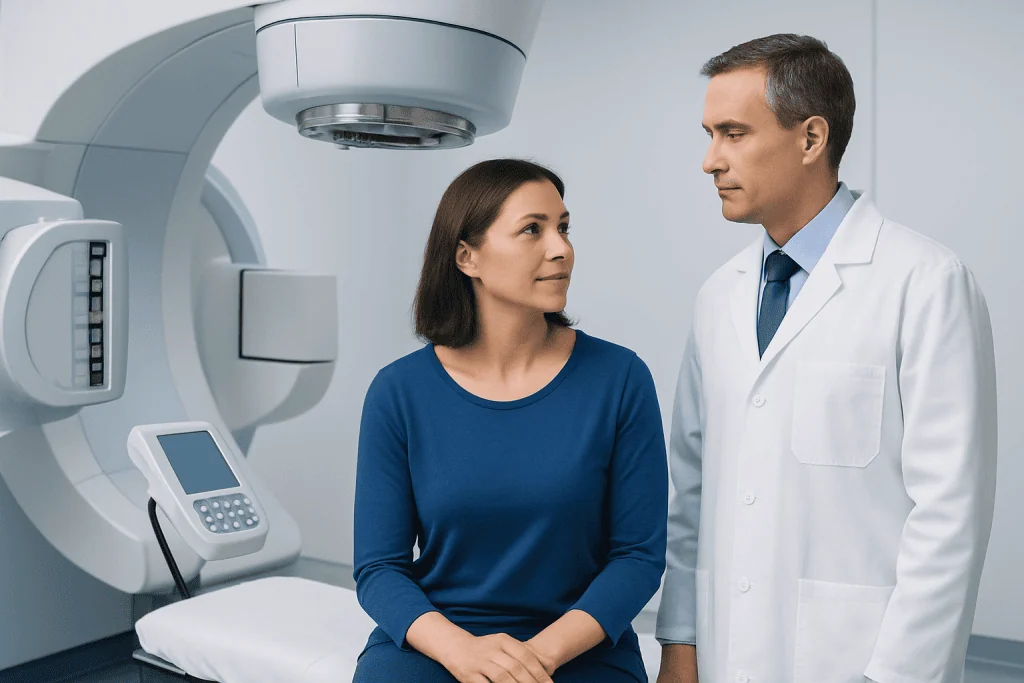
The term gastrointestinal tumor does not describe one single disease. Adenocarcinomas are common cancers of the stomach and bowel lining. Neuroendocrine tumors arise from hormone-producing cells, while lymphomas begin in immune cells. Gastrointestinal stromal tumors, usually called GISTs, arise from specialized cells in the digestive tract wall and are most often found in the stomach or small intestine. These tumors require a different treatment approach from typical bowel or stomach cancers.
Clinicians use several factors to recommend care: whether the tumor is benign, malignant, or uncertain; whether it can be fully removed; whether it has spread; and whether tests identify a treatment-sensitive genetic change. For GIST, testing for mutations such as KIT or PDGFRA can help select an appropriate targeted medicine. A tumor sample may also be reviewed by a pathologist with particular experience in gastrointestinal cancers.
Age, general health, nutritional status, previous treatments, personal priorities, and the likely effect on bowel function are also important. A treatment plan should be explained in clear terms, including the aim of treatment, expected benefits, alternatives, possible side effects, and how progress will be monitored.
- Localized tumors: often treated with endoscopy or surgery, sometimes with additional medicine.
- Locally advanced tumors: may need treatment before surgery to shrink or control the tumor.
- Metastatic tumors: are commonly treated with systemic medicines, with surgery or local treatment used selectively.
Treatment Options: Surgery, Medicines and Local Therapies
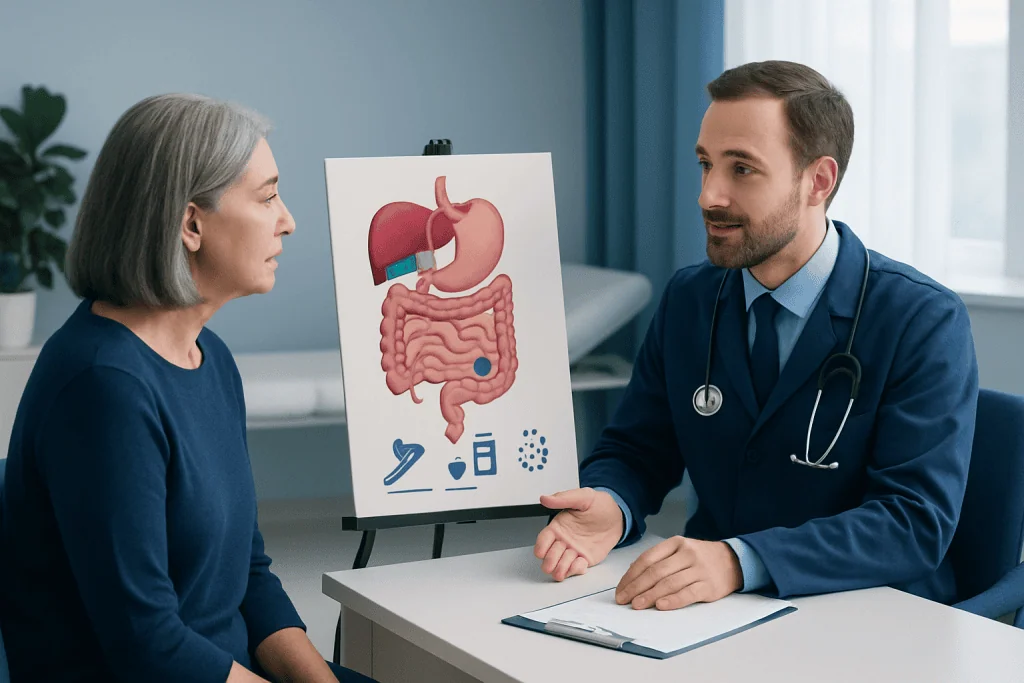
Surgery is frequently the main curative treatment for a gastrointestinal cancer or GIST that has not spread and can be removed safely. Depending on the site, surgery may remove the tumor alone, part of an organ, nearby lymph nodes, or a section of bowel. Operations can be open, laparoscopic, or robotic in selected cases. The surgical approach is chosen according to tumor location, size, prior surgery, and the need to achieve clear margins while preserving function.
Some early growths can be removed through an endoscope passed through the mouth or anus, avoiding a larger incision. This may be suitable for carefully selected polyps, early cancers, or submucosal lesions. Larger or deeper tumors generally require an operation. In GIST surgery, the goal is usually complete removal without rupturing the tumor, because rupture can increase the risk of recurrence.
Systemic treatment means medicine that circulates throughout the body. Chemotherapy is commonly used for several gastrointestinal cancers, including colorectal, pancreatic, and gastric cancers. Targeted therapy blocks specific signals that help cancer cells grow. For many GISTs, targeted therapy with a tyrosine kinase inhibitor is central to treatment, particularly when the tumor is large, high risk, recurrent, or metastatic. It may be used before surgery, after surgery, or when surgery is not appropriate.
Radiation therapy is used more often for certain sites, such as rectal or anal cancer, than for GIST. Ablation, embolization, and other image-guided procedures may be considered for selected tumors, particularly when disease affects the liver. Treatment decisions should be individualized rather than based on a single test result.
Candidacy and the Step-by-Step Treatment Process
People are considered for gastrointestinal tumor treatment after a careful diagnostic assessment. This often includes blood tests, endoscopy or colonoscopy, ultrasound, CT or MRI scans, and sometimes PET imaging. A biopsy may be taken to identify the tumor type. However, in some suspected GISTs that appear readily removable, a specialist team may advise surgery first because biopsying certain lesions can be technically difficult or may not change the immediate plan.
Once the diagnosis is established, the team discusses the case and recommends a plan. Before surgery, patients may have anesthesia assessment, medication review, nutritional support, smoking cessation advice, and instructions about fasting or bowel preparation. If treatment is intended to shrink a tumor before surgery, repeat scans are used to check response and determine the best time for an operation.
On the day of surgery, the procedure is performed under anesthesia. The surgeon removes the tumor and, where needed, reconstructs the digestive tract so food and waste can pass normally. The tissue is then examined in the laboratory. Pathology findings, including margins, lymph node status when relevant, tumor size, cell activity, and molecular results, guide decisions about follow-up and any additional treatment.
After surgery or during medical treatment, patients attend regular reviews. These can include symptom assessment, blood tests, nutrition support, imaging, and endoscopy depending on the diagnosis. Follow-up schedules vary because recurrence patterns differ substantially among gastrointestinal tumor types.
Benefits, Risks and Recovery Timeline
The potential benefit of treatment is to remove a localized tumor, reduce the chance of recurrence, relieve symptoms, slow tumor growth, or maintain comfort and daily function. For some early gastrointestinal cancers, complete treatment can be curative. For advanced cancer, treatment may still control disease for meaningful periods, reduce symptoms, and support quality of life. The expected benefit should be discussed in relation to the specific diagnosis and stage.
Risks vary by treatment. Surgery can involve bleeding, infection, blood clots, reactions to anesthesia, leakage from a bowel connection, bowel blockage, and changes in appetite or bowel habits. Medicine-based treatment may cause fatigue, nausea, diarrhea, skin changes, lowered blood counts, or other effects depending on the drug. Radiation can irritate nearby digestive or pelvic tissues. The care team can explain likely effects, how they are prevented or managed, and which symptoms should be reported promptly.
Recovery after a minor endoscopic removal may take a few days, while recovery after major abdominal surgery commonly takes several weeks. Hospital stay, pain control needs, return of bowel function, and dietary progression differ between operations. Light activity is usually encouraged as advised, while strenuous activity and heavy lifting may need to wait until the surgical team confirms healing. Nutrition support can be especially important after stomach, pancreatic, or bowel surgery.
After a GIST operation, many people begin gentle walking soon after surgery and continue recovering at home over the following weeks. The exact timeline depends on whether surgery was minimally invasive or open, the part of the digestive tract treated, and any complications. The surgeon should provide personalized advice about work, driving, exercise, wound care, and diet.
How Serious Is a Gastrointestinal Stromal Tumor?
A gastrointestinal stromal tumor can range from a small, slow-growing growth to an aggressive cancer that may spread, most commonly to the liver or lining of the abdomen. Its seriousness cannot be judged by symptoms alone. Doctors assess the tumor’s size, location, rate of cell division, whether it ruptured, whether it has spread, and its molecular features to estimate risk.
Small GISTs that are completely removed and have low-risk features may have an excellent outlook with surveillance alone. Larger tumors, tumors arising in some locations such as the small bowel, tumors with a high mitotic rate, or tumors that have spread generally carry a higher risk. Targeted therapies have substantially changed the management of many GISTs and can be effective when the tumor has a responsive mutation.
Because GIST is uncommon and differs from other digestive cancers, evaluation by a team familiar with sarcoma and gastrointestinal tumor care is valuable. A personalized risk discussion is more informative than broad online survival estimates.
Is Gastrointestinal Cancer Curable?
Some gastrointestinal cancers are curable, particularly when they are detected before they have spread and can be completely treated with surgery, endoscopic removal, and, when needed, chemotherapy or radiation. The chance of cure varies widely according to the organ involved, stage, tumor biology, and a person’s ability to receive recommended treatment.
When cancer has spread to distant organs, cure is less common, but treatment can often still control the disease and symptoms. In selected situations, limited spread may be treated with a combination of systemic therapy, surgery, and local procedures. Advances in molecular testing are also helping clinicians identify people who may benefit from targeted medicines or immunotherapy.
Regular screening can help prevent or detect certain gastrointestinal cancers early. Examples include colorectal cancer screening and surveillance for people with known risk conditions. Anyone with a prior gastrointestinal tumor should follow the surveillance plan recommended by their treating team.
What Is the Life Expectancy for Gastrointestinal Stromal Tumors?
Life expectancy for gastrointestinal stromal tumors varies greatly and cannot be predicted accurately from a diagnosis name alone. It depends on whether the tumor is localized or metastatic, whether it is fully removable, its risk features, its genetic profile, and how it responds to treatment. A treating specialist can use pathology and scan findings to provide the most relevant estimate for an individual.
People with completely removed, low-risk GIST may live for many years without recurrence. Higher-risk GIST may require targeted therapy after surgery and closer imaging follow-up. Even when GIST is advanced, targeted medicines can often control the tumor, sometimes through several lines of treatment chosen according to mutation testing and response.
Survival figures from population studies are not a personal forecast. They may include people diagnosed over many years, before newer treatments were available, and do not account for individual health, treatment response, or specialist care. It is reasonable to ask the oncology team what the current findings mean and what treatment goals are realistic.
When to Seek Medical Care
Medical assessment is important for persistent or unexplained digestive symptoms, especially if they are worsening. Symptoms can have many noncancerous causes, but early assessment can identify conditions that need treatment. A doctor may recommend blood tests, imaging, or endoscopy based on the symptoms and medical history.
Prompt medical care is advisable for black or bloody stools, vomiting blood, severe or increasing abdominal pain, persistent vomiting, jaundice, fainting, severe weakness, or an inability to keep fluids down. These symptoms do not always indicate a tumor, but they should not be ignored. Emergency care may be appropriate for severe symptoms or signs of significant bleeding.
People diagnosed with a gastrointestinal tumor should contact their treatment team if they develop fever after surgery, worsening wound redness or drainage, sudden shortness of breath, chest pain, severe swelling in a leg, uncontrolled pain, or signs of dehydration. Acibadem International’s multidisciplinary specialists and JCI-accredited hospitals diagnose and treat gastrointestinal tumors for international patients, with care tailored to the tumor type and individual clinical needs.
Frequently asked questions
What are the main types of gastrointestinal tumor treatment?
Treatment may include endoscopic removal, surgery, chemotherapy, targeted therapy, immunotherapy, radiation therapy, image-guided local procedures, or active surveillance. The right option depends on the tumor’s type, site, stage, molecular test results, and a person’s overall health. Many people receive more than one treatment over time.
How long does it take to recover from gastrointestinal stromal tumor (GIST) surgery?
Recovery varies according to the location and size of the tumor, the type of operation, and individual healing. Some people recover from minimally invasive surgery in a few weeks, while open abdominal surgery may require several weeks or longer for strength and bowel function to improve. The surgeon’s instructions on activity, diet, wound care, and follow-up should guide the recovery process.
Does every GIST need surgery?
No. Surgery is often recommended for a localized GIST that can be safely removed, but the approach depends on tumor size, location, symptoms, and risk. Very small lesions may sometimes be monitored, while large, recurrent, or metastatic GISTs may be managed initially or primarily with targeted therapy. Specialist review is important because GIST treatment differs from treatment for most other digestive cancers.
Can gastrointestinal tumors be treated without surgery?
Yes, in some situations. Certain early lesions can be removed endoscopically, and some tumors are treated with medicines, radiation, or image-guided procedures. Surgery may not be suitable when a tumor has spread, cannot be removed safely, or when medical treatment is expected to work better first.
What follow-up is needed after gastrointestinal tumor treatment?
Follow-up may involve appointments, physical examinations, blood tests, CT or MRI scans, and endoscopy, depending on the original tumor. The schedule is based on the risk of recurrence and the treatment received. New symptoms between planned visits should be reported to the care team.
Can lifestyle changes prevent gastrointestinal tumors from returning?
Lifestyle measures cannot guarantee that a tumor will not return, but they can support overall health during and after treatment. Avoiding tobacco, limiting alcohol, eating a balanced diet as tolerated, staying physically active, and attending follow-up visits are generally helpful. A dietitian can provide tailored advice after digestive surgery or during cancer treatment.
References
- National Cancer Institute
- National Comprehensive Cancer Network
- European Society for Medical Oncology
- American Cancer Society
- National Health Service
This article is for general information only and is not a substitute for professional medical advice. Please consult a qualified doctor about your individual situation.
Persistent digestive symptoms? Get evaluated in Turkey
JCI-accredited · board-certified surgeons · reply within 24h
Add us as a Preferred Source to see more of our trusted health content across Google Search, AI Overviews and Discover.

More from the Health Library



Related Specialists

Prof. Dr. Şafak Kıziltaş
Gastroenterology
Assoc. Prof. Dr. Murat Baştopcu
Cardiovascular Surgery
Dr. Memnune Aladağ
Pediatrics
Prof. Dr. Deniz Gökalp
Endocrinology