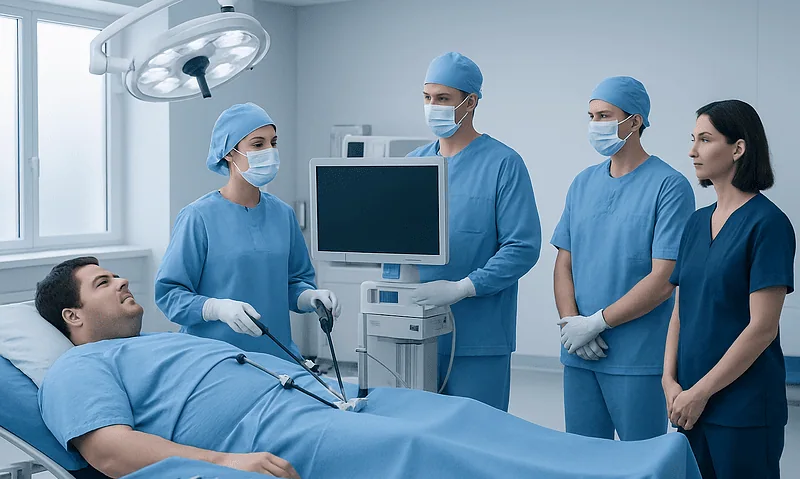
Gastroparesis Testing: What Gastric Emptying Studies and Motility Tests Show

Gastroparesis testing measures how well the stomach moves food into the small intestine. A gastric emptying study is the most commonly used test to confirm delayed stomach emptying.
Key Takeaways
- Gastroparesis testing measures how well the stomach moves food into the small intestine.
- A gastric emptying study is the most commonly used test to confirm delayed stomach emptying.
- Doctors often combine imaging, blood tests, and motility tests to rule out other causes of symptoms.
- Preparation matters because medicines, blood sugar levels, and meal timing can affect test results.
- Test results help guide treatment, including diet changes, medicines, and follow-up care.
Gastroparesis testing helps doctors understand whether the stomach is emptying food more slowly than normal and why symptoms may be happening. These tests can confirm delayed gastric emptying, rule out blockage, and guide the next steps in treatment.
Overview: Why gastroparesis testing is done
Gastroparesis testing is used when a person has symptoms that suggest the stomach may be emptying too slowly. Common concerns include nausea, vomiting, early fullness, bloating, upper abdominal discomfort, and feeling overly full long after a meal. Because these symptoms can also happen with other digestive problems, testing is important to make the diagnosis more accurate.
Gastroparesis means delayed gastric emptying without a physical blockage. In simple terms, the stomach muscles and nerves do not move food onward as efficiently as they should. The condition is often evaluated by specialists in neurogastroenterology because the digestive tract depends on coordinated nerve and muscle activity.
The goal of testing is not only to confirm whether stomach emptying is delayed, but also to look for possible causes and rule out other explanations. A doctor may first consider conditions such as indigestion, peptic ulcer disease, reflux, medication effects, or a narrowing in the stomach outlet before deciding which tests are most helpful.
Results from gastroparesis testing can help guide a practical care plan. Depending on the findings, that may include dietary changes, medication review, blood sugar management, and targeted treatment for gastroparesis or another motility disorder.
Symptoms and situations that may lead to testing

Doctors may recommend gastroparesis testing when symptoms are ongoing, unexplained, or affecting nutrition and quality of life. The symptoms often become more noticeable after meals, especially large or high-fat meals, because these take longer for the stomach to process even under normal conditions.
Symptoms that commonly prompt testing include:
- Nausea, sometimes with vomiting of undigested food
- Early satiety, meaning feeling full after only a few bites
- Bloating or upper abdominal fullness
- Loss of appetite
- Upper abdominal pain or discomfort
- Unintentional weight loss or poor nutrition
- Erratic blood sugar levels in people with diabetes
Testing may also be considered when symptoms persist despite treatment for more common problems, or when a person has a condition linked with nerve or muscle dysfunction. Diabetes, prior stomach surgery, certain autoimmune or neurologic disorders, and some medications can all affect how the stomach empties.
In some cases, symptoms that seem similar may actually come from another digestive condition. For example, doctors may need to distinguish delayed gastric emptying from reflux disease, functional dyspepsia, or bowel motility problems. This is why a careful history, physical examination, and the right sequence of tests are important.
What tests are used to diagnose gastroparesis
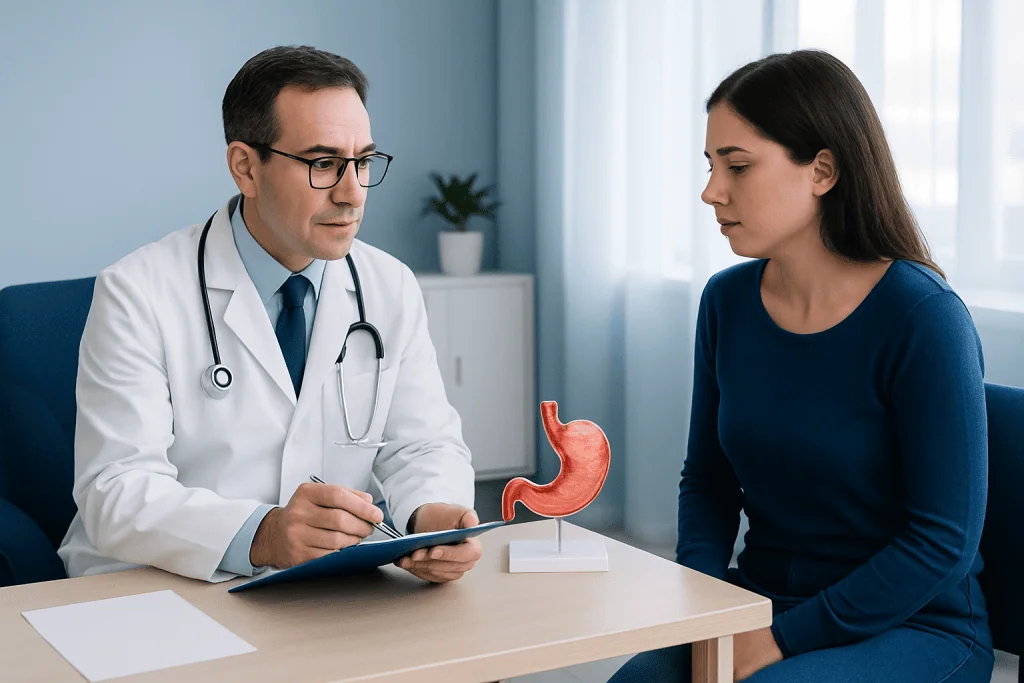
The most widely used test to confirm gastroparesis is a gastric emptying study, often performed as gastric emptying scintigraphy. This test tracks how quickly a standard meal leaves the stomach over several hours. It helps show whether food is moving more slowly than expected and is considered a key part of diagnosis.
Doctors may also use other tests depending on symptoms, medical history, and local expertise. These can include a gastric emptying breath test, wireless motility capsule testing, upper endoscopy, or imaging studies to rule out a structural problem. Blood tests may also be ordered to look for dehydration, electrolyte imbalance, thyroid disease, or diabetes-related issues.
Each test answers a slightly different question. Some tests measure emptying speed directly, while others evaluate pressure patterns, transit time, or whether there is an actual blockage. A person does not always need every test; the choice depends on what the doctor is trying to confirm or exclude.
When symptoms are complex, specialists may investigate whether there is broader digestive tract dysmotility rather than delayed stomach emptying alone. In selected cases, advanced motility testing and consultation with a gastroenterology or neurogastroenterology team can help clarify the diagnosis and best next steps.
Gastric emptying studies: what they show and how to prepare
A gastric emptying scan usually involves eating a small standard meal that contains a tiny amount of safe radioactive tracer. A scanner then takes images at set intervals to see how much of the meal remains in the stomach over time. The test is painless, and the amount of radiation used is generally low.
The main result is whether stomach emptying is normal, delayed, or occasionally faster than expected. If a large portion of the meal remains in the stomach after the expected time, this supports a diagnosis of delayed gastric emptying. The scan can also help estimate how severe the delay is, which may be useful when planning treatment.
Preparation matters because many factors can change stomach emptying. A doctor may advise avoiding certain medicines before the test, especially drugs that slow or speed gut movement, if it is safe to do so. Patients are often asked to fast beforehand, and people with diabetes may receive special instructions because high blood sugar itself can slow stomach emptying and affect the accuracy of results.
A gastric emptying breath test may be offered in some centers as an alternative. In that test, a person eats a meal containing a special nonradioactive substance, and breath samples are collected over time. This can provide similar information about the speed of gastric emptying, although the best test choice depends on the clinical situation and the center’s expertise in digestive diagnostic evaluation.
Other motility tests and related exams
If doctors need more information beyond a gastric emptying study, they may recommend additional motility tests. A wireless motility capsule is one option. The person swallows a small capsule that sends data as it moves through the digestive tract, helping estimate transit through the stomach and intestines.
Upper endoscopy is commonly used not to diagnose gastroparesis directly, but to rule out a blockage, ulcer, inflammation, or another structural problem that could explain the symptoms. During this procedure, a flexible camera is passed through the mouth into the esophagus, stomach, and upper small intestine. If retained food is seen after fasting, it may support concern for delayed emptying, but this finding alone does not confirm the diagnosis.
In some people, doctors may consider antroduodenal manometry or other specialized motility studies. These tests measure pressure and coordination in the stomach and small intestine and may be helpful when symptoms are severe or when standard tests are unclear. They are typically performed in specialized centers with experience in neurogastroenterology.
Imaging such as abdominal ultrasound or CT may be used when another cause of symptoms is suspected, especially pain, vomiting, or weight loss. These tests do not measure stomach emptying in the same way, but they can help identify gallbladder disease, masses, inflammation, or other conditions that may need separate treatment.
How doctors interpret results and what happens next
Test results are interpreted together with symptoms, medical history, examination findings, and any related conditions. A delayed gastric emptying result does not always explain every symptom on its own, and sometimes symptoms can be significant even when delay is mild. For that reason, treatment is tailored to the whole clinical picture rather than a single test number.
If testing confirms gastroparesis, the doctor will also look for possible contributing factors. Diabetes, prior surgery, viral illness, connective tissue disease, neurologic disorders, and medication side effects are examples. Sometimes no clear cause is found, in which case the condition may be described as idiopathic.
Next steps often include practical measures such as smaller meals, lower-fat and lower-fiber meal planning, hydration support, and review of medicines that may slow the stomach. Some people may be advised to see a dietitian, especially if weight loss, poor appetite, or vitamin deficiencies are concerns. Further treatment may involve medicines that help symptoms or improve motility, based on individual needs and suitability.
When symptoms are persistent or severe, a specialist may discuss procedural options or treatment for related conditions. Depending on the evaluation, care may involve endoscopic, medical, and nutritional support, sometimes alongside assessment for functional dyspepsia or other overlapping disorders.
Treatment planning, self-care, and when to seek medical advice
Gastroparesis testing is only one part of care, but it plays a key role in choosing treatment. Many people benefit from simple changes such as eating smaller meals more often, chewing well, choosing softer foods when symptoms flare, and limiting very fatty meals. For some, liquid nutrition is easier to tolerate than solid foods because liquids may leave the stomach more easily.
Medical treatment may include medicines to relieve nausea or support stomach movement, though the most appropriate choice depends on the person’s symptoms, other health conditions, and test results. If dehydration, significant weight loss, or poor blood sugar control is present, the doctor may recommend more intensive support. In selected cases, advanced options may be discussed through a team experienced in advanced endoscopy and motility care.
People should seek medical advice promptly if they are unable to keep fluids down, have persistent vomiting, faintness, signs of dehydration, black stools, vomiting blood, worsening abdominal pain, or rapid weight loss. These symptoms do not always mean gastroparesis, but they do need timely medical assessment.
Near the end of the diagnostic journey, some patients benefit from care in a center where gastroenterologists, radiologists, dietitians, and motility specialists work together. Acibadem International’s multidisciplinary specialists and JCI-accredited hospitals evaluate and treat digestive motility disorders for international patients, including cases that may require coordinated gastrointestinal surgery or specialized follow-up when another condition is identified.
Frequently asked questions
What is the best test for gastroparesis?
A gastric emptying study, especially gastric emptying scintigraphy, is commonly considered the standard test for confirming delayed stomach emptying. It shows how much of a meal remains in the stomach over time and helps doctors make a more reliable diagnosis.
How long does a gastric emptying study take?
Many gastric emptying studies take several hours because images are collected at set time points after a test meal. The exact schedule can vary by center, but patients should usually plan for a half-day visit.
Do gastroparesis tests hurt?
Most gastroparesis tests are not painful. A gastric emptying scan involves eating a test meal and having images taken, while other studies such as endoscopy may involve sedation to improve comfort.
Can medications affect gastroparesis test results?
Yes, some medicines can slow or speed stomach emptying and may change the results. A doctor will explain which medicines may need to be paused before testing, if it is safe to do so.
Why might a doctor order endoscopy as well as a gastric emptying test?
Endoscopy helps rule out a blockage, ulcer, inflammation, or another structural cause of symptoms. It does not replace a gastric emptying study, but it can be an important part of the overall evaluation.
Can gastroparesis be diagnosed if symptoms come and go?
Yes, testing may still be useful even if symptoms fluctuate. Doctors interpret the results along with the symptom pattern, medical history, and possible triggers such as blood sugar changes or medication use.
References
- National Institute of Diabetes and Digestive and Kidney Diseases
- American College of Gastroenterology
- American Gastroenterological Association
- National Institute for Health and Care Excellence
- Society of Nuclear Medicine and Molecular Imaging
This article is for general information only and is not a substitute for professional medical advice. Please consult a qualified doctor about your individual situation.
Persistent digestive symptoms? Get evaluated in Turkey
JCI-accredited · board-certified surgeons · reply within 24h
Add us as a Preferred Source to see more of our trusted health content across Google Search, AI Overviews and Discover.