Genderqueer: A Complete Medical Overview

Genderqueer is a gender identity, not a disease or mental disorder. Some genderqueer people seek no medical treatment, while others may want supportive mental health or gender-affirming care.
Key Takeaways
- Genderqueer is a gender identity, not a disease or mental disorder.
- Some genderqueer people seek no medical treatment, while others may want supportive mental health or gender-affirming care.
- Respectful, individualized healthcare can improve comfort, trust, and overall well-being.
- Depression, anxiety, stress, or distress related to gender experiences should be discussed with a qualified clinician.
- Medical care may include counseling, routine preventive care, and, for some people, gender-affirming treatments.
Genderqueer is a gender identity term used by people whose gender is not exclusively male or female. A medical overview focuses not on labeling someone as ill, but on understanding health needs, respectful care, emotional well-being, and support when medical or mental health concerns arise.
Overview: what genderqueer means in healthcare
Genderqueer is a term some people use when their gender identity does not fit only within the categories of male or female. A genderqueer person may feel that their gender is between, beyond, mixed, fluid, or outside these traditional categories. In healthcare, this is understood as part of human diversity rather than a medical illness.
From a medical perspective, the important question is not whether a person’s identity is valid, but what kind of care, communication, and support they need. Some genderqueer people want only respectful routine healthcare. Others may seek counseling, social support, or gender-affirming services to feel more comfortable in their body, daily life, or relationships.
Gender identity is different from sexual orientation. A genderqueer person may be attracted to men, women, more than one gender, or no one at all. Separating these concepts can help patients and clinicians have clearer, more useful discussions about health needs.
How genderqueer identity may affect health and well-being
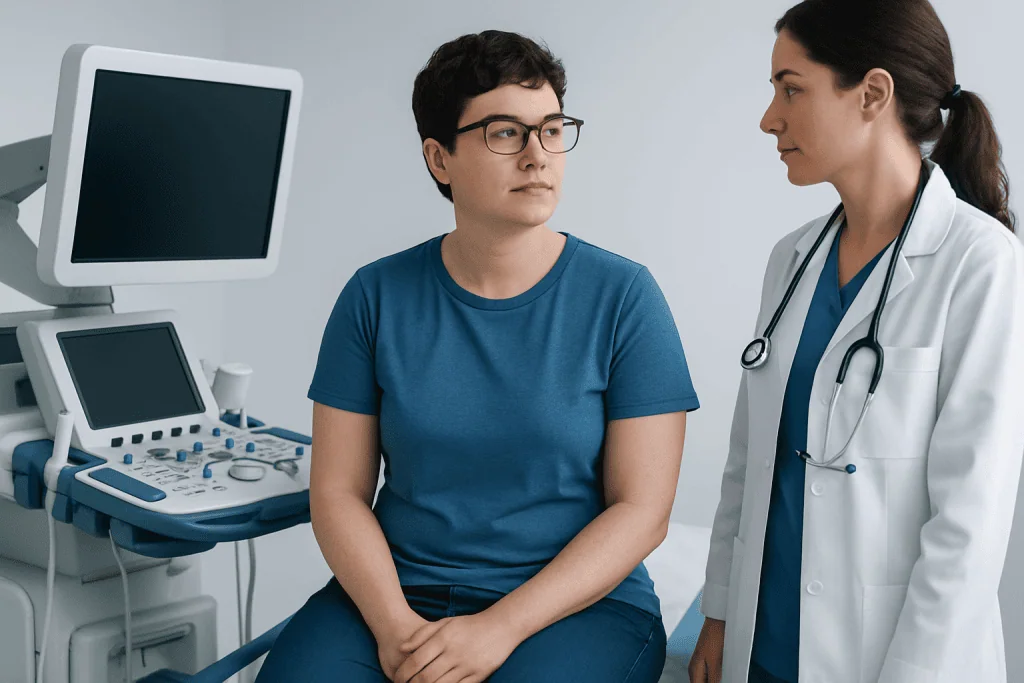
Being genderqueer does not itself cause poor health. However, social stress, misunderstanding, discrimination, or lack of affirming care can affect emotional and physical well-being. Some people experience chronic stress from being misgendered, feeling pressured to hide their identity, or worrying about how they will be treated in medical settings.
This stress can contribute to anxiety, low mood, sleep problems, or difficulty concentrating. For some, distress may be related to body features, social roles, or legal and family pressures. For others, being recognized and respected in their identity improves confidence, relationships, and overall quality of life.
Healthcare visits may also be more complex if a person avoids routine care because of previous negative experiences. Missed checkups, screenings, or treatment can delay diagnosis of unrelated health issues. Supportive, inclusive care helps people receive preventive services on time and discuss sensitive concerns more openly.
When emotional distress is significant, clinicians may evaluate for conditions such as depression or anxiety while still respecting that gender diversity itself is not a disorder. The goal is to support well-being, not to question identity.
Common concerns people may discuss with a doctor

Genderqueer people may seek care for many of the same reasons as anyone else, including routine checkups, infections, pain, chronic disease management, and preventive screening. In addition, they may want help with name and pronoun use in healthcare records, reproductive health planning, sexual health, or questions about body changes.
Some people feel discomfort or distress related to certain physical traits, social presentation, or the way others perceive them. Others may have no body-related concerns at all. A doctor may ask open, respectful questions to understand whether the person is looking for emotional support, practical guidance, or specific medical options.
Topics that often come up include:
- Stress, anxiety, or low mood related to identity or stigma
- Puberty, menstruation, fertility, or contraception concerns
- Questions about chest, facial, voice, or body hair changes
- Sexual health testing and prevention
- Interest in counseling or psychotherapy
- Questions about gender-affirming medical or surgical care
These discussions are individualized. Not every genderqueer person wants medical transition, and there is no single pathway that fits everyone.
Causes, identity development, and risk factors for distress
There is no single known cause of a person being genderqueer. Gender identity develops through a complex combination of biological, psychological, social, and developmental influences. Medicine does not define genderqueer identity as something that must be prevented or cured.
What clinicians do assess are factors that may increase distress or reduce well-being. These can include family rejection, bullying, discrimination, isolation, trauma, unstable housing, and lack of access to affirming care. Young people and adults may also be affected by cultural expectations that make it hard to express a nonbinary or gender-diverse identity safely.
Protective factors can make a major difference. Supportive family members, trusted friends, inclusive schools or workplaces, and access to informed healthcare professionals are linked with better mental health outcomes. Being able to use a chosen name, pronouns, and comfortable gender expression can also reduce stress for many people.
When distress is intense, doctors may consider related conditions such as gender dysphoria in those who experience clinically significant discomfort linked to incongruence between identity and certain bodily features or assigned sex. Not all genderqueer people have gender dysphoria.
How doctors assess needs and make a diagnosis
There is no medical test that diagnoses someone as genderqueer. Instead, healthcare professionals listen to the person’s own description of their gender identity, experiences, and goals. The clinical assessment focuses on health status, emotional well-being, safety, and whether there are concerns such as anxiety, depression, trauma, or body-related distress that need support.
A medical visit may include a general health history, medication review, mental health screening, and discussion of reproductive and sexual health where relevant. If a person is considering medical transition, clinicians also review past health conditions, fertility goals, and the possible benefits and limits of treatment. The emphasis is on informed, shared decision-making.
Physical exams and lab tests are only used when they are relevant to symptoms, preventive care, or treatment planning. For example, someone considering hormone-related treatment may need baseline blood tests or review by specialists. Others may only need routine age-appropriate screening, regardless of gender identity.
In multidisciplinary settings, care may involve primary care, mental health professionals, endocrinologists, gynecologists, urologists, or surgeons. This can be especially helpful when a person has both emotional concerns and questions about medical options.
Treatment options and supportive care
Treatment is not aimed at changing a genderqueer identity. Instead, care is designed to support health, relieve distress where present, and help each person make informed choices. For some, the most helpful intervention is respectful routine healthcare and a supportive environment. For others, counseling may help with coping, identity exploration, relationships, trauma, or stress management.
Mental health support can be especially valuable when a person is dealing with rejection, anxiety, depression, or uncertainty about next steps. Gender-affirming counseling does not push any particular outcome. It helps people clarify their needs, understand options, and build resilience.
Some genderqueer people may consider medical interventions such as hormone therapy to achieve physical changes that feel more congruent with their identity. Others may seek selected procedures, such as chest reduction surgery or other individualized surgical care, while many do not want any medical procedures at all. The decision depends on personal goals, health history, and specialist evaluation.
Routine preventive care remains important. Screenings should be based on the organs a person has, their age, family history, and risk factors. Near the end of the care journey, some patients may choose evaluation at centers experienced in inclusive multidisciplinary care; Acibadem International’s multidisciplinary specialists and JCI-accredited hospitals provide diagnosis and treatment support for international patients when gender-related health concerns overlap with mental health, endocrine, or surgical needs.
Self-care, prevention, and building a supportive health plan
There is nothing to prevent about being genderqueer, but there are practical steps that can protect health and reduce stress. A good plan starts with finding a clinician who communicates respectfully and takes concerns seriously. Keeping regular appointments for vaccinations, chronic disease care, sexual health, and age-appropriate screening can prevent unrelated medical problems from being missed.
Self-care also includes attention to sleep, physical activity, nutrition, and stress management. Supportive communities, peer groups, or trusted counseling can help many people feel less isolated. If body image or social stress is affecting daily functioning, discussing this early with a qualified professional may prevent symptoms from becoming more severe.
Helpful strategies may include:
- Choosing healthcare providers who use correct names and pronouns
- Keeping a personal record of medications, surgeries, and screening needs
- Seeking counseling when stress, fear, or sadness begin to interfere with daily life
- Discussing fertility goals before starting any treatment that may affect reproduction
- Maintaining preventive care based on anatomy and medical history, not assumptions
For adolescents and adults alike, a clear support network can improve confidence and continuity of care. Family members or partners who want to help may benefit from joining medical visits, if the patient wishes.
When to seek medical care
A person should consider medical care if they are experiencing persistent anxiety, low mood, panic, sleep problems, self-harm thoughts, or distress related to body changes, identity, or social treatment. Care is also appropriate when there are questions about fertility, sexual health, menstruation, chest concerns, hormones, or possible gender-affirming procedures.
Urgent help is needed if there are thoughts of suicide, self-harm, severe depression, threats of violence, or inability to function in daily life. In these situations, emergency or crisis services should be contacted right away. Timely care can provide safety, stabilization, and connection to the right specialists.
It is also reasonable to book a non-urgent appointment simply to establish affirming care, ask questions, or review options. Early conversations often make future decisions easier and help patients receive personalized, respectful support.
Frequently asked questions
Is genderqueer a medical condition?
No. Genderqueer is a gender identity term, not a disease or mental disorder. Medical care focuses on a person’s overall health, emotional well-being, and any support they may want or need.
What is the difference between genderqueer and nonbinary?
These terms can overlap, but they are not always used in exactly the same way. Many people use genderqueer or nonbinary to describe a gender outside only male or female, while others feel one term fits them better than the other.
Do all genderqueer people need treatment?
No. Many genderqueer people do not want any medical treatment related to gender. Others may benefit from counseling, supportive mental healthcare, or gender-affirming medical options depending on their goals and symptoms.
Can a genderqueer person experience gender dysphoria?
Yes, some can, but not everyone does. Gender dysphoria refers to clinically significant distress related to incongruence between identity and certain bodily features or assigned sex, while genderqueer is an identity term.
What kind of doctor should a genderqueer person see?
A primary care doctor can often be the starting point for routine health needs and referrals. Depending on the concern, care may also involve a mental health professional, endocrinologist, gynecologist, urologist, or surgeon with experience in gender-affirming care.
Should preventive screenings change for genderqueer patients?
Screenings are usually based on age, anatomy, family history, and risk factors rather than identity label alone. A clinician can create a personalized plan for screenings such as cervical, breast, prostate, or sexual health checks where relevant.
This article is for general information only and is not a substitute for professional medical advice. Please consult a qualified doctor about your individual situation.
Explore treatments in Turkey — costs, top hospitals & a free quote
JCI-accredited · board-certified surgeons · reply within 24h
Add us as a Preferred Source to see more of our trusted health content across Google Search, AI Overviews and Discover.

More from the Health Library

Altitude Sickness — Explained by Medical Evidence, Not Myths

Third Degree Heart Block — Explained by Medical Evidence, Not Myths

Ketoconazole Cream: A Complete Medical Overview

Ozempic Butt: A Complete Medical Overview

Meditation Techniques: An Evidence-Based Guide for Patients