Gene Therapy for Wiskott Aldrich Syndrome: How It Works, Results and What to Expect

Wiskott-Aldrich syndrome is a rare inherited disorder that affects immune cells, platelets and sometimes eczema. Gene therapy uses a corrected copy of the WAS gene in a patient’s own blood-forming stem cells.
Key Takeaways
- Wiskott-Aldrich syndrome is a rare inherited disorder that affects immune cells, platelets and sometimes eczema.
- Gene therapy uses a corrected copy of the WAS gene in a patient’s own blood-forming stem cells.
- The procedure includes stem-cell collection, laboratory gene modification, chemotherapy conditioning and reinfusion of corrected cells.
- Early clinical results have shown meaningful immune and platelet improvements in many treated patients, but long-term follow-up remains essential.
- Allogeneic stem cell transplantation remains an established potentially curative option, especially when a suitable donor is available.
Gene therapy for Wiskott-Aldrich syndrome is an advanced treatment that modifies a person’s own blood-forming stem cells so they can produce the WAS protein that is missing or faulty in this inherited condition. It is being studied and offered in selected specialist settings, with the aim of improving immune function, bleeding problems and other disease-related complications without requiring donor stem cells.
Overview: What Gene Therapy Means for Wiskott-Aldrich Syndrome
Gene therapy for Wiskott-Aldrich syndrome is designed to address the underlying genetic cause of the condition. Doctors collect the patient’s own blood-forming stem cells, add a functioning version of the WAS gene in a specialist laboratory, and return the corrected cells after preparatory treatment. These cells may then make healthier immune cells and platelets over time.
Wiskott-Aldrich syndrome (WAS) is an X-linked inherited condition, meaning it most often affects boys and men. It can cause unusually small platelets and easy bleeding, recurrent or serious infections, eczema, autoimmune inflammation and an increased risk of certain blood cancers. Severity varies considerably between individuals, including among people with changes in the same gene.
Gene therapy is not appropriate or available for every person with WAS. It is a highly specialized approach that requires assessment by clinicians experienced in inherited immune disorders, stem-cell therapies, transplantation and long-term monitoring. Wiskott-Aldrich syndrome care also includes infection prevention, bleeding management and treatment of inflammatory or autoimmune complications when needed.
How Gene Therapy Works
WAS is caused by disease-causing changes in the WAS gene. This gene provides instructions for making WAS protein, which helps immune cells communicate, move and function normally. It also has an important role in the development and function of platelets, the blood components that help stop bleeding.
In gene therapy, doctors usually collect hematopoietic stem cells from the blood after medicines encourage these cells to move from the bone marrow into the bloodstream. In the laboratory, a modified virus called a viral vector delivers a working copy of the WAS gene into the stem cells. The vector is engineered to carry genetic material; it does not cause the original viral illness.
Before the corrected cells are infused, conditioning chemotherapy creates space in the bone marrow and helps the new cells establish themselves. Once infused into a vein, the cells travel to the bone marrow, where they can produce new blood and immune cells. This differs from donor bone marrow transplantation, in which the stem cells come from another person rather than from the patient.
Who May Be Considered for Treatment?
Candidacy is decided individually. A specialist team considers the person’s genetic diagnosis, disease severity, bleeding history, infection pattern, immune function, autoimmune disease, organ health, previous treatments and the availability of a suitably matched stem-cell donor. The person’s age, ability to undergo conditioning chemotherapy and the gene-therapy program’s eligibility criteria are also important.
Gene therapy may be considered when the expected benefits of using the person’s own corrected cells are thought to outweigh the risks, particularly when a well-matched donor is unavailable or donor transplantation carries substantial concerns. However, a matched-donor transplant may still be recommended for many patients because it is an established treatment with extensive long-term experience.
Evaluation commonly involves blood counts, platelet assessment, immune testing, infection screening, genetic counseling and reviews by hematology, immunology and transplant specialists. Families should be given time to discuss alternatives, likely monitoring needs, fertility considerations related to conditioning treatment and practical matters such as travel and follow-up.
What Happens During the Procedure and Recovery?
The process begins with detailed testing and planning. Stem cells are usually mobilized and collected through a procedure called apheresis, in which blood passes through a machine that separates and collects stem cells before returning the remaining blood components to the body. The cells are then sent to a specialized laboratory for genetic modification and quality checks.
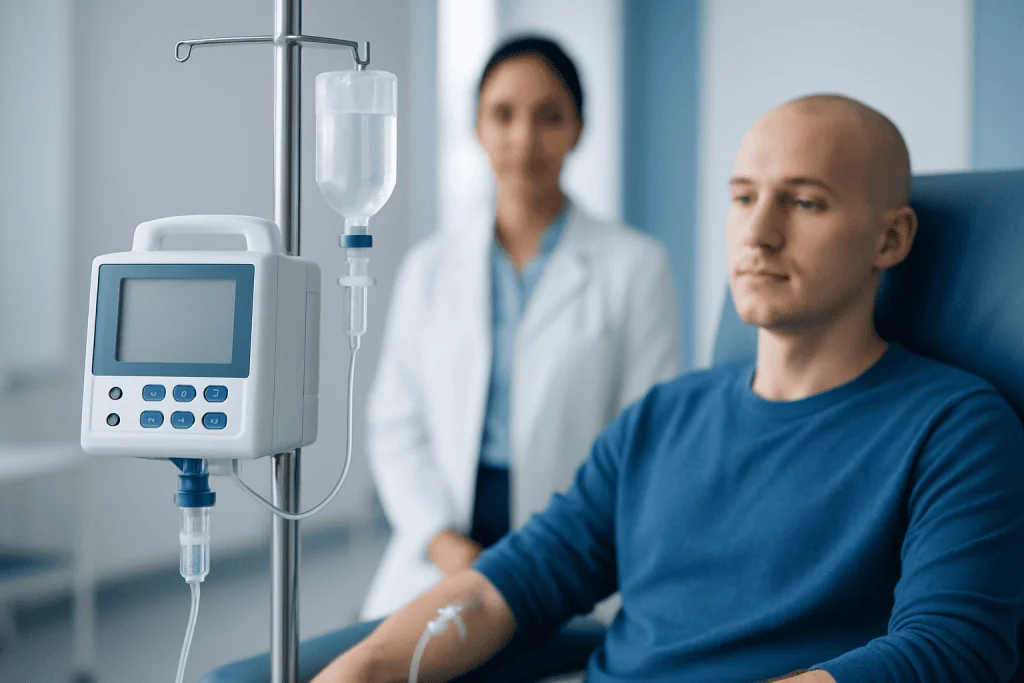
When the corrected cells are ready, the patient receives conditioning chemotherapy. The exact regimen depends on the treatment protocol and individual health factors. Chemotherapy can temporarily lower blood counts and weaken immune defenses, so patients are closely monitored for infection, bleeding, nausea, mouth sores and other treatment effects.
The modified cells are infused through a vein, similarly to a blood transfusion. The first weeks are usually spent under close supervision while the stem cells engraft, meaning they begin producing new blood cells. Blood counts may recover gradually over several weeks, while immune improvement and changes in platelet function can continue over months.
Long-term follow-up is essential. It includes regular blood tests, immune assessments, monitoring for infections and autoimmune symptoms, and evaluation for delayed effects of chemotherapy or gene insertion. Acibadem International’s multidisciplinary specialists and JCI-accredited hospitals can assess and treat complex inherited blood and immune disorders for international patients.
Potential Benefits, Risks and Current Results
Clinical studies of modern lentiviral gene therapy for WAS have reported encouraging improvements in immune-cell function and reductions in infections, eczema and autoimmune complications for many participants. Platelet counts and bleeding tendency may also improve, although platelet recovery may be incomplete in some people. Individual results cannot be predicted in advance.
A key potential benefit is that the treatment uses the patient’s own cells. This avoids graft-versus-host disease, a complication in which donor immune cells attack the recipient’s tissues after an allogeneic transplant. It also avoids the need to identify a matched donor. Even so, gene therapy still requires conditioning chemotherapy and intensive follow-up.
Risks include complications from stem-cell collection and chemotherapy, such as infections, low blood counts, bleeding, fatigue, infertility risk and organ toxicity. Gene therapy also has theoretical and monitored long-term risks related to insertion of the added gene into cellular DNA. Earlier types of gene therapy for some inherited disorders raised concerns about abnormal blood-cell growth; current vectors and protocols are designed to reduce this risk, but lifelong or very long-term monitoring remains important.
Because access and regulatory approval differ by country, gene therapy may be available through clinical trials, authorized programs or carefully selected specialist centers. A treating team can explain what evidence applies to a specific program and whether another approach may be safer or more suitable.
Can Wiskott-Aldrich Syndrome Be Cured?
Wiskott-Aldrich syndrome can potentially be cured at the level of blood and immune-cell production with successful hematopoietic stem-cell transplantation from a donor. Gene therapy also aims to provide a durable correction using the patient’s own stem cells, and early results are promising. However, it is still important to describe gene therapy carefully: long-term outcomes continue to be studied, and it cannot yet guarantee a cure for every person.
Even after successful treatment, patients need ongoing medical follow-up. This is particularly important for monitoring immune recovery, platelet function, prior organ complications and possible late effects of conditioning therapy. Some symptoms or complications that developed before treatment may need separate care.
Supportive treatments remain important before definitive therapy and sometimes during recovery. Depending on the individual, these may include immunoglobulin replacement, antibiotics to prevent infection, treatment for eczema, transfusion support and management of autoimmune disease. Care plans should be tailored by a specialist team.
What Is the Average Lifespan for People With Wiskott-Aldrich Syndrome?
There is no single average lifespan that accurately describes everyone with Wiskott-Aldrich syndrome. Outcomes vary with the specific genetic change, severity of immune and platelet problems, access to expert care, complications such as severe infections or bleeding, and whether definitive treatment is successful.
Historically, severe WAS could substantially shorten life expectancy because of infections, bleeding, autoimmune disease and cancer risk. Modern supportive care, donor stem-cell transplantation and emerging gene-based therapies have improved the outlook considerably for many people. A specialist familiar with the patient’s medical history is best placed to discuss prognosis in a meaningful and individualized way.
Families may find it helpful to ask about current disease control, transplant or gene-therapy suitability, infection prevention and the monitoring plan. These discussions can turn broad prognosis questions into practical decisions that support health and quality of life.
When to Seek Medical Care
People with known or suspected WAS should remain under regular care with a pediatric or adult immunology and hematology team. Prompt medical advice is important for fever, signs of infection, persistent cough or breathing difficulty, worsening eczema, unusual fatigue, new swollen glands, abdominal pain or unexplained weight loss.
Urgent assessment is needed for heavy or difficult-to-stop bleeding, blood in vomit, stool or urine, a significant head injury, severe headache, confusion, marked weakness or widespread unexplained bruising. Families should follow their own clinician’s emergency plan, especially when platelet counts are low.
Anyone considering gene therapy should seek care at a center experienced in inherited immune disorders and cellular therapies. A consultation can clarify diagnosis, current disease risks, donor-transplant options, clinical-trial eligibility and whether specialist hematology care is needed alongside immunology and transplant services.
Frequently asked questions
Will insurance pay for gene therapy?
Insurance coverage for gene therapy depends on the country, insurance policy, regulatory approval status and whether treatment is provided within a clinical trial or an authorized program. Coverage may also differ for testing, stem-cell collection, hospitalization, medicines and long-term follow-up. A hospital financial counselor and the insurer can help confirm benefits and required prior authorization before treatment planning.
Can you give me a real-life example of gene therapy?
A well-known example is gene therapy for certain inherited blood disorders, where a patient’s own blood-forming stem cells are collected, genetically corrected in a laboratory and returned after conditioning treatment. In Wiskott-Aldrich syndrome studies, this approach has enabled treated patients to produce immune cells with improved WAS protein function and has reduced disease complications in many cases. Published outcomes should be interpreted with the treating team because study participants and treatment protocols differ.
Is gene therapy safer than donor stem-cell transplantation for Wiskott-Aldrich syndrome?
Neither option is automatically safer for every person. Gene therapy avoids donor-related complications such as graft-versus-host disease, but it still requires chemotherapy and carries its own short- and long-term risks. Donor transplantation has a longer clinical track record, particularly with a well-matched donor, so decisions require individualized assessment by experienced specialists.
How long does recovery take after Wiskott-Aldrich syndrome gene therapy?
The early recovery period often takes several weeks, as blood counts fall after conditioning chemotherapy and then recover while corrected stem cells engraft. Immune recovery, changes in infection frequency and improvement in platelet-related symptoms may continue over months. Follow-up continues for years because clinicians need to monitor both benefit and possible delayed effects.
Does gene therapy require a donor?
Gene therapy for Wiskott-Aldrich syndrome generally uses the patient’s own blood-forming stem cells, so a donor is not required. This is one reason it may be considered for patients without a suitable donor. A donor search may still be discussed because donor stem-cell transplantation remains an important treatment option.
Can adults receive gene therapy for Wiskott-Aldrich syndrome?
Adults may be considered in some specialist programs, but eligibility depends on overall health, disease complications, organ function and the criteria of the available treatment protocol. WAS is often diagnosed in childhood, yet some people have milder disease and are diagnosed later. Adult patients should be evaluated by teams experienced in both inherited immunodeficiency and cellular therapy.
References
- World Health Organization
- National Institutes of Health
- National Institute of Allergy and Infectious Diseases
- European Society for Blood and Marrow Transplantation
- Immune Deficiency Foundation
This article is for general information only and is not a substitute for professional medical advice. Please consult a qualified doctor about your individual situation.
Explore treatments in Turkey — costs, top hospitals & a free quote
JCI-accredited · board-certified surgeons · reply within 24h
Add us as a Preferred Source to see more of our trusted health content across Google Search, AI Overviews and Discover.