Genetic Counseling for Cancer Risk: BRCA, Lynch Syndrome, and Testing

Genetic counseling is a conversation with a trained professional that explains personal and family cancer risk before and after testing. BRCA1 and BRCA2 gene changes are linked mainly to higher risks of breast, ovarian, pancreatic, and prostate cancers.
Key Takeaways
- Genetic counseling is a conversation with a trained professional that explains personal and family cancer risk before and after testing.
- BRCA1 and BRCA2 gene changes are linked mainly to higher risks of breast, ovarian, pancreatic, and prostate cancers.
- Lynch syndrome is an inherited condition that increases the risk of colorectal, endometrial, ovarian, stomach, urinary tract, and some other cancers.
- A positive genetic test does not mean a person will definitely develop cancer, and a negative result does not always remove all risk.
- Results can guide screening, prevention, treatment decisions, and testing for relatives when appropriate.
- Testing should be chosen and interpreted with a qualified genetics professional or doctor.
Genetic counseling for cancer risk helps people understand whether inherited gene changes may increase their chance of developing certain cancers. It is especially important for families with patterns of breast, ovarian, colorectal, endometrial, pancreatic, prostate, or related cancers.
Overview
Genetic counseling for cancer risk is a medical service that helps individuals and families understand whether cancer may be partly related to inherited gene changes. Most cancers are not inherited in a simple way, but some people are born with a gene variant that increases their lifetime risk. When this is suspected, counseling and testing can provide information that supports earlier screening, prevention planning, and informed decisions.
Two of the best-known hereditary cancer conditions are related to BRCA1 and BRCA2 genes and Lynch syndrome genes. BRCA-related hereditary breast and ovarian cancer syndrome can increase the risk of breast, ovarian, pancreatic, and prostate cancers. Lynch syndrome, also called hereditary nonpolyposis colorectal cancer, is linked mainly to colorectal and endometrial cancers, but it can also involve the ovaries, stomach, small bowel, urinary tract, pancreas, and other organs.
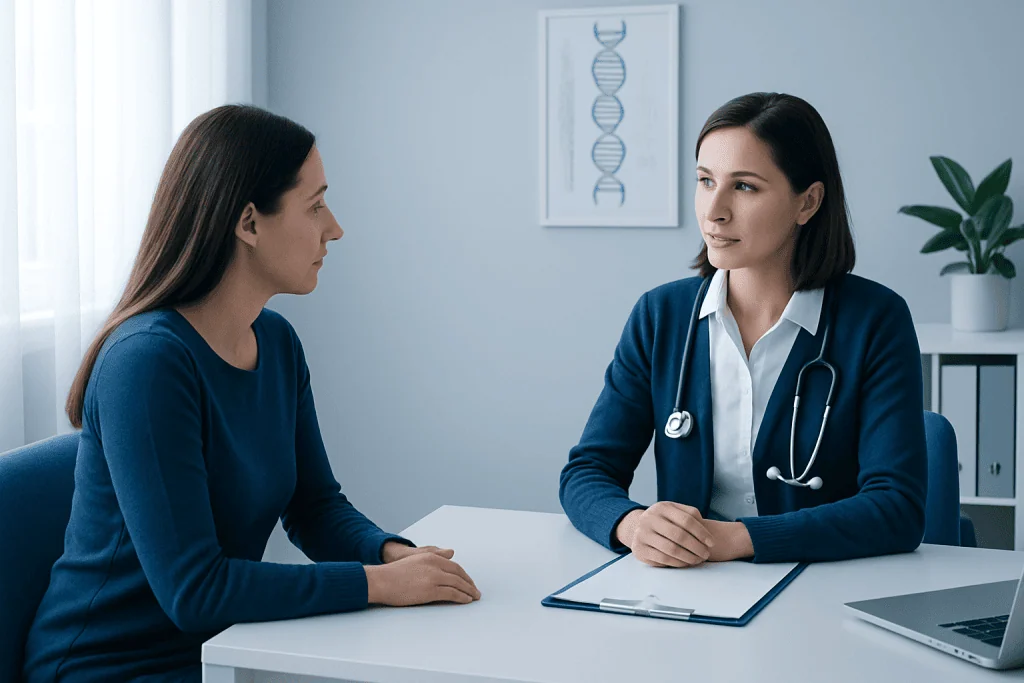
Genetic counseling is not simply a blood or saliva test. It includes a detailed review of personal and family history, discussion of possible test results, and explanation of how results may affect medical care and relatives. The goal is to make testing thoughtful, useful, and emotionally supported, rather than rushed or confusing.
Who May Benefit from Genetic Counseling

A person may be referred for cancer genetic counseling because of their own diagnosis, a family history of cancer, or a known genetic variant in a relative. Certain patterns can suggest a hereditary cancer syndrome, especially when cancers occur at younger ages, affect multiple relatives, or appear in more than one generation on the same side of the family.
Genetic counseling may be helpful for people with a personal or family history that includes:
- Breast cancer diagnosed at a young age, triple-negative breast cancer, or breast cancer in both breasts
- Ovarian, fallopian tube, or primary peritoneal cancer at any age
- Male breast cancer
- Colorectal or endometrial cancer diagnosed at a young age
- Multiple Lynch syndrome-related cancers in one person or family
- Pancreatic cancer or metastatic or high-risk prostate cancer in the family
- A known BRCA1, BRCA2, Lynch syndrome, or other cancer-related gene variant in a blood relative
Family history should include both maternal and paternal relatives, because inherited cancer risk can come from either side. Information about the type of cancer, age at diagnosis, and whether relatives had genetic testing can make the assessment more accurate. Even when family history is limited or unknown, a person with certain cancer diagnoses may still qualify for counseling and testing.
BRCA, Lynch Syndrome, and Other Hereditary Cancer Genes
BRCA1 and BRCA2 are genes involved in repairing damaged DNA. When a person inherits a harmful variant in one of these genes, cells may have more difficulty repairing DNA changes, which can increase the risk of certain cancers. These gene changes are most often discussed in relation to breast and ovarian cancer, but they are also relevant for pancreatic and prostate cancer risk and, in some cases, treatment planning.
Lynch syndrome is caused by inherited changes in DNA mismatch repair genes, commonly including MLH1, MSH2, MSH6, PMS2, or EPCAM-related changes. These genes help correct errors that occur when DNA is copied. When they do not work properly, errors can build up in cells, increasing the chance of cancer development in specific organs.
Many modern genetic tests use multigene panels, which look at several cancer-related genes at the same time. These may include genes such as PALB2, CHEK2, ATM, TP53, PTEN, CDH1, STK11, and others, depending on the clinical situation. A counselor helps select the most appropriate test and explains why a broad panel may be useful for one person but unnecessary or less informative for another.
How Genetic Testing Works
Genetic testing for inherited cancer risk usually uses a blood or saliva sample. The laboratory analyzes DNA to look for inherited variants that may affect cancer risk. Testing is most informative when it starts with a family member who has had the cancer most suggestive of a hereditary syndrome, if that person is available, because a positive result can identify the exact variant for relatives to test.
Before testing, the counselor explains the possible results. A positive result means a harmful or likely harmful variant was found. A negative result means the test did not find a known harmful variant, but its meaning depends on the family history and whether a known familial variant was tested. A variant of uncertain significance, often called a VUS, means a gene change was found but there is not enough evidence to know whether it affects cancer risk.
It is important not to make major medical decisions based only on a VUS. Most uncertain variants are managed according to personal and family history until more evidence becomes available. A genetics professional can also explain privacy considerations, insurance-related questions that apply in the person’s country, and how results may be shared with relatives who could benefit from the information.
What Results May Mean for Care
Genetic test results can help personalize cancer screening and prevention. For example, people with certain BRCA-related risks may be advised to begin breast screening earlier, use breast MRI in addition to mammography, discuss risk-reducing surgery, or consider options for ovarian cancer risk reduction. The exact plan depends on the gene, age, personal health, reproductive plans, and patient preferences.
For Lynch syndrome, results may lead to earlier and more frequent colonoscopy, attention to symptoms related to endometrial or ovarian cancer, and sometimes discussion of preventive surgery after childbearing is complete. Some people may also need screening considerations for other Lynch-associated cancers, guided by the specific gene involved and family history.
Genetic findings can also affect cancer treatment. In some cancers, BRCA-related variants may influence the use of targeted therapies such as PARP inhibitors, and Lynch syndrome or mismatch repair deficiency can affect immunotherapy decisions. Treatment choices should always be made by an oncology team using the complete clinical picture, including tumor features, stage, overall health, and patient goals.
Emotional, Family, and Practical Considerations
Learning about inherited cancer risk can bring relief, worry, or mixed feelings. Some people feel empowered by having a clearer plan, while others need time to process what the information means. Genetic counselors are trained to discuss these emotional and family aspects, not only the medical facts.
Because inherited variants can be shared among relatives, results may have implications for siblings, children, parents, and extended family. This does not mean relatives are required to test, but they may have the opportunity to learn whether they carry the same variant. Counselors can help patients think through how to communicate results in a clear and respectful way.
Practical questions are also common. Patients may ask about the best age to test adult relatives, whether children should be tested, or whether results could affect future planning. In general, testing children is usually reserved for conditions where cancer risk or medical management begins in childhood; many adult-onset hereditary cancer syndromes are tested when a person is old enough to make an informed decision.
Prevention, Self-Care, and When to See a Doctor
Genetic risk is only one part of cancer risk. Healthy lifestyle measures remain important for many people, including avoiding tobacco, limiting alcohol, maintaining a healthy weight, being physically active, following recommended vaccinations and screenings, and discussing any unusual symptoms with a doctor. These steps do not remove inherited risk, but they support overall health and may reduce some preventable cancer risks.
A person should consider speaking with a doctor or genetic counselor if they have a strong family history of cancer, a relative with a known hereditary cancer gene variant, cancer diagnosed at a younger age than expected, multiple primary cancers, or a diagnosis such as ovarian cancer, pancreatic cancer, male breast cancer, or early colorectal or endometrial cancer. People who already had older genetic testing may also benefit from asking whether updated testing is appropriate, because testing technology and gene panels have changed over time.
For international patients seeking evaluation, Acibadem International’s multidisciplinary specialists and JCI-accredited hospitals can provide diagnosis, genetic counseling coordination, and cancer risk management planning. Any decision about testing, surveillance, medication, or preventive surgery should be made with qualified clinicians who can interpret the results in the context of the individual’s medical and family history.
Frequently asked questions
Does a positive BRCA or Lynch syndrome test mean cancer is certain?
No. A positive result means the person has a higher risk than the general population for certain cancers, but it does not mean cancer will definitely develop. The result can help doctors recommend screening and prevention strategies to reduce risk or detect cancer earlier.
What is the difference between genetic counseling and genetic testing?
Genetic counseling is the process of reviewing medical and family history, explaining testing options, and helping a person understand possible results. Genetic testing is the laboratory analysis of a blood or saliva sample. Counseling before and after testing helps ensure the results are correctly interpreted and used safely.
Who in the family should be tested first?
When possible, testing usually starts with a family member who has had the cancer most suggestive of an inherited syndrome. If a harmful variant is found, relatives can then have targeted testing for that specific variant. If the affected relative is not available, testing may still be considered for an unaffected person, but the result may be less informative.
Can men inherit and pass on BRCA or Lynch syndrome variants?
Yes. BRCA and Lynch syndrome gene variants can be inherited from either parent and can be passed on by women or men. Men with certain variants may also have increased risks for cancers such as prostate, pancreatic, male breast, or colorectal cancer, depending on the gene involved.
What does a variant of uncertain significance mean?
A variant of uncertain significance means a gene change was found, but experts do not yet know whether it increases cancer risk. Medical decisions are usually based on personal and family history rather than the uncertain variant alone. Over time, laboratories may reclassify some variants as more evidence becomes available.
If genetic testing is negative, is cancer risk normal?
Not always. A negative result is most reassuring when the person was tested for a known harmful variant already identified in the family. If no familial variant is known, a negative result may not fully explain a strong family history, so doctors may still recommend enhanced screening based on clinical risk.
References
- National Cancer Institute
- American Society of Clinical Oncology
- National Comprehensive Cancer Network
- Centers for Disease Control and Prevention
- European Society for Medical Oncology
This article is for general information only and is not a substitute for professional medical advice. Please consult a qualified doctor about your individual situation.
Oncology care in Turkey — second opinion and treatment plan
JCI-accredited · board-certified surgeons · reply within 24h
Add us as a Preferred Source to see more of our trusted health content across Google Search, AI Overviews and Discover.

Medical Oncology Department
Medical treatment of cancer with chemotherapy, immunotherapy and targeted therapies under a multidisciplinary tumor board.
60 specialists in this unitMore from the Health Library



Related Specialists

Dr. Engin Altunkaya
General Surgery
Dr. İsmail Beşiroviç
Inpatient Clinic Physicians Clinical Service
Dr. Erbil Ulus Duman
Ophthalmology
Assoc. Prof. Dr. Meltem Güner Can
Anesthesiology