Genioplasty: How It Works, Recovery, and What to Expect

Genioplasty reshapes the chin either by moving the patient’s own chin bone or by using an implant. The procedure may be done for cosmetic balance, correction of a small or recessed chin, or as part of jaw surgery planning.
Key Takeaways
- Genioplasty reshapes the chin either by moving the patient’s own chin bone or by using an implant.
- The procedure may be done for cosmetic balance, correction of a small or recessed chin, or as part of jaw surgery planning.
- Recovery usually includes swelling, temporary numbness, and a soft-food diet for a period recommended by the surgeon.
- Careful evaluation of the bite, facial proportions, and airway or jaw issues helps determine candidacy.
- As with any surgery, risks such as infection, bleeding, asymmetry, or nerve-related numbness should be discussed in advance.
Genioplasty is a chin-shaping procedure that changes the size, position, or projection of the chin to improve facial balance or address functional concerns. It may be performed by moving the chin bone or by placing an implant, and recovery typically involves temporary swelling, dietary changes, and follow-up care.
Overview: what genioplasty is and how it works
Genioplasty is a surgical procedure that reshapes the chin. In practical terms, it can bring the chin forward, move it backward, make it longer or shorter, or improve side-to-side symmetry. The goal is usually to create better balance among the nose, lips, jawline, and neck profile, while in some cases also supporting functional treatment planning.
There are two main approaches. In sliding genioplasty, the surgeon makes a controlled cut in the chin portion of the lower jawbone and moves that segment into a new position before securing it with small plates and screws. In augmentation genioplasty, a chin implant is placed to increase projection. Which method is most suitable depends on the person’s anatomy, goals, bite, and whether any jaw misalignment is also present.
Unlike treatments that mainly change soft tissues, genioplasty changes the bony foundation of the lower face. Because of this, it can produce a more defined and lasting change in profile. It is often considered when a person feels the chin is too small, too prominent, asymmetrical, or out of proportion to the rest of the face.
In some people, chin surgery is planned together with procedures that correct jaw position or dental bite problems. If the chin appearance is related to broader jaw alignment, the surgeon may discuss whether maxillofacial surgery or a combined treatment plan would offer the most balanced result.
Who may be a good candidate for genioplasty
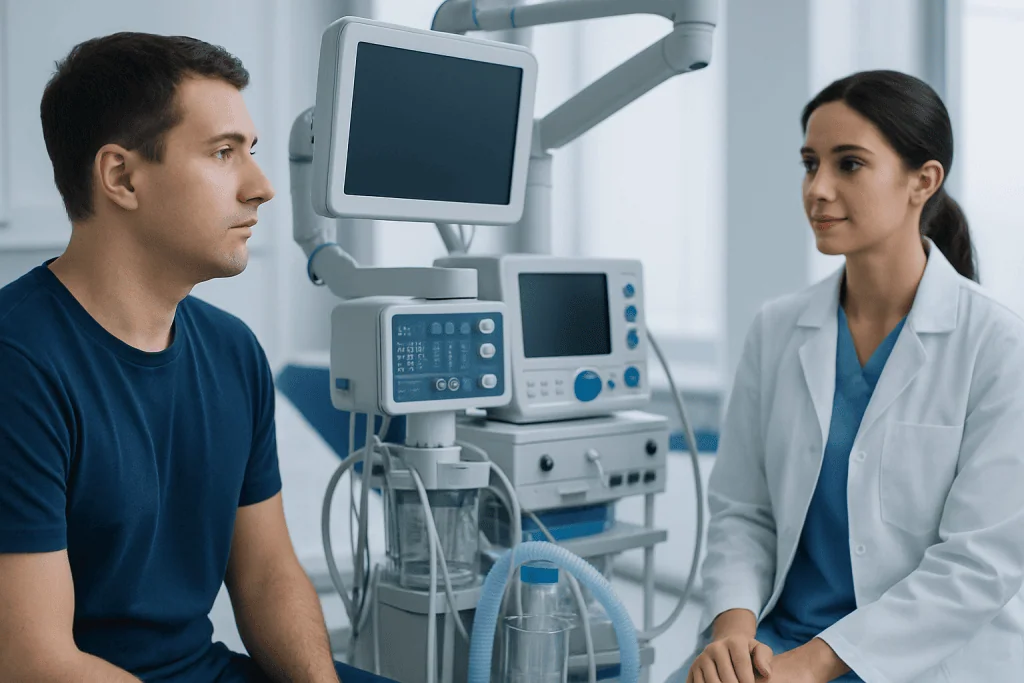
A good candidate for genioplasty is generally someone in good overall health who has realistic expectations and a specific concern about chin shape or position. Common reasons include a weak or recessed chin, a prominent chin, facial asymmetry, or a profile that appears unbalanced. Some patients seek surgery after orthodontic evaluation, while others are primarily interested in appearance.
The best candidates have stable facial growth, so the procedure is usually considered after the jaw has finished developing. A thorough consultation helps determine whether the issue is truly isolated to the chin or whether the upper and lower jaws, teeth, or nasal profile also influence facial balance. This distinction matters because changing the chin alone cannot correct every jaw-related concern.
Surgeons also assess dental health, gum health, skin quality, and habits such as smoking, which can impair healing. A history of bleeding disorders, poorly controlled medical conditions, or active oral infection may require treatment or closer planning before surgery proceeds.
In some cases, a recessed chin may coexist with structural bite problems or jaw disproportion. When that is suspected, the evaluation may include discussion of related conditions such as jaw disorders or whether coordinated care with orthodontics and oral-maxillofacial specialists is appropriate.
Step by step: how the procedure is performed

Genioplasty is usually performed under general anesthesia. Most surgeons place the incision inside the mouth, which avoids a visible skin scar. In selected cases, a small incision beneath the chin may be used, especially for certain implant techniques. Before surgery, photographs, physical examination, and imaging help guide measurements and planning.
In sliding genioplasty, the surgeon carefully exposes the chin bone and makes a horizontal cut below the tooth roots and mental nerves. The lower segment of bone is then moved forward, backward, downward, upward, or slightly sideways depending on the plan. Once the ideal position is confirmed, the bone is fixed in place with titanium plates and screws designed to remain stable during healing.
In implant-based chin augmentation, a precisely chosen implant is placed over the front of the chin bone to increase projection. The implant is secured and the tissues are closed. Implant surgery can be effective for selected patients, but it does not offer the same flexibility as bone repositioning when vertical changes, major asymmetry, or more complex profile correction are needed.
At the end of the operation, the incision is closed and the chin may be supported with a dressing. Some patients have genioplasty as a standalone operation, while others undergo it along with jaw procedures such as orthognathic surgery when bite correction and facial balance need to be addressed together.
Benefits, limitations, and possible risks
The main benefit of genioplasty is improved facial harmony. A chin that is better proportioned to the lips, nose, and jawline can make the profile look more balanced from both the front and the side. In the right candidate, the result can also strengthen the neck-chin angle and improve definition of the lower face.
Sliding genioplasty has several advantages because it uses the patient’s own bone. It can allow forward, backward, vertical, and asymmetry correction without a separate implant material. However, no procedure is perfect for every concern. If the underlying issue is actually a significant bite or jaw discrepancy, chin surgery alone may improve appearance but not solve the broader structural problem.
As with any operation, risks should be reviewed carefully. These may include bleeding, infection, delayed healing, unfavorable scarring if an external incision is used, implant movement or visibility, asymmetry, and dissatisfaction with the cosmetic result. Temporary numbness of the lower lip or chin is common because nerves in the area can be irritated during surgery; in some patients, altered sensation may last longer or become permanent.
Other possible complications include injury to tooth roots, relapse of bone position, problems with hardware, or the need for revision surgery. A surgeon reduces these risks through careful planning, detailed imaging, sterile technique, and close follow-up, but risk cannot be removed entirely. This is why an individualized consultation is essential before deciding on treatment.
Diagnosis and preoperative planning
Planning for genioplasty starts with a focused facial analysis rather than with the chin alone. The surgeon studies the profile, lip support, dental bite, jaw relationship, and facial symmetry. Standardized photographs and imaging such as X-rays or 3D scans may be used to understand how the chin sits in relation to the rest of the face.
An oral examination is also important. The surgeon checks tooth position, gum health, and signs of clenching or temporomandibular strain. If there are symptoms such as jaw pain, clicking, limited mouth opening, or chronic bite imbalance, further assessment may be recommended before surgery to make sure the treatment plan addresses the true source of the concern.
During consultation, patients usually discuss their goals in concrete terms: whether they want more projection, less prominence, better symmetry, or a softer or stronger profile. Reviewing likely outcomes, limitations, and recovery helps align expectations with what surgery can safely deliver. In some cases, digital planning or profile simulation may be used as a communication tool, though final results can still vary from a simulation.
If facial proportion concerns extend beyond the chin, the care team may suggest other options or combined procedures. For some patients, assessment through plastic surgery and facial analysis helps determine whether genioplasty alone is the best choice or whether another approach would better match the desired result.
Recovery timeline and aftercare
Recovery after genioplasty varies by technique and by the individual, but swelling is expected and is usually most noticeable in the first several days. Bruising may occur, and the chin, lower lip, or gums can feel tight or numb. Pain is often manageable with prescribed or recommended medications, and many people return home the same day unless genioplasty is combined with a larger jaw procedure.
During the first one to two weeks, patients are commonly advised to rest, keep the head elevated, avoid strenuous activity, and follow careful oral hygiene instructions. When the incision is inside the mouth, rinsing and keeping the area clean are important to reduce infection risk. A soft or liquid diet may be recommended for a period, especially after sliding genioplasty, to limit stress on the healing bone.
Visible swelling often improves substantially within a few weeks, but subtle swelling can take longer to settle. Temporary numbness may persist for weeks or months as nerves recover. Most people can gradually return to work and routine activities within one to two weeks depending on the extent of surgery, though contact sports and heavy physical exertion usually need to wait until the surgeon confirms that healing is adequate.
Follow-up visits help the surgeon monitor bone healing, implant position if used, bite comfort, and overall symmetry. Patients should avoid smoking and follow all recovery instructions closely, because healing quality strongly affects the final result. Near the end of the care pathway, patients seeking international care may wish to know that Acibadem International’s multidisciplinary specialists in JCI-accredited hospitals evaluate and treat facial skeletal conditions, including cases that may involve jaw surgery.
Prevention, self-care, and setting expectations
There is no proven way to prevent the natural chin shape someone is born with, but thoughtful self-care can improve surgical readiness and recovery. Good oral hygiene, stopping smoking if possible, managing chronic conditions, and keeping follow-up appointments all support safer healing. If orthodontic treatment or dental work is part of the plan, completing those steps on schedule can also improve the overall outcome.
It is equally important to set realistic expectations. Genioplasty can improve proportion and contour, but it does not create a completely different face. Small differences in swelling, healing, and tissue response are normal, and final refinement often takes time. Patients who understand this process are often better prepared for the recovery period.
Self-care after surgery usually includes a modified diet, gentle activity, oral rinses as advised, and avoidance of trauma to the chin. Ice packs may be used in the early phase if recommended by the care team. Medications should be taken exactly as directed, and any non-prescribed supplements or anti-inflammatory medicines should only be used with surgeon approval because some products can affect bleeding or healing.
People considering surgery for appearance reasons may benefit from asking how the chin relates to the whole face rather than focusing on one feature in isolation. A balanced assessment often leads to better decision-making and greater satisfaction with the chosen treatment plan.
When to seek medical care
Anyone considering genioplasty should seek medical evaluation if they have a recessed or prominent chin that affects confidence, facial balance, or comfort with biting and jaw function. Assessment is also helpful when a person suspects the chin concern is part of a broader jaw alignment issue, especially if there is difficulty chewing, lip closure strain, or a long-standing bite problem.
After surgery, prompt medical care is important for fever, increasing redness, worsening swelling after initial improvement, pus or foul drainage, significant bleeding, breathing difficulty, sudden severe pain, or changes in the bite that feel new or progressive. Persistent numbness, implant concerns, or dissatisfaction with symmetry should also be discussed at follow-up rather than managed without guidance.
Emergency symptoms are uncommon, but any concern that feels severe, rapidly worsening, or hard to explain deserves timely medical attention. A qualified surgeon or emergency service can determine whether symptoms are part of normal healing or signs of a complication that needs treatment.
Because chin shape can sometimes overlap with dental, skeletal, and airway issues, patients often benefit from care that brings together oral and maxillofacial surgery, plastic surgery, and dental expertise. A structured evaluation helps clarify whether genioplasty is the most appropriate next step.
Frequently asked questions
What is the difference between genioplasty and a chin implant?
Genioplasty most often refers to surgical reshaping of the chin, especially sliding genioplasty, where the chin bone is cut and moved. A chin implant adds projection with a synthetic implant placed over the bone. Bone movement generally offers more flexibility for correcting vertical changes or asymmetry.
How long does genioplasty recovery take?
Early recovery often takes one to two weeks, when swelling and discomfort are most noticeable. However, residual swelling and numbness can take several weeks or months to improve fully. Final contour is usually judged only after healing has progressed further.
Is genioplasty painful?
Patients can expect soreness, tightness, and swelling after surgery, but discomfort is usually manageable with the treatment plan provided by the surgeon. The mouth and chin area may also feel numb or tender for a time. The intensity and duration vary depending on whether bone was moved or an implant was used.
Will genioplasty leave a scar?
Many genioplasty procedures are performed through an incision inside the mouth, so there may be no visible external scar. If an external incision under the chin is used, the scar is usually small and placed in a less noticeable area. Scar appearance depends on technique, skin type, and healing.
Can genioplasty change the bite?
A standalone genioplasty is mainly designed to change chin position, not to correct the bite. If bite alignment is a major concern, jaw surgery or orthodontic treatment may also be needed. This is why a careful preoperative evaluation is important.
Is numbness after genioplasty normal?
Temporary numbness of the lower lip or chin is common because nerves near the surgical area can be stretched or irritated. Sensation often improves gradually over time, but recovery speed differs from person to person. In a smaller number of cases, some numbness may last much longer or be permanent.
References
- American Society of Plastic Surgeons
- American Association of Oral and Maxillofacial Surgeons
- MedlinePlus
- National Institute of Dental and Craniofacial Research
This article is for general information only and is not a substitute for professional medical advice. Please consult a qualified doctor about your individual situation.
Genioplasty in Turkey — costs, top hospitals & a free quote
JCI-accredited · board-certified surgeons · reply within 24h
Add us as a Preferred Source to see more of our trusted health content across Google Search, AI Overviews and Discover.