Gestational Diabetes: Pregnancy Blood Sugar Testing and Management

Gestational diabetes usually develops in the second or third trimester and is commonly detected with a glucose screening test. Management focuses on balanced meals, safe physical activity, blood sugar monitoring, and regular prenatal follow-up.
Key Takeaways
- Gestational diabetes usually develops in the second or third trimester and is commonly detected with a glucose screening test.
- Management focuses on balanced meals, safe physical activity, blood sugar monitoring, and regular prenatal follow-up.
- Some pregnant people need insulin or other medication if lifestyle measures do not keep glucose levels in the recommended range.
- Good blood sugar control lowers the risk of complications such as excessive fetal growth, birth difficulties, and newborn low blood sugar.
- After delivery, blood sugar often returns to normal, but follow-up testing is important because future type 2 diabetes risk is higher.
Gestational diabetes is high blood sugar first recognized during pregnancy, usually found through routine screening. With timely testing, nutrition guidance, activity, monitoring, and medical care when needed, most people with gestational diabetes have healthy pregnancies and babies.
Overview
Gestational diabetes is a type of diabetes that is first diagnosed during pregnancy. It means that blood glucose, often called blood sugar, is higher than expected because the body cannot make or use insulin effectively enough to meet the increased demands of pregnancy. Insulin is the hormone that helps move glucose from the bloodstream into the body’s cells for energy.
During pregnancy, the placenta produces hormones that support the baby’s growth. These hormones can also make the pregnant person’s body more resistant to insulin. For many people, the pancreas makes extra insulin to keep blood sugar in a healthy range. When it cannot keep up, gestational diabetes can develop, most often in the second half of pregnancy.
Gestational diabetes is common enough that routine screening is a standard part of prenatal care in many countries. The diagnosis can feel unexpected, especially for people who have never had diabetes before. However, with structured monitoring and a clear care plan, blood sugar can usually be managed effectively throughout the rest of pregnancy.
Symptoms and Possible Effects
Many people with gestational diabetes do not notice any symptoms. This is one reason routine pregnancy blood sugar testing is important. When symptoms occur, they may include increased thirst, needing to urinate more often than usual, tiredness, or blurred vision. These symptoms can also happen in normal pregnancy, so testing is the only reliable way to know whether blood sugar is high.
Uncontrolled high blood sugar can affect both the pregnant person and the baby. For the baby, extra glucose crosses the placenta and may lead to increased insulin production and larger-than-average growth. This can make birth more difficult in some cases and may increase the chance of needing assisted delivery or cesarean birth, depending on the full clinical picture.
After birth, some babies may have low blood sugar because their insulin levels remain high for a short time after the glucose supply from the placenta stops. Newborn care teams are experienced in monitoring and treating this when needed. Good glucose control during pregnancy helps reduce these risks and supports safer delivery planning.
For the pregnant person, gestational diabetes may be associated with a higher chance of high blood pressure disorders in pregnancy and a greater likelihood of developing type 2 diabetes later in life. This does not mean these problems will definitely occur. It does mean that follow-up care, healthy lifestyle habits, and future screening are especially valuable.
Causes and Risk Factors

Gestational diabetes develops when pregnancy-related insulin resistance becomes stronger than the body’s ability to compensate with extra insulin. This process is not caused by eating one specific food or by doing something wrong. It reflects a combination of hormonal changes, genetics, metabolic health, and individual risk factors.
Some people have a higher chance of developing gestational diabetes. Risk factors include having had gestational diabetes in a previous pregnancy, having a parent or sibling with diabetes, living with overweight or obesity, having polycystic ovary syndrome, or previously giving birth to a larger-than-average baby. Some ethnic backgrounds are also associated with higher diabetes risk, although individual risk varies widely.
Age can also play a role, as the risk tends to increase with maternal age. A history of prediabetes or abnormal blood sugar before pregnancy is another important factor. In some cases, diabetes diagnosed during pregnancy may reveal previously unrecognized type 2 diabetes, which is why early testing may be recommended for people with higher risk.
Even without obvious risk factors, gestational diabetes can occur. This is why many prenatal care guidelines recommend screening most pregnant people. Identifying the condition early allows the healthcare team to offer support before complications develop.
Pregnancy Blood Sugar Testing and Diagnosis
Screening for gestational diabetes is commonly performed between 24 and 28 weeks of pregnancy. Some people are tested earlier if they have risk factors or signs that suggest high blood sugar. The exact testing approach can vary by country, clinic, and medical guideline, but the goal is the same: to find elevated blood glucose early enough to manage it well.
One common method is a two-step approach. The first step is a glucose challenge test, in which the pregnant person drinks a measured glucose solution and has a blood sample taken after a set time. Fasting is not always required for this first screening test, depending on local practice. If the result is higher than the screening threshold, a second test called an oral glucose tolerance test is performed.
The oral glucose tolerance test usually involves fasting beforehand, drinking a glucose solution, and having blood samples taken at specific intervals. These results show how the body processes sugar over time. If one or more values are above the diagnostic limits used by the healthcare provider, gestational diabetes may be diagnosed.
Some healthcare systems use a one-step oral glucose tolerance test without an initial screening test. Others may use early pregnancy fasting glucose or HbA1c testing for people at higher risk. Patients should follow the instructions given by their obstetrician, midwife, endocrinologist, or diabetes care team, because preparation and timing can affect results.
Treatment and Management Options
The first step in gestational diabetes management is usually education. Patients learn how food, activity, stress, sleep, and pregnancy hormones affect blood sugar. A care plan often includes medical nutrition therapy, home glucose monitoring, regular prenatal visits, and fetal growth assessment when appropriate.
Nutrition guidance does not mean avoiding all carbohydrates. Carbohydrates are an important energy source, but the type, amount, and timing matter. Many people are advised to spread carbohydrates across meals and snacks, choose high-fiber options such as vegetables, legumes, whole grains, and fruit in appropriate portions, and pair carbohydrates with protein or healthy fats to slow glucose rises. Sugary drinks and large portions of refined carbohydrates often need to be limited.
Safe physical activity can also improve insulin sensitivity and help lower after-meal blood sugar. Walking after meals is a simple option for many pregnant people, if approved by their doctor. Activity plans should be individualized, especially for patients with pregnancy complications, pelvic pain, bleeding, risk of preterm labor, or other medical concerns.
Home blood sugar monitoring is often recommended. Patients may be asked to check fasting blood glucose and levels after meals, then record the results for their care team. If nutrition and activity do not keep values within the target range set by the clinician, medication may be needed. Insulin is commonly used because it is effective and does not cross the placenta in the same way as glucose. In some settings, certain oral medications may be considered, depending on clinical guidelines and individual circumstances.
Monitoring the Baby and Planning Delivery
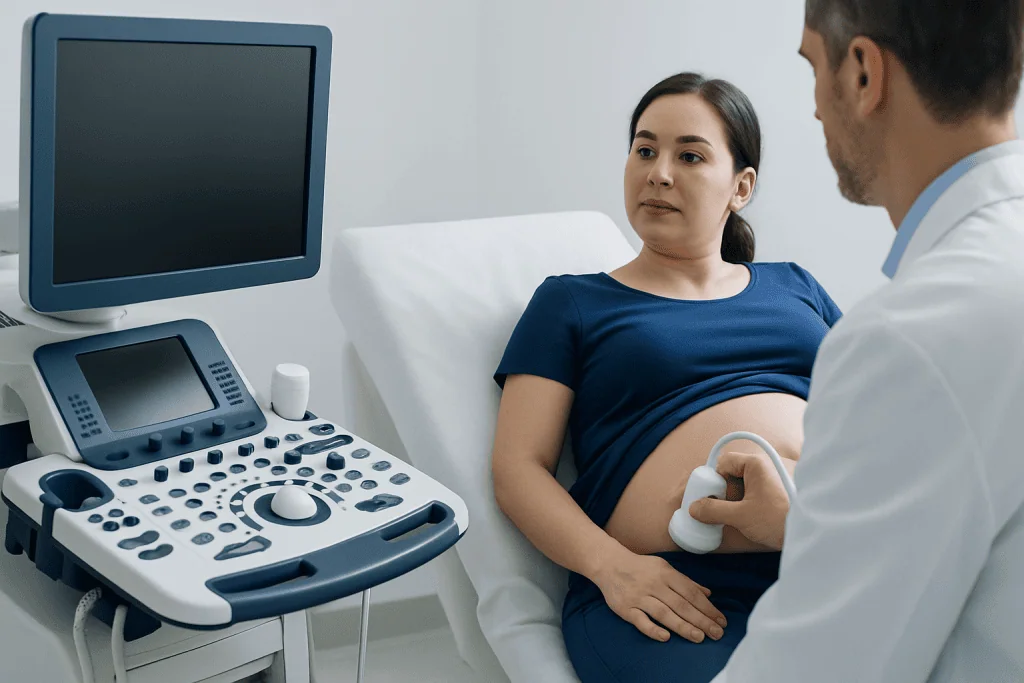
When gestational diabetes is diagnosed, prenatal care may include closer monitoring of the baby’s growth and wellbeing. Ultrasound may be used to estimate fetal size, assess amniotic fluid, and help guide delivery planning. These estimates are helpful but not perfect, so they are considered alongside blood sugar records, maternal health, pregnancy week, and other clinical factors.
Most people with well-managed gestational diabetes continue pregnancy safely to term. The timing and method of birth depend on several factors, including blood sugar control, whether medication is needed, the baby’s estimated growth, blood pressure, previous birth history, and the preferences and safety needs of the patient. Gestational diabetes alone does not automatically mean a cesarean birth is required.
During labor, blood sugar may be monitored and managed according to hospital protocol. After birth, the baby may have glucose checks for a short period, especially if the mother used insulin or if the baby is larger or smaller than expected. Early feeding is often encouraged to help stabilize newborn blood sugar, and the pediatric team provides care if levels are low.
Breastfeeding is generally encouraged when possible and desired. It supports infant nutrition and may have metabolic benefits for the mother. People who cannot or choose not to breastfeed can still receive appropriate guidance for newborn feeding and postpartum diabetes follow-up.
Prevention, Self-care, and Life After Delivery
Not all cases of gestational diabetes can be prevented, but healthy habits before and during pregnancy may reduce risk and improve blood sugar control. A balanced eating pattern, regular movement, gradual pregnancy weight gain within the range recommended by a clinician, and attention to sleep and stress can all support metabolic health.
Self-care after diagnosis includes keeping appointments, bringing glucose records to visits, asking questions, and reporting symptoms such as reduced fetal movement, persistent vomiting, signs of dehydration, or feeling unwell. Patients should not make major diet changes, start intense exercise, or stop prescribed treatment without medical advice. Pregnancy nutrition must support both glucose control and adequate nourishment.
After delivery, gestational diabetes often resolves because pregnancy hormones decrease. However, follow-up testing is important. Many guidelines recommend a postpartum glucose test several weeks after birth, followed by periodic diabetes screening in the future. A person who has had gestational diabetes has a higher lifetime risk of type 2 diabetes, so long-term prevention is part of care.
For future pregnancies, patients should tell their obstetric team that they previously had gestational diabetes. Early screening may be advised. At Acibadem International, multidisciplinary specialists in JCI-accredited hospitals evaluate and manage gestational diabetes for international patients as part of coordinated pregnancy and endocrine care.
When to See a Doctor
Pregnant people should attend all scheduled prenatal visits and complete recommended blood sugar testing, even if they feel well. Anyone who has risk factors for diabetes should discuss whether earlier screening is appropriate. If gestational diabetes is diagnosed, regular follow-up helps adjust the care plan as pregnancy progresses.
Medical advice should be sought promptly if home glucose readings are repeatedly above the target range provided by the clinician, if readings are unusually low, or if symptoms such as dizziness, fainting, severe thirst, vomiting, or inability to keep food down occur. People using insulin or other medication should ask their care team how to recognize and manage low blood sugar safely.
Urgent pregnancy care is needed for warning signs such as decreased fetal movement, vaginal bleeding, severe abdominal pain, signs of preterm labor, severe headache, vision changes, chest pain, shortness of breath, or swelling with high blood pressure concerns. These symptoms may not be caused by gestational diabetes, but they require medical assessment during pregnancy.
Frequently asked questions
Is gestational diabetes the same as type 2 diabetes?
Gestational diabetes is high blood sugar first diagnosed during pregnancy, while type 2 diabetes is a long-term metabolic condition that can occur at any time. Gestational diabetes often improves after delivery, but it shows that the body has difficulty handling glucose under stress. Follow-up testing is important because the risk of future type 2 diabetes is higher.
Will gestational diabetes harm the baby?
Most babies do well when gestational diabetes is diagnosed and managed carefully. The main goal is to keep blood sugar in the recommended range to reduce risks such as excessive fetal growth and newborn low blood sugar. The obstetric and newborn care teams will monitor both mother and baby and plan care based on individual needs.
What happens if the glucose screening test is high?
A high screening result does not always mean a person has gestational diabetes. In many two-step testing systems, it means a longer oral glucose tolerance test is needed to confirm the diagnosis. The healthcare team will explain how to prepare, whether fasting is needed, and when results will be reviewed.
Can gestational diabetes be managed without medication?
Many people manage gestational diabetes with meal planning, safe physical activity, and blood sugar monitoring. However, some need insulin or other medication because pregnancy hormones can make insulin resistance stronger as pregnancy advances. Needing medication is not a failure; it is a tool to protect maternal and baby health.
What foods should be avoided with gestational diabetes?
Most care plans focus on portion control and balanced meals rather than completely banning foods. Sugary drinks, sweets, and large servings of refined carbohydrates often raise blood sugar quickly and may need to be limited. A dietitian or diabetes educator can help create a plan that includes enough nutrients for pregnancy.
Does gestational diabetes mean a cesarean birth is necessary?
No, gestational diabetes does not automatically require a cesarean birth. Delivery planning depends on blood sugar control, fetal growth, maternal health, pregnancy week, previous birth history, and other clinical factors. Many people with well-controlled gestational diabetes have vaginal births.
What testing is needed after the baby is born?
Blood sugar often returns to normal after delivery, but postpartum testing is still recommended to confirm recovery and assess future diabetes risk. Many guidelines advise a glucose test several weeks after birth and ongoing screening at intervals afterward. Patients should ask their doctor when to schedule follow-up, especially before a future pregnancy.
References
- American Diabetes Association
- American College of Obstetricians and Gynecologists
- World Health Organization
- International Association of Diabetes and Pregnancy Study Groups
- National Institute for Health and Care Excellence
This article is for general information only and is not a substitute for professional medical advice. Please consult a qualified doctor about your individual situation.
Gestational Diabetes in Turkey — costs, top hospitals & a free quote
JCI-accredited · board-certified surgeons · reply within 24h
Add us as a Preferred Source to see more of our trusted health content across Google Search, AI Overviews and Discover.
Check your numbers in seconds
BMI, calories, due date, blood pressure and 30+ more clinical calculators — free, instant, doctor-reviewed ranges.

IVF & Reproductive Health
Assisted reproduction and fertility treatments tailored to each couple.