Gouty Arthritis Knee Treatment: How It Works, Results and What to Expect

A gout flare in the knee can cause rapid pain, warmth, swelling and difficulty walking. Anti-inflammatory treatment can often ease an acute flare, while urate-lowering treatment helps prevent recurrence.
Key Takeaways
- A gout flare in the knee can cause rapid pain, warmth, swelling and difficulty walking.
- Anti-inflammatory treatment can often ease an acute flare, while urate-lowering treatment helps prevent recurrence.
- Joint-fluid testing may be needed to identify urate crystals and exclude a joint infection.
- Most people can gradually return to normal activity as pain and swelling settle, but a painful knee should not be forced.
- Untreated or poorly controlled gout may lead to recurrent attacks, deposits of crystals and lasting joint damage.
Gouty arthritis knee treatment usually combines prompt control of inflammation during a flare with long-term uric acid management to reduce future attacks and protect the joint. A clinician should confirm the cause of sudden knee swelling, because infection and other joint conditions can look similar to gout.
Overview: How gouty arthritis knee treatment works
Gout is an inflammatory arthritis caused by monosodium urate crystals. These crystals can form when the level of uric acid in the blood remains high over time. Although gout often begins in the big toe, it can affect the knee and may cause a sudden, very painful, swollen and warm joint.
Gouty arthritis knee treatment has two connected goals. During an acute flare, treatment focuses on reducing inflammation and relieving pain. Between flares, the aim is to lower uric acid enough to dissolve existing crystal deposits over time and prevent new attacks, tophi and joint damage.
The best plan depends on the person’s symptoms, other health conditions, kidney function, medicines and history of flares. Because a hot, swollen knee can also be caused by infection, injury or other forms of arthritis, medical assessment is important before assuming it is gout.
How long does it take to get rid of gout in your knee?
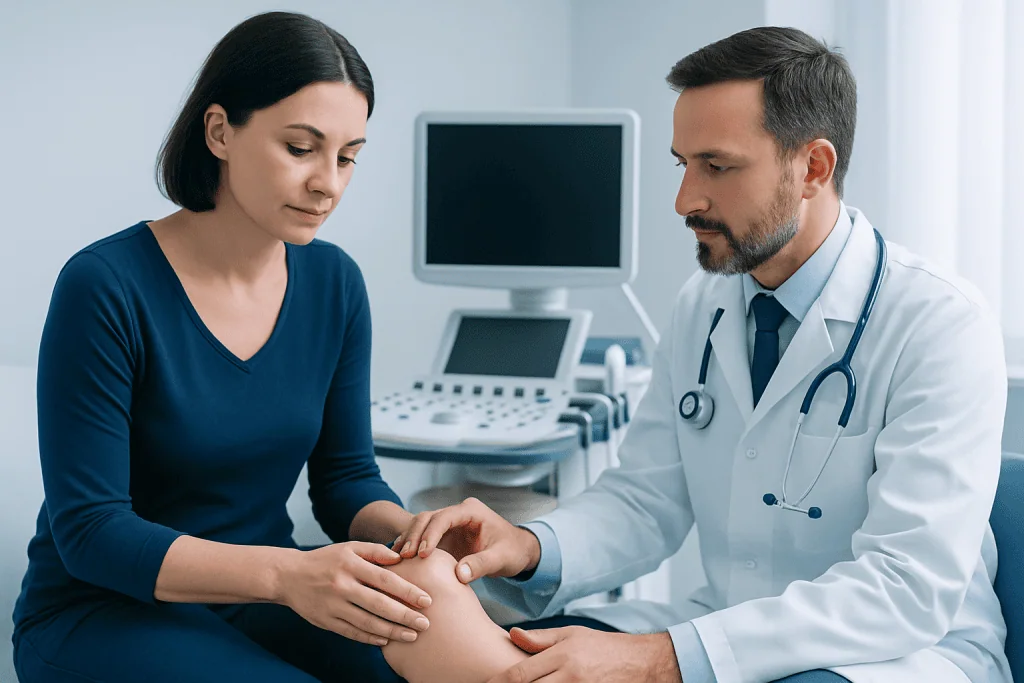
With appropriate treatment, pain from an acute knee gout flare often begins to improve within a few days. However, the full episode may last from several days to around two weeks, especially if treatment is delayed or the inflammation is severe. Recovery is individual, and a knee may remain mildly stiff or swollen after the most intense pain has improved.
It is helpful to distinguish an acute flare from the underlying tendency to develop gout. The flare can settle, but urate crystals may remain in and around the joint unless uric acid is controlled over the longer term. For people who need urate-lowering medication, crystal deposits dissolve gradually over months or longer, not overnight.
Starting a long-term urate-lowering medicine does not usually provide immediate relief for the current flare. A clinician may prescribe short-term anti-inflammatory prevention when beginning or adjusting this treatment, since flares can occur during the early phase of urate reduction.
Assessment and diagnosis before treatment
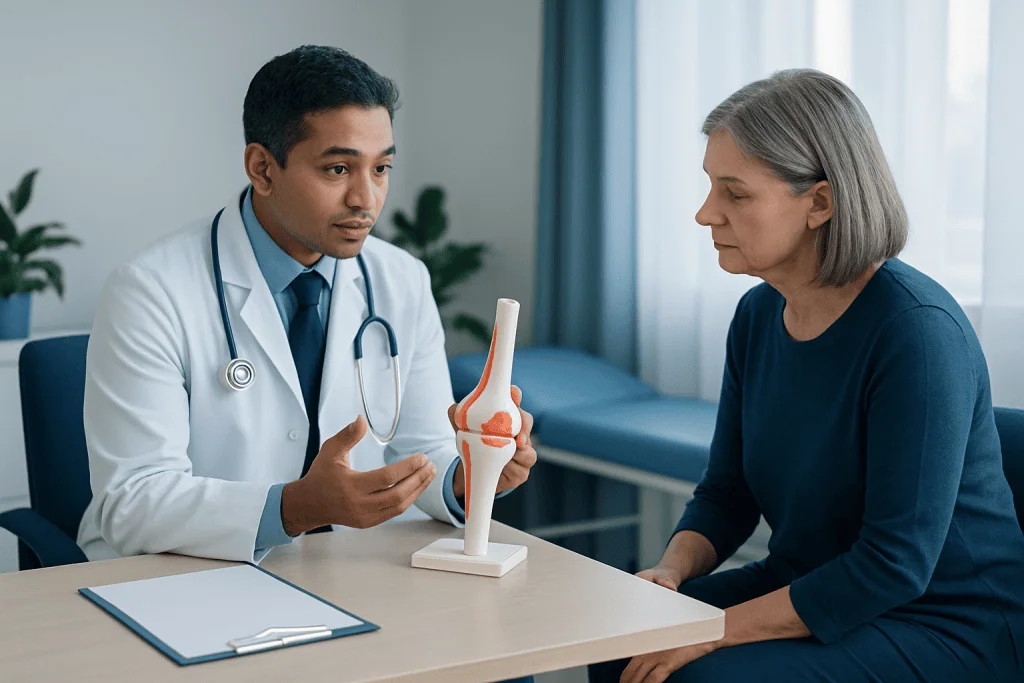
A clinician will ask when symptoms began, whether attacks have occurred before, which joints are involved and whether there is fever, illness, injury or a recent change in medication. They will examine the knee and may assess other joints for signs of gout or crystal deposits.
When the diagnosis is uncertain, or when infection is a concern, the clinician may remove a small sample of joint fluid using a needle. In a laboratory, the fluid can be checked for urate crystals and bacteria. This is particularly important for a first severe knee attack, a person with fever, or anyone with a weakened immune system.
Blood tests can measure uric acid and assess kidney function, but uric acid may be normal during an acute attack. Ultrasound or other imaging can sometimes show changes linked with crystal deposits or help assess other causes of knee symptoms. Related conditions, such as gout, may require ongoing follow-up rather than treatment of a single episode alone.
Treatment options and the step-by-step care plan
For an acute flare, a clinician may recommend an anti-inflammatory medicine such as a nonsteroidal anti-inflammatory drug, colchicine or a corticosteroid. The choice is based on timing, severity and safety considerations, including kidney disease, stomach ulcers, heart disease, diabetes, blood-thinning medicines and potential drug interactions. These medicines should be selected and monitored by a qualified clinician.
If only one large joint is affected, a doctor may consider draining excess fluid and injecting a corticosteroid into the knee after infection has been excluded. This approach may reduce pressure and inflammation in suitable patients. It is not appropriate when septic arthritis is suspected until this has been properly investigated.
For recurrent flares, tophi, chronic gout-related joint changes, kidney stones linked to uric acid, or persistently elevated uric acid, long-term urate-lowering therapy may be advised. Gout treatment plans commonly combine medication review, uric acid monitoring and lifestyle measures. The target is sustained uric acid reduction, which allows the body to clear crystals gradually.
A typical care pathway involves confirming the diagnosis, treating the active inflammation, reviewing contributing factors and creating a prevention plan. Follow-up tests help a clinician adjust treatment safely and determine whether uric acid is reaching the agreed goal.
Candidacy, benefits and possible risks
Anyone with a likely gout flare in the knee may benefit from medical evaluation, especially when symptoms are new, severe, recurrent or limiting mobility. Long-term urate-lowering therapy is not necessary for every person after a single uncomplicated flare, but it is often considered when attacks recur or when there are signs of a larger urate crystal burden.
The main benefits of effective treatment are less pain and inflammation during attacks, fewer future flares and a lower risk of progressive joint damage. Sustained uric acid control can also help shrink tophi, which are firm deposits of urate crystals that may develop under the skin or around joints.
Each treatment has potential risks. Anti-inflammatory medicines can cause side effects or be unsuitable for some people with kidney, gastrointestinal, cardiovascular or metabolic conditions. Steroid injections can occasionally cause temporary pain, bleeding, skin changes or infection. Urate-lowering medicines also need monitoring because side effects and interactions can occur.
People should not stop prescribed medicines or start over-the-counter remedies without discussing them with their clinician or pharmacist. A treatment plan is safest when it accounts for all current medicines, allergies and medical conditions.
Should you walk on a gout knee?
During the most painful part of a flare, it is usually sensible to rest the knee, avoid high-impact activity and limit weight-bearing that significantly increases pain. Elevating the leg and using a cold pack wrapped in a cloth for short periods may help some people with swelling and discomfort.
Complete immobility for a prolonged period is usually not necessary once symptoms begin improving. Gentle movement and a gradual return to comfortable daily activity can help reduce stiffness and maintain muscle strength. A cane, crutches or other temporary support may be useful if advised by a clinician.
Walking should be stopped and medical advice sought if pain rapidly worsens, the knee feels unstable, there is marked redness spreading beyond the joint, or there are systemic symptoms such as fever or chills. Exercise should be resumed progressively, rather than trying to “walk off” a severe flare.
What is the best cure for gout in the knee?
There is no instant cure that removes gout from the knee during one appointment. The most effective long-term approach is controlling uric acid sufficiently to prevent crystals from forming and to allow existing deposits to dissolve. This is paired with early, appropriate treatment when a flare occurs.
Healthy habits can support medical care. Maintaining a weight that is appropriate for the individual, staying well hydrated, limiting alcohol—especially binge drinking—and reducing frequent intake of high-purine foods can help lower flare risk for some people. Sugary drinks and foods high in fructose may also contribute to higher uric acid levels.
Diet alone may not lower uric acid enough for people with recurrent gout or a substantial crystal burden. Rather than following restrictive diets, people should work with a doctor and, when useful, a dietitian to create a practical plan that addresses gout alongside kidney, heart or metabolic health.
Acibadem International’s multidisciplinary specialists and JCI-accredited hospitals assess and treat gout-related joint symptoms for international patients, coordinating care when rheumatology, orthopedics, internal medicine or rehabilitation input is needed.
How serious is gout in your knee and when to seek medical care
A single gout flare can be extremely painful but is often manageable with timely care. However, recurrent or untreated gout can become more serious over time. Repeated inflammation and crystal accumulation may damage cartilage and bone, restrict knee movement and contribute to chronic pain or visible tophi.
Urgent medical assessment is needed for a hot, swollen knee accompanied by fever, chills, feeling unwell, inability to bear weight, rapidly increasing swelling, or a recent wound or joint procedure. These symptoms can indicate a joint infection, which requires prompt treatment and cannot be safely distinguished from gout by symptoms alone.
A non-urgent appointment is appropriate for a first suspected flare, repeated attacks, persistent knee pain after a flare, medication side effects, kidney stones or concern about long-term uric acid control. Early review can help prevent avoidable recurrences and guide a treatment plan that fits the person’s overall health.
Frequently asked questions
Can gout affect only one knee?
Yes. Gout can affect one knee, particularly during an acute flare, although it may affect other joints over time. A first episode of a hot, swollen knee should still be assessed because infection and other types of arthritis can present similarly.
Can a doctor drain fluid from a gouty knee?
Yes, a doctor may remove joint fluid with a needle, also called aspiration. The sample can help identify urate crystals and rule out infection, and removing fluid may relieve pressure in some cases. The procedure should be performed using appropriate sterile technique.
Does a normal uric acid blood test rule out gout?
No. Uric acid can be in the normal range during an acute gout flare. Clinicians consider symptoms, examination findings, joint-fluid analysis when needed, and results from follow-up blood testing.
Can diet cure gout in the knee?
Dietary changes may reduce flare risk and support uric acid management, but they do not reliably replace medication for everyone. People with recurrent attacks, tophi or ongoing high uric acid often need clinician-guided urate-lowering therapy as well.
Why does gout come back after treatment?
An anti-inflammatory treatment can settle the current attack but does not necessarily remove the urate crystals that triggered it. If uric acid remains elevated, crystals can continue to accumulate and trigger later flares. Consistent long-term management helps reduce this risk.
Should a person use heat or ice for gout knee pain?
Many people find a cold pack wrapped in cloth more comfortable during a hot, swollen acute flare. Heat may feel soothing later for stiffness, but it can be uncomfortable when inflammation is active. A person should avoid applying extreme temperatures directly to the skin and follow their clinician’s advice.
References
- American College of Rheumatology
- National Institute of Arthritis and Musculoskeletal and Skin Diseases
- National Health Service
- Mayo Clinic
- European Alliance of Associations for Rheumatology
This article is for general information only and is not a substitute for professional medical advice. Please consult a qualified doctor about your individual situation.
Arthritis in Turkey — costs, top hospitals & a free quote
JCI-accredited · board-certified surgeons · reply within 24h
Add us as a Preferred Source to see more of our trusted health content across Google Search, AI Overviews and Discover.

Physical Medicine & Rehabilitation
Restoring movement and function after injury, surgery or neurological conditions.
152 specialists in this unitMore from the Health Library



Related Specialists

Assoc. Prof. Dr. İzgi Alnıak
Psychiatry
Dr. Osman Burak Can
Radiation Oncology
Dr. Nurettin Ümit Özak
Orthopedic Surgery & Traumatology
Prof. Dr. M.Özcan Erdemli
Anesthesiology