Great Ormond Street Hospital Pioneer Stem Cell Transplant: Procedure, Recovery and Results

Stem cell transplantation can treat certain blood cancers, bone marrow failure disorders, immune deficiencies and inherited blood diseases. The transplant itself is an infusion of blood-forming stem cells; the intensive preparation and early recovery period are usually the most demanding stages.
Key Takeaways
- Stem cell transplantation can treat certain blood cancers, bone marrow failure disorders, immune deficiencies and inherited blood diseases.
- The transplant itself is an infusion of blood-forming stem cells; the intensive preparation and early recovery period are usually the most demanding stages.
- Engraftment commonly begins within weeks, but immune recovery and long-term monitoring can continue for many months or longer.
- Survival and relapse rates cannot be summarized by one number because they depend strongly on the condition, transplant type and individual risk factors.
- Fever, breathing difficulty, severe diarrhea, rash, bleeding or sudden deterioration after transplant need urgent medical assessment.
A great ormond street hospital pioneer stem cell transplant is commonly searched as a reference to specialist pediatric hematopoietic stem cell transplantation, a treatment that replaces damaged or diseased blood-forming cells. Outcomes and recovery vary widely by diagnosis, donor match, age, treatment history and complications, so families benefit from individualized guidance from an experienced transplant team.
Overview: what a stem cell transplant involves
The phrase “great ormond street hospital pioneer stem cell transplant” is often used by families looking for information about highly specialized stem cell transplantation for children. Hematopoietic stem cell transplantation, sometimes called a bone marrow transplant, replaces blood-forming stem cells that are absent, damaged or affected by disease. It may offer a potential cure or durable disease control for selected children and adults, but it is a complex treatment requiring careful planning and long-term follow-up.
Blood-forming stem cells can come from the patient (an autologous transplant) or another person (an allogeneic transplant). For allogeneic transplantation, the donor may be a matched sibling, an unrelated volunteer donor, a partially matched relative, or sometimes a stored cord blood donor. The best approach depends on the diagnosis, available donor options, urgency of treatment and the person’s overall health.
Transplantation is used for conditions such as leukemia, lymphoma, bone marrow failure, severe immune deficiencies and inherited blood disorders. It is not automatically the right treatment for every person with these conditions. A multidisciplinary transplant team weighs expected benefit against treatment-related risks, alternative therapies and the person’s preferences.
For patients seeking evaluation across specialties, stem cell transplant care includes assessment of the underlying disease, donor planning, infection prevention, transfusion support and rehabilitation needs.
How it works and who may be a candidate
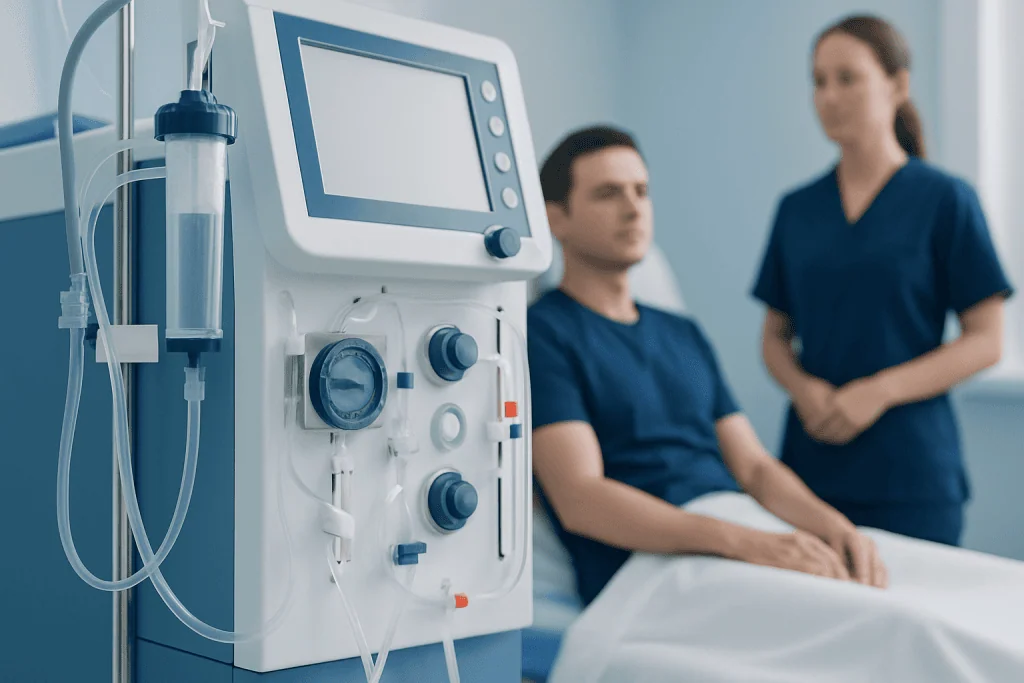
Stem cells live mainly in the bone marrow and continuously produce red blood cells, white blood cells and platelets. Before transplantation, chemotherapy, radiation therapy, immune-suppressing medicines, or a combination of these may be used to control disease and make space for donor cells. This phase is known as conditioning.
Allogeneic transplantation has an additional effect called graft-versus-disease activity. Donor immune cells may recognize and attack remaining abnormal cells, which can be valuable in some blood cancers. However, these donor cells can also attack healthy tissues, causing graft-versus-host disease (GVHD). The team uses donor selection and preventive medicines to reduce this risk.
Candidacy is based on far more than a diagnosis alone. Specialists consider disease status, prior treatments, organ function, active infections, nutritional status, psychosocial support, donor availability and the ability to attend frequent follow-up appointments. In children, growth, development, schooling and family support are also important parts of planning.
Conditions that may lead to a transplant discussion include leukemia, severe aplastic anemia, thalassemia, sickle cell disease and primary immunodeficiencies. Each has distinct transplant timing, donor-selection and outcome considerations.
Step by step: the stem cell transplant procedure
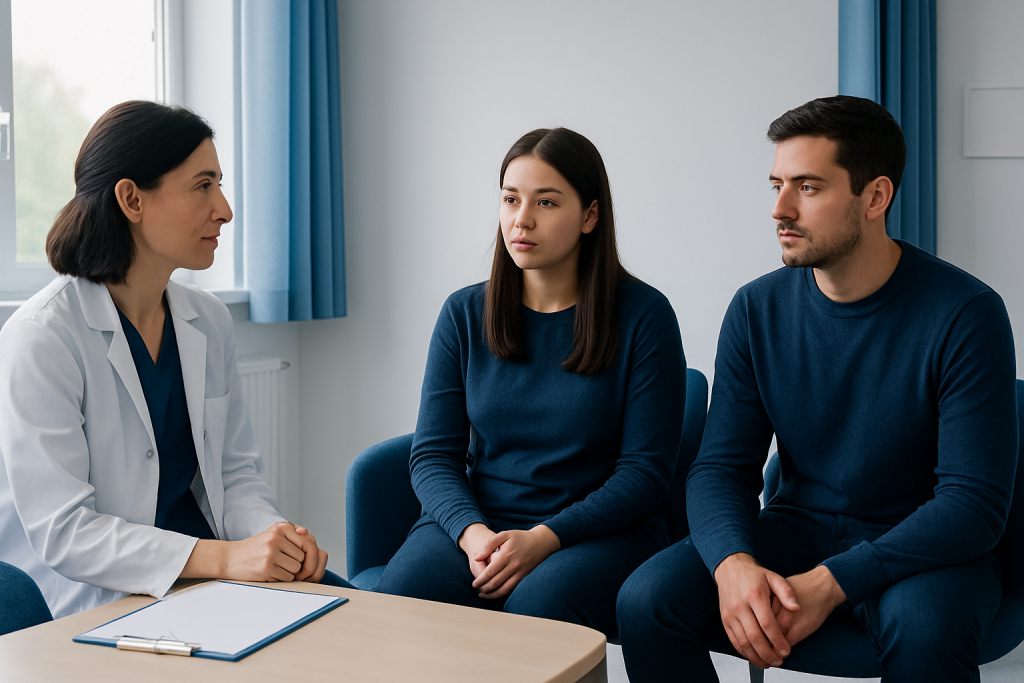
Evaluation begins with blood tests, tissue typing, imaging or heart and lung assessments when needed, infection screening and review of the disease. The patient and family meet members of the transplant team, which may include hematologists, oncologists, infectious disease specialists, pharmacists, nurses, dietitians, psychologists and social workers. A central venous catheter is often placed to allow medicines, transfusions, blood sampling and stem cell infusion.
Next comes conditioning. Depending on the transplant plan, this may take several days and can be given in hospital or partly as an outpatient. Conditioning may lower blood counts, irritate the mouth and digestive tract, increase fatigue and temporarily weaken infection defenses. The team provides preventive medicines and supportive care throughout this period.
On transplant day, stem cells are infused through the central line, much like a blood transfusion. The infusion does not involve surgery to place cells into the bone marrow. Stem cells circulate in the blood and then travel to the marrow spaces, where they may begin producing new blood and immune cells.
After infusion, the focus shifts to engraftment, meaning the new cells begin to grow and make blood cells. Patients have frequent blood tests and may need red-cell or platelet transfusions, antibiotics, antiviral medicines, nutrition support and treatment for side effects. The period until engraftment is often spent in hospital, particularly after intensive allogeneic transplantation.
Recovery timeline and expected follow-up
Recovery after transplant occurs in stages rather than on a fixed schedule. During the first two to four weeks, blood counts are usually very low and susceptibility to infections, bleeding and treatment side effects is greatest. Engraftment often occurs over the following weeks, although timing differs by stem cell source, conditioning intensity, medicines and individual factors.
During the first 100 days, patients generally require close monitoring for infection, GVHD, medication side effects, kidney or liver changes, nutritional problems and disease recurrence. Fatigue may remain substantial even after leaving hospital. Families are usually given detailed instructions about food safety, hygiene, medicines, visitors, school or work plans and when to call the transplant unit.
After 100 days, follow-up continues because immune recovery is gradual. Revaccination, ongoing preventive medicines, monitoring for chronic GVHD and assessment of endocrine, bone, fertility, heart or lung health may be appropriate depending on the treatment received. Children also need monitoring of growth, learning and emotional well-being.
Rehabilitation can support strength, mobility, daily activities and return to school or work. For some people, care may also involve hematology services for long-term blood count monitoring and management of the condition that led to transplantation.
Risks, benefits and what may affect results
The potential benefit of transplantation is that it can replace an unhealthy blood-forming or immune system and, for some conditions, provide long-term remission or cure. For aggressive or recurrent blood cancers, it may be recommended when other treatments are unlikely to offer the same chance of disease control. For inherited conditions, it may prevent or reduce serious complications caused by the underlying disorder.
Risks can be serious and may occur early or later. They include bacterial, viral or fungal infections; bleeding due to low platelets; mouth and gut inflammation; organ toxicity; infertility; delayed growth or hormonal effects in children; graft failure; and secondary cancers. Allogeneic transplant also carries a risk of acute or chronic GVHD, which can affect the skin, gut, liver, eyes, mouth, lungs and other organs.
Results vary substantially. Important influences include the underlying disease, how advanced it is at transplant, the patient’s age and health, donor match, stem cell source, conditioning approach, transplant center experience and complications during recovery. A transplant team can explain outcomes using information that is relevant to the individual rather than relying on a broad average.
Patients should ask what benefits are expected in their specific situation, what alternatives exist, what complications are most relevant, and what practical support will be needed at home. Shared decision-making is especially important when transplantation is elective rather than urgently required.
What are the worst days after a stem cell transplant?
For many patients, the most difficult period is the time after conditioning and before engraftment, often roughly the first two to three weeks after the infusion. White blood cells and platelets may be at their lowest levels, making infection and bleeding more likely. Mouth sores, nausea, diarrhea, pain, poor appetite, weakness and emotional strain may also be most prominent during this phase.
There is no single “worst day” for everyone. Some people experience their most challenging symptoms during conditioning, while others have difficulties later because of infection, delayed engraftment, GVHD or medication side effects. The transplant team monitors patients closely and adjusts supportive treatment to manage symptoms and complications promptly.
Even when blood counts begin to improve, energy and appetite can take longer to return. Recovery is often uneven, with better and more difficult days. Patients and caregivers should report new or worsening symptoms rather than waiting for a scheduled appointment.
What percentage of people survive a stem cell transplant?
There is no single survival percentage that accurately describes stem cell transplantation. Survival depends on the condition being treated, whether the transplant uses the patient’s own or donor cells, disease status at transplant, donor compatibility, age, organ health, infection risk and transplant-related complications. Published outcomes may also differ between children and adults and between patient groups treated in different years.
For some conditions, transplantation has a high likelihood of long-term survival when performed at an appropriate stage with a well-matched donor. For others, particularly advanced or relapsed cancers, the risks may be higher and the chance of recurrence can be significant. The transplant physician is best placed to explain outcome ranges that reflect the patient’s diagnosis and treatment plan.
Families may find it helpful to ask about both overall survival and event-free or disease-free survival, as these are different measures. They can also ask how outcomes are affected by the available donor type and whether another treatment approach should be considered before transplant.
How common is relapse after stem cell transplant?
Relapse means the original disease returns after transplant. It is mainly a concern when transplantation is used for cancer, such as leukemia or lymphoma, and its likelihood varies widely. It is influenced by the cancer type and genetics, how much disease was present before transplant, response to prior therapy, donor immune effects and the intensity of the conditioning regimen.
For non-cancer conditions such as many inherited blood disorders or immune deficiencies, “relapse” may not be the most useful term. Instead, clinicians monitor for graft failure, mixed chimerism, meaning a mixture of donor and recipient blood cells, or persistence of disease features. The monitoring approach is tailored to the original condition.
Follow-up may include physical examinations, blood counts, tests showing the proportion of donor cells, bone marrow assessment in selected cases and disease-specific laboratory testing. If relapse or loss of graft function occurs, options may include medicine, immune-based treatment, donor cell infusion, targeted therapy or a second transplant in carefully selected cases.
What happens after 100 days after stem cell transplant?
The first 100 days are an important early milestone, but they do not mark the end of recovery. After day 100, patients may have fewer visits if they are stable, yet they still need ongoing surveillance for infection, chronic GVHD, medication effects and return of the underlying disease. Immune defenses may remain incomplete for months, particularly after allogeneic transplantation.
The care team may gradually adjust immune-suppressing medicines when clinically appropriate. Vaccines are commonly restarted according to an individualized schedule after immune recovery, because pre-transplant immunity may have been lost. Patients should not begin vaccines, stop preventive medicines or change infection precautions without transplant-team advice.
Long-term care can include screening for thyroid, puberty and fertility concerns, bone health, eye and dental problems, cardiovascular health and emotional well-being. Children and adolescents may need coordinated support for school attendance, developmental milestones and social reintegration.
Acibadem International’s multidisciplinary specialists at JCI-accredited hospitals support international patients who require assessment, treatment and follow-up planning for complex transplant-related conditions.
When to seek medical care
Anyone undergoing or recently recovering from a stem cell transplant should follow the transplant unit’s emergency instructions. A fever may be the only early sign of infection when white blood cell counts are low, so it should be reported immediately according to the temperature threshold provided by the treating team. Patients should not self-treat a suspected fever with over-the-counter medicines before seeking advice if this could delay assessment.
Urgent medical assessment is also needed for chills, shortness of breath, chest pain, confusion, severe or persistent vomiting or diarrhea, inability to drink fluids, unusual bleeding or bruising, a rapidly spreading rash, yellowing of the eyes or skin, severe abdominal pain, or a sudden decline in general condition. These symptoms do not always mean a serious complication, but prompt evaluation is important after transplantation.
For non-urgent concerns, patients should contact their transplant clinic about increasing fatigue, appetite changes, medication questions, mood changes, sleep problems or difficulty managing daily activities. Regular follow-up and early communication can help the team address problems before they become more difficult to manage.
Frequently asked questions
Is a stem cell transplant the same as a bone marrow transplant?
These terms are often used interchangeably because both involve blood-forming, or hematopoietic, stem cells. Today, cells may be collected from bone marrow, circulating blood or umbilical cord blood. The purpose is to restore healthy blood and immune cell production.
How long does hospitalization last after a stem cell transplant?
Length of stay varies by transplant type, conditioning regimen, complications and local care protocols. Many people receiving intensive allogeneic transplantation remain in hospital through the period of low blood counts and early engraftment. Some autologous transplant programs can be partly outpatient for suitable patients with reliable support.
Can family members visit after stem cell transplant?
Visitors may be allowed, but infection-prevention rules are often strict, especially during early recovery. Anyone who is unwell or has had a recent contagious exposure should avoid visiting. The transplant team can provide current guidance about hand hygiene, masks, vaccines and limits on children or crowded visits.
How long does it take for the immune system to recover after transplant?
Early blood count recovery often occurs within weeks, but full immune recovery can take many months or longer. Recovery is often slower after donor stem cell transplantation and in people taking immune-suppressing medicines. Preventive medicines, vaccination planning and infection precautions are adjusted individually.
Can graft-versus-host disease happen after day 100?
Yes. Acute GVHD can occur early after allogeneic transplant, while chronic GVHD may develop later and can affect different organs. New rash, persistent dry eyes or mouth, diarrhea, jaundice, breathing symptoms or reduced joint flexibility should be discussed promptly with the transplant team.
What should patients ask before agreeing to a stem cell transplant?
Useful questions include why transplant is recommended now, what the alternatives are, what donor options exist and what outcomes are expected for the individual diagnosis. Patients can also ask about likely recovery needs, fertility preservation, school or work arrangements, caregiver support and the plan for follow-up after discharge.
References
- World Health Organization
- National Cancer Institute
- Centers for Disease Control and Prevention
- European Society for Blood and Marrow Transplantation
- American Society of Hematology
This article is for general information only and is not a substitute for professional medical advice. Please consult a qualified doctor about your individual situation.
Stem Cell Transplant in Turkey — costs, top hospitals & a free quote
JCI-accredited · board-certified surgeons · reply within 24h
Add us as a Preferred Source to see more of our trusted health content across Google Search, AI Overviews and Discover.

Organ Transplantation
Kidney, liver and bone-marrow transplantation programs with dedicated coordination.
4 specialists in this unit