Grower vs Shower: Key Differences and How Doctors Tell Them Apart

A “grower” shows a larger change from flaccid to erect size, while a “shower” changes less. Neither pattern is inherently healthier, more masculine, or more fertile than the other.
Key Takeaways
- A “grower” shows a larger change from flaccid to erect size, while a “shower” changes less.
- Neither pattern is inherently healthier, more masculine, or more fertile than the other.
- Doctors do not diagnose someone as a grower or shower with a special test; they assess symptoms, erection quality, anatomy, and overall urologic health.
- Temperature, stress, exercise, age, and blood flow can affect flaccid size from day to day.
- Medical evaluation is important if size changes are new, painful, associated with curvature, or linked to erection problems.
Grower vs shower refers to a common variation in how much the penis changes in size between the flaccid and erect states. In most cases, it is a normal anatomical difference rather than a medical problem, and doctors focus less on labels and more on symptoms, function, and any underlying condition.
Grower vs Shower at a Glance
Grower vs shower is an informal way to describe how much the penis changes in visible size from the flaccid state to an erection. A grower tends to look smaller when soft and increases more noticeably with erection. A shower tends to appear relatively larger when soft and changes less in appearance when erect. Both patterns can be completely normal.
Doctors generally do not treat “grower” or “shower” as medical diagnoses. Instead, they look at whether the person has pain, trouble with erections, bothersome curvature, urinary symptoms, or sudden changes in shape or size. In other words, the label matters less than function and comfort.
The table below gives a simple side-by-side comparison:
- Grower: smaller-looking flaccid size, greater visible increase with erection, day-to-day appearance may vary more with cold, stress, or activity.
- Shower: larger-looking flaccid size, less visible change with erection, softer-state appearance may seem more stable.
- Shared point: erect function, sensitivity, fertility, and sexual satisfaction are not determined by being one or the other.
- What doctors assess: erection quality, blood flow, anatomy, scar tissue, hormonal factors, and symptoms rather than the label itself.
What These Terms Really Mean
These terms are based on appearance, not on a disease category. Flaccid size can vary widely because the penis is responsive to temperature, stress, hydration, recent exercise, and blood vessel tone. This means the same person can look different at different times of day or in different environments.
Erect size is often more consistent than flaccid size, which is one reason people may notice the grower-vs-shower distinction. A person with a smaller flaccid appearance may have an erection size similar to someone whose penis appears larger at rest. For this reason, visual comparison in locker rooms or on social media can be misleading and may create unnecessary worry.
It is also important to separate normal variation from body image concerns. Anxiety about penis size can affect self-esteem and intimate relationships even when anatomy is normal. If concern becomes persistent or starts affecting sexual confidence, a clinician can help distinguish physical issues from performance anxiety or body image distress.
How a Clinician Tells the Difference

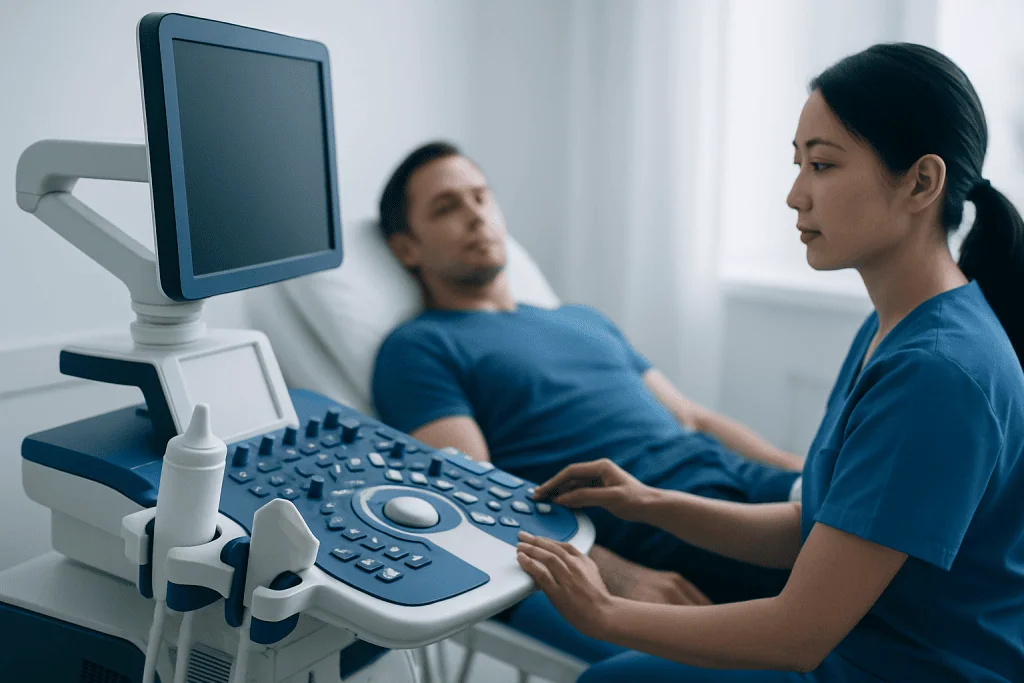
There is no single laboratory test or imaging scan that labels someone as a grower or shower. A clinician usually starts by asking practical questions: Has the penis always looked this way? Is the concern mainly cosmetic, or are there symptoms such as weaker erections, pain, curvature, shortening, or urinary changes? A stable lifelong pattern is usually reassuring, while a new change deserves more attention.
The physical exam may include looking at the penis and scrotum, checking for plaques or scar tissue, assessing the skin and foreskin if present, and examining the testicles and groin. If there is a concern about abnormal curvature, scar-related shortening, or pain with erections, the doctor may evaluate for Peyronie’s disease. If erections are difficult to achieve or maintain, they may also assess for erectile dysfunction.
Further testing is only needed in selected cases. A clinician may order blood tests if hormonal problems are suspected, or an ultrasound if blood flow or scar tissue needs closer evaluation. The goal is not to “classify” the penis for its own sake, but to find out whether appearance reflects normal anatomy or an underlying issue that can be treated.
When symptoms suggest a structural or vascular cause, a urologist may discuss specialized assessment and treatment options. Depending on the findings, a person may benefit from a focused urology evaluation or, less commonly, treatment directed at erection mechanics such as penile prosthesis for severe erectile dysfunction that has not responded to other care.
Why Flaccid and Erect Size Can Vary
Flaccid size reflects temporary changes in smooth muscle tone and blood flow. Cold temperatures, stress, nicotine, dehydration, and intense exercise can make the penis look smaller for a time. Warmth, relaxation, and normal circulation can make it appear fuller. This is a normal physiologic response and does not by itself indicate poor sexual health.
Age can also influence appearance. Skin elasticity, body composition, and circulation change over time, and weight gain around the lower abdomen can make more of the penile shaft appear hidden. In some people, a prominent fat pad can reduce visible length without changing the actual internal structure.
Some medical conditions can contribute to changes in size or firmness. Vascular disease, diabetes, hormonal conditions, prior pelvic surgery, and scarring disorders may affect erection quality or penile shape. A clinician may also consider whether the concern is related to a varicocele or another scrotal issue if there are associated symptoms such as heaviness, discomfort, or fertility concerns, although these conditions do not usually determine whether someone is a grower or shower.
What to Do if Someone Is a Grower or a Shower
If there are no symptoms, no treatment is needed for being a grower or a shower. The most helpful step is often understanding that both are normal variations. Comparing the flaccid state from person to person is especially unreliable because it changes with environment and stress.
If the concern is confidence rather than function, honest discussion with a clinician can be reassuring. A doctor can explain what is normal, address myths, and check for any signs of an underlying problem. In many cases, education alone reduces anxiety and helps people focus on overall sexual health rather than appearance alone.
If there are erection problems, pain, curvature, or sudden shortening, management depends on the cause. Treatment may involve lifestyle changes, medical therapy, counseling, or procedural care when appropriate. For structural concerns in carefully selected cases, clinicians may discuss reconstructive or aesthetic options such as penis enlargement surgery, but only after a thorough evaluation, realistic counseling, and consideration of risks and expected outcomes.
Healthy Habits That Support Penile Function
General vascular health supports erectile function. Regular physical activity, good sleep, smoking cessation, and management of blood pressure, cholesterol, and blood sugar all help protect the blood vessels and nerves involved in erections. These measures are useful whether a person is a grower or a shower.
Limiting excessive alcohol, reducing chronic stress, and seeking support for anxiety or depression can also improve sexual well-being. Mental health and sexual function are closely linked, and concerns about appearance can sometimes worsen erection quality through performance pressure alone.
It is wise to be cautious about supplements, devices, or internet products that claim to permanently change penis size. Many are not well studied, and some may be ineffective or harmful. A qualified doctor can explain which approaches are evidence-based and which ones are best avoided.
When to Seek Medical Care
Medical care is a good idea if the penis has changed in size, shape, or function more than expected, especially if the change is new. Sudden curvature, pain with erections, a palpable lump or plaque, persistent difficulty getting or keeping an erection, genital trauma, or urinary symptoms all deserve professional evaluation.
It is also sensible to seek advice if body image worry is causing ongoing distress, avoidance of intimacy, or repeated checking and comparison. Reassurance from a urologist or sexual health clinician can be helpful, and counseling may be appropriate when anxiety is a major part of the concern.
For people who need specialist care, Acibadem International’s multidisciplinary specialists in JCI-accredited hospitals evaluate and treat urologic and sexual health conditions for international patients. The most appropriate next step is an individualized assessment rather than assuming that being a grower or shower is a problem in itself.
Frequently asked questions
Is it better to be a grower or a shower?
Neither is medically better. These terms mainly describe visible change from the flaccid state to an erection, not sexual health, fertility, or masculinity. What matters most is whether erections are comfortable and functional.
Can someone change from a grower to a shower over time?
Appearance can shift somewhat with age, weight changes, circulation, stress, and temperature, especially in the flaccid state. However, the underlying pattern of how much the penis visibly changes with erection is usually just part of normal anatomy. A new or marked change should be assessed if it comes with symptoms.
Do doctors measure flaccid or erect size?
If measurement is medically relevant, clinicians use standardized methods and interpret the findings carefully. Because flaccid size varies a lot, it is often less informative than erection quality, symptoms, and the overall exam. Doctors do not usually need to measure size unless there is a specific concern.
Does being a grower mean there is poor blood flow?
No. A grower pattern is not, by itself, a sign of poor circulation. Blood flow becomes a concern when there are symptoms such as weak erections, pain, or a noticeable decline in sexual function.
When should penile size changes be checked by a doctor?
A doctor should evaluate changes that are new, progressive, painful, or linked to erection problems, curvature, trauma, or urinary symptoms. It is also reasonable to seek advice if worry about appearance is causing significant stress. Early assessment can help rule out treatable conditions.
Can surgery make someone less of a grower or more of a shower?
Surgery is not used simply to label someone differently. Certain procedures may be considered for carefully selected people with functional or structural concerns, but they involve risks and require realistic expectations. A specialist can explain whether any intervention is appropriate and evidence-based.
References
- American Urological Association
- Urology Care Foundation
- National Institute of Diabetes and Digestive and Kidney Diseases
- European Association of Urology
- Cleveland Clinic
This article is for general information only and is not a substitute for professional medical advice. Please consult a qualified doctor about your individual situation.
Explore treatments in Turkey — costs, top hospitals & a free quote
JCI-accredited · board-certified surgeons · reply within 24h
Add us as a Preferred Source to see more of our trusted health content across Google Search, AI Overviews and Discover.

More from the Health Library



Related Specialists

Dr. Sevda Berberoğlu
Pediatrics
Dr. Burcu Yilmaz
Gynecology & Obstetrics
Prof. Dr. Ayten Ferahbaş Kesikoğlu
Dermatology
Fzt. Alperen Mustafa Oğuz
Physical Medicine & Rehabilitation