Guillain-Barré Syndrome: Sudden Weakness, Diagnosis, and Urgent Treatment
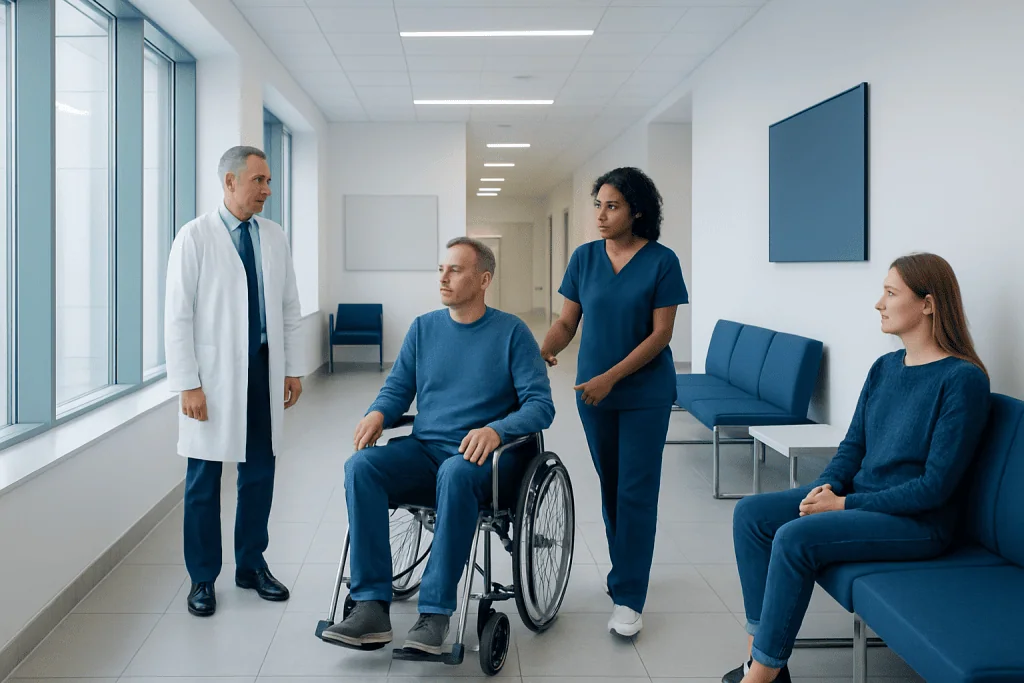
Guillain-Barré syndrome usually begins with tingling or weakness in the legs and may progress over hours to days. It is considered a neurological emergency because breathing, swallowing, heart rate, or blood pressure can be affected.
Key Takeaways
- Guillain-Barré syndrome usually begins with tingling or weakness in the legs and may progress over hours to days.
- It is considered a neurological emergency because breathing, swallowing, heart rate, or blood pressure can be affected.
- Diagnosis is based on neurological examination and may include nerve conduction studies, lumbar puncture, and tests to exclude other causes.
- The main disease-modifying treatments are intravenous immunoglobulin and plasma exchange, given under specialist supervision.
- Rehabilitation, pain control, respiratory support when needed, and prevention of complications are central to recovery.
Guillain-Barré syndrome is a rare immune-related nerve disorder that can cause rapidly progressing weakness, tingling, and sometimes breathing or swallowing problems. Prompt diagnosis, hospital monitoring, and early treatment can reduce complications and support recovery.
Overview
Guillain-Barré syndrome, often shortened to GBS, is a rare disorder in which the body’s immune system mistakenly attacks the peripheral nerves. These are the nerves outside the brain and spinal cord that carry signals to the muscles and skin. When they become inflamed or damaged, a person may develop weakness, numbness, tingling, pain, or reduced reflexes.
GBS often develops after an infection, such as a respiratory or gastrointestinal illness. It can affect people of any age, although the risk tends to rise with age. The condition is not contagious, and most people who develop it have no previous history of neurological disease.
Because symptoms can progress quickly, Guillain-Barré syndrome is treated as an urgent medical condition. Hospital care allows doctors to monitor breathing, heart rhythm, blood pressure, swallowing, mobility, and pain. With timely treatment and rehabilitation, many people improve substantially, although recovery may take weeks to months and sometimes longer.
Symptoms of Guillain-Barré Syndrome

The first symptoms of Guillain-Barré syndrome are often tingling, pins-and-needles sensations, or weakness in the feet and legs. Weakness may then spread upward to the thighs, arms, hands, face, or breathing muscles. Some people notice difficulty climbing stairs, getting out of a chair, lifting objects, or walking steadily.
Symptoms can vary from mild to severe. Reflexes are often reduced or absent when examined by a clinician. Pain is also common and may feel like aching, cramping, back pain, or nerve pain. In some cases, facial weakness, double vision, trouble speaking, chewing, or swallowing may occur.
- Progressive weakness on both sides of the body
- Tingling, numbness, or unusual sensations in the hands or feet
- Unsteady walking or difficulty with balance
- Reduced or absent tendon reflexes
- Back, leg, or nerve pain
- Shortness of breath, weak cough, or difficulty swallowing
- Changes in heart rate, blood pressure, sweating, or bladder function
Any rapidly worsening weakness, especially if it affects breathing, swallowing, or walking, needs same-day emergency medical evaluation. Early assessment helps doctors confirm the cause and begin supportive treatment before complications develop.
Causes and Risk Factors

Guillain-Barré syndrome is usually triggered by an immune response that becomes misdirected. After fighting an infection, the immune system may mistakenly recognize parts of peripheral nerves as a target. This can damage the myelin coating around nerves, the nerve fibers themselves, or both, depending on the GBS subtype.
Commonly reported triggers include gastrointestinal infections, especially those associated with Campylobacter bacteria, and respiratory infections. Other infections linked with GBS include influenza, cytomegalovirus, Epstein-Barr virus, Zika virus, and, in some cases, COVID-19. Less commonly, GBS has been reported after surgery, trauma, or vaccination. These events are uncommon triggers, and vaccines remain important tools for preventing infections that themselves can be associated with neurological complications.
Risk factors include recent infection, increasing age, and male sex, although GBS can affect anyone. A person who has previously had Guillain-Barré syndrome should discuss future vaccinations, infections, and surgery plans with a neurologist or primary doctor so that individual risks and benefits can be reviewed carefully.
Diagnosis
Diagnosis begins with a careful medical history and neurological examination. The doctor asks when symptoms started, how quickly they are changing, whether there was a recent infection, and whether breathing, swallowing, bladder function, or pain is affected. During the examination, strength, sensation, coordination, reflexes, eye movement, facial movement, and breathing effort may be assessed.
Several tests can support the diagnosis and help exclude other conditions such as stroke, spinal cord compression, myasthenia gravis, metabolic disorders, infections, or toxin exposure. Nerve conduction studies and electromyography can show how well nerves and muscles are transmitting signals. A lumbar puncture may find increased protein in the cerebrospinal fluid with few white blood cells, a pattern that can support GBS, although it may not appear early in the illness.
Blood tests, urine tests, chest imaging, or MRI may be used depending on symptoms and examination findings. Respiratory function tests, such as measuring vital capacity, can help doctors decide whether a person needs closer monitoring in an intensive care setting. Diagnosis is often clinical, meaning that treatment may begin before every test result is available if the pattern strongly suggests Guillain-Barré syndrome.
Treatment Options
The main treatments that can modify the course of Guillain-Barré syndrome are intravenous immunoglobulin, known as IVIG, and plasma exchange, also called plasmapheresis. IVIG provides purified antibodies that help calm the harmful immune response. Plasma exchange filters the blood to remove immune factors that may be contributing to nerve injury. These treatments are most effective when given early and are selected by the treating neurologist based on the patient’s condition, medical history, and availability.
IVIG and plasma exchange are generally not used together routinely because using both has not been shown to add clear benefit for most patients. Corticosteroids alone are not considered effective treatment for typical GBS. Alongside disease-directed treatment, hospital care focuses on breathing support if needed, heart rhythm and blood pressure monitoring, hydration, nutrition, prevention of blood clots and pressure injuries, and careful management of pain.
Some patients need care in an intensive care unit, especially if weakness is progressing quickly, swallowing is impaired, or breathing muscles are affected. A ventilator may be needed temporarily in more severe cases. This support gives the nerves and muscles time to recover while reducing the risk of complications.
Rehabilitation is a key part of treatment. Physical therapists, occupational therapists, speech and swallowing specialists, and rehabilitation physicians help patients rebuild strength, improve balance, protect joints, and return gradually to daily activities. Recovery is often stepwise, and fatigue can persist even when strength is improving.
Recovery, Rehabilitation, and Daily Life
Recovery from Guillain-Barré syndrome varies widely. Some people improve within weeks, while others need months or longer to regain strength and independence. Nerve healing can be slow, and progress may not feel even from day to day. A structured rehabilitation plan helps patients work safely without overexertion.
Daily care often includes energy conservation, gentle strengthening, stretching, balance exercises, pain management, and support for sleep and mood. Assistive devices such as walkers, braces, or adaptive tools may be used temporarily to make movement safer. Nutrition, hydration, skin care, and prevention of falls are also important during recovery.
Emotional support matters. Sudden weakness and hospitalization can be stressful for patients and families, and reassurance, clear communication, and realistic goals help with coping. Follow-up with neurology and rehabilitation teams allows the care plan to be adjusted as symptoms change.
Prevention and Self-Care
There is no guaranteed way to prevent Guillain-Barré syndrome, because it is usually an unpredictable immune reaction. General infection-prevention habits may reduce some triggers, including handwashing, safe food preparation, staying home when ill, and following medical advice for respiratory infections. Prompt treatment of significant infections and good overall health habits may also support recovery if illness occurs.
People recovering from GBS should avoid pushing through severe fatigue or new weakness. Activity should increase gradually under professional guidance. Patients should also keep follow-up appointments, report worsening symptoms promptly, and discuss medications, vaccinations, travel plans, and surgery with their healthcare team when relevant.
For international patients who need evaluation or ongoing care, Acibadem International’s multidisciplinary specialists and JCI-accredited hospitals can diagnose and treat Guillain-Barré syndrome with coordinated neurology, intensive care, and rehabilitation support. Care decisions should always be individualized by qualified clinicians.
When to See a Doctor
Immediate medical assessment is needed if a person develops sudden or rapidly worsening weakness, especially if it starts in the legs and spreads upward. New difficulty walking, frequent falls, facial weakness, double vision, trouble swallowing, or a weak cough should also be evaluated urgently. These symptoms may have several causes, and prompt diagnosis is important.
Emergency care is especially important if there is shortness of breath, chest tightness, choking episodes, fainting, severe back or limb pain with weakness, or marked changes in heart rate or blood pressure. Family members should not wait to see whether symptoms pass if weakness is progressing over hours or days.
After diagnosis, patients should contact their care team if weakness returns, breathing or swallowing changes, pain becomes difficult to control, fever develops, or rehabilitation progress suddenly declines. Ongoing communication helps clinicians identify complications early and keep recovery on track.
Frequently asked questions
Is Guillain-Barré syndrome a medical emergency?
Yes. Guillain-Barré syndrome can progress quickly and may affect breathing, swallowing, heart rhythm, or blood pressure. Anyone with rapidly worsening weakness should be assessed urgently in a hospital setting.
What does Guillain-Barré syndrome feel like at the start?
Many people first notice tingling, numbness, or weakness in the feet and legs. The weakness often affects both sides and may spread upward. Some people also develop back pain, leg pain, or difficulty walking.
Can Guillain-Barré syndrome be cured?
There is no instant cure, but treatments such as IVIG or plasma exchange can reduce the harmful immune attack and support recovery. Many people improve significantly with hospital care and rehabilitation. Recovery time varies from person to person.
How do doctors confirm Guillain-Barré syndrome?
Doctors diagnose GBS using the symptom pattern, neurological examination, and tests that support the diagnosis. These may include nerve conduction studies, electromyography, lumbar puncture, blood tests, and imaging to rule out other causes.
Is Guillain-Barré syndrome contagious?
No. Guillain-Barré syndrome itself is not contagious. It can occur after an infection, but the immune nerve reaction cannot be passed from one person to another.
Will a person with Guillain-Barré syndrome need a ventilator?
Some people need temporary breathing support if the breathing muscles become weak, but not everyone does. Hospital monitoring helps doctors detect breathing changes early and provide support when needed. This is one reason urgent assessment is important.
Can Guillain-Barré syndrome come back?
Recurrence is uncommon, but it can happen. Anyone who has had GBS should tell future healthcare providers about it and seek prompt medical advice if new weakness, tingling, or walking difficulty develops.
References
- World Health Organization
- National Institute of Neurological Disorders and Stroke
- Centers for Disease Control and Prevention
- Mayo Clinic
- European Academy of Neurology
This article is for general information only and is not a substitute for professional medical advice. Please consult a qualified doctor about your individual situation.
Joint and spine care in Turkey — expert assessment & treatment
JCI-accredited · board-certified surgeons · reply within 24h
Add us as a Preferred Source to see more of our trusted health content across Google Search, AI Overviews and Discover.
Check your numbers in seconds
BMI, calories, due date, blood pressure and 30+ more clinical calculators — free, instant, doctor-reviewed ranges.

More from the Health Library



Related Specialists

Assoc. Prof. Dr. Emel Kabakoğlu Ünsür
Pediatrics
Ece Nur Sonuk
Physical Medicine & Rehabilitation
Prof. Dr. Denizhan Dizdar
Otorhinolaryngology
Prof. Dr. Aziz Kaya Alturfan
Orthopedic Surgery & Traumatology