Gynophobia: What Patients Need to Know

Gynophobia is a specific phobia involving marked fear or anxiety related to women. Symptoms may include panic-like physical reactions, avoidance, distress, and disruption of daily life.
Key Takeaways
- Gynophobia is a specific phobia involving marked fear or anxiety related to women.
- Symptoms may include panic-like physical reactions, avoidance, distress, and disruption of daily life.
- Possible contributing factors include past experiences, learned fears, anxiety disorders, and mental health conditions.
- Diagnosis is based on clinical evaluation rather than a blood test or scan.
- Treatment often includes psychotherapy, especially exposure-based approaches and cognitive behavioral therapy.
Gynophobia is an intense, persistent fear of women that goes beyond shyness, discomfort, or ordinary social anxiety. It can affect work, relationships, and daily functioning, but careful assessment and evidence-based treatment can help people improve significantly.
Overview
Gynophobia is an intense fear of women. In clinical terms, it may be understood as a form of specific phobia when the fear is persistent, out of proportion to the actual situation, and strong enough to interfere with daily life. A person with gynophobia may experience severe anxiety around women, avoid contact whenever possible, or feel distressed even when thinking about situations that involve women.
This is different from simple shyness, introversion, cultural discomfort, or a temporary awkwardness in social settings. Many people feel nervous in unfamiliar situations, but a phobia typically causes marked fear, a sense of loss of control, and patterns of avoidance that can affect education, employment, healthcare, family life, or close relationships.
Gynophobia is not a sign of bad character or intentional hostility. Like other phobias, it is a mental health condition that deserves compassionate, professional attention. With appropriate care, many people learn to manage symptoms, reduce avoidance, and participate more comfortably in everyday activities.
Symptoms and How It May Affect Daily Life
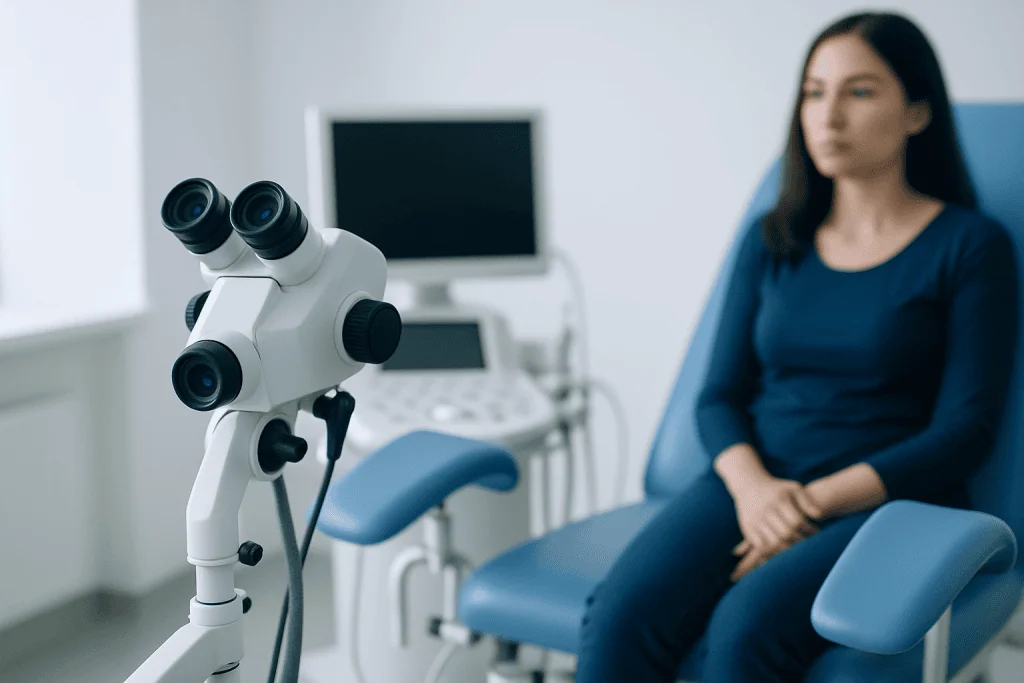
The symptoms of gynophobia can be emotional, physical, and behavioral. Some people feel immediate fear when speaking with a woman, entering a setting where women are present, or anticipating such contact. Others may notice symptoms only in certain situations, such as one-to-one conversations, dating, medical visits, school, or workplace interactions.
Common symptoms can include rapid heartbeat, sweating, trembling, shortness of breath, dizziness, nausea, chest tightness, or a feeling of panic. Emotionally, a person may feel intense dread, embarrassment, helplessness, or an urgent need to escape. In some cases, the fear can become so strong that the person avoids appointments, work tasks, or social events.
Behavioral effects are often what bring the most disruption. A person may avoid female colleagues, teachers, clinicians, relatives, or public places where interaction feels likely. This avoidance can gradually reinforce the fear, making the phobia more limiting over time.
- Persistent fear that feels excessive or hard to control
- Avoidance of women or situations involving likely interaction
- Physical anxiety symptoms such as shaking or palpitations
- Distress that affects school, work, relationships, or self-care
Possible Causes and Risk Factors

There is not always one single cause of gynophobia. Phobias often develop through a combination of biological, psychological, and environmental factors. In some people, the fear may be linked to a distressing or traumatic experience involving a woman, especially if the event occurred earlier in life. In others, the pattern may arise without a clearly identifiable trigger.
Learned fear can also play a role. A person may absorb anxious beliefs from family, social surroundings, or repeated negative messages. Temperament matters as well: individuals who are naturally more anxious, more sensitive to stress, or living with another anxiety disorder may be more likely to develop phobic reactions.
Sometimes gynophobia may overlap with broader conditions such as anxiety disorders, social anxiety, trauma-related disorders, depression, or obsessive patterns of thinking. This is why a professional assessment is important. The goal is not just to name the fear, but to understand what may be contributing to it and whether another condition is also present.
Risk may be higher when there is a personal or family history of anxiety, significant interpersonal trauma, chronic stress, or longstanding avoidance behavior. However, having these risk factors does not mean someone will definitely develop gynophobia.
How Doctors and Mental Health Professionals Diagnose It
Gynophobia is diagnosed through a clinical conversation rather than a laboratory test. A doctor, psychologist, or psychiatrist will usually ask when the fear started, what situations trigger it, how severe the reactions are, and whether daily life has been affected. They may also ask about past experiences, current stress, sleep, mood, and other medical or mental health concerns.
The assessment focuses on whether the fear is persistent, excessive, and linked to avoidance or marked distress. A clinician may also consider whether symptoms fit better with social anxiety disorder, post-traumatic stress disorder, depression, or another psychiatric condition. This step matters because treatment can differ depending on the underlying problem.
Sometimes physical symptoms of anxiety, such as chest discomfort, dizziness, or breathlessness, can feel alarming. A medical evaluation may be useful if there are symptoms that could suggest another health issue. In some settings, clinicians may also coordinate with specialists in psychiatric evaluation and care to build an individualized treatment plan.
Treatment Options
Treatment for gynophobia is usually centered on psychotherapy. One of the most effective approaches for specific phobias is cognitive behavioral therapy, often with gradual, structured exposure. In exposure-based treatment, the person works with a trained professional to face feared situations step by step in a safe, planned way. Over time, this can reduce the intensity of the fear and weaken the pattern of avoidance.
Cognitive techniques may also help a person identify exaggerated threat beliefs, self-critical thoughts, or expectations of embarrassment and rejection. Some patients benefit from relaxation strategies, breathing exercises, and skills for managing panic-like symptoms. When trauma is part of the picture, therapy may need to address those experiences directly rather than focusing only on the phobia.
Medication is not always necessary for a specific phobia, but it may be considered in some situations, especially if there is severe anxiety, panic, depression, or another coexisting condition. Decisions about medication should always be made with a qualified doctor who can weigh potential benefits and risks. Depending on the broader mental health picture, care may involve psychological therapy and, when appropriate, integrated support through psychiatry services.
Recovery is often gradual rather than immediate. Even so, many people improve with consistent treatment, especially when they seek help before avoidance becomes deeply ingrained.
Self-care, Coping Strategies, and Prevention of Worsening
While self-help strategies do not replace professional treatment, they can support recovery. A useful first step is recognizing avoidance patterns without judging them harshly. Keeping a brief record of triggers, physical symptoms, and thoughts may help a clinician understand the problem more clearly and help the person notice small signs of progress.
General anxiety-management habits can also be helpful. Regular sleep, physical activity, balanced meals, and limiting excess caffeine or alcohol may reduce the body’s baseline stress response. Some people benefit from mindfulness, paced breathing, or grounding techniques during anxious moments, although these are usually most effective when combined with therapy.
It is often best to avoid forcing sudden, overwhelming exposure without guidance. Gentle, planned steps tend to work better than pushing too hard and then retreating. Support from trusted relatives or friends can be valuable if it is respectful and does not increase shame.
- Track triggers and avoidance behaviors
- Practice calming skills consistently, not only during panic
- Seek qualified therapy rather than relying on willpower alone
- Address related problems such as poor sleep, stress, or depression
When to Seek Medical Care
Medical or mental health care should be considered when fear of women causes significant distress, repeated panic symptoms, or avoidance that disrupts daily responsibilities. This includes missing work or school, avoiding healthcare visits, struggling in relationships, or feeling unable to function in ordinary social settings.
Prompt assessment is especially important if symptoms are linked to trauma, depression, substance misuse, self-harm thoughts, or severe isolation. If there is chest pain, fainting, or other symptoms that could reflect a physical illness, urgent medical evaluation may also be necessary to rule out other causes.
Early help can prevent the fear from becoming more entrenched. Near the end of the care journey, some patients may benefit from multidisciplinary support when symptoms overlap with depression or other mental health concerns. Acibadem International’s multidisciplinary specialists and JCI-accredited hospitals diagnose and treat mental health conditions for international patients using individualized assessment and care planning.
Frequently asked questions
Is gynophobia the same as hating women?
No. Gynophobia refers to intense fear or anxiety related to women, not a deliberate value judgment or ideology. A person may not want to feel this way and may be distressed by how much the fear affects daily life.
Can gynophobia be treated successfully?
Yes, many people improve with appropriate treatment. Psychotherapy, especially cognitive behavioral therapy with gradual exposure, is commonly effective for reducing fear and avoidance.
What is the difference between gynophobia and social anxiety?
Social anxiety usually involves fear of being judged or embarrassed in social situations more broadly. Gynophobia is more specifically focused on women, although the two can overlap and should be distinguished during assessment.
Can past trauma cause gynophobia?
In some people, yes. A painful or traumatic experience may contribute to fear responses, but not everyone with gynophobia has a clear trauma history, and not everyone with trauma develops this phobia.
Should someone with gynophobia avoid triggers?
Short-term avoidance can bring temporary relief, but it often keeps the phobia going over time. Treatment usually aims for gradual, planned exposure with professional support rather than total avoidance.
When is professional help especially important?
Professional help is especially important when the fear causes panic symptoms, isolation, work or school problems, missed appointments, or relationship strain. It is also important if there are signs of depression, trauma, substance misuse, or thoughts of self-harm.
This article is for general information only and is not a substitute for professional medical advice. Please consult a qualified doctor about your individual situation.
Explore treatments in Turkey — costs, top hospitals & a free quote
JCI-accredited · board-certified surgeons · reply within 24h
Add us as a Preferred Source to see more of our trusted health content across Google Search, AI Overviews and Discover.

More from the Health Library

Virgina Sores: A Complete Medical Overview

Muscle Strengthening: What Patients Need to Know

Big nose: Symptoms, Causes, and Treatment — Complete Patient Guide

Ashwagandha Benefits — Explained by Medical Evidence, Not Myths

Focus problems: A Complete Medical Guide for Patients