Hair Transplant After 6 Months: Timeline, What’s Normal, and Care Tips

At 6 months, transplanted hair is commonly growing but still maturing. Patchy density at this stage can be normal because hairs do not all grow at the same speed.
Key Takeaways
- At 6 months, transplanted hair is commonly growing but still maturing.
- Patchy density at this stage can be normal because hairs do not all grow at the same speed.
- Final results are often judged closer to 12 months, and sometimes later depending on the area treated.
- Gentle scalp care, sun protection, and follow-up with the surgeon support recovery.
- Persistent pain, spreading redness, drainage, or sudden heavy shedding should be assessed by a doctor.
Hair transplant after 6 months is usually a stage of clear progress rather than the final result. Most people see noticeable new growth by this point, but hair thickness, texture, and overall density often continue to improve for several more months.
Overview: What to expect after 6 months
Hair transplant after 6 months usually means that the early healing phase is over and visible regrowth is underway. For many patients, this is the point when the procedure begins to look more rewarding in daily life, because new hairs have emerged and the hairline or treated area is becoming easier to appreciate.
Even so, 6 months is not usually the end of the process. Transplanted follicles often produce hair in cycles, so some strands may be longer, thicker, or darker while others are just beginning to appear. This unevenness can be normal and does not necessarily mean the procedure has failed.
The exact pace of change depends on several factors, including the technique used, the size of the transplant area, the natural hair cycle, age, scalp characteristics, and whether the crown or hairline was treated. People who had a hair transplant procedure are often advised to judge progress by trends over time rather than by day-to-day changes.
What is normal at 6 months
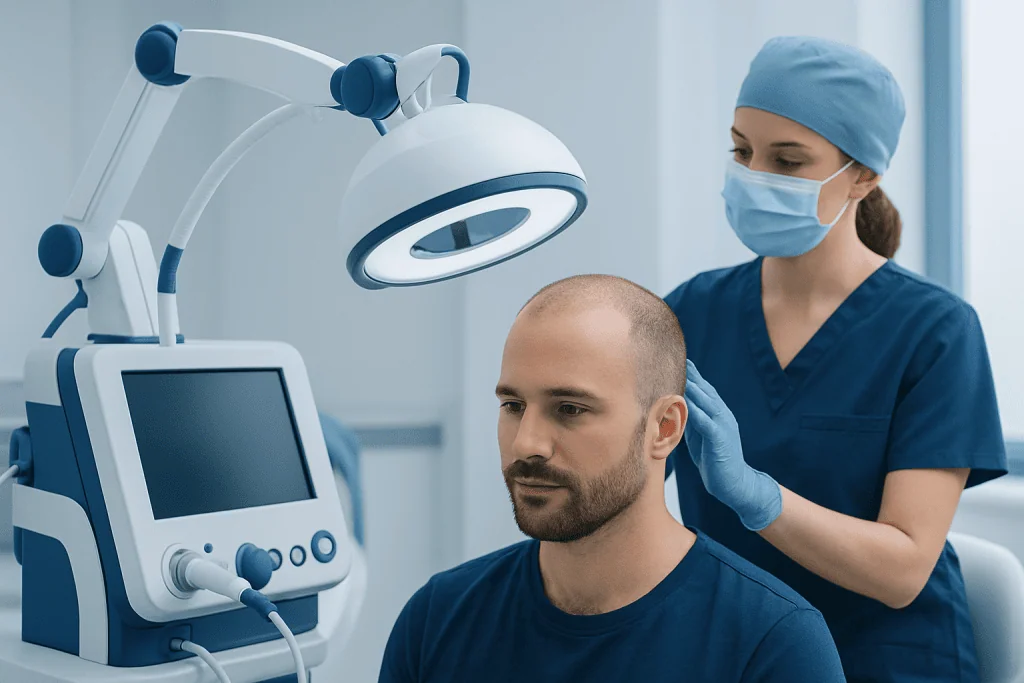
By 6 months, most patients have moved well beyond the initial shedding phase and have visible regrowth in the transplanted area. The new hair may still look softer, finer, or less dense than expected. This is common because transplanted follicles often start by producing thinner hairs before they gradually mature.
It is also normal for growth to seem uneven. Some follicles enter active growth earlier than others, so one side may appear fuller or certain spots may look delayed. In many cases, this balances out over the following months as more hairs thicken and lengthen.
Common normal findings at this stage include:
- Short new hairs that continue to lengthen each month
- Improving but incomplete density
- Hair texture that feels wiry, curly, or different from surrounding hair at first
- Mild scalp sensitivity or occasional itching without signs of infection
- A result that looks better when styled, even if not yet final
Some patients also continue treatment for underlying hair loss in non-transplanted areas. This can matter because a transplant improves selected areas, but it does not stop ongoing thinning elsewhere unless the underlying condition is also managed.
Why results still change after 6 months

Hair grows in cycles. After transplantation, follicles usually enter a temporary resting phase, shed their initial shafts, and then gradually restart growth. Because each follicle does this on its own schedule, the treated area can continue changing for many months after the procedure.
At 6 months, many transplanted follicles are active, but not all have reached their full potential. Hair shafts often become thicker, stronger, and more pigmented over time. As they mature, they can provide better coverage even if the total number of hairs has not changed significantly.
The treated location also matters. Hairline work may show earlier visible framing of the face, while crown transplants often require more patience because the whorl pattern and angle of growth can make density appear slower to develop. Patients who are comparing their progress to others should remember that timelines vary widely.
For a fuller picture of recovery milestones, some people also review the hair transplant recovery timeline and related planning topics such as hair graft counts to understand how graft number and healing can affect appearance over time.
Factors that influence 6-month progress
Several medical and procedural factors can influence how a transplant looks at 6 months. These include donor hair quality, the number of grafts placed, the size of the treated area, scalp blood supply, and whether the person has naturally fine or coarse hair. Curly or wavy hair may create fuller visual coverage than very straight, fine hair.
Ongoing hair loss in native, non-transplanted hair can also change the overall appearance. This is one reason doctors may discuss long-term planning rather than focusing only on a single procedure. If a person is progressing through patterned thinning, such as Norwood stages of hair loss, the long-term design of the hairline and density becomes especially important.
General health can matter as well. Nutritional deficiencies, smoking, significant stress, some medications, and scalp inflammation may affect hair quality or shedding. In many cases, these factors do not damage transplanted follicles permanently, but they can influence how the hair looks during recovery.
Regular follow-up allows the surgeon or dermatologist to check whether progress fits the expected course. Photos taken under similar lighting each month can be more helpful than relying on memory, especially because small changes are easy to miss in the mirror.
Care tips at the 6-month stage
At 6 months, the goal is usually to protect the scalp, support healthy hair growth, and maintain realistic expectations. Most people can return to a normal routine by this point, but gentle care still matters. Harsh scalp irritation, repeated sunburn, or aggressive grooming can make the scalp uncomfortable and may affect the appearance of recovering hair.
Helpful care habits may include:
- Using a mild shampoo and avoiding unnecessary scalp trauma
- Protecting the scalp from strong sun with shade or a loose-fitting hat when appropriate
- Following the surgeon’s advice about hair products, coloring, and styling tools
- Attending scheduled follow-up visits and sharing photos if asked
- Discussing medical therapy for non-transplanted hair when recommended
Patients should avoid starting supplements, topical products, or medications solely based on online advice. A doctor can help decide whether options such as medical hair-loss treatment or supportive dermatology care are suitable. In some cases, related specialist care such as dermatology evaluation may help if there is scalp irritation, dandruff, or inflammation.
If appearance remains a concern, it is usually better to wait for the recovery timeline to unfold before judging the final outcome. Hair texture and density often improve gradually between 6 and 12 months, and sometimes beyond that depending on the person and the treatment area.
When to seek medical care
Most changes at 6 months are part of normal recovery, but some symptoms should prompt medical review. Patients should contact their doctor if they notice increasing pain, warmth, spreading redness, pus-like drainage, fever, or a foul odor from the scalp. These are not typical features of routine healing and may suggest infection or significant inflammation.
Medical advice is also important if there is sudden heavy shedding after a period of improvement, new bald patches outside the transplanted area, or persistent crusting and tenderness. Sometimes these issues relate to scalp conditions rather than the transplant itself, but they still deserve assessment.
If density seems disappointing, a non-urgent follow-up can still be valuable. The doctor may explain that progress is within the normal range, review photographs, or check for factors such as ongoing native-hair loss, scalp disease, or nutritional concerns. In selected cases, supportive assessment through a medical check-up can help identify general health issues that may affect hair quality.
Long-term outlook and follow-up
For many people, the most noticeable improvement continues after the 6-month mark. The following months often bring thicker shafts, better blending with native hair, and greater styling flexibility. Final assessment is commonly made around 12 months, although crown areas and some individual cases may continue to refine after that.
Long-term success is not only about the transplanted follicles. It also depends on the stability of surrounding native hair and the overall treatment plan. This is why follow-up can remain important even when healing is uncomplicated. A doctor may discuss future maintenance, medical treatment for ongoing thinning, or the possibility that more than one procedure could be needed in some people.
Patients who want structured, multidisciplinary assessment can seek care from centers experienced in both surgical and non-surgical hair management. Acibadem International’s multidisciplinary specialists and JCI-accredited hospitals diagnose and treat hair loss conditions and provide care for international patients in appropriate cases.
Overall, 6 months is usually a midpoint of visible progress rather than a final judgment. Patience, consistent aftercare, and open communication with a qualified doctor are the best ways to understand whether recovery is on track.
Frequently asked questions
Is hair transplant after 6 months considered the final result?
Usually not. At 6 months, many patients have visible growth, but the hair often continues to thicken, lengthen, and mature over the following months. Final evaluation is commonly made closer to 12 months, and sometimes later for crown procedures.
Why does my hair transplant still look patchy at 6 months?
Patchiness can be normal because transplanted follicles do not all grow at the same time. Some hairs may already be thicker while others are only beginning to emerge. If the area remains very sparse or seems to worsen, a follow-up with the treating doctor is sensible.
Can transplanted hair be thin or wiry at first?
Yes. New transplanted hair may begin as finer, softer, or sometimes wiry strands before it settles into a more natural texture. This often improves gradually as the follicles mature during the rest of the first year.
What should I avoid 6 months after a hair transplant?
Most people can follow a normal routine by this stage, but it is still wise to avoid unnecessary scalp trauma and strong sun exposure. Harsh products, repeated scratching, or ignoring scalp irritation can make the area uncomfortable and may affect the look of the hair.
Is shedding normal after 6 months?
Some day-to-day shedding can be part of the normal hair cycle. However, sudden heavy shedding, especially if it affects areas outside the transplant or is linked with redness or scalp symptoms, should be discussed with a doctor.
When should someone contact a doctor after a hair transplant?
Medical advice is important if there is increasing pain, pus-like drainage, spreading redness, fever, or persistent scalp tenderness. A doctor should also review concerns about poor growth, new bald patches, or ongoing inflammation.
References
- American Academy of Dermatology
- British Association of Dermatologists
- International Society of Hair Restoration Surgery
- National Health Service
- Mayo Clinic
This article is for general information only and is not a substitute for professional medical advice. Please consult a qualified doctor about your individual situation.
Hair transplant in Turkey — costs, graft counts & a free assessment
JCI-accredited · board-certified surgeons · reply within 24h
Add us as a Preferred Source to see more of our trusted health content across Google Search, AI Overviews and Discover.