Hcc Treatment: How It Works, Results and What to Expect

HCC treatment may include surgery, liver transplant, tumor ablation, catheter-based liver therapies, radiation therapy, immunotherapy, targeted medicines, or a combination. Treatment planning considers both the cancer and the condition of the underlying liver, including cirrhosis and portal hypertension.
Key Takeaways
- HCC treatment may include surgery, liver transplant, tumor ablation, catheter-based liver therapies, radiation therapy, immunotherapy, targeted medicines, or a combination.
- Treatment planning considers both the cancer and the condition of the underlying liver, including cirrhosis and portal hypertension.
- Some early HCCs can be treated with curative intent, while advanced HCC is often managed with systemic therapy to control growth and symptoms.
- Treatment response is monitored with imaging, blood tests and regular review by a multidisciplinary liver cancer team.
- New symptoms such as jaundice, abdominal swelling, vomiting blood or confusion require prompt medical assessment.
HCC treatment is individualized for hepatocellular carcinoma, the most common primary liver cancer. The best approach depends on the size and spread of the cancer, liver function, general health, and whether treatments can control or remove the tumor while preserving as much healthy liver as possible.
HCC Treatment: How It Works
HCC treatment aims to remove or destroy liver tumors when possible, slow cancer growth when cure is not feasible, protect liver function, and support quality of life. Hepatocellular carcinoma (HCC) usually develops in a liver affected by long-term disease, particularly cirrhosis from hepatitis B, hepatitis C, alcohol-related liver disease, metabolic dysfunction-associated steatotic liver disease, or other causes. This makes treatment planning different from treating many other solid tumors: the care team must consider both the cancer and the health of the remaining liver.
A personalized HCC treatment strategy is based on tumor number, size and location; whether cancer involves blood vessels or has spread outside the liver; liver function; symptoms; and a person’s fitness for a procedure or medication. Specialists commonly use contrast-enhanced CT or MRI scans, liver blood tests, and clinical assessments to define the stage and select options. A diagnosis may sometimes be made from characteristic imaging findings in a person with cirrhosis, while other situations require a biopsy.
For small tumors in people with adequate liver reserve, surgery, transplantation, or local ablation may offer the possibility of long-term disease control or cure. For tumors that cannot be removed, liver-directed treatments and medicines delivered throughout the body can be valuable. Care is commonly coordinated by hepatologists, surgical oncologists, transplant specialists, medical oncologists, interventional radiologists, radiation oncologists, pathologists, radiologists, nurses and supportive-care professionals.
Who May Be a Candidate for HCC Treatment?
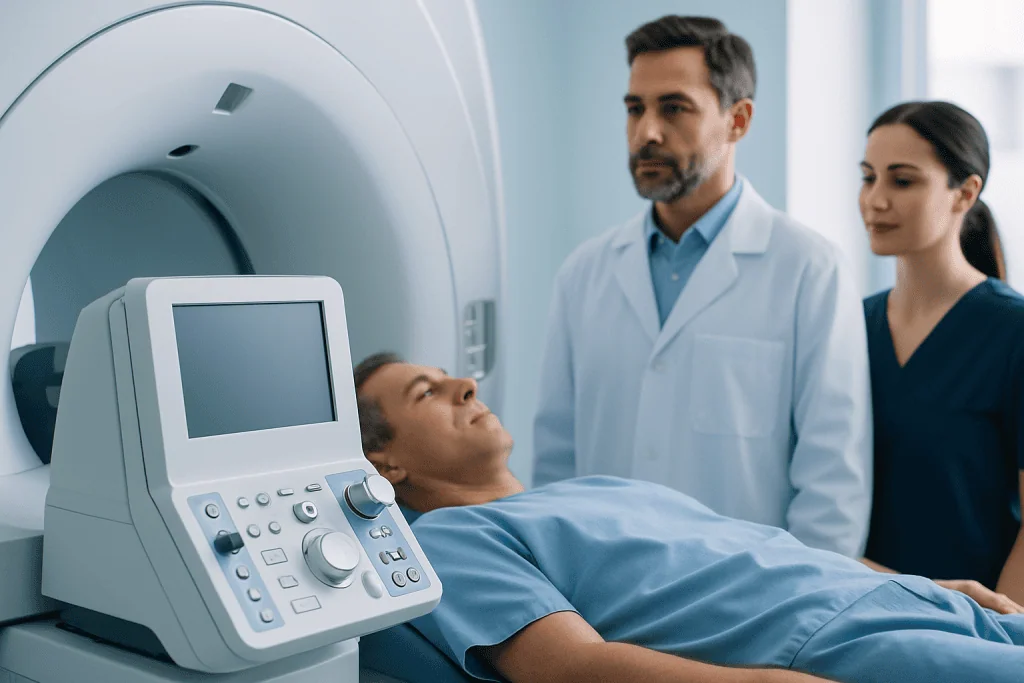
Nearly everyone diagnosed with HCC should be assessed for treatment, but the most suitable option varies widely. A liver cancer team considers whether the tumor can be safely removed, whether there is severe cirrhosis or portal hypertension, and whether a transplant evaluation is appropriate. The team also reviews kidney function, heart and lung health, nutrition, daily functioning, medications, and personal priorities.
Resection, meaning surgical removal of the tumor-containing part of the liver, may be considered when the cancer is limited to the liver and enough healthy liver would remain afterward. Liver transplantation can treat both the cancer and the diseased liver in carefully selected people, although eligibility criteria and donor organ availability affect timing. Tumor ablation can be useful for selected small tumors, especially when surgery is not suitable.
When tumors are larger, multiple, or not safely removable, catheter-based treatment may be offered. These procedures deliver therapy through blood vessels feeding the tumor, such as transarterial chemoembolization or radioembolization. Systemic therapy, including immunotherapy and targeted therapy, is generally considered for advanced HCC, vascular invasion, cancer spread beyond the liver, or disease that is not suitable for liver-directed treatment. The same person may receive more than one type of treatment over time.
HCC Treatment Options and the Step-by-Step Process

For liver resection, the patient first undergoes imaging, blood testing and assessment of liver reserve. During surgery, the surgeon removes the tumor along with a margin of surrounding liver tissue when safely possible. The liver has a capacity to regenerate, but this depends on the health of the underlying liver. After surgery, pathology examination provides detailed information about the tumor and helps guide surveillance.
For ablation, a specialist places a needle-like probe into the tumor using ultrasound or CT guidance. Heat-based techniques, such as radiofrequency or microwave ablation, can destroy cancer cells in a small target area. The procedure may be performed with sedation or anesthesia, and follow-up imaging is used to confirm whether the treated area has no remaining viable tumor. In selected cases, ablation may be combined with other liver-directed methods.
Catheter-based procedures begin with access to an artery, usually through the groin or wrist. An interventional radiologist guides a small catheter to blood vessels supplying the tumor. Chemoembolization delivers chemotherapy directly to the tumor along with material that reduces its blood supply; this is one meaning of HCC treatment chemo, and it differs from routine intravenous chemotherapy. Radioembolization delivers microscopic radioactive particles to target tumor tissue. Liver cancer treatment options may include these approaches when they are clinically appropriate.
Systemic therapy is given by infusion, injection, or tablets depending on the medicine selected. Immunotherapy helps the immune system recognize and attack cancer cells, while targeted therapies interfere with signals or blood vessel pathways that help cancer grow. A treatment plan may use one medicine or a combination, with regular monitoring for response and side effects. Conventional chemotherapy has a limited role in HCC compared with modern immunotherapy, targeted medicines, and liver-directed treatments.
HCC Treatment Timeline, Results and Recovery
An HCC treatment timeline begins with staging and liver-function assessment, often followed by discussion at a multidisciplinary tumor board. Some people can proceed to surgery, ablation, or a catheter-based procedure within a planned timeframe after pre-treatment testing. Others may start systemic therapy first, receive treatment while awaiting transplantation, or move between treatment types as the cancer and liver health change.
Recovery varies by treatment. After ablation or many catheter-based procedures, a person may go home the same day or after a short hospital stay, depending on the technique, symptoms and liver condition. Tiredness, mild pain, feverish feelings or nausea can occur temporarily after liver-directed therapy. Recovery after liver surgery usually takes longer and includes pain control, breathing exercises, gradual activity, blood tests and monitoring for surgical complications.
Response is assessed with repeat CT or MRI scans and blood tests, often several weeks to months after treatment depending on the approach. Imaging is important because an HCC treatment review looks not only at tumor size but also at whether the treated lesion still has active blood flow or enhancement. Even after apparently successful treatment, ongoing surveillance is essential because HCC can recur in the liver or new tumors can develop in a liver with chronic disease.
Benefits may include complete removal or destruction of an early tumor, delayed progression, improved symptom control, and longer survival. Results differ substantially between individuals. They are influenced by stage, liver reserve, tumor biology, response to treatment, access to transplantation where relevant, and the ability to continue recommended monitoring and supportive care.
How Fast Does HCC Liver Cancer Grow?
HCC liver cancer does not grow at one predictable rate. Some tumors grow relatively slowly over months, while others progress more quickly, particularly when there is vascular invasion, more aggressive tumor biology, or declining liver function. Growth can also be difficult to judge from a single scan, which is why clinicians compare imaging studies over time.
In people at increased risk, regular surveillance can detect HCC at an earlier stage, before it causes symptoms. Surveillance commonly includes liver ultrasound with or without blood testing at intervals recommended by the treating clinician. Earlier detection can increase the number of potentially curative options, such as resection, ablation, or transplantation.
Once HCC is diagnosed, treatment should be planned without unnecessary delay, but decisions should still be careful and individualized. The immediate next step is usually evaluation by a liver cancer team rather than assuming that one treatment is right for every person.
How Aggressive Is HCC Liver Cancer?
HCC can be an aggressive cancer, but its behavior ranges widely. A small, localized tumor in a person with preserved liver function may be treatable with curative intent. In contrast, HCC may be more difficult to control when it is large, multifocal, has entered major blood vessels, has spread outside the liver, or occurs alongside advanced cirrhosis.
The underlying liver disease is a major part of the outlook. Cirrhosis can limit the ability to perform surgery or tolerate treatment and can itself cause serious health problems. For this reason, HCC care includes management of hepatitis when present, alcohol avoidance where relevant, nutritional assessment, monitoring for portal hypertension, and treatment of liver-related complications.
HCC is not contagious. However, some of its causes, including hepatitis B and hepatitis C, require medical evaluation and appropriate prevention or treatment. People with chronic liver disease should ask their clinician whether they need regular HCC surveillance.
How Successful Is Immunotherapy for HCC?
Immunotherapy has become an important option for many people with advanced or unresectable HCC. It does not work for every patient, and it is generally not a replacement for surgery, transplantation, or local treatment when those curative options are appropriate. For eligible people, immunotherapy alone or in combination with another medicine may shrink tumors, slow progression, or produce durable disease control.
Success is measured in several ways, including imaging response, time without cancer progression, survival, symptom burden, and ability to maintain daily activities. Some patients have substantial and lasting responses, while others have stable disease or no meaningful response. No scan, blood test, or symptom can reliably predict the outcome for an individual before treatment begins.
Immunotherapy can cause immune-related side effects because it activates immune activity. These may affect the skin, bowel, lungs, thyroid, liver, or other organs. New diarrhea, rash, cough, shortness of breath, severe tiredness, jaundice, or worsening abdominal pain should be reported promptly. Regular blood tests and clinical reviews help identify side effects early.
How Long Can You Live With Hepatocellular Carcinoma?
Life expectancy with hepatocellular carcinoma varies greatly and cannot be accurately estimated from the diagnosis alone. Important factors include cancer stage, whether a curative treatment is possible, tumor response, liver function, performance status, other health conditions, and access to follow-up care. Some people with early-stage HCC treated successfully can live for many years, while advanced disease usually requires ongoing treatment and close support.
It is reasonable to ask the care team for a clear discussion of prognosis, treatment goals and what to expect. These conversations can be revisited as test results and treatment response become clearer. Palliative care may be introduced alongside cancer treatment at any stage to help manage symptoms, emotional concerns, nutrition, and practical needs; it does not mean that active cancer treatment has stopped.
Acibadem International’s multidisciplinary specialists and JCI-accredited hospitals evaluate and treat liver cancer for international patients, coordinating diagnostic, liver-directed, surgical and systemic treatment planning when needed.
When to Seek Medical Care
Anyone with cirrhosis, chronic hepatitis B, chronic hepatitis C, or another long-term liver condition should speak with a clinician about HCC surveillance. People should also seek medical assessment for persistent upper abdominal discomfort, unexplained weight loss, reduced appetite, worsening fatigue, abdominal swelling, yellowing of the eyes or skin, or a new lump or fullness in the upper abdomen. These symptoms can have causes other than cancer, but they deserve evaluation.
Urgent medical care is needed for vomiting blood, black stools, severe or rapidly worsening abdominal pain, fever with significant illness, new confusion, fainting, severe shortness of breath, or rapidly increasing jaundice or abdominal swelling. These can be signs of complications from liver disease or its treatment and should not be managed at home.
During HCC treatment, patients should contact their oncology or liver team for new or worsening side effects, particularly fever, persistent vomiting, severe diarrhea, bleeding, chest pain, breathing difficulty, marked weakness, or confusion. The team can advise whether symptoms require same-day review, emergency care, or a planned adjustment to treatment.
Frequently asked questions
What is the best HCC treatment?
There is no single best HCC treatment for everyone. The appropriate option depends on tumor stage, liver function, overall health, and whether the cancer can be removed or destroyed safely. A multidisciplinary liver cancer team can compare surgery, transplantation, ablation, liver-directed treatments, radiation, and systemic therapies.
Can HCC be cured?
Some early hepatocellular carcinomas can be treated with curative intent using surgical resection, liver transplantation, or tumor ablation. Cure is less likely when cancer has spread or the liver is severely damaged, but treatment can still slow growth and help manage symptoms. Continued follow-up is important because HCC can recur.
Is chemotherapy used for HCC treatment?
Traditional intravenous chemotherapy is not commonly the main treatment for HCC. Chemotherapy may be used locally during transarterial chemoembolization, where it is delivered through an artery feeding the tumor. Immunotherapy and targeted medicines are more commonly used systemic options for many people with advanced HCC.
How often are scans needed after HCC treatment?
The scan schedule depends on the treatment received, the tumor response, and liver function. CT or MRI is often performed after local treatment to assess response, followed by regular surveillance imaging. The treating team will provide an individualized follow-up schedule.
Can HCC return after surgery or ablation?
Yes. HCC can recur after apparently successful treatment, either near the original site or elsewhere in the liver. The risk is partly related to the underlying liver disease, which is why ongoing imaging, blood tests, and liver care remain important.
What lifestyle changes are helpful during HCC treatment?
People are generally advised to avoid alcohol, avoid smoking, take medicines only as directed, and discuss supplements with their clinical team because some can harm the liver. Maintaining adequate nutrition, staying as active as safely possible, and attending all follow-up visits can support treatment. Individual advice is especially important for people with cirrhosis, weight loss, diabetes, or reduced appetite.
References
- American Cancer Society
- National Cancer Institute
- European Association for the Study of the Liver
- American Association for the Study of Liver Diseases
- World Health Organization
This article is for general information only and is not a substitute for professional medical advice. Please consult a qualified doctor about your individual situation.
Oncology care in Turkey — second opinion and treatment plan
JCI-accredited · board-certified surgeons · reply within 24h
Add us as a Preferred Source to see more of our trusted health content across Google Search, AI Overviews and Discover.