Head and Neck Cancer: Hoarseness, Neck Lumps, and Multidisciplinary Care

Head and neck cancer is not one disease; it includes cancers of the oral cavity, throat, larynx, nasal cavity, sinuses, and salivary glands. Warning signs may include persistent hoarseness, a lump in the neck, a non-healing mouth ulcer, difficulty swallowing, ear pain, or unexplained bleeding.
Key Takeaways
- Head and neck cancer is not one disease; it includes cancers of the oral cavity, throat, larynx, nasal cavity, sinuses, and salivary glands.
- Warning signs may include persistent hoarseness, a lump in the neck, a non-healing mouth ulcer, difficulty swallowing, ear pain, or unexplained bleeding.
- Tobacco, alcohol, and certain human papillomavirus (HPV) infections are important risk factors, although some people develop these cancers without obvious risks.
- Diagnosis usually involves a specialist examination, endoscopy, imaging, and a biopsy to confirm the cancer type and stage.
- Treatment is individualized and may include surgery, radiation therapy, chemotherapy, targeted therapy, immunotherapy, rehabilitation, and supportive care.
- Multidisciplinary care helps protect important functions such as speech, swallowing, breathing, nutrition, appearance, and quality of life.
Head and neck cancer is a group of cancers that can affect the mouth, throat, voice box, nose, sinuses, salivary glands, and related lymph nodes. Persistent hoarseness, a neck lump, mouth sores, swallowing problems, or unexplained throat pain should be assessed by a qualified doctor, especially when symptoms last more than a few weeks.
Overview
Head and neck cancer refers to a group of cancers that begin in the tissues and organs of the head and neck region. These cancers may develop in the lips, tongue, gums, floor of the mouth, tonsils, throat, voice box (larynx), nasal cavity, sinuses, salivary glands, or lymph nodes in the neck. Many head and neck cancers begin in the thin, flat cells that line moist surfaces of the mouth, throat, and voice box; these are called squamous cell carcinomas.
The symptoms can be subtle at first and may resemble common infections, dental problems, reflux, or voice strain. A sore throat, hoarseness, or mouth ulcer is often not cancer, but symptoms that persist, worsen, or appear with a neck lump deserve medical evaluation. Earlier diagnosis can expand treatment options and may reduce the need for more intensive therapy.
Because this region is involved in speaking, swallowing, breathing, taste, smell, appearance, and social communication, head and neck cancer care is highly individualized. The goal is not only to treat the cancer, but also to preserve function and support the person throughout diagnosis, treatment, and recovery.
Common Symptoms and Warning Signs
Symptoms depend on where the cancer starts. A cancer in the voice box may first cause hoarseness, while a cancer in the tonsil or base of tongue may present as a painless lump in the neck. Oral cancers may be noticed as a sore, red or white patch, or swelling in the mouth that does not heal.
Possible warning signs include:
- Hoarseness or voice change lasting more than two to three weeks
- A lump or swelling in the neck, jaw, or under the chin
- A mouth ulcer, sore, or patch that does not heal
- Pain or difficulty swallowing, or a feeling that food is stuck
- Persistent sore throat, cough, or ear pain on one side
- Unexplained bleeding from the mouth or nose
- Numbness, loose teeth, jaw pain, or denture fit changes
- Unexplained weight loss or reduced appetite
These symptoms can have many non-cancer causes, including infections, allergies, acid reflux, benign thyroid or salivary conditions, and dental disease. However, persistence is important. A symptom that does not improve as expected, especially in a person who uses tobacco or drinks alcohol regularly, should be checked by an ear, nose, and throat specialist, dentist, oral surgeon, or oncologist.
Causes and Risk Factors

Head and neck cancers usually develop after genetic changes accumulate in cells over time. These changes may be influenced by exposures, infections, inherited susceptibility, or a combination of factors. In many cases, no single cause can be identified.
Tobacco use is one of the most important risk factors. This includes cigarettes, cigars, pipes, chewing tobacco, and other smokeless tobacco products. Alcohol use, especially heavy or long-term use, also increases risk. When tobacco and alcohol are used together, their effects are stronger than either exposure alone.
Human papillomavirus (HPV), particularly certain high-risk types, is linked to many cancers of the oropharynx, which includes the tonsils and base of the tongue. HPV-related head and neck cancers can occur in people who have never smoked. Other risk factors may include long-term sun exposure for lip cancer, occupational exposures such as wood dust or certain chemicals, prior radiation exposure, poor oral hygiene, a weakened immune system, and some rare inherited conditions.
Risk factors are not the same as a diagnosis. Having one or more risk factors does not mean a person will develop cancer, and people without known risk factors can still be affected. Risk awareness is useful because it supports prevention, early evaluation, and informed conversations with healthcare professionals.
Diagnosis and Staging
Diagnosis begins with a careful medical history and physical examination. The doctor will ask about symptoms, duration, tobacco and alcohol use, HPV-related risk, dental concerns, previous cancers, and overall health. The examination may include inspection of the mouth and throat, palpation of the neck, and assessment of voice, swallowing, breathing, and cranial nerve function.
An ENT specialist may perform flexible nasendoscopy or laryngoscopy, using a thin camera passed through the nose to view the throat and voice box. If an abnormal area or neck mass is found, a biopsy is needed to confirm whether cancer is present. A biopsy may be taken from the primary tumor or from a lymph node using fine needle aspiration or core needle techniques, depending on the situation.
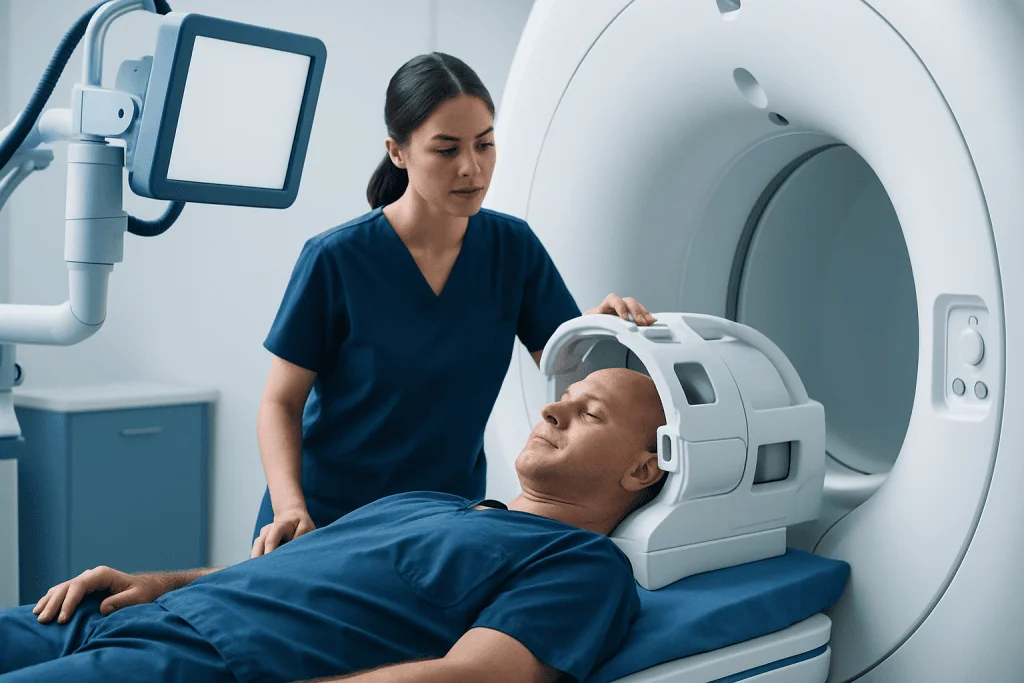
Imaging helps determine the size and location of the tumor and whether lymph nodes or other areas are involved. Tests may include ultrasound, CT, MRI, PET-CT, dental imaging, or chest imaging. Pathology testing may identify cancer type and, for some throat cancers, HPV-related markers that help guide prognosis and treatment planning.
Staging describes how advanced the cancer is and is based on the tumor size and extent, lymph node involvement, and whether cancer has spread to distant organs. Staging is important, but treatment decisions also consider the exact site, expected functional impact, the person’s general health, preferences, and the expertise of the care team.
Treatment Options
Treatment for head and neck cancer is planned individually. Some early-stage cancers may be treated with a single approach, such as surgery or radiation therapy. More advanced cancers may require combined treatment, such as surgery followed by radiation, radiation with chemotherapy, or systemic therapies for disease that has spread or returned.
Surgery may involve removing the tumor and, when necessary, lymph nodes in the neck. Techniques vary widely, from minimally invasive endoscopic or transoral approaches to complex reconstructive surgery. When surgery affects speech, swallowing, or appearance, reconstructive surgeons and rehabilitation specialists help restore function and support recovery.
Radiation therapy uses carefully targeted energy to destroy cancer cells while limiting exposure to healthy tissues as much as possible. Chemotherapy may be used with radiation to improve cancer control in selected cases, or as part of treatment for recurrent or metastatic disease. Targeted therapy and immunotherapy may be appropriate for certain cancers based on tumor features, prior treatment, and overall health.
Supportive care is an essential part of treatment, not an afterthought. Nutrition support, dental care before radiation, swallowing therapy, speech therapy, pain control, smoking cessation support, management of dry mouth, and psychosocial care can help patients tolerate treatment and maintain quality of life.
Why Multidisciplinary Care Matters
Head and neck cancer treatment often involves several specialties working together. A multidisciplinary team may include ENT and head and neck surgeons, medical oncologists, radiation oncologists, radiologists, pathologists, reconstructive surgeons, dentists or oral medicine specialists, speech and swallowing therapists, dietitians, nurses, physiotherapists, psychologists, and palliative care specialists.
This team approach helps balance cancer control with function. For example, a treatment plan may need to consider whether a person can swallow safely, maintain nutrition, keep their natural voice, protect the airway, preserve dental health, or return to work and daily activities. Planning before treatment begins can reduce complications and help patients understand what to expect.
Multidisciplinary tumor boards are commonly used to review diagnostic findings and discuss treatment options. Patients should feel comfortable asking why a specific plan is recommended, what alternatives exist, how treatment may affect speech or swallowing, and what rehabilitation services are available.
For international patients, coordinated care can also help organize medical records, imaging, pathology review, treatment appointments, and follow-up planning. Acibadem International provides diagnosis and treatment for head and neck cancer through multidisciplinary specialists in JCI-accredited hospitals, with care planning adapted to each patient’s medical needs.
Prevention, Self-Care, and When to See a Doctor
Not all head and neck cancers can be prevented, but risk can be reduced. Avoiding tobacco in all forms is one of the most important steps. Limiting alcohol, maintaining good oral hygiene, attending regular dental check-ups, using sun protection for the lips and face, and following workplace safety measures for dust or chemical exposure may also help.
HPV vaccination can reduce the risk of several HPV-related cancers and is most effective when given before exposure to the virus. Adults who are unsure whether vaccination is appropriate for them can discuss it with a doctor. Safer sexual practices may also reduce HPV transmission, although HPV is common and can be present without symptoms.
During and after treatment, self-care may include nutrition planning, swallowing exercises, gentle physical activity as advised, skin and mouth care during radiation, and reporting side effects early. Follow-up appointments are important because they allow the team to monitor recovery, manage late effects, and check for recurrence or new cancers.
A doctor should be consulted if hoarseness, a mouth sore, throat pain, swallowing difficulty, or a neck lump lasts longer than two to three weeks, or sooner if symptoms are worsening. Urgent medical care is needed for breathing difficulty, significant bleeding, inability to swallow liquids, or rapidly increasing neck swelling.
Frequently asked questions
Is every neck lump a sign of head and neck cancer?
No. Neck lumps are often caused by infections, benign cysts, thyroid conditions, or salivary gland problems. However, a painless lump that persists for more than two to three weeks, grows, or appears with hoarseness, swallowing trouble, or mouth sores should be evaluated by a doctor.
How long should hoarseness last before it is checked?
Hoarseness from a cold, allergy, or voice strain often improves within days to a couple of weeks. If hoarseness lasts longer than two to three weeks, especially in someone who smokes or has other risk factors, an ENT examination is recommended. A flexible camera test can often assess the vocal cords quickly.
Can HPV cause head and neck cancer?
Yes. Certain high-risk types of human papillomavirus are linked to cancers of the oropharynx, especially the tonsils and base of the tongue. HPV-related cancers may occur in people with no history of tobacco use, and treatment planning may include testing the tumor for HPV-related markers.
Does treatment always require surgery?
Not always. Some head and neck cancers are best treated with radiation therapy, chemoradiation, or other non-surgical approaches, depending on the tumor site and stage. In other cases, surgery offers the best chance of control or is combined with other treatments.
Will head and neck cancer treatment affect speech or swallowing?
It can, because the affected area is closely involved in voice, swallowing, breathing, and mouth movement. The degree of impact depends on the cancer location and treatment type. Speech and swallowing therapists, dietitians, and rehabilitation specialists are important members of the care team.
What should patients ask at the first oncology appointment?
Helpful questions include: What type and stage of cancer is this? Has the tumor been tested for HPV or other relevant markers? What treatment options are available, what side effects are expected, and how will speech, swallowing, nutrition, and dental health be supported?
References
- World Health Organization
- National Cancer Institute
- American Cancer Society
- European Society for Medical Oncology
- National Comprehensive Cancer Network
This article is for general information only and is not a substitute for professional medical advice. Please consult a qualified doctor about your individual situation.
Neck Cancer in Turkey — costs, top hospitals & a free quote
JCI-accredited · board-certified surgeons · reply within 24h
Add us as a Preferred Source to see more of our trusted health content across Google Search, AI Overviews and Discover.