Headache Relief at Home: Natural Remedies and What Actually Helps

Many mild headaches improve with hydration, sleep, food, stress reduction, and a calm environment. Natural remedies can help, but they work best when matched to the likely headache trigger.
Key Takeaways
- Many mild headaches improve with hydration, sleep, food, stress reduction, and a calm environment.
- Natural remedies can help, but they work best when matched to the likely headache trigger.
- Frequent use of pain medicines can sometimes make headaches happen more often.
- A sudden severe headache or headache with neurological symptoms needs urgent medical attention.
- Repeated or worsening headaches should be assessed by a qualified doctor.
Headache relief at home can be effective for many mild, occasional headaches when the cause is simple, such as dehydration, stress, poor sleep, or muscle tension. The most helpful approaches are usually basic ones: rest, fluids, trigger management, and sensible use of pain relief when needed.
Overview: What helps a headache at home?
Headache relief at home is possible for many people, especially when the headache is mild, occasional, and linked to common triggers such as tension, dehydration, missed meals, poor sleep, eye strain, or stress. In these situations, simple measures often work better than expected. A quiet room, water, a light snack, and rest may be enough to reduce symptoms while the body recovers.
Not every headache is the same. Tension-type headaches often feel like pressure or tightness around the head or neck. Migraine may cause throbbing pain, nausea, and sensitivity to light or sound. Sinus-related facial pressure can happen with congestion, while headaches can also appear during illness, after alcohol use, or from medication overuse. Knowing the pattern matters because the most effective home approach depends on the likely cause.
Natural remedies can be useful, but “natural” does not always mean better or safer for every person. A practical plan usually starts with low-risk basics: hydration, regular meals, enough sleep, relaxation, and avoiding known triggers. If symptoms are severe, unusual, or persistent, home care should not replace medical evaluation.
Common headache symptoms and patterns
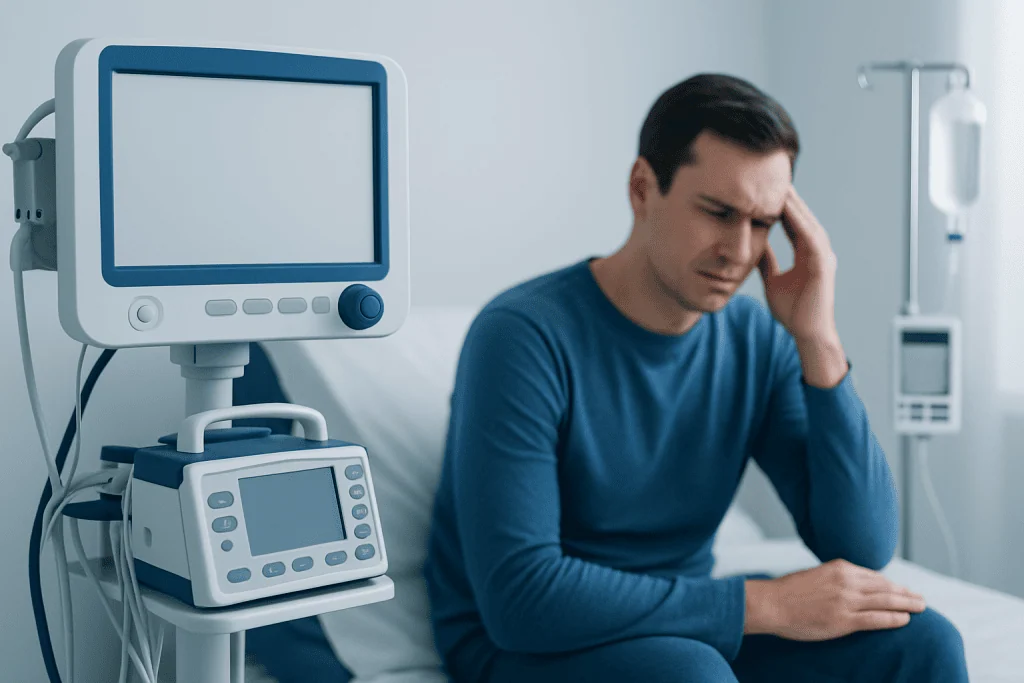
Headaches vary in location, intensity, and timing. Some people feel a dull, band-like tightness across the forehead or scalp. Others have pain on one side of the head, behind the eyes, or in the neck and shoulders. The pain may be steady, pulsing, sharp, or pressure-like. Associated symptoms may include nausea, light sensitivity, sound sensitivity, dizziness, neck stiffness, or difficulty concentrating.
Recognizing patterns can help guide self-care. Tension headaches often build during the day and may follow stress, poor posture, long screen time, or jaw clenching. Migraine may come with nausea, sensitivity to light, or visual changes and can worsen with physical activity. A headache after skipping meals, heavy exercise, alcohol, or not drinking enough water may improve once the trigger is corrected.
Keeping a simple headache diary can be very helpful. Useful notes include when the headache started, how long it lasted, what the pain felt like, what was eaten and drunk that day, sleep quality, stress level, menstrual timing if relevant, and what provided relief. This can reveal triggers and also help a doctor decide whether the pattern fits a common primary headache disorder such as migraine.
Natural remedies and home strategies that actually help

For many headaches, the most effective home treatment is to reduce the body’s stress load. Resting in a dark, quiet room can help, especially for migraine or headaches linked to sensory overload. Gentle relaxation techniques such as slow breathing, mindfulness, stretching, or a short break from screens may ease muscle tension and calm the nervous system.
Hydration is one of the simplest and most reliable strategies. Even mild dehydration can trigger or worsen headache symptoms. Drinking water steadily over time is usually better than drinking a large amount all at once. If the headache is related to heat, exercise, vomiting, or diarrhea, replacing fluids and electrolytes may also help. A regular meal or light snack can be useful if low blood sugar from missing meals is part of the problem.
Cold or warm compresses may offer relief depending on the type of headache. A cool compress on the forehead or around the eyes may help migraine or headaches linked to heat. A warm compress on the neck and shoulders can relax tight muscles in tension headaches. Gentle self-massage of the temples, scalp, jaw, neck, and shoulder area may also reduce discomfort if done lightly and without forcing painful areas.
Helpful options often include:
- Drinking water and avoiding dehydration
- Resting in a dark, quiet room
- Eating a balanced snack or meal if food was missed
- Using a cold or warm compress
- Practicing relaxation, breathing exercises, or gentle stretching
- Limiting screen time and reducing bright light exposure
- Getting adequate sleep and keeping a regular sleep schedule
Triggers to look for: causes and risk factors at home
Many headaches are brought on by everyday habits and exposures. Common triggers include not drinking enough fluids, skipping meals, poor sleep, excess stress, long hours at a computer, strong smells, alcohol, and too much or too little caffeine. Hormonal changes can also influence headache patterns. Some people notice headaches after certain foods, though triggers vary and are not the same for everyone.
Muscle tension is another frequent cause. Poor posture, jaw clenching, grinding teeth during sleep, carrying heavy bags, and sitting in one position for long periods can all strain the neck and scalp muscles. Eye strain may also play a role, especially with long screen time, glare, or an outdated glasses prescription.
One often overlooked cause is medication overuse headache. This can happen when pain relievers are used too often, leading to a cycle in which headaches become more frequent and harder to control. Caffeine can behave similarly: small amounts may help some people, but regular heavy use or sudden caffeine withdrawal can trigger headaches. Identifying triggers and reducing them gradually is usually more effective than trying many remedies at once.
What about pain relief medicines, caffeine, and supplements?
Over-the-counter pain relievers can help occasional headaches, but they should be used carefully and according to package directions or a doctor’s advice. They are most useful when headaches are infrequent. Using them too often may increase the risk of rebound or medication overuse headaches. Anyone with stomach ulcers, kidney disease, liver disease, blood thinner use, pregnancy, or other medical conditions should check with a doctor or pharmacist before taking them.
Caffeine can be helpful for some headaches because it may enhance pain relief and constrict certain blood vessels. However, it is not a universal solution. For some people, caffeine makes symptoms worse, disrupts sleep, or leads to withdrawal headaches if intake is inconsistent. The most sensible approach is to keep caffeine moderate and regular rather than using large amounts as rescue treatment.
Some people ask about magnesium, riboflavin, herbal teas, peppermint oil, or ginger. These may be useful in selected cases, especially for migraine support, but they are not appropriate for everyone and evidence is mixed depending on the remedy. Herbal products and essential oils can cause side effects or interact with medicines. If headaches are frequent, severe, or new, it is safer to discuss supplements with a qualified clinician before relying on them.
If headaches are recurring or disabling, a doctor may evaluate whether further care is needed, including neurology assessment or targeted planning for migraine treatment. The goal is not only pain relief but also understanding the headache type and preventing future episodes.
Prevention and self-care for fewer headaches
Preventing headaches is often more successful than treating them after they start. A consistent routine supports the nervous system and reduces common triggers. This means drinking enough fluids, eating regular meals, sleeping on a predictable schedule, and taking breaks from screens or prolonged desk work. Good posture and regular movement can reduce neck and shoulder tension that contributes to headache.
Stress management is also important. Daily stress does not always cause pain immediately, but it can lower the threshold for headaches over time. Relaxation techniques, stretching, walking, and realistic work-rest balance may all help. People who grind their teeth, wake with jaw pain, or feel tightness in the face and neck may benefit from discussing jaw tension or sleep habits with a healthcare professional.
A simple prevention checklist can help:
- Drink water regularly throughout the day
- Do not skip meals
- Keep a consistent sleep schedule
- Limit long stretches of screen time
- Adjust lighting and workstation ergonomics
- Monitor caffeine and alcohol intake
- Track patterns in a headache diary
If headaches continue despite these measures, it may be worth looking for a more specific cause. In some cases, headaches can relate to sinus disease, eye strain, sleep disorders, blood pressure issues, or other medical conditions that need focused assessment rather than repeated self-treatment.
When to see a doctor for a headache
Most occasional headaches are not dangerous, but some symptoms should never be ignored. Urgent medical care is needed for a sudden, extremely severe headache; headache after a head injury; headache with confusion, fainting, seizure, weakness, numbness, trouble speaking, double vision, or trouble walking; or headache with fever and a stiff neck. These features can point to a more serious problem and need prompt evaluation.
Medical advice is also important if headaches are becoming more frequent, changing in pattern, waking a person from sleep, or interfering with daily life. A doctor should assess headaches that start for the first time later in life, headaches during pregnancy, or headaches in someone with cancer, immune suppression, or significant underlying illness. Repeated need for pain medicines is another reason to seek help.
Diagnosis is based on the history, symptom pattern, physical examination, and neurological examination. In some cases, further tests may be recommended to rule out secondary causes. When needed, a clinician may arrange MRI or other diagnostic imaging to investigate unusual or persistent symptoms. Near the end of the care pathway, Acibadem International’s multidisciplinary specialists and JCI-accredited hospitals also evaluate and treat headache disorders for international patients.
Frequently asked questions
What is the fastest headache relief at home?
The fastest relief often comes from simple steps matched to the trigger: drinking water, resting in a dark quiet room, and eating if a meal was missed. A cold compress may help migraine, while a warm compress and gentle stretching may help tension headaches.
Do natural remedies really work for headaches?
Natural remedies can help many mild headaches, especially when dehydration, stress, poor sleep, or muscle tension are involved. They are usually most effective when combined with trigger control and should not replace medical care for severe or unusual symptoms.
Is coffee good or bad for a headache?
Coffee can help some people because caffeine may improve pain relief, but it can also trigger headaches in others. Too much caffeine or suddenly stopping it may make headaches more likely, so consistency and moderation are important.
When should a headache be taken seriously?
A headache should be taken seriously if it is sudden and severe, follows a head injury, or comes with weakness, confusion, speech problems, fever, stiff neck, fainting, or vision changes. These symptoms need prompt medical attention.
Can drinking water really stop a headache?
If dehydration is the cause, drinking water can significantly improve a headache. It may not work immediately for every type, but rehydration is a low-risk and sensible first step for many people.
How do I know if it is a tension headache or a migraine?
Tension headaches usually feel like pressure or tightness on both sides of the head and may involve neck or shoulder tension. Migraine is more likely to cause throbbing pain, nausea, and sensitivity to light or sound, and it may worsen with activity.
References
- World Health Organization
- National Institute of Neurological Disorders and Stroke
- American Migraine Foundation
- National Health Service
- Mayo Clinic
This article is for general information only and is not a substitute for professional medical advice. Please consult a qualified doctor about your individual situation.
Explore treatments in Turkey — costs, top hospitals & a free quote
JCI-accredited · board-certified surgeons · reply within 24h
Add us as a Preferred Source to see more of our trusted health content across Google Search, AI Overviews and Discover.

More from the Health Library



Related Specialists

Prof. Dr. Gündüz Tezeren
Orthopedic Surgery & Traumatology
Prof. Dr. Murat Saruç
Gastroenterology
Dt. Hakan Karagözoğlu
Oral Dental & Maxillofacial Surgery
Assoc. Prof. Dr. Murat Baştopcu
Cardiovascular Surgery