

HELLP Syndrome in Pregnancy: Warning Signs, Emergency Treatment, and Maternal Risks

HELLP stands for hemolysis, elevated liver enzymes, and low platelets. It is often linked to preeclampsia but can also appear without classic warning signs.
Key Takeaways
- HELLP stands for hemolysis, elevated liver enzymes, and low platelets.
- It is often linked to preeclampsia but can also appear without classic warning signs.
- Common symptoms include upper abdominal pain, nausea, headache, and feeling unwell in late pregnancy.
- HELLP syndrome is a medical emergency that usually requires hospital care and close monitoring.
- Delivery is often the definitive treatment, though timing depends on maternal and fetal condition.
- Prompt follow-up after recovery is important because future pregnancy risks may be higher.
HELLP syndrome in pregnancy is a serious complication that affects the blood, liver, and overall maternal health, usually in the later stages of pregnancy or soon after delivery. Fast recognition and emergency medical treatment can help protect both mother and baby.
Overview of HELLP Syndrome in Pregnancy
HELLP syndrome in pregnancy is a severe pregnancy-related condition that affects the blood and liver and can quickly become dangerous without urgent treatment. The name HELLP stands for hemolysis, elevated liver enzymes, and low platelets. Hemolysis means red blood cells are breaking down, elevated liver enzymes suggest liver stress or injury, and low platelets can interfere with normal blood clotting.
HELLP is commonly considered a variant or complication of preeclampsia, a condition marked by high blood pressure and signs of organ strain during pregnancy. However, not every patient with HELLP has obvious high blood pressure or protein in the urine at first. This can make the condition harder to recognize, especially when early symptoms resemble common late-pregnancy discomforts.
Most cases develop during the third trimester, but HELLP can also appear earlier in pregnancy or within the first days after birth. Because it may progress rapidly, it is treated as an obstetric emergency. Early diagnosis and coordinated care can lower the risk of serious complications for both mother and baby.
Symptoms and Warning Signs
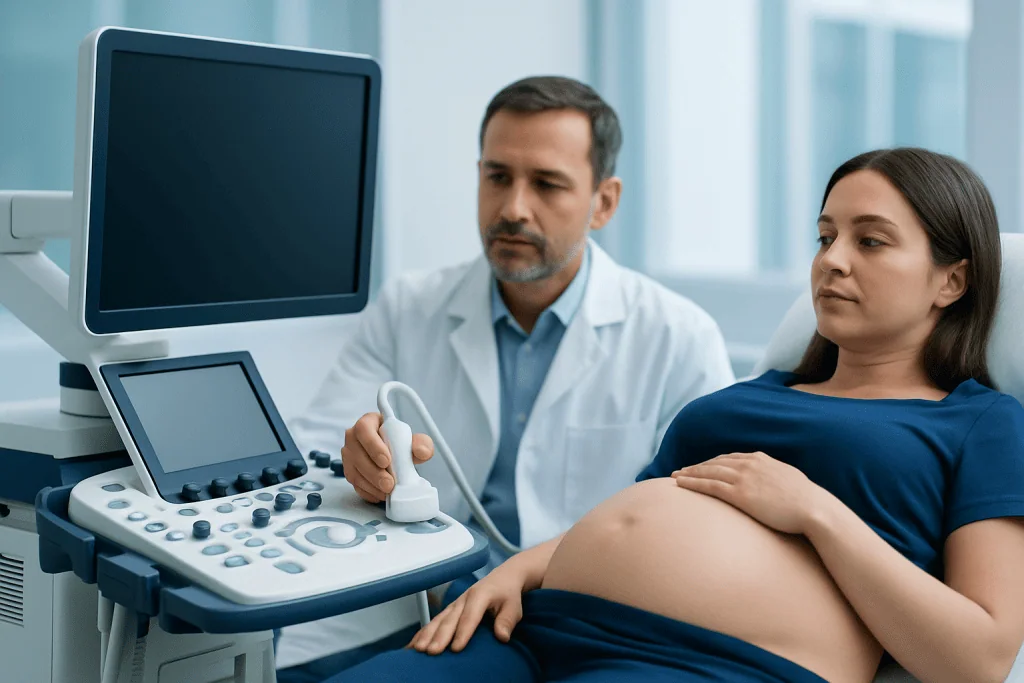
The symptoms of HELLP syndrome in pregnancy can be vague at first. Many patients describe a general sense of feeling very unwell, unusually tired, or unable to manage symptoms that seem more intense than expected. A persistent headache, nausea, vomiting, or swelling may also be present.
One of the most important warning signs is pain or tenderness in the upper right abdomen or under the ribs. This may happen because the liver is under strain. Some patients also notice visual changes such as blurring, flashing lights, or sensitivity to light. Others may feel short of breath or suddenly gain weight from fluid retention.
Common symptoms and warning signs can include:
- Severe or persistent headache
- Upper abdominal or right-sided rib pain
- Nausea or vomiting, especially in late pregnancy
- Blurred vision or other visual changes
- Swelling of the face, hands, or legs
- High blood pressure
- Feeling generally ill, weak, or unusually fatigued
Because symptoms can overlap with indigestion, flu-like illness, gallbladder problems, or normal pregnancy discomfort, it is important not to ignore them. Any pregnant person with severe headache, upper abdominal pain, or sudden worsening symptoms should seek urgent medical evaluation.
Causes, Risk Factors, and Maternal Risks
The exact cause of HELLP syndrome is not fully understood, but it is thought to involve abnormal blood vessel function, placental problems, inflammation, and changes in the body’s clotting system. These changes can damage blood cells, strain the liver, and lower platelet counts. HELLP is most often associated with preeclampsia, but it can also occur in patients who did not previously seem to have severe blood pressure problems.
Several factors may increase risk. These include a history of preeclampsia or HELLP in a previous pregnancy, chronic high blood pressure, kidney disease, diabetes, multiple pregnancy, and maternal age that is older than average for pregnancy. Still, HELLP can also occur in someone without clear risk factors, which is why symptom awareness matters.
Maternal risks can become serious if treatment is delayed. Complications may include heavy bleeding, placental abruption, liver injury, kidney problems, fluid in the lungs, seizures, stroke, or disseminated intravascular coagulation, a severe clotting disorder. In rare cases, liver bleeding or rupture can occur and requires emergency specialist care.
HELLP can also affect the baby indirectly because the placenta may not function normally. This can lead to poor fetal growth, reduced oxygen supply, premature birth, or the need for urgent delivery. For this reason, doctors monitor both maternal condition and fetal well-being closely once HELLP is suspected.
How HELLP Syndrome Is Diagnosed
Diagnosis usually begins with a review of symptoms, blood pressure, physical examination, and pregnancy history. Since HELLP can mimic other conditions, doctors rely heavily on blood tests and urine tests to confirm what is happening. They look for signs of red blood cell breakdown, liver inflammation, and low platelet levels.
Typical laboratory evaluation includes a complete blood count, platelet count, liver function tests, kidney function tests, and tests that assess hemolysis. Urine protein may also be checked because many patients have overlapping features of preeclampsia. Depending on the situation, imaging such as ultrasound may be used to assess the baby, placenta, or possible liver-related complications.
Fetal monitoring is an important part of assessment. Doctors may perform nonstress testing, ultrasound evaluation of growth, or Doppler studies if there are concerns about placental blood flow. In more complex or unstable cases, ongoing hospital monitoring helps guide the safest next steps.
Other conditions can sometimes resemble HELLP, including acute fatty liver of pregnancy, viral hepatitis, gallbladder disease, immune thrombocytopenia, and severe infection. Careful diagnosis helps ensure that the patient receives the most appropriate emergency treatment and delivery planning.
Emergency Treatment and Delivery Planning
HELLP syndrome in pregnancy is treated in the hospital because both mother and baby may need rapid assessment and close monitoring. The care team may include obstetricians, maternal-fetal medicine specialists, anesthesiologists, neonatologists, and critical care physicians. The main goals are to stabilize the mother, prevent complications, and determine the safest timing of delivery.
Treatment often includes blood pressure control, intravenous fluids when appropriate, seizure prevention medication if preeclampsia features are present, and frequent blood tests to track platelets, liver enzymes, and kidney function. Some patients may need blood products such as platelets or red blood cells if bleeding risk is high or blood counts are very low. Corticosteroids may be used in selected situations, especially if early delivery is likely and fetal lung maturity is a concern.
Delivery is the only definitive treatment for HELLP syndrome. If the condition is severe, the pregnancy is far enough along, or either mother or baby is unstable, urgent delivery may be recommended. The mode of delivery depends on obstetric factors, gestational age, fetal condition, and how quickly birth is needed; some patients may require cesarean section.
After delivery, recovery may not be immediate. Symptoms and laboratory abnormalities can temporarily worsen in the first 24 to 48 hours postpartum before improvement begins. Continued hospital observation is important, and some patients need intensive care support until blood pressure, liver tests, and platelet levels begin to normalize.
Recovery, Follow-Up, and Future Pregnancy Considerations
Most patients improve with prompt treatment, but recovery takes time. During the days after delivery, the medical team continues to watch for persistent high blood pressure, abnormal bleeding, kidney strain, liver complications, or breathing problems. Follow-up blood tests help confirm that platelet counts are rising and liver function is returning toward normal.
After discharge, follow-up appointments are important to review blood pressure, discuss any ongoing symptoms, and check overall recovery. Some patients may need continued treatment for hypertension for a period after birth. Emotional recovery also matters, especially if the pregnancy involved emergency delivery, neonatal intensive care, or a frightening hospital experience.
Having had HELLP syndrome can increase the chance of preeclampsia, high blood pressure, or HELLP in a future pregnancy. This does not mean recurrence is certain, but it does mean future pregnancies deserve early prenatal care and closer monitoring. Preconception counseling can help a patient understand personal risk factors and plan pregnancy care in advance.
In complex cases, assessment by specialists may also be useful to review liver health, blood pressure, and clotting issues after recovery. At centers such as Acibadem International, multidisciplinary specialists in JCI-accredited hospitals evaluate and treat high-risk pregnancy complications for international patients, with access to services such as pregnancy follow-up when ongoing monitoring is needed.
Prevention, Self-Care, and When to See a Doctor
There is no guaranteed way to prevent HELLP syndrome in pregnancy, but regular prenatal care can improve the chances of spotting warning signs early. Blood pressure checks, urine testing, and attention to new symptoms are especially important in the second half of pregnancy. Patients with previous preeclampsia, HELLP, kidney disease, or chronic hypertension should let their care team know early.
Self-care in pregnancy should focus on keeping scheduled appointments, monitoring for unusual symptoms, and following medical advice for any existing conditions. Rest, good hydration, and balanced nutrition support general health, but they do not replace medical evaluation if warning signs appear. New or severe symptoms should never be dismissed as routine pregnancy discomfort.
A doctor or maternity unit should be contacted urgently for severe headache, upper abdominal pain, vision changes, shortness of breath, heavy swelling, reduced fetal movement, or a sudden feeling that something is wrong. Emergency care is especially important if symptoms are intense or worsening. Fast action can make a meaningful difference in outcomes.
Anyone who has recovered from HELLP should also seek medical advice before a future pregnancy. Early planning allows the care team to review prior records, assess blood pressure and overall health, and create a personalized monitoring plan from the start.
Frequently asked questions
What does HELLP stand for?
HELLP stands for hemolysis, elevated liver enzymes, and low platelets. These are the main medical features doctors look for when diagnosing this serious pregnancy complication.
Is HELLP syndrome the same as preeclampsia?
Not exactly, but the two conditions are closely related. HELLP is often considered a severe form or complication of preeclampsia, although it can sometimes appear without the classic signs of preeclampsia at first.
Can HELLP syndrome happen after delivery?
Yes. Although HELLP often develops before birth, it can also begin in the first few days after delivery. Postpartum symptoms still need urgent medical attention because complications can progress quickly.
What is the main treatment for HELLP syndrome in pregnancy?
Hospital treatment and close monitoring are essential, and delivery is the only definitive treatment. Doctors also manage blood pressure, seizure risk, bleeding risk, and the health of the baby while planning the safest timing of birth.
Can a baby be affected by HELLP syndrome?
Yes. HELLP can reduce placental function, which may affect the baby's growth or oxygen supply and sometimes lead to premature birth. Care teams monitor fetal well-being closely and may recommend early delivery if needed.
Can HELLP syndrome happen again in another pregnancy?
It can recur, but recurrence is not guaranteed. A person with a history of HELLP should have early prenatal care and discuss future pregnancy planning with a qualified obstetric specialist.
References
- American College of Obstetricians and Gynecologists
- National Institute for Health and Care Excellence
- Society for Maternal-Fetal Medicine
- World Health Organization
- MedlinePlus
This article is for general information only and is not a substitute for professional medical advice. Please consult a qualified doctor about your individual situation.
Explore treatments in Turkey — costs, top hospitals & a free quote
JCI-accredited · board-certified surgeons · reply within 24h
Add us as a Preferred Source to see more of our trusted health content across Google Search, AI Overviews and Discover.
Check your numbers in seconds
BMI, calories, due date, blood pressure and 30+ more clinical calculators — free, instant, doctor-reviewed ranges.

More from the Health Library


Related Specialists

Dr. Zeynep Sağırkaya
Occupational Medicine
Faika Nur Erkol
Treatment of Lymphedema
Dr. Sena Arıcı
Internal Medicine
Asst. Prof. Dr. Sibel Yıldırım Moral
Otorhinolaryngology