Herniated Disc: Leg Pain, MRI Findings, and Spine Treatment Options
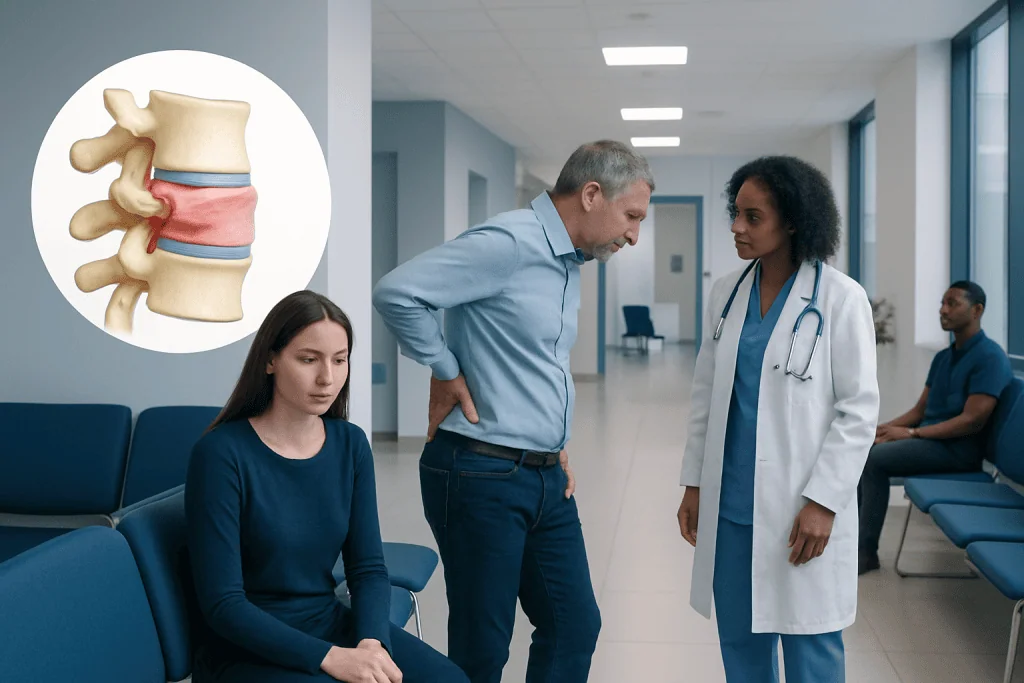
A herniated disc occurs when inner disc material pushes through the outer disc layer and may press on or inflame a nerve root. Leg pain that follows a nerve pathway, often called sciatica or radiculopathy, can be more noticeable than back pain.
Key Takeaways
- A herniated disc occurs when inner disc material pushes through the outer disc layer and may press on or inflame a nerve root.
- Leg pain that follows a nerve pathway, often called sciatica or radiculopathy, can be more noticeable than back pain.
- MRI is useful, but findings must be matched with symptoms and physical examination because disc changes can appear in people without pain.
- Many people improve with time, guided activity, medication, physiotherapy and other non-surgical treatments.
- Surgery may be considered when pain remains disabling despite appropriate care or when there is significant or worsening nerve weakness.
A herniated disc can irritate nearby spinal nerves and cause pain, numbness or weakness that travels into the leg. Understanding symptoms, MRI findings and treatment options helps patients make informed decisions with a spine specialist.
Overview: What Is a Herniated Disc?
A herniated disc is a common spine condition in which part of an intervertebral disc moves beyond its normal boundary. Discs sit between the bones of the spine and act as flexible cushions. Each disc has a softer center and a tougher outer layer. When the outer layer weakens or tears, inner disc material can bulge or leak outward.
In the lower back, a herniated disc may affect nerve roots that travel from the spine into the buttock, thigh, calf or foot. This can cause leg pain, tingling, numbness or weakness. The condition is often called lumbar disc herniation when it occurs in the low back, and the nerve-related leg pain is commonly described as sciatica or lumbar radiculopathy.
Although symptoms can be painful and limiting, many herniated discs improve without surgery. The best treatment plan depends on the person’s symptoms, neurological examination, MRI findings, daily needs and overall health. A careful evaluation helps distinguish disc-related pain from hip, joint, vascular or other nerve conditions.
Symptoms: Why a Herniated Disc Can Cause Leg Pain
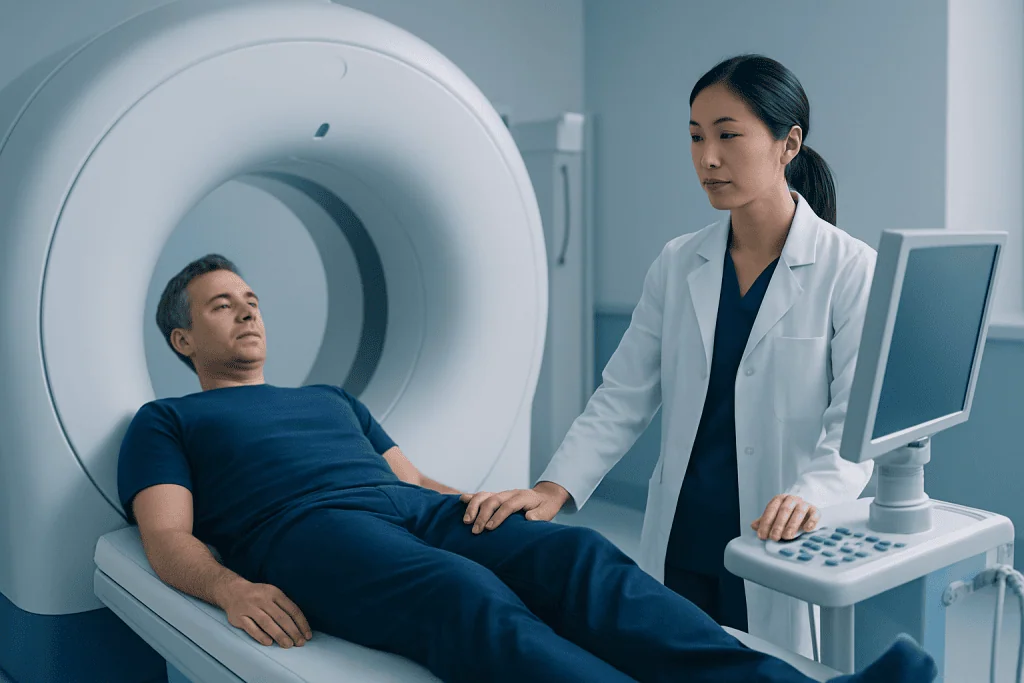
Leg pain from a herniated disc usually occurs because a spinal nerve root is irritated by pressure and inflammation. The pain may start in the lower back or buttock and travel down the leg. Some people describe it as sharp, burning, electric or shooting. Others notice pins and needles, numb areas or a heavy feeling in the leg.
The exact location of symptoms often depends on which nerve root is affected. Pain may travel to the outer thigh, front of the shin, calf, top of the foot or sole. Coughing, sneezing, bending forward, sitting for a long time or lifting may increase symptoms because these movements can change pressure around the disc and nerve.
Back pain may be present, but it is not always the main symptom. In some cases, leg pain is much stronger than low back pain. Weakness can also occur, such as difficulty lifting the foot, standing on the toes or climbing stairs. Any new or progressive weakness should be assessed promptly by a qualified doctor.
Causes and Risk Factors
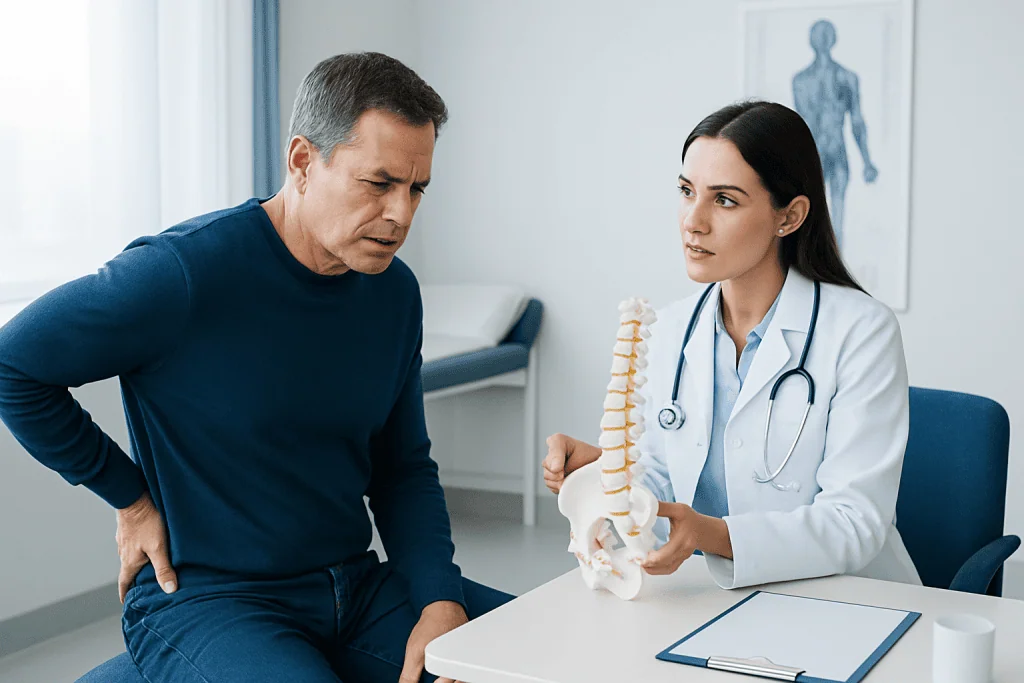
Disc herniation often develops through a combination of natural disc aging and mechanical stress. Over time, discs can lose water content and flexibility, making them more vulnerable to cracks in the outer layer. A sudden twist, heavy lift or awkward movement may trigger symptoms, but in many people there is no single clear injury.
Risk factors may include repetitive bending or lifting, prolonged sitting with poor posture, smoking, reduced physical conditioning, excess body weight and occupations that place repeated strain on the lower back. Genetics can also influence disc structure and the likelihood of disc degeneration. Herniated discs are most common in adults, but symptoms and severity vary widely.
It is important to understand that disc changes are not always abnormal in a dangerous way. Many people develop age-related disc bulges or degeneration without symptoms. Pain occurs when the disc change irritates a nerve or causes inflammation that matches the person’s clinical picture.
Diagnosis: Examination and MRI Findings
Diagnosis begins with a detailed medical history and physical examination. The doctor asks about the pattern of pain, numbness, weakness, symptom triggers, previous spine problems and general health. The examination may include checking posture, range of motion, reflexes, sensation, muscle strength and specific nerve tension tests such as raising the straight leg.
MRI is the most commonly used imaging test when a herniated disc is suspected and symptoms are significant, persistent or associated with neurological findings. MRI can show the discs, nerve roots, spinal canal and soft tissues in detail. It may describe a disc bulge, protrusion, extrusion or sequestration, as well as whether a nerve root appears compressed.
However, MRI results must be interpreted together with symptoms and examination findings. A scan may show disc changes that are not causing pain, especially in adults. Similarly, the size of a herniation does not always predict pain severity. The most useful MRI finding is one that clearly matches the side, level and pathway of the patient’s symptoms.
Other tests may be considered in selected situations. X-rays can evaluate alignment or arthritis but do not show the disc itself well. CT scans may help when MRI is not possible. Electromyography and nerve conduction studies can sometimes help clarify whether symptoms come from a spinal nerve root or another nerve disorder.
Treatment Options: From Conservative Care to Surgery
Most people with a herniated disc begin with conservative treatment unless there are urgent neurological concerns. Initial care may include education, avoiding movements that clearly worsen symptoms, and staying as active as safely possible. Short periods of rest may help during a flare, but prolonged bed rest is usually not recommended because it can reduce strength and slow recovery.
Medication may be used to reduce pain and inflammation, depending on the patient’s medical history. Doctors may recommend anti-inflammatory medicines, pain relievers or medicines for nerve-related pain when appropriate. These should be taken only under medical guidance, particularly in people with stomach, kidney, heart, liver or blood pressure conditions, or those taking other medications.
Physiotherapy is often an important part of treatment. A personalized program may include gentle mobility exercises, nerve gliding, core and hip strengthening, posture training and gradual return to activity. The goal is not only to reduce current pain but also to improve movement habits and support the spine during daily tasks.
If pain remains severe despite appropriate non-surgical care, an epidural steroid injection may be considered. This treatment aims to reduce inflammation around the affected nerve root and may provide temporary relief that allows better participation in rehabilitation. Surgery, such as microdiscectomy or endoscopic discectomy, may be discussed when leg pain remains disabling, symptoms match imaging findings, or there is significant nerve weakness. The aim of surgery is to remove the part of the disc compressing the nerve while preserving as much normal tissue as possible.
Recovery, Rehabilitation and Daily Self-Care
Recovery from a herniated disc is often gradual. Symptoms may improve over weeks to months as inflammation settles and the disc material changes. Progress is not always linear; some days may be better than others. A treatment plan that balances activity, symptom control and rehabilitation can help patients regain confidence and function.
Daily habits can make a meaningful difference. Patients are usually encouraged to avoid heavy lifting during acute pain, use safe lifting techniques, change position regularly and keep walking within tolerable limits. Heat or cold may help some people manage discomfort. Sleep position, supportive seating and avoiding long uninterrupted sitting can also reduce symptom aggravation.
Exercise should be introduced carefully and individualized. Some people respond well to extension-based movements, while others need a different approach. Stretching too aggressively or pushing through strong nerve pain can worsen symptoms. A physiotherapist or spine clinician can guide safe progression from gentle movement to strengthening and, eventually, sport or work-specific activities.
Prevention and Long-Term Spine Health
Not every herniated disc can be prevented, but long-term spine health can be supported. Regular physical activity helps maintain strength, flexibility, circulation and body weight. Exercises that strengthen the trunk, hips and legs may reduce unnecessary stress on the lumbar spine during lifting, walking, sitting and bending.
Good ergonomics are also useful. People who sit for long periods may benefit from taking brief movement breaks, keeping the screen at eye level, supporting the lower back and placing the feet comfortably on the floor. Those who lift at work or home should keep loads close to the body, avoid twisting while lifting and ask for help with heavy objects.
Smoking cessation is important because smoking can affect blood supply to spinal tissues and is associated with disc degeneration. Managing weight, sleeping well and treating chronic health conditions also support recovery and resilience. Prevention is best viewed as a combination of conditioning, movement awareness and healthy daily routines rather than a single posture or exercise.
When to See a Doctor
Medical evaluation is recommended when leg pain is severe, persists beyond a short period, travels below the knee, or is associated with numbness, tingling or weakness. A doctor can determine whether symptoms are likely related to a herniated disc and whether imaging or referral to a spine specialist is needed. Early assessment is especially helpful when pain limits walking, work, sleep or normal daily activities.
Urgent medical attention is needed if there is loss of bladder or bowel control, numbness in the saddle area, rapidly worsening leg weakness, fever with back pain, unexplained weight loss, recent major trauma, or a history of cancer or serious infection. These situations are uncommon but require prompt assessment to rule out conditions that need immediate care.
Patients considering treatment abroad may also need coordinated imaging review, diagnosis and rehabilitation planning. Acibadem International’s multidisciplinary specialists and JCI-accredited hospitals diagnose and treat spine conditions, including herniated disc, for international patients. Any treatment decision should be made after a personal consultation with a qualified spine specialist who can explain benefits, risks and alternatives.
Frequently asked questions
Can a herniated disc heal without surgery?
Yes. Many people improve with time and conservative care such as guided activity, medication when appropriate and physiotherapy. The disc material may shrink or become less inflammatory, reducing pressure on the nerve. Surgery is usually considered only when symptoms remain disabling or neurological problems are significant.
Does an MRI always show the cause of leg pain?
MRI is very helpful, but it does not always provide the whole answer by itself. Some people have disc bulges or degeneration on MRI without any pain. Doctors compare MRI findings with the side, location and pattern of symptoms and the physical examination before deciding whether a disc is truly responsible.
Why is leg pain sometimes worse than back pain?
A herniated disc can irritate a nerve root that travels from the lower spine into the leg. Nerve pain may feel sharp, burning or electric and can follow a specific pathway into the thigh, calf or foot. This is why leg pain, often called sciatica or radiculopathy, may be more noticeable than the back pain itself.
When is surgery needed for a herniated disc?
Surgery may be considered when leg pain remains severe despite appropriate non-surgical treatment, when symptoms and MRI findings clearly match, or when there is significant or worsening nerve weakness. Emergency surgery may be needed for rare problems such as loss of bladder or bowel control. The decision should be individualized after discussion with a spine specialist.
Are epidural steroid injections a cure for herniated disc?
Epidural steroid injections do not remove the herniated disc. They aim to reduce inflammation around the irritated nerve root and may provide pain relief, sometimes enough to help a patient participate more comfortably in rehabilitation. The duration and degree of relief vary from person to person.
What activities should be avoided with a herniated disc?
During an acute flare, it is wise to avoid heavy lifting, twisting under load, prolonged sitting if it worsens symptoms and movements that clearly trigger leg pain. Complete bed rest for long periods is usually not helpful. A clinician or physiotherapist can guide safe activity based on the individual’s symptoms and examination.
References
- American Academy of Orthopaedic Surgeons
- North American Spine Society
- National Institute of Neurological Disorders and Stroke
- Mayo Clinic
- National Institute for Health and Care Excellence
This article is for general information only and is not a substitute for professional medical advice. Please consult a qualified doctor about your individual situation.
Joint and spine care in Turkey — expert assessment & treatment
JCI-accredited · board-certified surgeons · reply within 24h
Add us as a Preferred Source to see more of our trusted health content across Google Search, AI Overviews and Discover.

Orthopedics & Spine
Care for bones, joints and the musculoskeletal system, including joint replacement, sports injuries and trauma.
125 specialists in this unit