High Arch Feet: What Patients Need to Know

High arch feet can be a normal foot shape, but they may also be linked to muscle or nerve conditions. Common symptoms include foot pain, calluses, toe changes, ankle instability, and difficulty finding comfortable shoes.
Key Takeaways
- High arch feet can be a normal foot shape, but they may also be linked to muscle or nerve conditions.
- Common symptoms include foot pain, calluses, toe changes, ankle instability, and difficulty finding comfortable shoes.
- Diagnosis focuses on foot shape, walking pattern, flexibility, and possible underlying neurological causes.
- Treatment often begins with supportive shoes, orthotics, stretching, and physical therapy.
- Medical review is important if symptoms worsen, walking becomes difficult, or only one foot changes shape.
High arch feet, also called pes cavus, means the arch of the foot is higher than usual. Some people have no problems, but others develop pain, balance issues, calluses, or ankle instability that may need evaluation and treatment.
Overview: what high arch feet means
High arch feet, also known as pes cavus, describes a foot shape in which the arch is raised more than usual. This can shift body weight onto the heel and the ball of the foot rather than distributing pressure evenly across the sole. Some people are born with this foot shape and never develop symptoms, while others notice pain, fatigue, poor balance, or repeated ankle sprains.
In practical terms, high arch feet can affect how a person stands, walks, runs, and fits into shoes. The foot may be relatively stiff, and the toes can begin to curl or claw over time. Because the pressure pattern is different, areas of thickened skin, tenderness, and shoe wear may develop more quickly.
High arch feet is not a disease on its own, but it can be a sign of an underlying issue in some patients. For example, certain muscle or nerve disorders can gradually change the shape of the foot. That is why assessment is especially important when the arch becomes more pronounced over time, when only one foot is affected, or when weakness and numbness are also present.
Symptoms and how high arches affect daily life
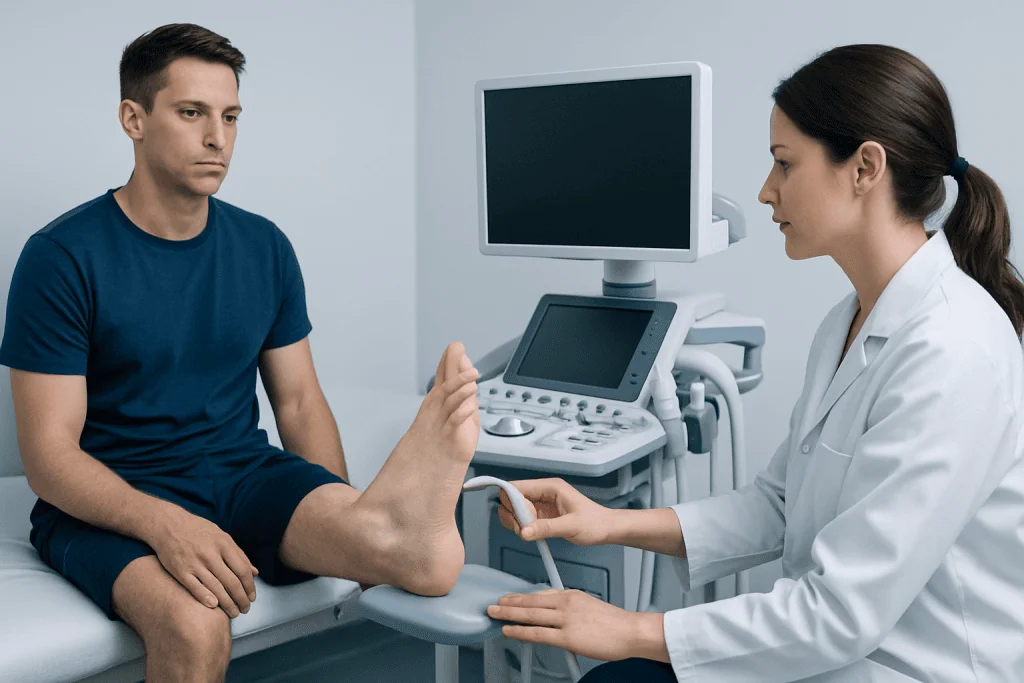
Symptoms vary widely. Some people only notice that their feet have a distinct shape, while others have ongoing discomfort. Pain may be felt under the ball of the foot, in the heel, along the outer edge of the foot, or around the ankles. The pain can become more noticeable after long periods of standing, walking, sports, or wearing unsupportive footwear.
High arch feet can also affect stability. Because the foot may roll outward more easily, a person may feel unsteady on uneven ground or experience repeated ankle sprains. Shoes may feel tight in some areas and loose in others, making it hard to find a good fit. Blisters and calluses can form where pressure is concentrated.
Visible changes can include clawed or curled toes, hammertoes, and a foot that appears shorter or more hollow through the middle. Some people also notice leg fatigue, altered gait, or difficulty with impact activities such as running. When high arches are related to a nerve problem, symptoms may include weakness in the feet or lower legs, changes in sensation, or progressive changes in walking.
- Pain in the heel, ball of the foot, or outer foot
- Frequent calluses or pressure points
- Ankle instability or repeated sprains
- Curled toes or toe deformities
- Difficulty finding comfortable shoes
- Balance problems or fatigue with activity
Causes and risk factors

High arch feet may be inherited and present from childhood, with no serious underlying problem. In many adults, the shape is simply part of normal variation. However, pes cavus can also develop because of changes in muscle balance, often related to the nerves that control the foot and leg. This distinction matters because treatment may need to address more than the foot shape itself.
Neurological conditions are an important cause of progressive high arch feet. Disorders that affect the peripheral nerves or muscles can gradually pull the foot into a more arched position. In these cases, the arch may become more rigid over time, and the person may develop weakness, tripping, or altered sensation. A clinician may consider whether symptoms suggest an underlying condition such as Charcot-Marie-Tooth disease or another neuromuscular disorder.
Other possible contributors include past trauma, imbalances after injury, or conditions that affect the brain or spinal cord. Risk factors that make symptoms more likely include high-impact sports, jobs that require prolonged standing, poorly fitting footwear, tight calf muscles, and prior ankle instability. Even when the foot shape is longstanding, symptoms can appear later in life as activity level, body weight, or joint stiffness changes.
How doctors diagnose high arch feet
Diagnosis begins with a medical history and physical examination. The doctor usually asks when the arch first became noticeable, whether symptoms are getting worse, and whether there is a family history of similar feet, nerve disease, or walking problems. Details about pain, falls, ankle sprains, shoe wear, and daily activity help guide the evaluation.
During the examination, the clinician looks at the foot while standing and walking. They assess arch height, flexibility, toe position, pressure areas, ankle stability, calf tightness, and muscle strength. A neurological exam may also be done to check reflexes, sensation, and signs of weakness. This is especially important when the foot shape seems to be changing or when symptoms affect only one side.
Imaging may be helpful in some cases. X-rays can show alignment of the bones and the severity of deformity. If there is concern about tendon injury, soft tissue damage, or a neurological cause, further studies may be recommended. In selected patients, evaluation can involve MRI or nerve testing to better understand the cause and to plan treatment. If surgery is being considered, referral to an orthopedics and traumatology team may be appropriate.
Treatment options for high arch feet
Treatment depends on symptoms, the flexibility of the foot, and whether an underlying disorder is present. Many people do well with conservative care. The goals are to improve comfort, reduce pressure on painful areas, support the foot, and lower the risk of ankle sprains. Treatment is individualized because the same arch shape can affect people very differently.
Supportive shoes are often the starting point. Shoes with good cushioning, a stable heel, and enough room for the toes may reduce pressure points. Custom or prefabricated orthotic inserts can help redistribute weight and improve alignment. For some patients, ankle bracing adds stability, especially if sprains are frequent. A rehabilitation plan through physical therapy and rehabilitation may include stretching, strengthening, balance work, and gait training.
If pain persists, toe deformities worsen, or the foot becomes rigid and unstable, surgical treatment may be discussed. The type of surgery depends on the exact problem and can involve soft tissue procedures, bone realignment, or correction of toe deformities. Surgery is usually considered after careful evaluation, especially when symptoms interfere with walking or daily function. When a neurological condition is suspected, treatment also focuses on the underlying cause and may include referral for neurology assessment.
Self-care, footwear, and prevention of complications
Although high arch feet cannot always be prevented, symptoms can often be managed well with everyday measures. Choosing shoes that match the foot shape is one of the most helpful steps. Many people benefit from footwear with shock absorption, firm support around the heel, and adequate depth in the toe box. This can reduce friction and relieve pressure on the ball of the foot and toes.
Regular stretching may help if the calves or plantar tissues feel tight, and strengthening exercises can support better balance and ankle control. Activity modification can also help during flare-ups. For example, alternating high-impact exercise with lower-impact options may reduce discomfort. Monitoring the skin for calluses, irritation, or blisters is useful, especially in people with reduced sensation.
Self-care should not replace professional advice when symptoms are significant or changing. Persistent pain, worsening deformity, or repeated sprains often means that the foot needs more structured support. In some cases, assessment is also important to rule out related conditions such as other structural foot disorders, since treatment choices differ depending on the foot’s flexibility and alignment.
When to seek medical care
Medical review is a good idea if high arch feet causes pain, affects walking, or makes everyday shoes difficult to wear. It is also sensible to seek care for repeated ankle sprains, frequent calluses, toe deformities, or symptoms that limit work, sports, or daily activity. Early evaluation may help prevent worsening pressure problems and improve comfort.
Prompt assessment is particularly important if the arch seems to be getting higher over time, if only one foot has changed, or if there is numbness, weakness, tripping, or changes in balance. These features can suggest a nerve or muscle problem rather than a simple variation in foot shape. Children with painful high arches or changes in walking also benefit from professional evaluation.
At Acibadem International, multidisciplinary specialists in JCI-accredited hospitals evaluate foot structure, gait, and possible underlying neurological causes for international patients, then plan treatment based on the person’s symptoms and overall health. A qualified doctor can advise whether conservative care is enough or whether further testing and specialist referral are needed.
Frequently asked questions
Are high arch feet always a problem?
No. Some people naturally have high arches and never develop pain or mobility issues. Treatment is usually only needed when the foot shape causes symptoms, instability, or signs of an underlying medical condition.
What causes high arch feet in adults?
In adults, high arches may be lifelong and inherited, or they may develop due to muscle and nerve imbalance. A doctor may look for neurological causes if the shape is changing, symptoms are progressing, or one foot is affected more than the other.
Can high arch feet lead to ankle sprains?
Yes. High arch feet can make the foot less stable and increase the tendency to roll outward. This may raise the risk of repeated ankle sprains, especially during sports or on uneven ground.
What kind of shoes are best for high arch feet?
Supportive shoes with cushioning, a stable heel, and enough room for the toes are often most comfortable. Many people also benefit from arch-supporting or pressure-relieving inserts recommended by a clinician.
Do high arch feet need surgery?
Not always. Most people start with non-surgical care such as footwear changes, orthotics, stretching, and physical therapy. Surgery is usually considered only when pain, deformity, or instability remains significant despite conservative treatment.
When should someone worry about high arch feet?
It is important to seek medical advice if there is increasing pain, repeated sprains, weakness, numbness, or a noticeable change in foot shape. These signs can suggest that more detailed assessment is needed.
This article is for general information only and is not a substitute for professional medical advice. Please consult a qualified doctor about your individual situation.
Explore treatments in Turkey — costs, top hospitals & a free quote
JCI-accredited · board-certified surgeons · reply within 24h
Add us as a Preferred Source to see more of our trusted health content across Google Search, AI Overviews and Discover.

More from the Health Library

Tears: What Patients Need to Know

Icosapent Ethyl: A Complete Medical Overview

Glass Eye — Explained by Medical Evidence, Not Myths

Armpit Hair: What Patients Need to Know

Cortisol Face: An Evidence-Based Guide for Patients