Holoprosencephaly: What Patients Need to Know
Holoprosencephaly develops very early in fetal life when the front part of the brain does not separate typically. The condition can be mild or severe, and symptoms may affect the brain, face, feeding, breathing, development, and hormone balance.
Key Takeaways
- Holoprosencephaly develops very early in fetal life when the front part of the brain does not separate typically.
- The condition can be mild or severe, and symptoms may affect the brain, face, feeding, breathing, development, and hormone balance.
- Diagnosis often begins during pregnancy with ultrasound and may be confirmed or further assessed with MRI and genetic testing.
- There is no single cure, but treatment can improve comfort, safety, nutrition, and quality of life through coordinated specialist care.
- Families benefit from ongoing follow-up with pediatric neurology, genetics, endocrinology, feeding specialists, and rehabilitation teams.
Holoprosencephaly is a rare condition in which the developing forebrain does not divide in the usual way early in pregnancy. Its effects can vary widely, so care focuses on careful diagnosis, understanding associated problems, and creating an individualized treatment and support plan.
Overview: what holoprosencephaly means
Holoprosencephaly is a congenital brain development disorder. It happens very early in pregnancy, when the forebrain does not divide into right and left halves in the typical way. Because this process helps guide the development of both the brain and the middle of the face, the condition may affect several body systems, not only the nervous system.
The severity of holoprosencephaly varies greatly. Some babies have severe brain and facial differences, while others have milder forms that may not be recognized until later because the external features are subtle. Doctors often describe the condition by type, including alobar, semilobar, lobar, and a middle interhemispheric variant, with these terms reflecting how completely the brain separated during development.
For patients and families, one of the most important points is that holoprosencephaly is not a single experience. Prognosis, symptoms, and daily needs depend on the specific brain findings and whether other organs are involved. Clear communication with specialists can help families understand what the diagnosis means for the individual child.
How holoprosencephaly may affect a child
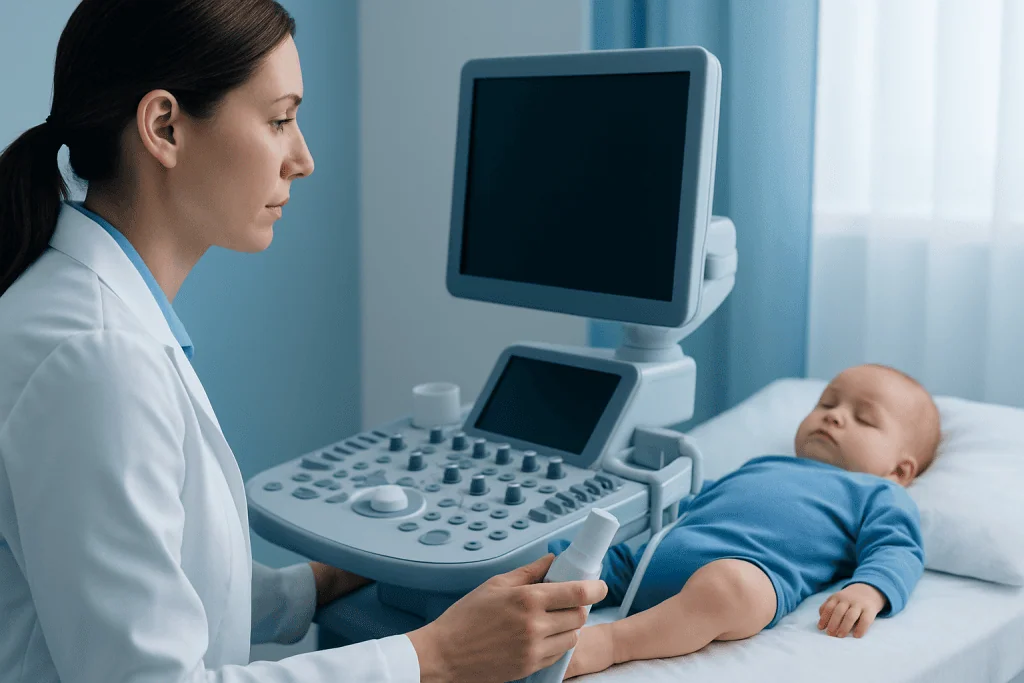
Holoprosencephaly can affect a child in many ways, and no two cases are exactly alike. Brain-related effects may include developmental delay, problems with muscle tone, seizures, difficulties with temperature or sleep regulation, and challenges with feeding and swallowing. Some children also have vision or hearing concerns.
Facial features may range from very mild differences to more obvious changes involving the eyes, nose, or upper lip. A child may also have a small head size, although some have head size within the expected range. Midline facial findings sometimes provide an early clue, but they do not always reflect the exact severity of the brain changes.
Hormone and fluid balance can also be affected if structures deep in the brain do not develop typically. This may lead to problems such as diabetes insipidus, low blood sugar, or difficulties with growth and puberty later on. Because feeding and breathing problems may occur together, careful follow-up during infancy is especially important.
- Developmental delay or intellectual disability
- Seizures
- Feeding and swallowing difficulties
- Breathing problems or aspiration risk
- Vision, hearing, or movement problems
- Hormone imbalance related to pituitary or hypothalamic involvement
Causes and risk factors

Holoprosencephaly develops during the first weeks of pregnancy, often before a person knows they are pregnant. It is linked to disruptions in early embryonic development, but in many families there is not one single identifiable cause. Doctors understand it as a condition with multiple possible contributors, including genetic changes, chromosomal conditions, and environmental influences.
Genetic factors can include changes in genes involved in early brain patterning. Holoprosencephaly may also occur with chromosomal conditions such as trisomy 13. In some families, a gene change can be inherited, while in others it appears for the first time in the affected child. This is one reason genetic counseling is often recommended after diagnosis.
Certain maternal health factors and exposures have also been associated with a higher risk, including pre-existing diabetes that is not well controlled. However, many pregnancies affected by holoprosencephaly occur without any known risk factor. Families should not assume they caused the condition; a careful review with a specialist is the best way to understand likely contributors and recurrence risk.
How holoprosencephaly is diagnosed
Diagnosis may begin before birth or after delivery. During pregnancy, routine ultrasound may suggest a problem with brain development or show facial findings that prompt more detailed evaluation. When doctors need a clearer picture, fetal MRI can provide additional information about the structure of the developing brain and can help define the type of holoprosencephaly.
After birth, diagnosis is based on physical examination, neurological assessment, and brain imaging. MRI is often especially helpful because it shows brain anatomy in detail. Depending on symptoms, doctors may also assess swallowing, vision, hearing, hormone function, and breathing. If there is concern about fluid buildup in the brain or another structural issue, further imaging may be needed.
Genetic testing is an important part of the evaluation for many patients. It may include chromosomal testing, microarray analysis, or more focused gene panels. A genetics team can help explain what the results mean, whether the finding is inherited, and what this may mean for future pregnancies. If related brain findings are suspected, clinicians may also consider overlapping conditions such as hydrocephalus.
Treatment and long-term care
There is no single treatment that reverses holoprosencephaly, so care focuses on the child’s specific needs. The main goals are to support feeding and growth, protect breathing and airway safety, control seizures if present, manage hormone problems, and encourage development. This usually requires a multidisciplinary team rather than one specialist alone.
Depending on the child’s symptoms, treatment may involve pediatric neurology, neonatology, genetics, endocrinology, gastroenterology, rehabilitation, speech and feeding therapy, and sometimes surgery. Brain imaging often helps specialists plan care, and some children need detailed MRI scan evaluation to understand associated abnormalities. If seizures occur, the team may discuss epilepsy treatment as part of a broader neurological care plan.
Some children need support with nutrition, including thickened feeds, swallowing therapy, or tube feeding if oral feeding is not safe or does not provide enough calories. Others may need respiratory support, treatment for reflux, management of muscle stiffness, or therapy services to improve posture, mobility, and communication. If there are signs of pressure-related complications or related structural problems, teams experienced in pediatric neurosurgery may be involved.
Near the end of the diagnostic and treatment journey, some families seek coordinated international care. Acibadem International’s multidisciplinary specialists and JCI-accredited hospitals diagnose and treat complex neurological and pediatric conditions for international patients, with treatment plans tailored to each child’s needs.
Living with holoprosencephaly: daily support for families
Daily care often centers on practical routines: safe feeding, medication schedules, sleep positioning when advised, therapy appointments, and watching for changes in breathing or seizures. Families may also need support for mobility, vision, communication, and school planning. Because the condition can affect several systems, keeping a clear record of symptoms, medications, and specialist visits is helpful.
Early intervention services can play an important role, especially in infancy and early childhood. Physical therapy, occupational therapy, speech therapy, and feeding therapy may help a child develop skills and improve comfort and participation in daily life. Even when developmental progress is slow, supportive therapies can still make a meaningful difference.
Emotional support matters as much as medical care. Families often benefit from counseling, social work support, and connection with rare disease or disability resources. Asking the care team about realistic goals, home safety, and emergency planning can help make everyday caregiving feel more manageable.
Can holoprosencephaly be prevented?
Holoprosencephaly cannot always be prevented, especially when it is related to genetic or chromosomal factors. Still, general preconception and prenatal care may help lower certain risks and improve overall pregnancy health. This includes managing chronic conditions before pregnancy, attending prenatal visits, and discussing medications or exposures with a doctor.
For people with diabetes, careful glucose control before and during pregnancy is particularly important. A clinician may also recommend standard prenatal vitamins, including folic acid, as part of routine pregnancy planning. Although folic acid is not a guaranteed way to prevent holoprosencephaly, it remains a key part of healthy neural development guidance.
If a previous pregnancy was affected, genetic counseling can help families understand recurrence risk and options for future pregnancies. In some situations, targeted ultrasound, fetal MRI, or prenatal genetic testing may be offered in a later pregnancy to provide early information and guide care decisions.
When to seek medical care
Medical care should be sought promptly if holoprosencephaly is suspected during pregnancy or if a newborn has feeding difficulty, poor tone, unusual facial features, seizures, breathing concerns, or trouble maintaining body temperature. Early evaluation helps doctors identify urgent needs and coordinate specialist care. Prenatal referral to fetal medicine, pediatric neurology, or genetics may be appropriate when ultrasound findings raise concern.
After diagnosis, families should contact a doctor urgently if the child develops repeated vomiting, choking during feeds, bluish color around the lips, fewer wet diapers, worsening sleepiness, a new seizure, or any sudden change in breathing or responsiveness. These symptoms do not always mean a serious complication, but they do require professional assessment. Ongoing follow-up is important even when a child seems stable, because feeding, growth, hormones, and development can change over time.
Frequently asked questions
Is holoprosencephaly a genetic condition?
Holoprosencephaly can be genetic, but not all cases have the same cause. Some are linked to chromosomal conditions or changes in specific genes, while others occur without a clearly identified genetic explanation. Genetic testing and counseling can help clarify the cause in an individual child.
Can holoprosencephaly be seen before birth?
Yes, many cases are first suspected during pregnancy on ultrasound. Fetal MRI may be used to provide more detail about the baby’s brain development. Prenatal diagnosis can help families and doctors plan delivery and early care.
Is there a cure for holoprosencephaly?
There is no cure that can reverse the way the brain developed early in pregnancy. Treatment focuses on managing symptoms, preventing complications, and supporting development and comfort. The care plan depends on how severely the child is affected.
What is the outlook for a child with holoprosencephaly?
The outlook varies widely because holoprosencephaly ranges from mild to very severe. Some children have major medical needs from birth, while others survive longer and benefit from supportive therapies and specialist follow-up. A doctor can give the most accurate guidance after reviewing the child’s imaging, symptoms, and overall health.
Does holoprosencephaly always cause facial differences?
No, facial differences are common but not present in every case, and they can be mild or pronounced. Brain findings and facial features do not always match perfectly in severity. This is why imaging and specialist assessment are important.
What specialists may be involved in care?
Care often includes pediatric neurology, genetics, endocrinology, neonatology, gastroenterology, rehabilitation, and feeding specialists. Some children also need neurosurgical, respiratory, vision, or hearing support. A coordinated team approach helps address the different needs that can come with the condition.
This article is for general information only and is not a substitute for professional medical advice. Please consult a qualified doctor about your individual situation.
Explore treatments in Turkey — costs, top hospitals & a free quote
JCI-accredited · board-certified surgeons · reply within 24h
Add us as a Preferred Source to see more of our trusted health content across Google Search, AI Overviews and Discover.

More from the Health Library

Teenager Se X: An Evidence-Based Guide for Patients

Turbinate Reduction: An Evidence-Based Guide for Patients

Emotional Relationship Cheating — Explained by Medical Evidence, Not Myths

Sports nutrition: A Complete Medical Guide for Patients

Photic Sneeze Reflex: An Evidence-Based Guide for Patients