Hot Flashes From Chemotherapy: How It Works, Results and What to Expect
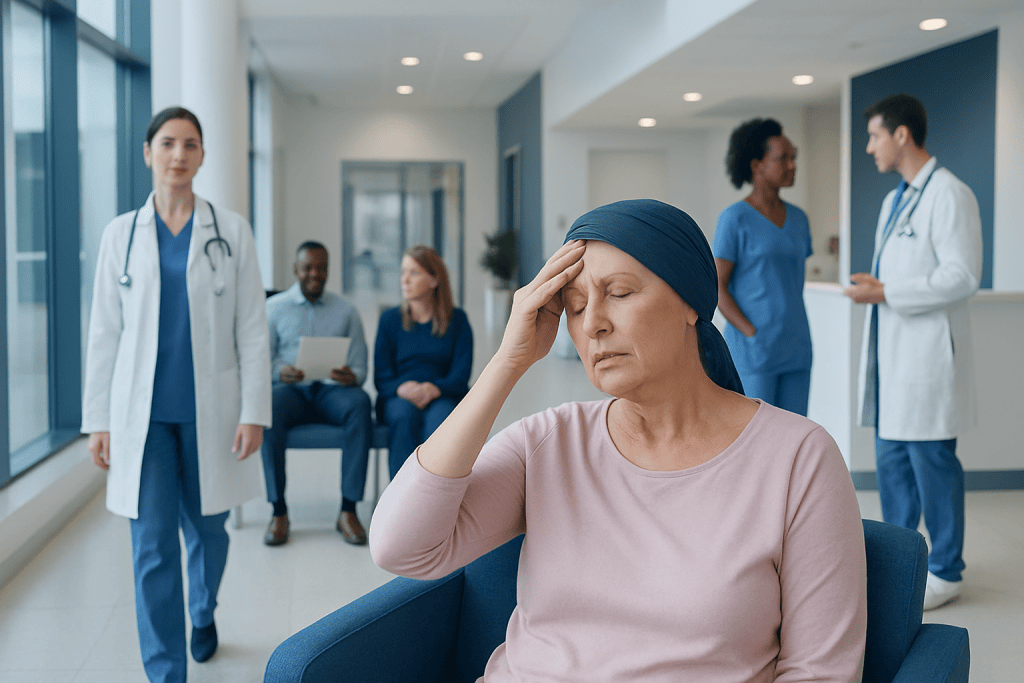
Chemotherapy can trigger hot flashes by affecting the ovaries, testes, hormone-sensitive tissues, or the body’s temperature-regulation system. Hot flashes may be temporary, but their duration depends on age, treatment type, baseline hormone status, and whether menopause becomes permanent.
Key Takeaways
- Chemotherapy can trigger hot flashes by affecting the ovaries, testes, hormone-sensitive tissues, or the body’s temperature-regulation system.
- Hot flashes may be temporary, but their duration depends on age, treatment type, baseline hormone status, and whether menopause becomes permanent.
- New or severe sweating should be discussed with the cancer care team because infection, medication effects, and other causes may need evaluation.
- Cooling measures, trigger tracking, sleep support, and selected non-hormonal medicines can help manage symptoms.
- Hot flashes alone do not show whether chemotherapy is working; scans, examinations, blood tests, and symptom review are used instead.
Hot flashes from chemotherapy are episodes of sudden heat, sweating, flushing, and sometimes chills that may occur when cancer treatment affects hormone production or regulation. They can be uncomfortable, but supportive strategies and clinician-guided treatments can often reduce their impact during and after treatment.
Overview: why chemotherapy can cause hot flashes
Hot flashes from chemotherapy are brief episodes of sudden warmth that often begin in the face, neck, or chest and may spread through the body. They can cause skin flushing, sweating, a faster heartbeat, anxiety, and chills afterward. Some people experience them during treatment, while others notice them weeks or months later.
For many patients, the main reason is a treatment-related change in sex hormones. Chemotherapy may temporarily or permanently reduce ovarian function, leading to lower estrogen levels and menopause-like symptoms. Treatments that suppress hormones, certain targeted therapies, surgery affecting hormone-producing organs, and medications used alongside chemotherapy may also contribute.
Although hot flashes can interfere with sleep, work, and daily comfort, they are commonly manageable. The oncology team can assess likely causes, review medications, and recommend approaches suited to the person’s cancer type, treatment plan, medical history, and preferences.
How hot flashes from chemotherapy work
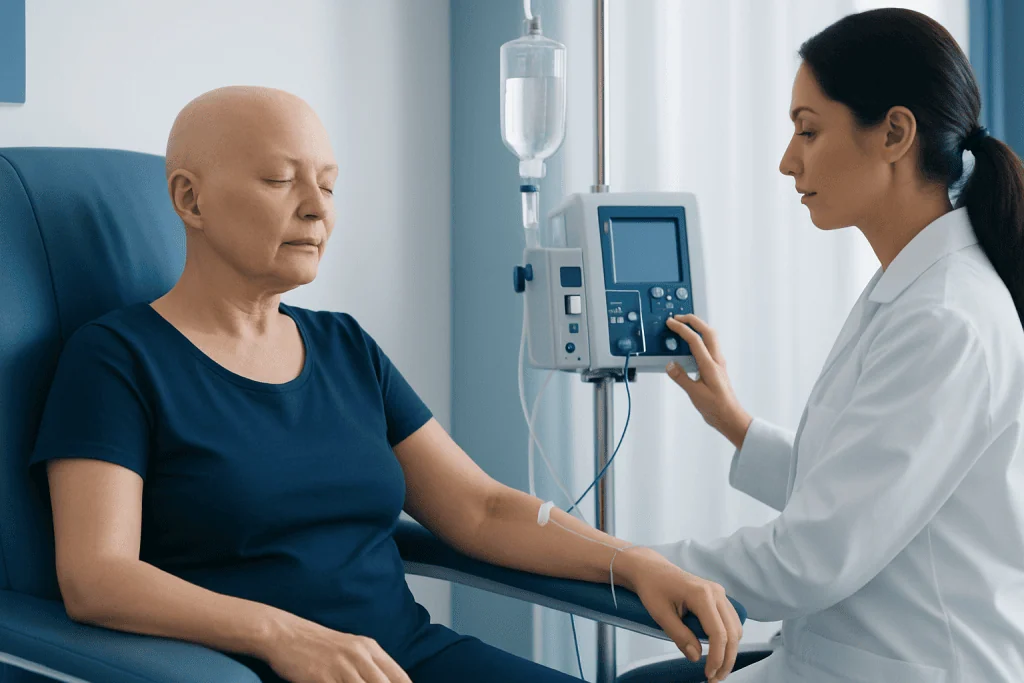
Body temperature is regulated by a small area of the brain called the hypothalamus. Estrogen and other sex hormones influence this system. When hormone levels fall rapidly, the body’s comfortable temperature range can become narrower. Small changes in body temperature may then trigger blood vessels near the skin to widen and sweat glands to activate, producing a hot flash.
In women and people with ovaries, some chemotherapy medicines can damage or suppress ovarian follicles. This may cause irregular periods or stop menstruation, with symptoms similar to natural menopause. The effect may be reversible in some people, especially those who are younger, but it can also lead to permanent menopause.
In men and people receiving androgen-lowering treatment for prostate cancer, reduced testosterone can cause hot flashes. Cancer-related fatigue, stress, poor sleep, fever, pain, alcohol, spicy foods, caffeine, and some medicines may make episodes more noticeable. Hormone changes and symptoms associated with breast cancer treatment are common reasons for discussing hot-flash care with an oncology team.
Who may experience chemotherapy-related hot flashes

Anyone receiving cancer treatment can develop hot flashes, but they are particularly common when treatment changes estrogen or testosterone activity. People who are approaching natural menopause, have had prior menopausal symptoms, or are receiving both chemotherapy and hormone-directed treatment may be more likely to notice them.
The likelihood of permanent treatment-related menopause depends on several factors, including age, ovarian reserve before treatment, the chemotherapy regimen, the total treatment exposure, and whether periods were already irregular. A missed period during chemotherapy does not by itself confirm permanent menopause or infertility.
Hot flashes can also occur after treatment for prostate, breast, ovarian, uterine, and testicular cancers, among others. Before assuming that episodes are treatment-related, clinicians may consider other explanations such as infection, thyroid disease, low blood sugar, medication side effects, anxiety, or cancer symptoms. This is especially important when symptoms are new, prolonged, or accompanied by feeling unwell.
What do cancer hot flashes feel like?
Cancer hot flashes often feel like a sudden wave of internal heat, usually affecting the upper chest, neck, face, or head. The skin may become red or blotchy, and sweating can range from mild dampness to soaking clothing or bedding. Episodes often last a few minutes, though the experience varies widely.
Some people also notice palpitations, lightheadedness, shakiness, irritability, or a sense of anxiety during an episode. Once the heat passes, chills or feeling cold can follow because sweat cools the skin. Nighttime episodes are often called night sweats and may interrupt sleep repeatedly.
Hot flashes are different from a persistent fever. A thermometer reading of 38°C (100.4°F) or higher during chemotherapy requires prompt advice from the oncology team, even if the person believes the feeling is a hot flash, because infection can become serious when white blood cell counts are low.
Assessment and the care process
There is no single test for chemotherapy-related hot flashes. The oncology clinician usually asks when the episodes started, how often they occur, what they feel like, how they affect sleep and daily life, and whether there are related symptoms such as menstrual changes, weight change, fever, cough, pain, or palpitations.
A medication review is important because cancer treatments, hormone therapies, steroids, antidepressants, pain medicines, and other drugs can influence sweating or body temperature. Depending on symptoms, clinicians may order blood tests or other evaluations to rule out infection, thyroid problems, anemia, or other medical concerns.
A useful step-by-step approach is to record episodes for one to two weeks. Note timing, intensity, possible triggers, night waking, foods and drinks, room temperature, and medicines. This information helps the care team decide whether lifestyle adjustments are enough or whether symptom-directed treatment should be considered.
- Describe the pattern and impact of symptoms.
- Check for warning signs and alternative causes.
- Review cancer medicines and other prescriptions.
- Develop an individualized symptom-management plan.
- Reassess after changes are made.
Treatment options, benefits and possible risks
Management begins with identifying the likely cause and balancing symptom relief with cancer safety. Not every person needs medication. For mild or occasional flashes, practical adjustments can be very effective. For frequent or sleep-disrupting episodes, the oncology team may discuss non-hormonal prescription options, selected behavioral therapies, or referral to menopause, endocrinology, or supportive-care specialists.
Non-hormonal medicines may reduce the frequency or severity of hot flashes for some patients. The best choice depends on other symptoms and health conditions. Possible side effects vary by medicine and can include dizziness, dry mouth, nausea, sleep changes, constipation, changes in blood pressure, or drug interactions. Patients should not start supplements or over-the-counter treatments without first checking with their oncology pharmacist or clinician.
Hormone therapy can relieve menopausal symptoms in some settings, but it is not appropriate for everyone, particularly for many people with hormone-sensitive cancers. Decisions about estrogen, progesterone, or testosterone-related treatments require careful specialist guidance. Supportive care may be coordinated alongside chemotherapy treatment to help maintain comfort and daily functioning.
The potential benefit of treatment is better sleep, fewer disruptive episodes, and improved quality of life. The main risks are medication side effects and interactions with cancer therapies, which is why individualized medical review is essential.
Recovery timeline and self-care strategies
There is no single timeline for recovery. Some people notice improvement within weeks or months after chemotherapy ends, especially if ovarian function resumes. Others have symptoms for longer when treatment causes permanent menopause or when hormone-blocking therapy continues for years. Symptoms may fluctuate rather than steadily improve.
Simple measures can reduce discomfort. Dressing in removable layers, using a fan, keeping the bedroom cool, choosing breathable bedding, carrying cold water, and avoiding overheating can help. Regular physical activity, relaxation techniques, paced breathing, and consistent sleep routines may also support wellbeing, although they may not eliminate hot flashes completely.
It can be useful to identify personal triggers. Common examples include alcohol, smoking, spicy foods, hot drinks, caffeine, stressful situations, and warm rooms. Keeping a symptom diary helps identify patterns without unnecessarily restricting foods or activities that do not seem to affect symptoms.
Acibadem International’s multidisciplinary specialists and JCI-accredited hospitals support international patients with cancer treatment and symptom management, including care for treatment-related menopausal symptoms.
When to seek medical care
Patients should tell their oncology team about hot flashes that are frequent, severe, worsening, or interfering with sleep, emotional wellbeing, work, or treatment attendance. The team can help distinguish expected hormone-related symptoms from conditions that need further assessment and can recommend safe ways to manage them.
Prompt medical advice is important for a temperature of 38°C (100.4°F) or higher during chemotherapy, drenching sweats with feeling ill, shaking chills, shortness of breath, chest pain, fainting, confusion, a new rash, or signs of dehydration. These symptoms may not be caused by a typical hot flash and may need urgent evaluation.
Patients should also seek advice before using herbal menopause products, hormone preparations, or new medicines. Some products can interact with chemotherapy or endocrine therapy, and “natural” does not always mean safe during cancer treatment.
Will hot flashes go away after chemo?
Hot flashes often improve after chemotherapy, particularly when treatment causes a temporary disruption in ovarian function. Improvement may happen gradually over several months as hormone production and menstrual cycles recover. However, the timing is unpredictable and differs from person to person.
If chemotherapy causes permanent menopause, hot flashes can persist similarly to those of natural menopause. They may also continue when a person remains on hormone-blocking treatment after chemotherapy. Ongoing or disruptive symptoms are worth discussing because supportive measures and non-hormonal treatments may still provide relief.
What are good signs that chemo is working?
Hot flashes, hair loss, nausea, fatigue, or other side effects are not reliable signs that chemotherapy is working. Side effects show that the body is responding to treatment exposure, but they do not measure whether cancer cells are shrinking or being controlled. People can benefit from chemotherapy with few side effects, while others can have significant side effects without this indicating treatment success.
Clinicians assess response using the cancer type and treatment goal. This may include physical examinations, imaging scans, blood tests, tumor markers when appropriate, and changes in symptoms. The oncology team will explain when response checks are planned and what the results mean for the individual treatment plan.
How long do cancer-related hot flashes last?
Cancer-related hot flashes may last from a short period during treatment to months or years afterward. When they are tied to temporary chemotherapy-related hormone changes, they may ease as treatment ends and hormone function recovers. When menopause is permanent or hormone-suppressing treatment continues, symptoms can last longer.
The pattern can change over time: episodes may become less intense or less frequent even if they do not disappear quickly. If symptoms remain troublesome, a clinician can review the cause, consider treatment adjustments when medically appropriate, and provide supportive options for sleep and daily comfort.
Frequently asked questions
Can chemotherapy cause hot flashes even if periods continue?
Yes. Hormone levels can fluctuate during chemotherapy even if menstrual periods continue or later return. Hot flashes may also be related to medicines used with chemotherapy, stress, sleep disruption, or other health factors.
Are hot flashes a sign that chemotherapy is effective?
No. Hot flashes are not a reliable measure of chemotherapy effectiveness. Cancer response is assessed with planned examinations, imaging, laboratory tests, and other methods selected by the oncology team.
Can hot flashes start after chemotherapy has finished?
Yes. Symptoms can begin or become more noticeable after chemotherapy ends, particularly if ovarian function declines or if hormone-directed therapy begins afterward. The timing and duration vary between individuals.
Is hormone replacement therapy safe after cancer treatment?
It depends on the cancer type, recurrence risk, treatment history, and the individual’s health. Hormone therapy may be unsuitable for many people with hormone-sensitive cancers, so it should only be considered with guidance from the oncology and menopause care teams.
What can help with hot flashes at night?
A cool bedroom, lightweight bedding, moisture-wicking sleepwear, a fan, and keeping cold water nearby may help. Limiting personal triggers in the evening and discussing persistent sleep disruption with the oncology team can also be useful.
When should a person call the oncology team about sweating?
They should contact the team promptly if sweating occurs with a fever of 38°C (100.4°F) or higher, shaking chills, feeling unwell, breathing difficulty, chest pain, or confusion. During chemotherapy, these symptoms may require urgent assessment for infection or another cause.
References
- National Cancer Institute
- American Cancer Society
- American Society of Clinical Oncology
- National Comprehensive Cancer Network
- North American Menopause Society
This article is for general information only and is not a substitute for professional medical advice. Please consult a qualified doctor about your individual situation.
Chemotherapy in Turkey — costs, top hospitals & a free quote
JCI-accredited · board-certified surgeons · reply within 24h
Add us as a Preferred Source to see more of our trusted health content across Google Search, AI Overviews and Discover.

Medical Oncology Department
Medical treatment of cancer with chemotherapy, immunotherapy and targeted therapies under a multidisciplinary tumor board.
60 specialists in this unit