Hot Flashes: What Patients Need to Know

Hot flashes usually feel like a sudden wave of heat, often with sweating, redness, and a racing heartbeat. Menopause is the most common cause, but thyroid problems, some medicines, infections, and other conditions can also trigger them.
Key Takeaways
- Hot flashes usually feel like a sudden wave of heat, often with sweating, redness, and a racing heartbeat.
- Menopause is the most common cause, but thyroid problems, some medicines, infections, and other conditions can also trigger them.
- Treatment depends on the cause and may include lifestyle changes, hormone therapy, or nonhormonal medicines.
- Keeping a symptom diary can help identify triggers such as heat, stress, alcohol, spicy foods, or caffeine.
- Medical advice is important if hot flashes are severe, start unexpectedly, or occur with weight loss, fever, or other concerning symptoms.
Hot flashes are sudden episodes of warmth, flushing, and sweating that can happen during the day or night. They are common around menopause, but they can also be related to medications, hormonal changes, or other medical conditions, so persistent symptoms deserve proper evaluation.
Overview
Hot flashes are sudden sensations of intense heat that may spread through the face, neck, chest, or whole body. Many people also notice flushing, sweating, chills afterward, or a fast heartbeat. These episodes can last from seconds to several minutes and may happen occasionally or many times a day.
They are most often associated with the menopause transition, when changing estrogen levels affect the body’s temperature regulation. However, hot flashes are not limited to menopause. They can also occur because of certain medications, endocrine conditions, infections, anxiety, or less commonly other medical problems.
For some people, hot flashes are a mild inconvenience. For others, they can disrupt sleep, concentration, work, mood, and quality of life. Nighttime hot flashes are often called night sweats when they cause significant sweating during sleep.
Because this symptom can have different causes, it helps to look at the full picture rather than assuming menopause is always the explanation. A careful medical review can clarify whether hot flashes are a normal hormonal change or a sign that another condition should be addressed.
How hot flashes feel
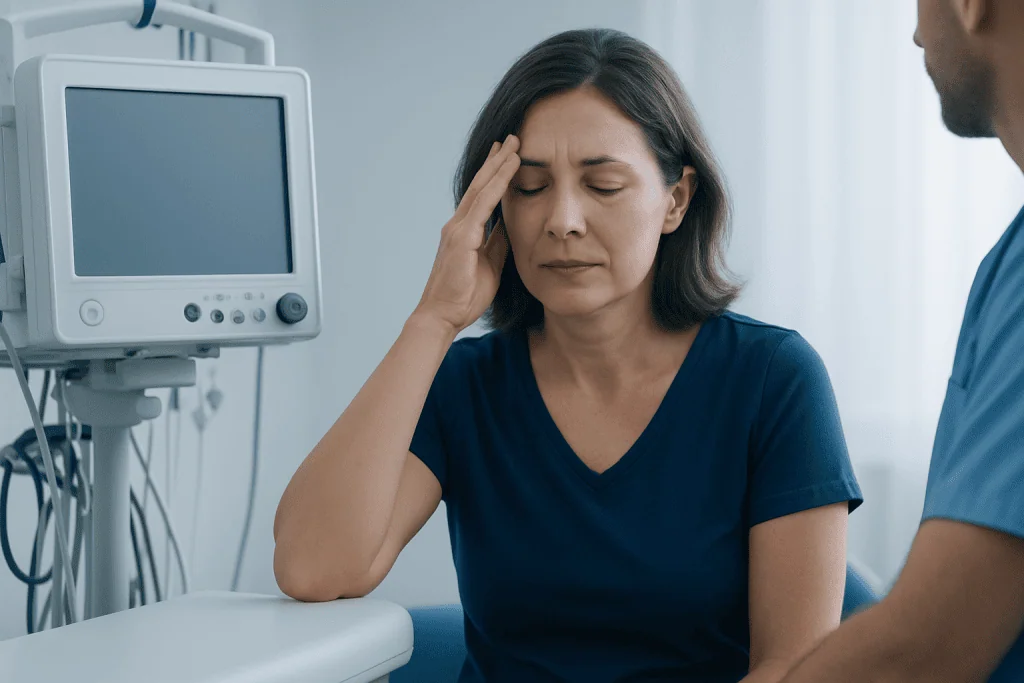
People describe hot flashes in different ways, but the most common experience is a sudden internal heat that seems to rise quickly. The skin may become red or blotchy, especially on the face and upper chest. Sweating can be light or heavy, and some people feel chilled once the episode passes.
Hot flashes may come without warning or may follow a recognizable trigger. Some occur only during the day, while others mainly interrupt sleep. When they happen at night, they may wake a person repeatedly and lead to tiredness, irritability, and difficulty focusing the next day.
Common features include:
- A sudden wave of warmth
- Flushing of the face, neck, or chest
- Sweating
- Palpitations or awareness of a faster heartbeat
- Chills after the heat passes
- Sleep disruption if episodes happen at night
The frequency and severity vary widely. Some people have a few episodes a week, while others may have many each day. Tracking timing, intensity, and associated symptoms can help a doctor understand the pattern and guide treatment.
Why hot flashes happen

The body normally keeps temperature within a narrow range. Hot flashes are thought to happen when that system becomes more sensitive, causing the body to react as if it is suddenly too warm. In menopause, fluctuating and declining estrogen levels can affect the brain centers involved in temperature control, making heat responses more likely.
Although menopause is the best-known cause, it is not the only one. Hormonal changes after surgery that removes the ovaries, some cancer treatments, and certain endocrine disorders may produce similar symptoms. Conditions involving the thyroid can also mimic or contribute to hot flashes, including hyperthyroidism.
Other possible triggers or causes include medications such as some antidepressants, opioids, and treatments that affect hormones; alcohol; spicy foods; caffeine; smoking; emotional stress; and warm environments. In some people, anxiety or panic symptoms can overlap with hot flashes and make episodes feel more intense.
Less commonly, recurring flushing and sweating may be related to infections, neurological causes, or other medical conditions. That is why a new or unexplained pattern should not be ignored, especially if it starts outside the usual age range for menopause or comes with other symptoms.
Risk factors and common triggers
Several factors can make hot flashes more likely or more bothersome. The strongest risk factor is being in the perimenopausal or menopausal stage of life. Surgical menopause, which can happen after ovary removal, may lead to more sudden and intense symptoms because hormone levels change quickly.
Body weight, smoking, stress levels, and general health may also influence symptoms. Some people notice that hot flashes worsen in warm rooms, during exercise, after hot drinks, or when they are feeling anxious. These patterns are not the same for everyone, so personal observation is helpful.
Common triggers include:
- Hot weather or overheated indoor spaces
- Spicy foods
- Caffeine or alcohol
- Stress and strong emotions
- Tight or heavy clothing
- Smoking
A symptom diary can be useful. Writing down when episodes occur, what was eaten or drunk beforehand, sleep quality, medication changes, and menstrual patterns can reveal practical ways to reduce symptoms and can provide valuable information during a doctor’s visit.
How doctors diagnose the cause
Diagnosis starts with a detailed medical history. A doctor will usually ask about age, menstrual changes, medications, family history, sleep quality, and associated symptoms such as weight loss, fever, diarrhea, palpitations, anxiety, or headaches. This discussion often points toward the most likely cause.
A physical examination may be followed by tests if needed. These are not required for every person, especially when the pattern strongly suggests menopause. However, tests may be appropriate when symptoms are severe, start unexpectedly, or raise concern for another condition. Depending on the situation, evaluation may include blood tests for thyroid function, blood sugar, infection, or hormone-related issues.
When menopause is part of the picture, the doctor may also discuss overall health during this transition, including bone, heart, sleep, and mood concerns. If hormonal problems are suspected, assessment may overlap with care used for menopause.
The main goal of diagnosis is not only to label the symptom, but to make sure no important underlying condition is missed. This helps treatment focus on the true cause rather than only suppressing episodes temporarily.
Treatment options and symptom relief
Treatment depends on the cause, severity, and personal health profile. If hot flashes are linked to menopause and are affecting daily life or sleep, a doctor may discuss hormone therapy. This can be effective for many people, but it is not suitable for everyone. The decision depends on age, medical history, symptom burden, and individual risks and preferences. In some cases, care may include menopause treatment tailored to symptom control and overall well-being.
Nonhormonal options are also available. Some prescription medicines used for other conditions can reduce hot flashes in certain patients. These may be considered for people who cannot use hormones or prefer not to. A doctor may also review current medications to see whether one of them could be contributing to symptoms.
Lifestyle measures often help, especially when triggers are clear. Helpful steps may include dressing in layers, using a fan, lowering room temperature, choosing breathable fabrics, limiting alcohol and caffeine, and practicing stress-reduction techniques. Weight management, regular physical activity, and smoking cessation can support overall symptom control and health.
If an underlying medical condition is found, treatment should address that cause directly. For example, if symptoms relate to a thyroid disorder, targeted care such as specialized thyroid treatment or endocrine management may be discussed depending on the diagnosis. If a medication is responsible, a safer alternative may be possible under medical supervision.
Self-care and when to seek medical care
Self-care can make a meaningful difference. Many people benefit from keeping the bedroom cool, using light bedding, avoiding known triggers in the evening, and practicing relaxation methods such as paced breathing or mindfulness. Staying hydrated and planning layers of clothing can also make daytime episodes easier to manage.
It is sensible to seek medical care if hot flashes are new, severe, or disruptive, or if they begin without a clear explanation. Medical review is especially important when episodes occur with fever, unexplained weight loss, chest pain, fainting, persistent diarrhea, or a new neck lump, because these features may point to another cause that needs attention.
A doctor should also be consulted if hot flashes interfere with sleep, mood, work, or quality of life, or if over-the-counter approaches are not helping. People with a history of hormone-sensitive cancer, blood clots, liver disease, or complex medical conditions should speak with a clinician before considering hormone-based treatments.
For international patients who need evaluation, Acibadem International’s multidisciplinary specialists in JCI-accredited hospitals diagnose and treat conditions that may be linked to hot flashes, from menopausal symptoms to endocrine disorders, with care plans tailored to the individual.
Frequently asked questions
Are hot flashes always caused by menopause?
No. Menopause is the most common cause, but hot flashes can also be linked to medications, thyroid disorders, infections, anxiety, or other medical conditions. If symptoms start unexpectedly or do not fit the usual menopause pattern, a doctor can help identify the cause.
How long do hot flashes usually last?
An individual hot flash often lasts a few seconds to several minutes. The overall period during which a person experiences hot flashes varies widely and may continue for months or years, especially around the menopause transition.
What is the difference between hot flashes and night sweats?
Hot flashes are sudden episodes of warmth that can happen at any time of day or night. Night sweats usually refer to hot flashes during sleep that cause enough sweating to disturb rest or soak sleepwear or bedding.
Can lifestyle changes really help with hot flashes?
Yes, especially when episodes are triggered by heat, alcohol, caffeine, spicy foods, or stress. Wearing layers, keeping rooms cool, using breathable fabrics, and tracking triggers can reduce how often symptoms happen or how intense they feel.
When should someone worry about hot flashes?
Hot flashes deserve medical attention if they are severe, begin suddenly without an obvious reason, or happen with symptoms such as fever, unexplained weight loss, chest pain, fainting, or persistent palpitations. These features do not always mean something serious, but they should be checked promptly.
Are there treatments besides hormone therapy?
Yes. Depending on the cause and the person’s health history, doctors may suggest nonhormonal prescription medicines, trigger management, sleep-supportive strategies, and treatment of any underlying medical condition. The best option is individualized after a proper assessment.
References
- World Health Organization
- North American Menopause Society
- American College of Obstetricians and Gynecologists
- National Institute on Aging
- National Health Service
This article is for general information only and is not a substitute for professional medical advice. Please consult a qualified doctor about your individual situation.
Explore treatments in Turkey — costs, top hospitals & a free quote
JCI-accredited · board-certified surgeons · reply within 24h
Add us as a Preferred Source to see more of our trusted health content across Google Search, AI Overviews and Discover.