How Big Your Stomach? A Doctor-Reviewed Answer
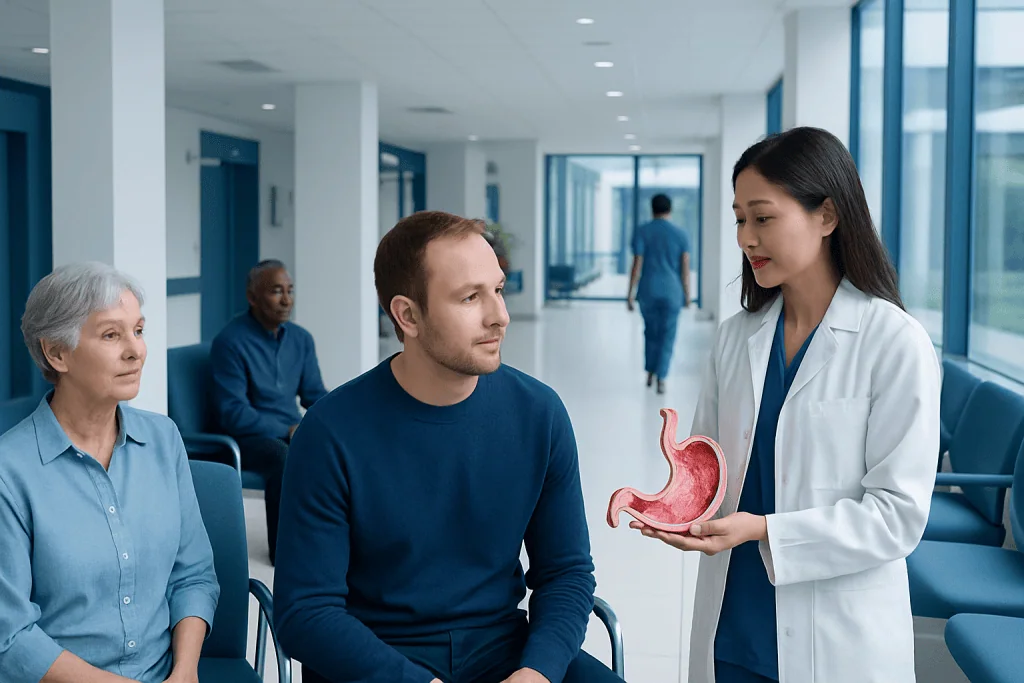
The stomach is a flexible organ that changes size from empty to full. Feeling that the stomach is large is often due to normal fullness, gas, or bloating rather than the stomach permanently enlarging.
Key Takeaways
- The stomach is a flexible organ that changes size from empty to full.
- Feeling that the stomach is large is often due to normal fullness, gas, or bloating rather than the stomach permanently enlarging.
- Red flags include severe pain, repeated vomiting, trouble swallowing, bleeding, ongoing weight loss, or a swollen abdomen that does not improve.
- Doctors evaluate symptoms with a history, physical exam, and sometimes blood tests, ultrasound, endoscopy, or imaging.
- Eating habits, constipation, food intolerance, reflux, ulcers, and other digestive conditions can all contribute to upper abdominal fullness.
For most people, the stomach is about the size of a fist when relatively empty and can stretch to hold much more after eating. A feeling that the stomach is “too big” is often harmless and related to fullness, gas, or bloating, but persistent swelling, pain, vomiting, or weight loss should be checked by a doctor.
Overview: how big your stomach really is
If someone wonders how big your stomach is, the short answer is that it is usually much smaller than it feels after a meal. In most adults, the stomach is a muscular, expandable organ in the upper abdomen. When relatively empty, it is often described as being about the size of a fist, but it can stretch significantly to store food and liquid during digestion.
That is why a person may feel “my stomach is huge” after eating, even though the organ itself is behaving normally. In many cases, the sensation comes from temporary stretching, gas, or bloating rather than a permanently enlarged stomach. This is common and often harmless, especially if it happens after large meals or certain foods.
Still, not every feeling of fullness should be ignored. If upper abdominal swelling is persistent, painful, associated with vomiting, bleeding, difficulty swallowing, or unexplained weight loss, a medical review is important. A doctor can help tell the difference between normal stomach expansion and symptoms linked to a digestive problem.
What affects stomach size and capacity?
The stomach is designed to change shape and capacity. Its walls contain folds and muscle layers that relax as food enters, allowing the stomach to hold a meal before gradually emptying into the small intestine. This normal stretching is part of healthy digestion and does not usually mean anything is wrong.
How big the stomach feels can depend on several factors, including the amount eaten, how quickly a person eats, how much fluid is taken with meals, and whether gas builds up in the digestive tract. Carbonated drinks, large portions, and eating quickly can all increase the sense of fullness. Some people are also more sensitive to normal stretching than others.
Stomach sensation is not always the same as true stomach size. Fullness high in the abdomen may come from the stomach, but similar discomfort can also come from the intestines, constipation, trapped gas, or nearby organs. This is one reason doctors look at the whole digestive system rather than focusing only on the stomach itself.
Long-term changes in eating patterns do not usually make the stomach permanently “large” in a way people imagine. The stomach remains a flexible organ. However, repeated overeating can make large meals feel more comfortable over time, while eating smaller meals regularly may reduce that sensation of needing large amounts of food.
When a large or swollen stomach feeling is usually harmless

In everyday life, the most common reason a person feels their stomach is big is simple fullness after eating. A heavy meal, salty foods, carbonated drinks, or eating late at night can all create temporary pressure in the upper abdomen. This usually improves over several hours as digestion continues.
Bloating is another frequent cause. Bloating can come from swallowing air, constipation, food intolerance, or slower digestion. It may feel like the stomach is stretched, even if the main issue is actually gas in the intestines. Symptoms may come and go and often relate to certain meals or eating habits.
Occasional indigestion can also create a sense of upper abdominal heaviness. A person may notice burning, belching, nausea, or early fullness. Mild, infrequent symptoms are often manageable with simple measures such as smaller meals, avoiding trigger foods, and not lying down right after eating.
If symptoms are mild, short-lived, and clearly related to meals, they are often not a sign of serious disease. Even so, symptoms that keep returning deserve attention, especially if they interfere with eating, sleep, or daily comfort.
Possible medical causes of ongoing fullness or upper abdominal swelling
Persistent fullness can sometimes reflect an underlying digestive condition. Common examples include acid reflux, gastritis, peptic ulcer disease, constipation, and food intolerance. Reflux may cause heartburn and sour-tasting fluid in the mouth, while gastritis may lead to burning or discomfort in the upper abdomen. Ongoing reflux symptoms may need evaluation for reflux disease.
Some people develop fullness very quickly after beginning a meal, a symptom called early satiety. This can happen with indigestion, inflammation, delayed stomach emptying, or less commonly with structural problems. If nausea, vomiting, or long-lasting upper abdominal pain is present, a doctor may consider tests to look for ulcers or other stomach disorders such as gastritis.
Symptoms can also come from conditions outside the stomach itself. Gallbladder disease, liver problems, pancreatic disorders, and irritable bowel syndrome may all produce bloating or upper abdominal discomfort. In some cases, visible abdominal enlargement is caused by fluid retention, weight gain, pregnancy, or bowel-related issues rather than the stomach.
Rarely, a persistent swollen abdomen or unexplained fullness can be linked to a more serious illness. That is why red flag features matter more than the feeling of “big stomach” alone. A careful medical assessment helps identify whether the cause is functional and temporary or something that needs targeted treatment.
Red flags and when to seek medical care
Most episodes of fullness are not urgent, but some symptoms should not be ignored. Medical care is important if a person has severe or worsening abdominal pain, repeated vomiting, trouble swallowing, black stools, vomiting blood, fainting, fever, or signs of dehydration. These symptoms can point to bleeding, obstruction, infection, or another condition needing prompt attention.
A doctor should also assess symptoms that do not improve over time. Persistent bloating, early fullness, ongoing nausea, loss of appetite, unexplained weight loss, anemia, or a swollen abdomen that keeps returning all deserve medical review. This is especially true in older adults or people with a personal or family history of digestive disease.
If the abdomen suddenly becomes very swollen, hard, and painful, urgent evaluation is needed. Likewise, anyone with chest pain, shortness of breath, or pain spreading to the arm, jaw, or back should seek emergency help, since upper abdominal discomfort can sometimes be confused with heart-related symptoms.
How doctors find the cause
Doctors usually begin by asking detailed questions about the symptoms. They may ask when the fullness happens, whether it relates to meals, what foods trigger it, whether there is heartburn or belching, and whether bowel habits have changed. They also ask about medications, alcohol use, previous digestive problems, and recent weight changes.
A physical exam can provide important clues. The doctor may gently examine the abdomen for tenderness, swelling, abnormal sounds, or signs of fluid or constipation. Depending on the findings, blood tests may be used to look for anemia, inflammation, infection, liver problems, or other metabolic issues.
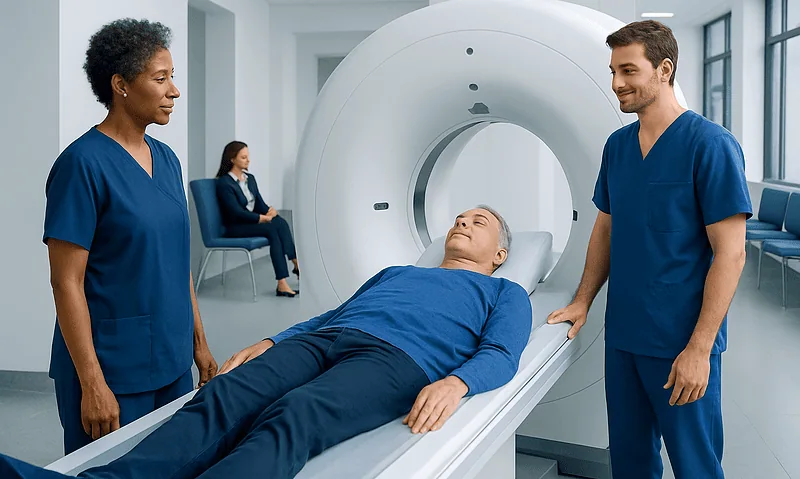
Further tests are chosen based on the symptom pattern. An upper endoscopy may be recommended to look directly at the esophagus, stomach, and first part of the small intestine, especially if there is pain, reflux, bleeding, or persistent nausea. In some cases, doctors may suggest endoscopy to assess ulcers, inflammation, or other visible changes.
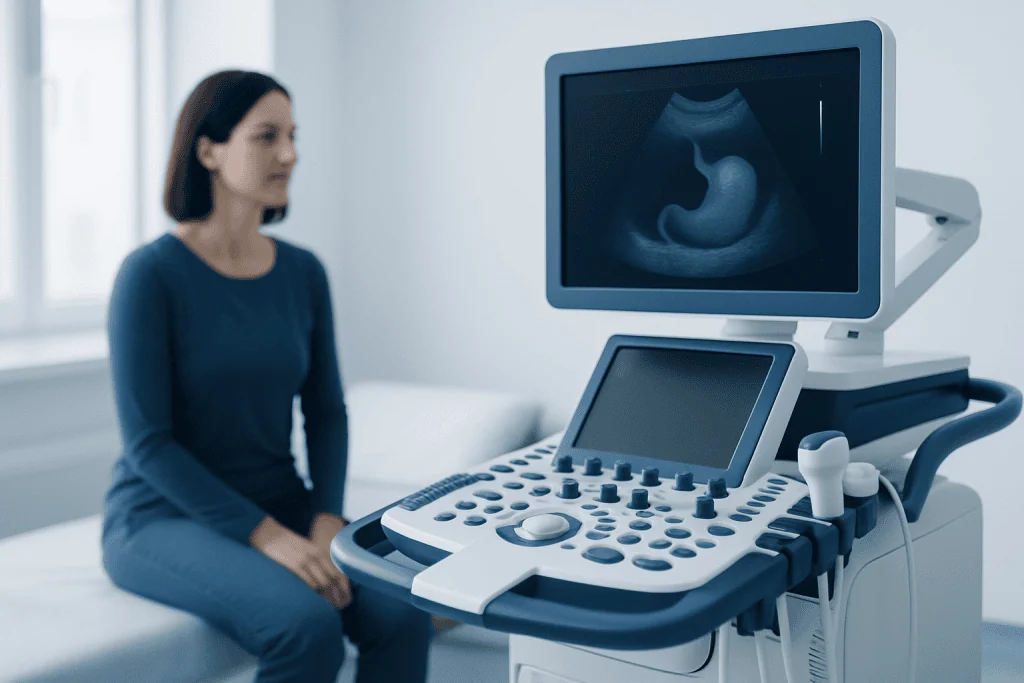
Ultrasound, X-ray, CT, or other scans may be useful when symptoms suggest gallbladder, liver, pancreatic, or bowel problems. If a person has persistent upper abdominal pain or bloating that remains unclear, a broader digestive workup through gastroenterology evaluation can help guide the next steps safely and efficiently.
Treatment and self-care for fullness, bloating, or stomach discomfort
Treatment depends on the cause. For many people, simple changes are enough: eating smaller meals, chewing slowly, limiting carbonated drinks, avoiding lying down right after eating, and noticing any foods that regularly trigger symptoms. Reducing very fatty meals and large late-night meals may also help decrease upper abdominal pressure.
If constipation contributes to bloating, improving fluid intake, daily movement, and fiber intake may help, although fiber should sometimes be introduced gradually. If reflux symptoms are prominent, a doctor may recommend lifestyle adjustments and, when appropriate, medication. Symptoms that suggest an ulcer, significant inflammation, or infection need medical assessment rather than self-treatment alone.
People with frequent symptoms should avoid repeatedly taking over-the-counter remedies without understanding the cause. Medicines may temporarily ease discomfort while delaying diagnosis of an underlying issue. It is safer to seek medical advice if symptoms are recurring, changing, or associated with red flags.
In some situations, specialist care is helpful for both diagnosis and treatment planning. Near the end of the care pathway, patients may be referred for targeted testing or procedures such as upper gastrointestinal endoscopy if symptoms strongly point to an upper digestive source.
Prevention, outlook, and support
Although no one can prevent every episode of fullness or bloating, healthy habits can reduce the chance of frequent symptoms. Regular mealtimes, moderate portion sizes, a balanced diet, physical activity, and attention to bowel regularity all support digestive comfort. Keeping a symptom diary can also help identify patterns related to foods, stress, or timing of meals.
The outlook is often good when symptoms are caused by eating habits, mild indigestion, or temporary bloating. Many people improve once the trigger is recognized and managed. The most important step is not to assume that every swollen feeling is either “nothing” or automatically serious; instead, it helps to monitor symptoms and seek care when warning signs appear.
If evaluation is needed, treatment is guided by the underlying diagnosis rather than by stomach size alone. In selected cases, multidisciplinary specialists at Acibadem International and its JCI-accredited hospitals diagnose and treat digestive symptoms for international patients, with care tailored to the person’s history and test results.
Reassuringly, the stomach is meant to expand and contract as part of normal digestion. Understanding how big your stomach can feel compared with its true anatomy helps people interpret symptoms more calmly and know when expert advice is the right next step.
Frequently asked questions
How big is the human stomach when it is empty?
When relatively empty, the stomach is commonly described as being about the size of a fist. It is not a rigid container, so its exact shape and size vary from person to person.
Can the stomach really stretch after eating?
Yes. The stomach is designed to relax and expand as food and liquid enter it. This normal stretching helps store a meal temporarily before digestion moves it into the small intestine.
Does feeling bloated mean the stomach is enlarged?
Not necessarily. Bloating is often caused by gas, constipation, indigestion, or intestinal sensitivity rather than a permanently enlarged stomach. A doctor can help determine whether the sensation is coming from the stomach or another part of the abdomen.
Can overeating make the stomach permanently bigger?
The stomach is flexible and naturally changes size during digestion, so it does not usually become permanently enlarged in the way many people imagine. However, regularly eating very large meals may make large portions feel more comfortable over time.
What symptoms suggest the problem is more than simple fullness?
Warning signs include severe pain, repeated vomiting, trouble swallowing, black stools, vomiting blood, ongoing weight loss, fever, or persistent swelling that does not improve. These symptoms deserve prompt medical evaluation.
How do doctors check why the stomach feels big?
They usually start with a symptom history and physical examination. Depending on the findings, they may use blood tests, ultrasound, endoscopy, or imaging to look for reflux, inflammation, ulcers, gallbladder problems, constipation, or other digestive causes.
References
- National Institute of Diabetes and Digestive and Kidney Diseases
- American College of Gastroenterology
- National Health Service
- Merck Manual Consumer Version
This article is for general information only and is not a substitute for professional medical advice. Please consult a qualified doctor about your individual situation.
Medical weight-loss options in Turkey — costs & eligibility
JCI-accredited · board-certified surgeons · reply within 24h
Add us as a Preferred Source to see more of our trusted health content across Google Search, AI Overviews and Discover.