How Do You Take Off Stretch Marks? Here Is What the Evidence Says
Stretch marks are common, benign skin changes linked to skin stretching and hormonal factors. Complete removal is uncommon, but appearance often improves with time and selected treatments.
Key Takeaways
- Stretch marks are common, benign skin changes linked to skin stretching and hormonal factors.
- Complete removal is uncommon, but appearance often improves with time and selected treatments.
- Newer red or purple stretch marks tend to respond better than older white or silvery marks.
- Topical creams have limited evidence, while certain laser and energy-based treatments may offer more noticeable improvement.
- Medical review is important if stretch marks appear suddenly, are widespread, or occur with other hormonal symptoms.
Stretch marks are very common and usually harmless. If someone asks how do you take off stretch marks, the evidence-based answer is that they cannot usually be erased completely, but several treatments may help fade them and improve skin texture, especially when started early.
What the evidence says about taking off stretch marks
For most people, stretch marks are harmless and do not need medical treatment. The clearest evidence-based answer to the question how do you take off stretch marks is that they usually cannot be removed completely, but they can often become less noticeable with time and with treatments that aim to improve color, texture, and collagen remodeling.
Stretch marks, also called striae, form when the deeper support structure of the skin changes faster than the skin can adapt. They are common during pregnancy, puberty, rapid weight change, bodybuilding, and with some hormone-related conditions or medicines. Early marks are often pink, red, purple, or dark brown depending on skin tone; later they usually fade to lighter, thinner lines.
Because stretch marks are not dangerous in most cases, treatment is mainly a personal choice. Some people prefer to leave them alone, while others seek care because of cosmetic concerns, itching, or changes in body image. A doctor can explain what is realistic, which options have the best supporting evidence, and whether there is any underlying health issue to investigate.
What stretch marks are and why they happen
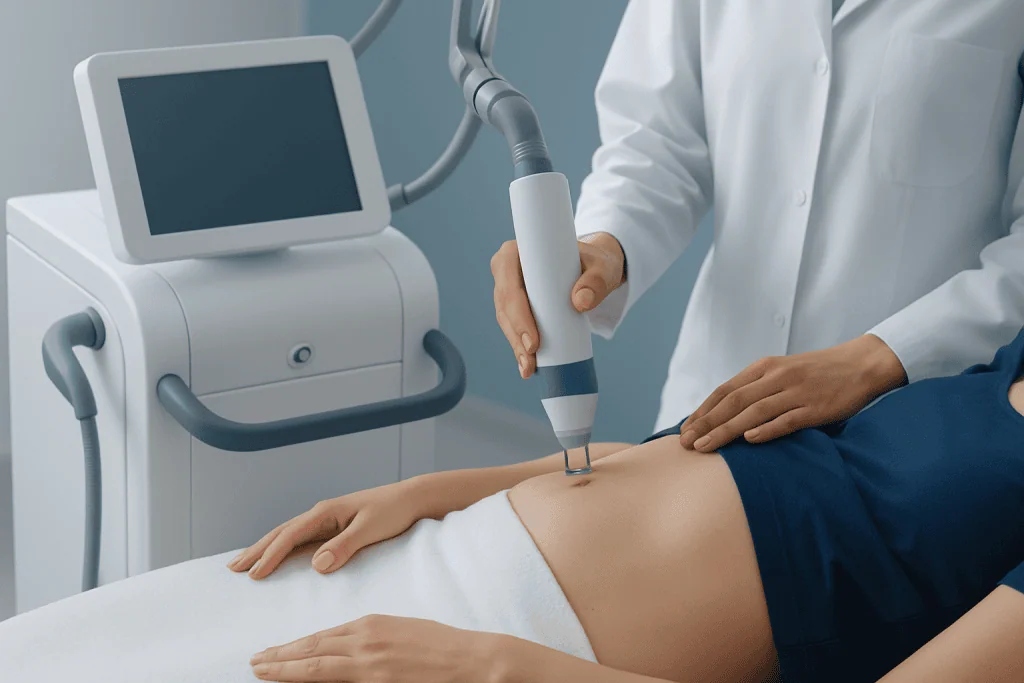
Stretch marks are a form of dermal scarring that happens when skin is stretched and influenced by hormonal signals at the same time. The collagen and elastin fibers that help skin stay firm and spring back can become disrupted. This creates streak-like lines that may feel slightly indented or different from surrounding skin.
They most often appear on the abdomen, breasts, hips, buttocks, thighs, upper arms, or lower back. During the early phase, stretch marks may look inflamed and can itch. Over months to years, they often flatten and fade. Even without treatment, this natural softening is common.
Common triggers include:
- Pregnancy
- Puberty and growth spurts
- Rapid weight gain or loss
- Intensive muscle building
- Long-term or high-dose corticosteroid use
- Conditions that increase cortisol or affect connective tissue
Although stretch marks are usually a cosmetic concern, sudden or extensive marks can sometimes point to an endocrine issue. That is why the pattern, timing, and associated symptoms matter.
Can stretch marks be removed completely?
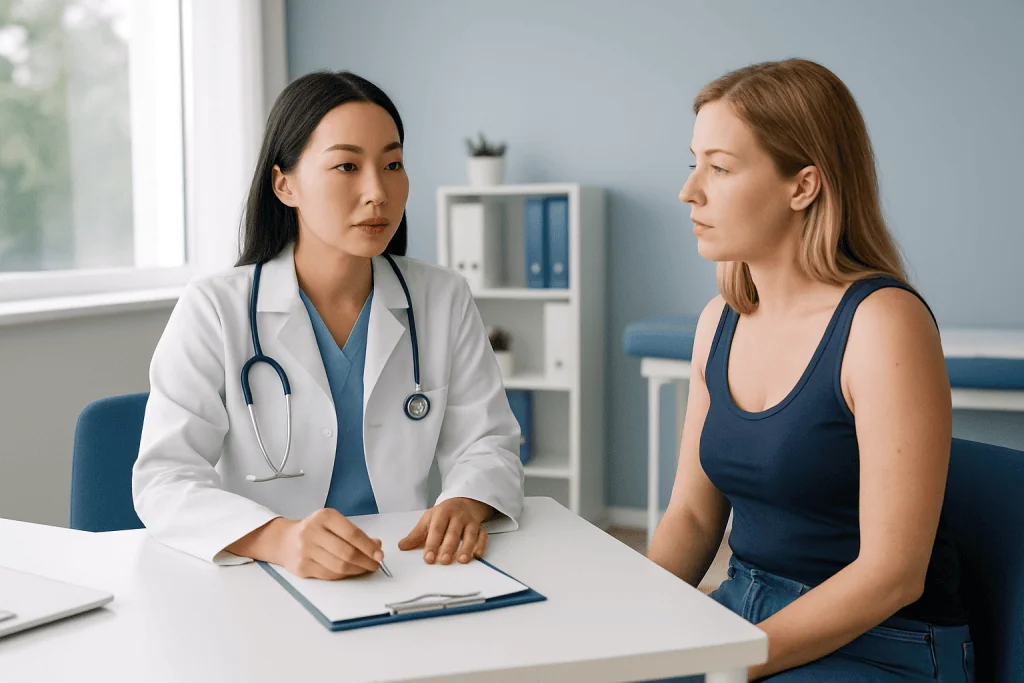
In most cases, no treatment can promise complete removal. This is important for setting realistic expectations. Stretch marks are changes in the deeper layer of the skin, so even successful treatment usually means softening, fading, or improving the surface rather than making the skin look exactly as it did before.
The amount of improvement depends on several factors: how old the marks are, their color, the person’s skin tone, the body area involved, and the treatment used. Early stretch marks often respond better because there is still active blood vessel and collagen change in the area. Older pale marks are typically more resistant.
Treatment goals usually include reducing redness or pigment contrast, smoothing texture, and stimulating collagen remodeling. Many people benefit from understanding that improvement is gradual and often requires several sessions or months of consistent care.
If a person is also concerned about other skin changes such as moles, persistent rashes, or unusual spots, it may be helpful to discuss broader skin evaluation with a dermatologist, including related conditions such as skin cancer when any lesion looks suspicious or does not heal as expected.
Which treatments may help fade stretch marks
Topical products are often tried first, but evidence is mixed. Moisturizers can reduce dryness and itching, and they may make skin look smoother, but they do not usually remove established stretch marks. Prescription retinoids may help some newer stretch marks by supporting collagen turnover, but they are not suitable during pregnancy or breastfeeding and should only be used under medical guidance.
Procedure-based treatments generally have stronger evidence than creams alone. Dermatologists may consider laser therapy, light-based treatment, radiofrequency, microneedling, or combinations of these approaches. These methods aim to stimulate collagen and improve texture and color contrast over time. For some patients, laser treatment may be discussed as part of a personalized plan, especially for persistent color changes.
Chemical peels and platelet-rich plasma are also used in some settings, but results can vary and the quality of evidence is not equally strong for all options. A clinician will weigh skin type, risk of irritation or pigment change, and the expected benefit before recommending a procedure. People with darker skin tones may need extra care in choosing settings and techniques to reduce the chance of post-inflammatory pigment changes.
Some patients explore broader skin-renewal options in addition to stretch mark care. In selected cases, treatments such as microneedling or other dermatologist-led skin resurfacing approaches may be considered, but they should be matched to the person’s skin type and goals rather than chosen from trends alone.
What doctors do first: medical review and diagnosis
Because stretch marks are usually harmless, diagnosis often begins with a simple clinical skin examination. A doctor will ask when the marks appeared, whether they followed pregnancy, puberty, weight change, bodybuilding, or medication use, and whether there are symptoms such as itching, weakness, easy bruising, acne, menstrual changes, or high blood pressure.
The appearance of the marks helps guide the discussion. Typical stretch marks are linear and occur in common body areas. A doctor may also look for signs of hormonal imbalance or other skin conditions that can mimic or accompany them. If the history suggests endocrine causes, blood tests or referral may be appropriate.
In some cases, stretch marks may appear alongside metabolic or hormone-related issues. If weight change, blood sugar problems, or other hormonal symptoms are present, a doctor may assess related concerns such as obesity or other endocrine conditions to understand the full picture.
Patch testing, biopsy, or imaging are not usually needed for ordinary stretch marks. The main role of medical assessment is to confirm the diagnosis, identify any red flags, and guide safe treatment choices based on pregnancy status, skin tone, and the likelihood of benefit.
When to seek medical care
Most stretch marks do not require urgent attention. However, medical review is sensible if they appear suddenly, become widespread without a clear reason, or develop together with symptoms that could suggest a hormone-related problem. Examples include easy bruising, muscle weakness, new high blood pressure, severe acne, irregular periods, or marked weight gain concentrated around the trunk.
A person should also seek care if the skin is painful, infected, or the diagnosis is uncertain. Stretch marks themselves are not cancerous, but not every line or skin change is a stretch mark. A dermatologist can help when marks look unusual, very dark, raised, scaly, or are associated with a persistent rash.
If treatment is being considered, professional advice is especially important during pregnancy, while breastfeeding, or for people with sensitive skin, eczema, or a history of pigment changes after inflammation. These factors affect which products or procedures are safest.
Self-care, prevention, and realistic expectations
There is no guaranteed way to prevent stretch marks, especially when genetics and hormones play a strong role. Even so, gradual weight change, balanced nutrition, skin hydration, and good general skin care may support overall skin health. During pregnancy, many people use moisturizers for comfort, although this does not reliably prevent stretch marks in everyone.
It helps to avoid products that make strong claims about complete removal. If someone chooses a cream or oil, it is reasonable to view it as supportive skin care rather than a cure. Gentle massage may improve comfort and body awareness, but it should not be expected to erase the marks.
Realistic expectations make treatment decisions easier. The goal is often improvement, not perfection. Photographs taken over time can help people notice gradual progress that is easy to miss in day-to-day life.
For those who want specialist guidance, multidisciplinary dermatology and plastic surgery teams at Acibadem International’s JCI-accredited hospitals diagnose and treat skin concerns for international patients. In carefully selected cases, related body-contouring procedures such as abdominoplasty may be discussed when loose abdominal skin is also a concern, although this is not a direct treatment for stretch marks themselves.
Frequently asked questions
How do you take off stretch marks completely?
Complete removal is usually not possible. Most treatments aim to fade the color, improve texture, and make stretch marks less noticeable rather than erase them entirely.
Do stretch marks go away on their own?
They often fade naturally over time. Early red or purple marks usually become lighter and flatter, although they may still remain visible.
What works better for stretch marks: creams or procedures?
Creams may help with dryness, itching, and mild early changes, but results are often limited. Procedures such as laser therapy or microneedling generally have stronger evidence for visible improvement, especially when guided by a specialist.
Are stretch marks a sign of a health problem?
Most are harmless and happen with growth, pregnancy, or weight change. A doctor should review them if they appear suddenly, are extensive, or occur with symptoms such as easy bruising, muscle weakness, or other signs of hormone imbalance.
Can pregnancy stretch marks be treated?
Yes, but the timing matters. Some treatments are avoided during pregnancy and breastfeeding, so it is safest to discuss options with a doctor after delivery or when breastfeeding plans are clear.
Do newer stretch marks respond better than older ones?
Yes, in many cases they do. Newer marks often have more active color and remodeling, so treatment may improve them more than older white or silvery stretch marks.
References
- American Academy of Dermatology
- National Health Service
- Mayo Clinic
- British Association of Dermatologists
- Merck Manual
This article is for general information only and is not a substitute for professional medical advice. Please consult a qualified doctor about your individual situation.
Explore treatments in Turkey — costs, top hospitals & a free quote
JCI-accredited · board-certified surgeons · reply within 24h
Add us as a Preferred Source to see more of our trusted health content across Google Search, AI Overviews and Discover.