How Joints and Inflammation Are Connected
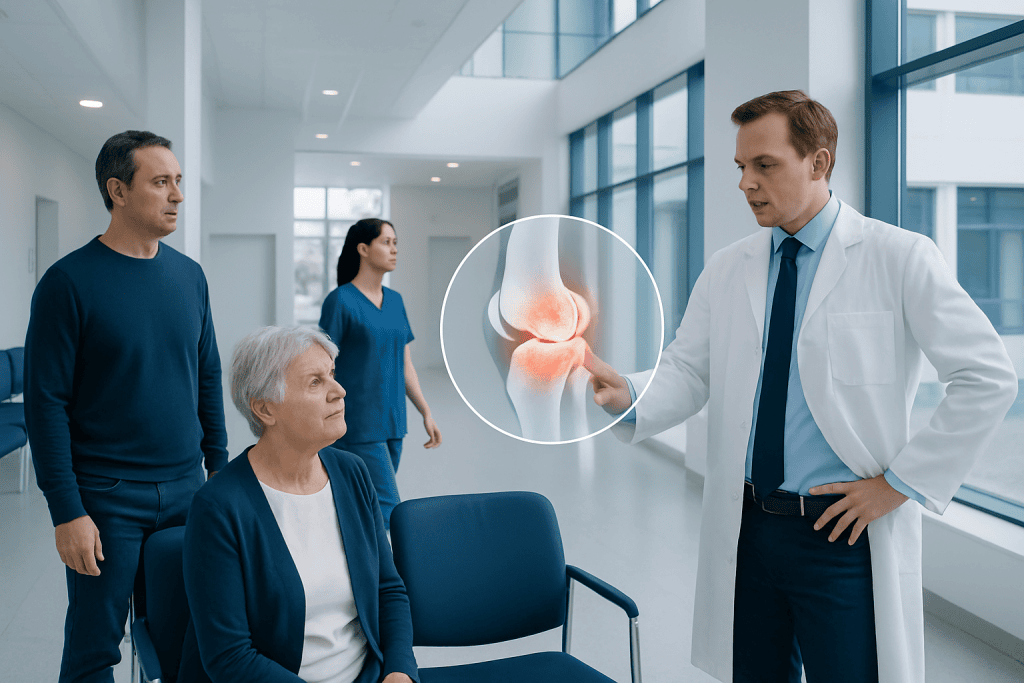
Inflammation can cause joint pain, warmth, swelling, stiffness and reduced movement. Arthritis is one cause of inflamed joints, but injuries, infections and crystal-related conditions can also be responsible.
Key Takeaways
- Inflammation can cause joint pain, warmth, swelling, stiffness and reduced movement.
- Arthritis is one cause of inflamed joints, but injuries, infections and crystal-related conditions can also be responsible.
- The pattern of symptoms, affected joints and associated signs help clinicians narrow down the cause.
- Early assessment is important for a hot, swollen joint, fever, inability to bear weight or symptoms that persist.
- Treatment depends on the underlying cause and may include activity changes, rehabilitation, medicines or targeted specialist care.
Joints and inflammation commonly occur together because inflammation is part of the body’s response to injury, infection, crystal deposits, or immune-system activity. While mild, short-lived symptoms may improve with simple measures, persistent or suddenly severe joint swelling should be assessed to identify the cause and protect joint function.
How joints and inflammation are connected
Joints and inflammation are closely connected because inflammation is a protective response that brings immune cells and fluid to an area of tissue stress or damage. In a joint, this response can affect the synovium, the thin lining that produces lubricating fluid, as well as nearby tendons, ligaments, cartilage and bone. The result may be pain, swelling, warmth, stiffness and difficulty using the joint normally.
Inflammation is not always harmful. It can be part of normal healing after a strain or minor injury. However, inflammation that is intense, recurrent or long-lasting may signal an underlying condition that needs medical attention. It can gradually interfere with sleep, mobility, work and everyday activities if it is not appropriately managed.
It is useful to distinguish inflammation from mechanical joint pain. Mechanical pain is often worse with activity and better with rest, while inflammatory pain may be associated with prolonged morning stiffness, swelling, warmth or symptoms that improve somewhat with gentle movement. These patterns overlap, so a healthcare professional is best placed to make an accurate diagnosis.
What inflamed joints can feel like
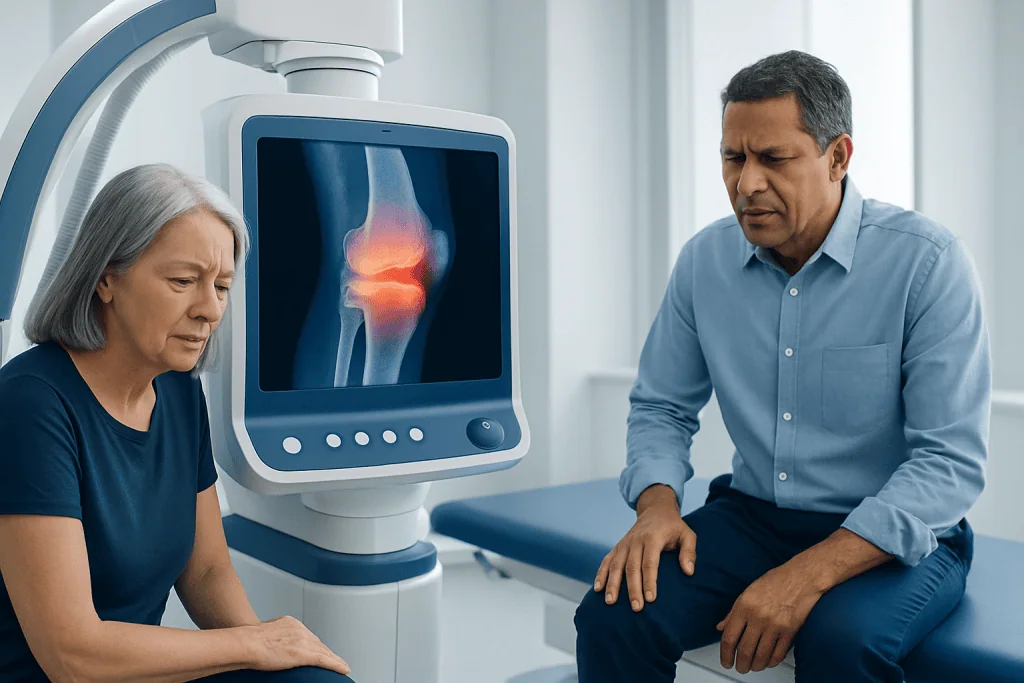
Joint inflammation may develop suddenly over hours or days, or build gradually over weeks or months. Symptoms can affect one joint, such as a knee or ankle, or several joints at the same time. The experience varies according to the cause, the joint involved and a person’s overall health.
Common features include aching or throbbing pain, visible swelling, warmth, tenderness and reduced range of motion. Stiffness after waking or after resting may be especially noticeable. Some people also describe fatigue, reduced energy or difficulty carrying out tasks that require gripping, walking, climbing stairs or reaching.
- Swelling or a feeling of fullness around a joint
- Warmth, redness or tenderness over the area
- Stiffness, particularly in the morning or after inactivity
- Pain with movement, weight-bearing or touch
- Clicking, instability or reduced ability to move the joint
- General symptoms such as fatigue, fever or rash in some conditions
Redness and heat do not always mean infection, but a rapidly developing hot, swollen and painful joint requires prompt assessment. This is particularly important when fever, chills or feeling unwell are also present.
Common causes and factors that increase risk

There are many possible causes of joint inflammation. An injury, repetitive strain or overuse can irritate joint structures and trigger temporary swelling. Osteoarthritis, often described as wear-related joint disease, can also cause episodes of inflammation, particularly after increased activity or when the joint is under stress.
Inflammatory arthritis occurs when the immune system contributes to inflammation in and around the joints. Examples include rheumatoid arthritis, psoriatic arthritis and arthritis linked with certain bowel or spinal inflammatory conditions. These conditions may involve multiple joints and can be associated with fatigue, skin changes, eye symptoms or back pain. Rheumatoid arthritis is one example in which early specialist assessment can help reduce the risk of ongoing joint damage.
Crystal-related conditions, including gout, may cause abrupt and very painful attacks when crystals collect in a joint. Infection within a joint, sometimes called septic arthritis, is less common but urgent because it can damage the joint quickly. Viral illnesses can occasionally cause temporary joint aches or swelling as well.
Risk factors depend on the cause. Previous injury, repetitive physical demands, older age, excess body weight, family history, smoking and some long-term health conditions can contribute. A recent infection, skin wound, joint procedure or weakened immune system may raise concern for joint infection and should be mentioned during medical assessment.
How clinicians assess joint inflammation
A clinician begins by asking when symptoms started, whether they appeared suddenly or gradually, which joints are involved and what makes them better or worse. They may ask about recent injury, illness, travel, tick exposure, medication use, family history and symptoms beyond the joints, such as fever, rash, eye redness, bowel changes or unexplained weight loss.
The physical examination usually includes checking for swelling, warmth, tenderness, redness and range of motion. The clinician may compare both sides of the body and assess muscles, tendons, skin, nails and walking pattern. This broader review can offer important clues about inflammatory, infectious or mechanical causes.
Tests are selected according to the clinical picture rather than used routinely for every person. Blood tests may look for signs of inflammation, infection or immune activity. X-rays, ultrasound or MRI can help assess bone, cartilage, soft tissue and fluid in or around a joint. If there is substantial fluid or concern for infection or crystals, a clinician may remove a small sample of joint fluid for laboratory testing.
Because no single test explains every type of joint pain, diagnosis often depends on combining the history, examination findings and carefully chosen investigations. Follow-up may be needed if symptoms evolve over time.
Treatment is guided by the underlying cause
The most effective treatment for joints and inflammation addresses the cause while helping the person stay as comfortable and mobile as possible. For a mild strain or temporary flare, relative rest from the aggravating activity, gentle movement within comfort, and cold or warm packs may be useful. Cold can be helpful for recent swelling, while warmth may ease stiffness for some people.
A clinician may recommend pain-relieving or anti-inflammatory medicines when appropriate, taking into account a person’s age, kidney function, stomach health, heart and vascular history, pregnancy status and other medicines. Anti-inflammatory medicines are not suitable for everyone, so it is important not to rely on them long term without professional guidance. In some situations, an injection or a short course of other prescribed treatment may be considered.
Physical therapy and structured exercise can improve strength, flexibility, balance and confidence with movement. This is often an important part of care after injury and in longer-term conditions. Physical therapy and rehabilitation can be tailored to the affected joint and the person’s daily activities.
Inflammatory arthritis may require disease-modifying treatment prescribed and monitored by a rheumatology specialist. Infection requires urgent medical treatment, and crystal-related attacks may need targeted medicines and preventive planning. Surgery is not needed for most cases, but may be discussed when structural damage, severe osteoarthritis or certain injuries significantly limit quality of life. Joint replacement surgery may be considered for selected people after careful evaluation.
Everyday steps that support joint health
Regular, joint-friendly movement is usually beneficial once serious injury and infection have been excluded. Walking, swimming, cycling, water exercise and strengthening activities can support muscles around the joints and may reduce stiffness. The best activity is one that is safe, enjoyable and adjusted to a person’s symptoms and physical condition.
It can help to pace activities during a flare: break demanding tasks into shorter periods, alternate heavier and lighter activities, and allow time for recovery. Supportive footwear, ergonomic work arrangements and appropriate technique during exercise or lifting may also reduce unnecessary joint stress. A physiotherapist can provide individualized advice when symptoms affect movement or work.
Maintaining a body weight that is healthy for the individual can reduce load on weight-bearing joints such as the hips, knees and feet. A balanced eating pattern that includes vegetables, fruits, whole grains, protein sources and healthy fats supports overall health, but no single food or supplement can reliably cure inflammatory joint disease. People considering supplements should discuss them with a healthcare professional, especially if they take prescribed medicines.
Keeping a brief symptom record can be useful. Note the joints affected, time of day, duration of stiffness, visible swelling, possible triggers and any symptoms elsewhere in the body. This information can make a medical appointment more productive.
When to seek medical care
Medical care should be sought promptly for a joint that becomes suddenly very painful, swollen, hot or red, especially when accompanied by fever, chills, feeling unwell or an inability to use the limb. These symptoms can occur with infection or other conditions that require timely diagnosis. Urgent assessment is also appropriate after a significant injury, deformity, numbness, loss of circulation or inability to bear weight.
A non-urgent appointment is advisable if joint pain, swelling or morning stiffness lasts more than a few weeks, keeps returning, affects several joints, interrupts sleep or limits everyday activities. New symptoms such as rash, eye inflammation, persistent fatigue or unexplained changes in weight should also be discussed with a clinician.
Early evaluation can clarify whether symptoms are related to injury, osteoarthritis, inflammatory arthritis or another condition. Acibadem International’s multidisciplinary specialists and JCI-accredited hospitals diagnose and treat joint conditions for international patients, with care planned around the individual’s clinical needs.
Frequently asked questions
What does inflammation in a joint mean?
Inflammation in a joint means that the joint lining or surrounding tissues are reacting to injury, irritation, infection, crystals or immune-system activity. It can cause pain, swelling, warmth, stiffness and limited movement. The underlying cause determines whether it is brief and self-limited or needs ongoing care.
Can joint inflammation go away on its own?
Mild inflammation after a minor strain or short period of overuse may settle with time, activity adjustment and simple supportive measures. However, recurrent, persistent or severe inflammation should be assessed because arthritis, gout, infection and other causes may need specific treatment. A hot swollen joint with fever needs prompt medical attention.
How can a person tell whether joint pain is inflammatory?
Inflammatory joint symptoms often include swelling, warmth and stiffness that is prominent after waking or inactivity. Symptoms may improve somewhat with gentle movement, although this is not a diagnostic rule. A healthcare professional can distinguish inflammatory pain from mechanical pain through an examination and, when needed, tests.
Does exercise make inflamed joints worse?
Appropriate movement generally helps maintain mobility and muscle strength, but the type and amount should match the person’s condition and current symptoms. High-impact or repetitive activity may aggravate some flares, while gentle range-of-motion and low-impact exercise may be better tolerated. It is sensible to seek professional advice when pain or swelling is significant.
Can diet reduce joint inflammation?
A balanced dietary pattern can support general health and weight management, which may reduce stress on some joints. There is no universal diet that cures all causes of joint inflammation. People with gout or other specific conditions may receive individualized dietary advice as part of their treatment plan.
Which doctor treats joint inflammation?
A primary care clinician can evaluate many new joint symptoms and arrange initial tests or referral. Rheumatologists specialize in inflammatory and autoimmune joint conditions, while orthopedists may be involved in injuries, structural problems and surgical options. Physiotherapists are also important in restoring safe movement and function.
References
- Arthritis Foundation
- American College of Rheumatology
- National Institute of Arthritis and Musculoskeletal and Skin Diseases
- Centers for Disease Control and Prevention
- National Health Service
This article is for general information only and is not a substitute for professional medical advice. Please consult a qualified doctor about your individual situation.
Joint and spine care in Turkey — expert assessment & treatment
JCI-accredited · board-certified surgeons · reply within 24h
Add us as a Preferred Source to see more of our trusted health content across Google Search, AI Overviews and Discover.