How Long Can Herpes Be Dormant? Here Is What the Evidence Says

HSV-1 and HSV-2 remain in the body for life after infection, usually in an inactive state within nerve cells. There is no fixed period for herpes dormancy; symptoms may never return, or they may recur after months or years.
Key Takeaways
- HSV-1 and HSV-2 remain in the body for life after infection, usually in an inactive state within nerve cells.
- There is no fixed period for herpes dormancy; symptoms may never return, or they may recur after months or years.
- A person can sometimes transmit HSV even when they have no visible sores because of asymptomatic viral shedding.
- A swab or PCR test from a fresh sore is the most useful way to confirm an active herpes infection.
- Antiviral medicines can shorten outbreaks and, when taken regularly, reduce recurrences and transmission risk.
Herpes simplex virus (HSV) can remain inactive in the body for years, decades, or lifelong after infection. During this time, many people have no symptoms, but the virus can occasionally reactivate or be passed on through asymptomatic shedding.
Overview: How Long Can Herpes Be Dormant?
Herpes can be dormant for years, decades, or lifelong. After a person acquires herpes simplex virus (HSV), the virus remains in the body, but many people have few symptoms or never notice an outbreak at all. A long symptom-free period is usually not harmful and does not mean the infection has become more severe.
HSV has two main types: HSV-1, which commonly causes oral herpes, and HSV-2, which more commonly causes genital herpes. Either type can affect the mouth or genital area. Once the initial infection settles, HSV travels to nearby nerve cells and becomes inactive, a state called latency.
It is not possible to predict exactly when or whether herpes will reactivate. Some people have recurrent sores within months, while others go many years without symptoms. Importantly, a new outbreak does not necessarily mean a recent infection or that a partner has been unfaithful; HSV may reactivate long after it was first acquired.
Medical review is important for eye symptoms, severe pain, difficulty passing urine, widespread sores, symptoms during pregnancy, or illness in someone with a weakened immune system. A clinician can assess symptoms, take a swab from a fresh lesion when present, and discuss testing and treatment options.
What Herpes Dormancy Means
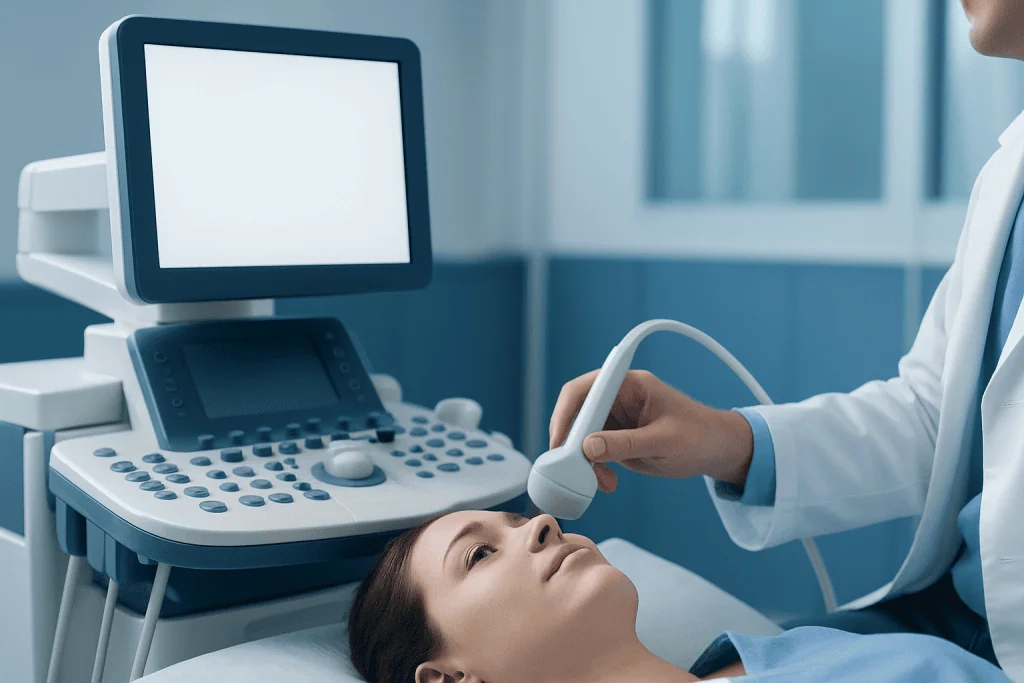
After entering the skin or mucous membranes, HSV reproduces locally and then moves along sensory nerves to a cluster of nerve cells called a ganglion. There it remains under the immune system’s control. The virus is not completely removed from the body, but it is usually inactive and causes no symptoms.
Dormancy is different from cure. Currently available antiviral medicines can control HSV activity, reduce the duration of outbreaks, and lower the chance of transmission, but they do not eliminate the virus from nerve cells. Research continues into prevention and long-term treatments.
During latency, a person typically feels well and has no visible skin changes. However, the virus can occasionally become active on the skin or mucosal surface without causing noticeable sores. This is known as asymptomatic shedding, and it explains why HSV can sometimes be transmitted when a person has no symptoms.
Because HSV can remain inactive for a long time, testing cannot usually determine when infection occurred. This uncertainty can be emotionally difficult, but it is a recognized feature of herpes infection rather than evidence about the timing or source of transmission.
Symptoms During Reactivation

When herpes reactivates, symptoms vary widely. Some people notice a tingling, itching, burning, or sensitive feeling in the affected area before any visible changes appear. This early phase, called a prodrome, may be followed by small fluid-filled blisters that break into shallow sores and then heal.
Oral HSV most often affects the lips, mouth, or nearby facial skin. Genital HSV can affect the vulva, vagina, cervix, penis, scrotum, buttocks, anus, or upper thighs. Symptoms may include soreness, itching, painful urination when urine touches sores, or tender groin lymph nodes. Not every genital sore is herpes, so professional assessment is useful.
The first recognized outbreak can be more uncomfortable and last longer than later episodes, although some people have a very mild first episode or no recognizable symptoms. Repeat outbreaks are often shorter and less severe because the immune system has already developed a response to the virus.
For many people, recurrences become less frequent over time. HSV-2 genital infection tends to recur more often than genital HSV-1 infection, but individual patterns differ. A clinician can help distinguish herpes from other causes of blisters, irritation, ulcers, or genital pain.
Why Herpes May Reactivate After a Long Time
Herpes reactivation can occur without an obvious trigger. When people do identify a pattern, possible contributing factors include another infection with fever, physical stress, emotional stress, lack of sleep, skin irritation, sun exposure for oral herpes, hormonal changes, or immune suppression. Triggers are not the same for everyone.
Having a recurrence does not mean someone has done anything wrong or has poor hygiene. It also does not automatically mean their immune system is weak. HSV is common, and the virus can reactivate even in otherwise healthy people.
People who take medicines that suppress the immune system, have advanced untreated HIV infection, or have certain serious medical conditions may experience more frequent, prolonged, or widespread outbreaks. They should discuss any suspected herpes symptoms promptly with their healthcare team.
Keeping a simple record of symptoms can sometimes help identify personal patterns. Recording the date, location, early sensations, visible changes, recent illnesses, stress, menstrual timing, and possible exposures may also help a clinician decide whether episodic or daily antiviral treatment would be useful.
How Doctors Diagnose Herpes
A doctor usually begins by asking about the symptoms, their timing, previous episodes, sexual health, medicines, pregnancy status where relevant, and medical history. They will examine the affected skin or mucosal area. If a new blister, sore, or crust is present, a sample can be taken directly from it.
A nucleic acid amplification test, often called a PCR test, from a lesion is generally the most sensitive test for confirming HSV and identifying whether it is HSV-1 or HSV-2. Viral culture may also be used, although it becomes less sensitive as sores heal. For the most accurate result, testing is best performed as early as possible after a lesion appears.
Blood tests look for antibodies to HSV. They can show that a person has been exposed to HSV in the past, but they cannot reliably identify when infection happened, whether a current symptom is caused by HSV, or where on the body the infection is located. False-positive results can occur, especially in people with a low likelihood of infection, so results should be interpreted with a clinician.
Routine blood screening for herpes in people without symptoms is not recommended in many settings because of these limitations. When sores are absent, a clinician will consider a person’s circumstances, concerns, and potential benefits and drawbacks before recommending type-specific antibody testing.
Treatment, Prevention, and Everyday Self-Care
There is no cure that removes HSV from the body, but treatment can be effective in managing it. Prescription antiviral medicines may be used for a first outbreak, for occasional outbreaks started early, or as daily suppressive treatment for people who have frequent recurrences or want to reduce the risk of transmission to partners. A clinician can recommend the most appropriate approach.
During an outbreak, keeping the area clean and dry, wearing loose clothing, and avoiding picking or touching sores can improve comfort and reduce spread to other body areas. Hands should be washed thoroughly after touching the affected area. People with oral herpes should avoid kissing, oral sex, and sharing items that contact the mouth while sores or warning tingling are present.
For genital herpes, avoiding vaginal, anal, and oral sex during symptoms or prodromal tingling lowers transmission risk. Condoms and dental dams can reduce, but cannot completely eliminate, the risk because HSV may affect skin not covered by a barrier. Honest discussion with current or future partners supports shared decisions about prevention and testing.
Daily antiviral treatment can further reduce outbreaks and the risk of passing genital HSV to a partner, but it does not make transmission impossible. People should not use over-the-counter creams or home remedies as a substitute for medical assessment when symptoms are new, severe, or uncertain.
When to Seek Medical Care
Prompt medical care is recommended for a first episode of painful blisters or sores, especially around the genitals or mouth, because early testing can clarify the cause and early antiviral treatment may help. A person should also arrange an appointment if sores are recurrent, unusually painful, slow to heal, or affecting daily activities or emotional wellbeing.
Urgent assessment is needed for a painful red eye, light sensitivity, blurred vision, or sores near the eye, as HSV can affect the cornea and requires prompt specialist care. Urgent care is also appropriate for inability to urinate, severe headache with fever or neck stiffness, confusion, extensive rash, or signs of dehydration.
Pregnant people with a history of genital herpes, new genital sores, or a partner with herpes should tell their obstetric clinician. Careful planning can reduce the chance of newborn exposure around delivery. Newborns with fever, poor feeding, unusual sleepiness, seizures, or a blistering rash need emergency medical assessment.
Acibadem International’s multidisciplinary specialists and JCI-accredited hospitals can assess and treat herpes-related concerns for international patients. For anyone uncertain about symptoms or test results, a qualified doctor can provide confidential, individualized guidance.
Frequently asked questions
Can herpes be dormant for 20 years?
Yes. HSV can remain inactive for 20 years or longer, and some people never have a recognized recurrence after the initial infection. However, it is not possible to use a symptom-free period or a test result to determine exactly when the virus was acquired.
Can herpes spread when it is dormant?
It can sometimes spread when there are no visible sores because HSV may be shed from the skin or mucosal surface without symptoms. The risk is generally higher during an outbreak or warning tingling, but it is not completely absent at other times. Barriers, avoiding sex during symptoms, and antiviral treatment can lower risk.
Does a herpes outbreak mean a new infection?
No. An outbreak can be a reactivation of an infection acquired months or years earlier. HSV may remain dormant for a long period, so a recurrence alone cannot show when infection happened or who transmitted it.
Can a blood test tell how long herpes has been dormant?
No. HSV antibody blood tests may indicate previous exposure to a type of HSV, but they cannot reliably tell when infection occurred or how long it has been inactive. Testing a fresh sore with PCR is more useful for confirming the cause of an active lesion.
What can trigger herpes after years without symptoms?
A recurrence may happen without a clear cause. Possible triggers include illness, stress, tiredness, skin irritation, sun exposure for oral herpes, hormonal changes, and immune suppression. Identifying a trigger is not always possible or necessary.
Will herpes outbreaks become less frequent over time?
For many people, outbreaks become less frequent and milder over time, although patterns vary. Genital HSV-2 usually recurs more often than genital HSV-1. A clinician may recommend episodic or daily antiviral treatment if outbreaks are frequent or distressing.
This article is for general information only and is not a substitute for professional medical advice. Please consult a qualified doctor about your individual situation.
Explore treatments in Turkey — costs, top hospitals & a free quote
JCI-accredited · board-certified surgeons · reply within 24h
Add us as a Preferred Source to see more of our trusted health content across Google Search, AI Overviews and Discover.

More from the Health Library

Kumara vs Potato: Key Differences and How Doctors Tell Them Apart
My Head Feels Heavy and Pressure But No Pain: Possible Causes and When to Seek Care

What Happens When You Stop Taking Creatine? Causes, Explanations, and Next Steps
Gonorrhea Symptoms: Common Causes, Related Conditions, and When to See a Doctor
Heat Exhaustion Symptoms Explained: Common Triggers and Red Flags