My Head Feels Heavy and Pressure But No Pain: Possible Causes and When to Seek Care

Head heaviness without pain is a symptom rather than a diagnosis and can have several possible causes. Neck and jaw muscle tension, stress, poor sleep, dehydration, and prolonged screen use are common contributors.
Key Takeaways
- Head heaviness without pain is a symptom rather than a diagnosis and can have several possible causes.
- Neck and jaw muscle tension, stress, poor sleep, dehydration, and prolonged screen use are common contributors.
- Nasal, sinus, or ear-related congestion may create a feeling of fullness or pressure even without a headache.
- Sudden symptoms, neurological changes, severe dizziness, chest symptoms, fever, or symptoms after a head injury require prompt medical attention.
- Keeping a symptom record can help a clinician identify patterns and decide whether tests or specialist assessment are needed.
A heavy or pressured feeling in the head without pain is commonly related to muscle tension, tiredness, stress, dehydration, sinus or ear pressure, and changes in sleep or routine. Although it is often not serious, persistent, worsening, or sudden symptoms should be assessed by a qualified healthcare professional.
What Does It Mean If My Head Feels Heavy and Pressure But No Pain?
If a person feels that their head is heavy or under pressure but does not have pain, the sensation is often related to everyday factors such as stress, tiredness, dehydration, prolonged sitting, eye strain, or tight muscles in the neck, scalp, shoulders, or jaw. It may feel like fullness, tightness, fogginess, a weighted sensation, or a band-like pressure rather than a typical headache.
The symptom can also occur with nasal congestion, allergies, ear pressure, poor-quality sleep, anxiety, medication effects, or balance-related conditions. A heavy head feeling does not by itself identify the cause, so it is helpful to consider when it began, whether it comes and goes, and whether it occurs with dizziness, blocked ears, visual changes, nausea, neck discomfort, or other symptoms.
Most cases are not caused by an emergency. However, a new, intense, persistent, or changing pressure sensation deserves medical assessment, especially when it affects daily activities or is accompanied by neurological symptoms. A clinician can review the person’s history, examine them, and recommend appropriate tests only when needed.
How the Sensation May Feel
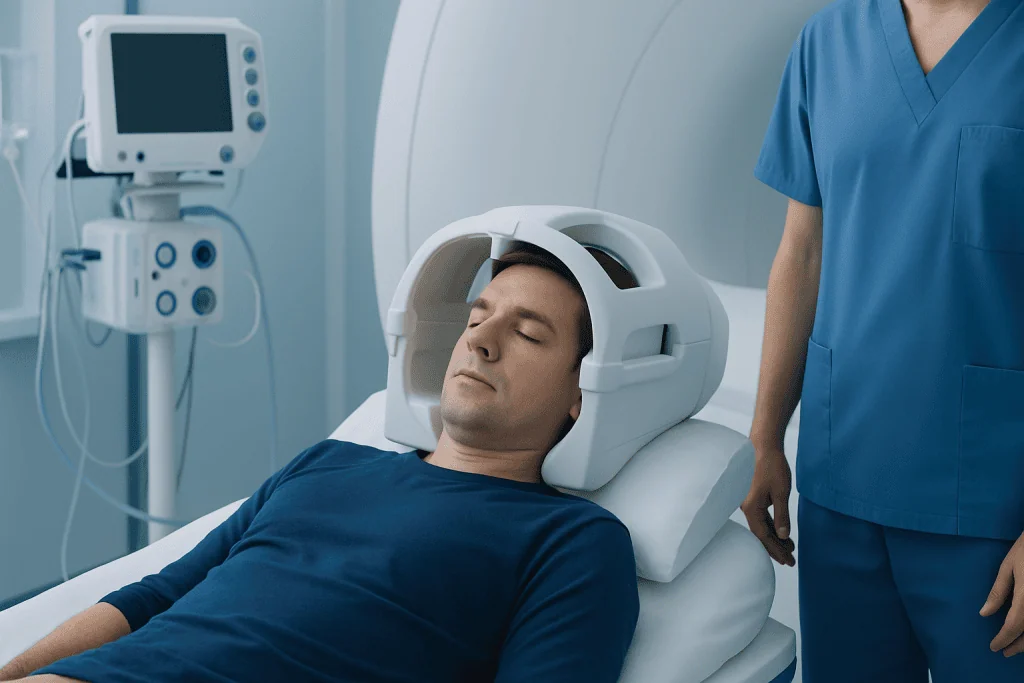
People describe head pressure in different ways. Some feel as though their head is full, heavy, cloudy, or difficult to hold up. Others notice pressure behind the eyes, across the forehead, around the temples, at the back of the head, or deep inside the ears. The sensation may be mild and intermittent, or more noticeable during work, travel, exercise, or periods of stress.
Associated symptoms can provide useful clues. Neck stiffness or shoulder tightness may suggest a muscle-related contributor, while sneezing, a blocked nose, facial fullness, or reduced smell may point toward nasal or sinus inflammation. Ear popping, muffled hearing, or symptoms during flights and altitude changes may indicate pressure differences affecting the ears.
A heavy feeling in the head is not always a headache. Headaches are usually defined by pain, although tension-type headache can sometimes be perceived mainly as pressure or tightness. If pain develops, becomes frequent, or changes in character, it is important to mention this during a medical review.
Common Possible Causes

Muscle tension is one of the most frequent explanations. Long periods of computer work, looking down at a phone, poor posture, clenching the jaw, or sleeping in an awkward position can strain the neck and upper shoulder muscles. This may create a sensation of pressure or heaviness that is most noticeable later in the day or after sustained activity.
Stress, anxiety, and inadequate sleep can increase muscle tightness and make normal bodily sensations feel more prominent. They can also contribute to fatigue, reduced concentration, and a “foggy” or weighted feeling. These symptoms are real and common, but they should not automatically be attributed to stress without considering other possible causes.
Dehydration, missed meals, excess caffeine, alcohol, and changes in daily routine may also contribute. Blood sugar fluctuations, especially after long gaps between meals, can leave a person feeling lightheaded, tired, shaky, or mentally slowed. People who have diabetes, take glucose-lowering medication, or have recurrent symptoms should discuss these patterns with their clinician.
Nasal allergies, viral upper respiratory infections, and non-infectious congestion may cause facial or head fullness. Inflammation near the nasal passages can affect pressure regulation and create a blocked sensation, sometimes without significant facial pain. Symptoms of an active sinus infection are more likely to include persistent nasal discharge, reduced smell, fever, or facial tenderness, but these are not present in every case.
Other Factors a Clinician May Consider
Ear-related conditions can produce head pressure, fullness, dizziness, or imbalance. For example, temporary dysfunction of the tube that helps equalize pressure between the middle ear and the back of the nose may occur during colds, allergies, or air travel. Hearing changes, ear pain, ringing, or spinning sensations should be reported, as they can help guide an ear, nose, and throat assessment.
Vision problems and prolonged close-up work may lead to eye strain, forehead pressure, and fatigue. A person may notice symptoms after reading, driving, or screen use, particularly if they need an updated glasses prescription. Dry eyes and insufficient breaks from screens can also add to discomfort.
Some medicines and substances can contribute to fatigue, dizziness, or a heavy-headed feeling. These may include sedating allergy medicines, sleep medications, some antidepressants, blood pressure medicines, alcohol, and recreational substances. A person should not stop prescribed medication suddenly, but should ask a clinician or pharmacist whether symptoms could be related to a new medicine or a recent change.
Less commonly, head pressure may be associated with migraine-related symptoms, blood pressure concerns, hormonal changes, anemia, thyroid disorders, infections, or neurological conditions. These possibilities are usually considered in the context of a person’s medical history, examination findings, age, symptom pattern, and accompanying signs rather than based on pressure alone.
How Head Pressure Is Evaluated
A healthcare professional will usually begin by asking about the onset, location, duration, severity, and triggers of the symptom. They may ask whether the sensation occurs in the morning, after work, during travel, around menstruation, or following illness. Questions about sleep, stress, hydration, diet, screen use, allergies, medication, and recent infections are also useful.
The examination may include checking blood pressure, temperature, vision, ear and nasal passages, neck movement, balance, and neurological function. Depending on the findings, a clinician may recommend blood tests, a hearing assessment, an eye examination, or referral to an appropriate specialist. Imaging such as CT or MRI is not routinely necessary for uncomplicated pressure symptoms, but may be appropriate when warning signs or unusual examination findings are present.
A symptom diary can make the assessment more productive. It may include the time symptoms start, their duration, sleep quality, meals, fluid intake, caffeine or alcohol use, menstrual timing where relevant, recent illness, activity, stress level, and associated symptoms. This information can reveal triggers that are otherwise easy to miss.
Safe Self-Care Measures While Monitoring Symptoms
For mild symptoms without warning signs, simple measures may help. Drinking fluids regularly, eating balanced meals at consistent intervals, and maintaining a regular sleep schedule can support energy levels and reduce common triggers. It may also help to limit alcohol, avoid excessive caffeine, and take short movement breaks during long periods of sitting.
Attention to posture may be useful when neck tension is present. Adjusting the screen to eye level, supporting the lower back, relaxing the shoulders, and changing position regularly can reduce strain. Gentle neck and shoulder movements may be appropriate for many people, but anyone with recent injury, severe neck pain, numbness, or weakness should seek medical advice before beginning exercises.
People with congestion may find that avoiding known allergy triggers, using saline nasal rinses appropriately, and maintaining good hydration helps relieve a blocked sensation. Over-the-counter medicines are not suitable for everyone, particularly people with high blood pressure, heart disease, glaucoma, pregnancy, or certain medication interactions. A pharmacist or doctor can advise on safe options.
Rest, stress-management techniques, and regular physical activity can also be beneficial over time. If symptoms persist despite these measures, recur often, or interfere with work, sleep, driving, or quality of life, professional assessment is the safest next step.
When to Seek Medical Care
A person should arrange a non-urgent medical appointment if head heaviness or pressure lasts more than a few days, returns frequently, becomes more noticeable, or is accompanied by persistent fatigue, dizziness, hearing changes, nasal symptoms, visual strain, neck problems, or sleep difficulties. Assessment is also appropriate when symptoms begin after starting a medicine or when there is concern about blood pressure, anemia, thyroid health, or another underlying condition.
Urgent medical care is needed if the pressure begins suddenly and severely, follows a head injury, or occurs with weakness, numbness, facial drooping, trouble speaking, confusion, fainting, seizures, severe unsteadiness, new double vision, or loss of vision. These symptoms may indicate a condition requiring prompt evaluation.
Prompt assessment is also important when head pressure occurs with fever and a stiff neck, repeated vomiting, severe shortness of breath, chest pain, or a marked change in mental alertness. Children, older adults, people who are pregnant, and people with significant medical conditions may need earlier advice depending on the overall situation.
Acibadem International’s multidisciplinary specialists and JCI-accredited hospitals can assess persistent neurological, ear, nose, throat, vision, and general health symptoms for international patients. The appropriate care plan depends on the person’s symptoms, examination, and medical history.
Frequently asked questions
Can stress make the head feel heavy without causing pain?
Yes. Stress can tighten muscles in the jaw, neck, scalp, and shoulders, which may create a feeling of pressure or heaviness. Stress can also affect sleep and concentration, making the sensation more noticeable. Persistent symptoms should still be discussed with a healthcare professional.
Can dehydration cause pressure in the head without pain?
Yes, inadequate fluid intake can contribute to fatigue, lightheadedness, reduced concentration, and a heavy-headed feeling. Symptoms may be more likely in hot weather, after exercise, during illness, or when meals and fluids have been missed. Regular hydration is helpful, but ongoing symptoms need medical review.
Is head pressure without pain a sign of high blood pressure?
High blood pressure usually does not cause noticeable symptoms, including head pressure, unless it is severely elevated or associated with another problem. It cannot be diagnosed based on symptoms alone. Blood pressure should be measured accurately by a healthcare professional or validated home monitor.
Can sinus problems cause head pressure without a headache?
They can. Allergies, colds, and nasal congestion may produce facial fullness or pressure even when there is no significant pain. If symptoms are prolonged, include fever or worsening facial tenderness, or occur repeatedly, medical advice is appropriate.
When is a heavy feeling in the head an emergency?
Emergency assessment is needed for sudden severe symptoms or when head pressure comes with weakness, numbness, difficulty speaking, confusion, fainting, seizures, severe balance problems, or vision loss. It is also important to seek urgent care after a head injury or with fever and a stiff neck. When in doubt, urgent medical advice is the safest option.
Should a person have a brain scan for head pressure without pain?
Not necessarily. Many people with uncomplicated head pressure do not need imaging, particularly when the examination is normal and there are no warning signs. A clinician decides whether a scan is useful based on the symptom pattern, medical history, neurological examination, and any concerning accompanying symptoms.
This article is for general information only and is not a substitute for professional medical advice. Please consult a qualified doctor about your individual situation.
Hair transplant in Turkey — costs, graft counts & a free assessment
JCI-accredited · board-certified surgeons · reply within 24h
Add us as a Preferred Source to see more of our trusted health content across Google Search, AI Overviews and Discover.
Check your numbers in seconds
BMI, calories, due date, blood pressure and 30+ more clinical calculators — free, instant, doctor-reviewed ranges.

More from the Health Library

Body Aches: Common Causes, Related Conditions, and When to See a Doctor

Can Wisdom Teeth Grow Back? A Doctor-Reviewed Answer
Is the Heart a Muscle? A Doctor-Reviewed Answer

How Can I Grow Fat? A Doctor-Reviewed Answer

Stool Softener vs Laxative: Key Differences and How Doctors Tell Them Apart