How Long Does Chemo Diarrhea Last: How It Works, Results and What to Expect

Chemo diarrhea may last from a short episode of a few days to longer periods depending on the medication, dose, treatment schedule, and individual health. Diarrhea during chemotherapy should be reported promptly, even when it seems mild, because dehydration and infection can develop quickly.
Key Takeaways
- Chemo diarrhea may last from a short episode of a few days to longer periods depending on the medication, dose, treatment schedule, and individual health.
- Diarrhea during chemotherapy should be reported promptly, even when it seems mild, because dehydration and infection can develop quickly.
- The oncology team may recommend fluids, dietary changes, stool testing, medication adjustments, or anti-diarrheal treatment based on the cause.
- Fever, severe abdominal pain, blood in stool, dizziness, inability to drink, or frequent watery stools require urgent medical assessment.
- Patients should not start over-the-counter anti-diarrheal medicines without checking with their cancer care team.
Chemotherapy-related diarrhea often starts during treatment or shortly afterward and may settle within a few days, although some medicines can cause symptoms that last longer or recur with each cycle. Because diarrhea can lead to dehydration, infection-related complications, and treatment delays, patients should report it to their oncology team early.
How long does chemo diarrhea last?
How long does chemo diarrhea last? For many people, it improves within a few days after a chemotherapy dose, especially once the digestive tract begins to recover. However, the timing is not the same for everyone: some chemotherapy medicines cause diarrhea soon after infusion, while others cause delayed diarrhea that can begin several days later and may continue for a week or more.
The length and severity depend on the specific cancer medicine, whether treatments are combined, the treatment cycle, previous bowel conditions, diet, infections, and other medicines such as antibiotics. Diarrhea that returns with each treatment cycle may need a proactive plan from the oncology team rather than being managed at home alone.
It is important to tell the cancer care team about any new or worsening diarrhea. They can help determine whether it is a treatment effect or a sign of infection, inflammation, medication interaction, or another problem that needs different care.
How chemotherapy-related diarrhea works
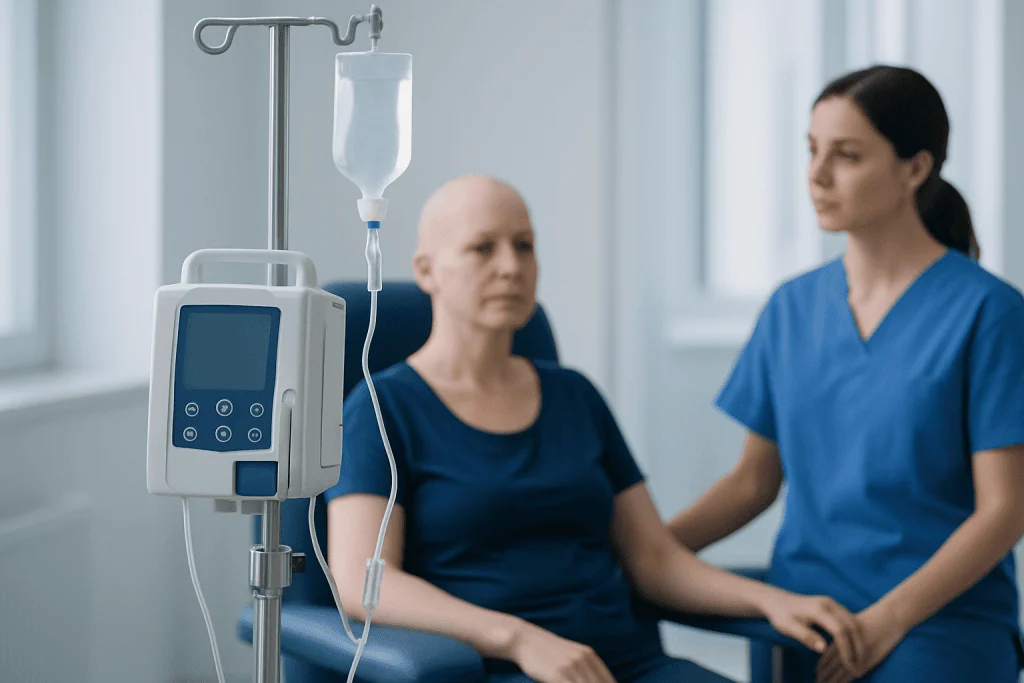
Chemotherapy is designed to damage or slow the growth of rapidly dividing cancer cells. Some healthy cells also divide quickly, including the cells lining the mouth and intestines. When the intestinal lining is irritated or injured, it may absorb less water and nutrients and move stool through the bowel more rapidly. This can lead to loose or watery bowel movements, cramping, urgency, and fluid loss.
Certain chemotherapy medicines are more likely than others to affect the bowel. Targeted therapies, immunotherapy, radiation to the abdomen or pelvis, surgery, and stem cell treatment can also cause diarrhea or contribute to it. Symptoms should therefore be assessed in the context of the person’s complete treatment plan.
Diarrhea is not always directly caused by cancer treatment. People receiving chemotherapy can be more vulnerable to infections, including intestinal infections, especially if their white blood cell count is low. The oncology team may ask about recent antibiotics, sick contacts, food intake, travel, and other symptoms to identify the likely cause.
Who may be more likely to develop chemo diarrhea?

Anyone receiving chemotherapy can develop diarrhea, but the chance may be higher with medicines known to affect the gastrointestinal tract, combination regimens, or treatment plans that include abdominal or pelvic radiation. People who have had bowel surgery, inflammatory bowel disease, pancreatic conditions, or a history of chronic diarrhea may also need closer monitoring.
Older adults, people with kidney disease, diabetes, or limited ability to drink fluids may become dehydrated more quickly. Nutritional status matters as well, since poor appetite, nausea, mouth sores, or vomiting can make it harder to replace fluids and electrolytes lost through diarrhea.
Before treatment begins, patients can ask their oncology team whether diarrhea is expected with their regimen and what number of loose stools should trigger a call. Having a written symptom plan, a thermometer, and suitable oral rehydration options available can make early management easier.
What does chemo diarrhea look like?
What does chemo diarrhea look like? It commonly involves stools that are looser, softer, or more watery than usual and occur more often than a person’s normal bowel pattern. Some people experience sudden urgency, bowel cramping, bloating, gas, or leakage because they cannot reach a toilet in time.
The appearance can vary. Stool may be brown and watery, contain undigested food, or have mucus. However, black stools, red blood, maroon-colored stool, or severe persistent abdominal pain are not symptoms to manage independently and should be reported urgently. Stool changes accompanied by fever or chills may indicate infection and need prompt assessment.
Keeping a simple record can help the clinical team: note the number of stools in 24 hours, their consistency, when symptoms began in relation to treatment, fluid intake, urine output, temperature, abdominal pain, and any vomiting. This information helps guide safe next steps.
How to get rid of chemo diarrhea?
How to get rid of chemo diarrhea? The safest approach is to contact the oncology team early so they can recommend care tailored to the treatment and symptoms. They may advise an anti-diarrheal medicine, changes in other medicines, laboratory testing, stool tests, intravenous fluids, or treatment for an infection. Patients should not take an over-the-counter anti-diarrheal product unless their cancer team confirms it is appropriate.
While waiting for advice, small frequent sips of water, clear soups, oral rehydration solutions, and other approved fluids can help replace losses. If tolerated, bland, lower-fiber foods such as rice, bananas, applesauce, toast, potatoes, plain pasta, and lean protein may be easier on the bowel. Eating small meals can be more comfortable than large portions.
Temporary avoidance of alcohol, caffeine, greasy or spicy foods, high-fiber foods, and dairy products may help some people, particularly if these worsen symptoms. Good hand hygiene and careful food safety are also important during chemotherapy. The care team may provide individualized dietary guidance, particularly for people with diabetes, kidney disease, or nutritional concerns.
- Drink regularly and monitor for dark urine, reduced urination, dry mouth, or light-headedness.
- Use a gentle, fragrance-free cleansing routine and barrier cream if frequent stools irritate the skin.
- Keep all prescribed medicines available and follow the oncology team’s instructions exactly.
- Do not stop chemotherapy or change treatment appointments without speaking with the treating team.
When does chemo diarrhea stop?
When does chemo diarrhea stop? Mild treatment-related diarrhea often settles as the bowel lining repairs itself, commonly within several days after the medicine is given. For some regimens, symptoms have a predictable delayed pattern and may improve before the next cycle. In other cases, diarrhea can persist, recur, or worsen without treatment.
It may take longer to resolve if the diarrhea is caused by an infection, severe intestinal irritation, a combination of treatments, or an underlying digestive disorder. The oncology team may delay or modify treatment when symptoms are significant, but this decision is individualized and balances symptom safety with cancer care goals.
Patients should not wait for symptoms to “run their course” if stools are frequent, watery, or increasing. Early treatment can prevent dehydration and may reduce the risk of emergency care or interruptions to the planned cancer treatment schedule.
What are good signs that chemo is working?
What are good signs that chemo is working? Improvement in cancer-related symptoms can sometimes be encouraging, such as less pain, reduced pressure from a tumor, better breathing, or improved appetite and energy. However, symptoms alone cannot reliably show whether chemotherapy is shrinking or controlling cancer. Side effects, including diarrhea, do not prove that treatment is working.
Oncology teams evaluate response using the cancer type and treatment goals. This may include physical examinations, blood tests, tumor markers when appropriate, imaging scans, and sometimes biopsies. Results are usually compared with measurements taken before treatment or earlier in the treatment course.
People should share both improvements and new symptoms with their team. A clear discussion about when response assessments are planned can help patients understand what to expect and avoid drawing conclusions from side effects alone.
When to seek medical care
Patients should contact their oncology team the same day for diarrhea that is new, persistent, worsening, or more frequent than their usual bowel pattern. They should also call if diarrhea prevents normal drinking or eating, occurs with vomiting, or does not improve with the plan already provided by the clinical team.
Urgent medical care is needed for fever, chills, severe or increasing abdominal pain, confusion, fainting, marked weakness, little or no urine, blood in the stool, black stool, or an inability to keep fluids down. These signs can indicate dehydration, bleeding, infection, or bowel inflammation and should be assessed without delay.
At Acibadem International, multidisciplinary specialists in JCI-accredited hospitals support international patients receiving cancer treatment and help assess treatment-related symptoms such as diarrhea. Ongoing communication with the treating oncologist remains essential for safe, individualized care.
Frequently asked questions
Can chemotherapy diarrhea start days after treatment?
Yes. Some cancer medicines can cause delayed diarrhea that begins several days after a treatment session rather than immediately. Patients should follow the symptom instructions given for their specific regimen and report new diarrhea promptly.
Should a person stop eating if they have chemo diarrhea?
Usually, complete fasting is not necessary and may make weakness or dehydration worse. Small amounts of bland, easy-to-tolerate food and regular fluids are often preferred, but the oncology team may give different advice based on the person’s condition.
Can dehydration happen quickly with chemotherapy diarrhea?
Yes, frequent watery stools can cause fluid and electrolyte loss, particularly when nausea, vomiting, fever, or poor intake are also present. Dark urine, reduced urination, dizziness, dry mouth, and unusual weakness are warning signs that require medical advice.
Is diarrhea a sign that chemotherapy is working?
No. Diarrhea is a possible treatment side effect, but it does not indicate whether chemotherapy is effective against cancer. Treatment response is assessed through clinical review, tests, and imaging when appropriate.
Can probiotics help with chemo diarrhea?
Probiotics are not suitable for every person receiving chemotherapy, especially people with weakened immune systems or central venous catheters. A patient should ask their oncologist before using probiotics, supplements, or herbal products.
What if diarrhea continues between chemotherapy cycles?
Diarrhea that continues between cycles should be reported to the oncology team, even if it seems manageable. Persistent symptoms may need evaluation for infection, medication effects, inflammation, nutritional issues, or another digestive condition.
References
- National Cancer Institute
- American Cancer Society
- American Society of Clinical Oncology
- Cancer Research UK
- National Comprehensive Cancer Network
This article is for general information only and is not a substitute for professional medical advice. Please consult a qualified doctor about your individual situation.
Persistent digestive symptoms? Get evaluated in Turkey
JCI-accredited · board-certified surgeons · reply within 24h
Add us as a Preferred Source to see more of our trusted health content across Google Search, AI Overviews and Discover.