How Long Does It Take to Digest Food? A Doctor-Reviewed Answer

Most food passes through the digestive system in about 1 to 3 days. The stomach usually empties within several hours, but a full digestive journey takes much longer.
Key Takeaways
- Most food passes through the digestive system in about 1 to 3 days.
- The stomach usually empties within several hours, but a full digestive journey takes much longer.
- Fatty, high-fiber, and large meals usually digest more slowly than lighter meals.
- Occasional slow digestion is often harmless, but ongoing symptoms may need medical review.
- Doctors assess digestion problems by reviewing symptoms, diet, medications, and sometimes using imaging or motility tests.
How long it takes to digest food varies from person to person, but in most healthy adults, food moves through the digestive tract over about 24 to 72 hours. This is often normal and influenced by the type of meal, hydration, activity, medications, and digestive health.
Overview: how long digestion usually takes
For most people, the answer to how long does it take to digest food is about 24 to 72 hours from eating to passing stool. That said, digestion is not a single moment. It is a step-by-step process that starts in the mouth, continues in the stomach, then moves through the small intestine and colon. Each stage has its own timing, so a person may feel “full” after a meal long before the entire digestive process is complete.
In many cases, normal variations in digestion are harmless. A larger dinner, a high-fat meal, dehydration, stress, travel, or a change in routine can all make digestion seem slower or faster than usual. People also differ naturally in their bowel habits, so one person may pass stool daily while another may do so every other day and still be within a healthy pattern.
A simple way to think about timing is this: food often stays in the stomach for several hours, nutrients are absorbed mainly in the small intestine over the next several hours, and the remaining material may spend a day or more in the colon before leaving the body. Because of this, symptoms that occur soon after eating do not always mean the food has already been fully digested. They often reflect what is happening in the upper digestive tract at that moment.
What happens to food in each part of the digestive tract?
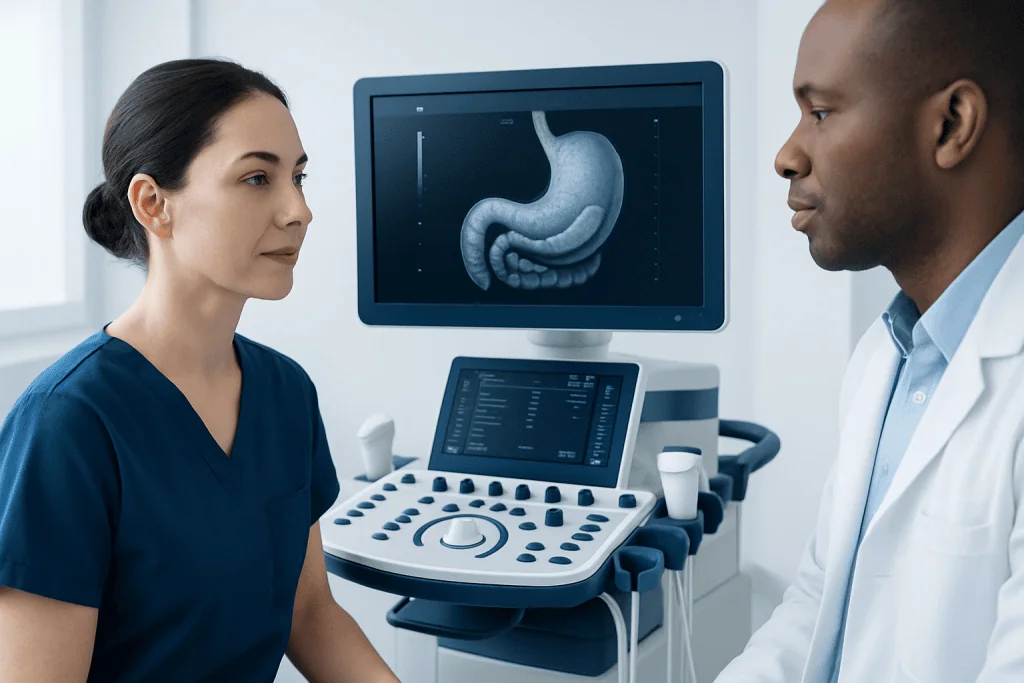
Digestion begins as soon as food is chewed. Saliva starts breaking down certain carbohydrates, and chewing turns food into smaller pieces that are easier to process. After swallowing, food moves down the esophagus into the stomach through coordinated muscle contractions.
In the stomach, food is mixed with acid and digestive enzymes. This turns it into a semi-liquid mixture that is released gradually into the small intestine. The stomach is not only a storage pouch; it also controls how quickly food leaves. Liquids usually empty faster than solid meals, while meals high in fat tend to remain longer.
The small intestine is where most digestion and nutrient absorption happen. Bile from the liver and enzymes from the pancreas help break down fats, proteins, and carbohydrates. What remains then moves into the colon, where water and electrolytes are absorbed and stool is formed. The colon can hold material for many hours, which is one reason the total process takes much longer than stomach emptying alone.
- Mouth and esophagus: chewing and swallowing begin digestion.
- Stomach: mixes food and releases it gradually over hours.
- Small intestine: absorbs most nutrients.
- Colon: absorbs water and forms stool over the next day or more.
What affects how long it takes to digest food?

No single digestion time fits everyone. The speed of digestion depends on what was eaten, how much was eaten, and how the digestive system is functioning overall. Meals that are large, rich, fatty, or high in fiber generally move more slowly than small, lighter meals. Protein and fat can keep a person feeling full longer, while liquids and simple carbohydrates may leave the stomach more quickly.
Age, hormones, physical activity, hydration, and stress can also affect the pace of digestion. For example, dehydration may contribute to harder stools and slower transit through the colon. Changes in routine, such as jet lag, reduced movement after surgery, or travel, can also temporarily affect bowel habits.
Medications are another common reason digestion changes. Some pain medicines, iron supplements, anticholinergic medications, and certain diabetes treatments can slow stomach emptying or bowel transit. Digestive conditions may also play a role, including constipation, irritable bowel syndrome, reflux, and disorders that affect stomach emptying such as gastroparesis. If symptoms are frequent or persistent, a doctor can help identify whether the cause is diet, medication, or an underlying condition.
When slow or fast digestion may cause symptoms
People often notice digestion because of symptoms rather than clock timing. Slower digestion may lead to prolonged fullness after meals, bloating, nausea, belching, constipation, or discomfort in the upper abdomen. Faster transit through the intestines may cause loose stools, urgency, cramping, or a sense that food is “going right through” the body, even though digestion and absorption are still occurring along the way.
These symptoms are often temporary and related to a recent meal, stress, infection, or a short-term change in routine. For example, a very fatty meal may delay stomach emptying, while a viral stomach illness may speed bowel transit and cause diarrhea. Food intolerances, such as lactose intolerance, can also cause bloating, gas, and changes in bowel habits after certain foods.
Sometimes, ongoing symptoms point to a digestive disorder rather than a normal variation. Persistent upper abdominal pain, repeated vomiting, trouble swallowing, chronic constipation, ongoing diarrhea, or unexplained weight loss should not be ignored. Depending on the symptoms, doctors may evaluate for conditions such as irritable bowel syndrome or other digestive diseases that affect motility, absorption, or inflammation.
How doctors evaluate digestion concerns
If a person is worried that food is taking too long to digest, the first step is usually a detailed medical history. A doctor will ask what symptoms are happening, when they started, whether they occur after specific foods, what medications or supplements are being used, and whether there are related issues such as constipation, reflux, nausea, or weight change. A symptom diary can be very helpful because it often shows patterns that are not obvious day to day.
A physical examination may be followed by targeted testing when needed. Blood tests may check for anemia, inflammation, thyroid problems, dehydration, or metabolic causes. Stool tests can help in certain situations, especially when diarrhea, infection, or bleeding is a concern. Depending on symptoms, imaging or endoscopic evaluation may be recommended.
When doctors suspect a motility problem, they may use more specialized tests. These can include studies that look at how quickly the stomach empties, as well as procedures such as upper endoscopy to examine the esophagus, stomach, and first part of the small intestine. In some cases, colonoscopy may be used if symptoms involve the lower digestive tract, bleeding, or changes in bowel habits that need further assessment. The goal is not only to measure timing, but also to understand why symptoms are happening.
Treatment and self-care for digestion that feels too slow or too fast
Treatment depends on the cause. If digestion changes are related to diet or routine, simple steps may help: eating smaller meals, chewing thoroughly, drinking enough water, staying physically active, and not lying down right after eating. Some people feel better when they limit very fatty meals, large portions, or foods that repeatedly trigger bloating or discomfort.
When constipation is part of the problem, doctors may recommend increasing fluids, adjusting fiber intake carefully, and using medications when appropriate. If symptoms suggest delayed stomach emptying, treatment may include dietary changes and management of contributing conditions such as diabetes. Ongoing reflux, abdominal pain, chronic bloating, or altered bowel habits may require a more structured evaluation and treatment plan through gastroenterology care.
Self-care should be guided by symptoms rather than by trying to force the digestive system to meet a specific timetable. Quick-fix cleanses or unproven supplements are generally not necessary and may sometimes make symptoms worse. A doctor can help determine whether reassurance and lifestyle steps are enough or whether further medical treatment is needed.
When to seek medical care
Most day-to-day differences in digestion are not dangerous, especially when they are brief and tied to a clear cause such as a heavy meal, travel, stress, or a short-lived stomach bug. Still, certain symptoms deserve prompt medical review because they may signal a condition that needs diagnosis and treatment.
A person should seek medical care if digestion changes are persistent, worsening, or accompanied by red flags such as vomiting that does not stop, difficulty swallowing, blood in vomit or stool, black stools, fever, dehydration, severe abdominal pain, fainting, or unexplained weight loss. New bowel habit changes in an older adult or symptoms that wake a person regularly from sleep also merit medical attention.
For international patients who need evaluation, Acibadem International’s multidisciplinary specialists and JCI-accredited hospitals diagnose and treat digestive conditions with individualized care. Even when symptoms seem mild, a qualified clinician can help distinguish harmless variation from a problem that needs further testing or treatment.
Frequently asked questions
How long does it take for food to leave the stomach?
In many healthy adults, the stomach begins emptying within a few hours, but the exact timing depends on the meal. Liquids usually leave faster, while larger or high-fat meals stay longer. Stomach emptying is only one part of digestion, so complete digestion takes much longer.
How long does it take to digest water?
Water is absorbed much more quickly than solid food because it does not need to be broken down in the same way. Some of it leaves the stomach rapidly, especially on an empty stomach. The body then absorbs and uses it throughout the digestive tract.
Can you feel food being digested?
A person may notice fullness, bowel sounds, mild bloating, or the urge to pass stool, but these sensations do not directly measure digestion time. They usually reflect muscle activity, gas, and movement within the stomach or intestines. Persistent pain, nausea, or marked bloating should be discussed with a doctor.
Do some foods digest more slowly than others?
Yes. High-fat meals, large portions, and many high-fiber foods usually move more slowly through the stomach and intestines than lighter meals or liquids. Protein can also increase the feeling of fullness. This slower pace is often normal and not necessarily a sign of disease.
Does having a bowel movement mean the last meal is fully digested?
Not usually. A bowel movement often contains waste from meals eaten one or more days earlier, along with water, bacteria, and other material. This is why stool timing does not directly show how quickly the most recent meal was digested.
When should someone worry about slow digestion?
Occasional slow digestion after a heavy meal is common and often harmless. Medical advice is more important when symptoms are frequent, worsening, or linked with vomiting, weight loss, severe pain, bleeding, trouble swallowing, or dehydration. A doctor can assess whether the cause is functional, medication-related, or due to an underlying digestive condition.
References
- National Institute of Diabetes and Digestive and Kidney Diseases
- American College of Gastroenterology
- National Health Service
- Merck Manual Consumer Version
This article is for general information only and is not a substitute for professional medical advice. Please consult a qualified doctor about your individual situation.
Persistent digestive symptoms? Get evaluated in Turkey
JCI-accredited · board-certified surgeons · reply within 24h
Add us as a Preferred Source to see more of our trusted health content across Google Search, AI Overviews and Discover.