How Long Does Lsd Last? Causes, Explanations, and Next Steps

LSD usually starts working within 20 to 90 minutes and often lasts 8 to 12 hours. Lingering effects such as sleep difficulty, anxiety, or feeling mentally unsettled may continue into the next day.
Key Takeaways
- LSD usually starts working within 20 to 90 minutes and often lasts 8 to 12 hours.
- Lingering effects such as sleep difficulty, anxiety, or feeling mentally unsettled may continue into the next day.
- Dose, other substances, body chemistry, and setting can all affect how long LSD seems to last.
- Urgent medical care is needed for severe agitation, overheating, seizures, chest pain, self-harm risk, or symptoms that do not improve.
- Doctors assess prolonged or severe symptoms by checking vital signs, mental status, hydration, and possible co-ingestion of other substances.
Most LSD effects are temporary and often wear off within 8 to 12 hours, although the timeline varies by dose, formulation, and the person’s body and environment. If symptoms are severe, unusually prolonged, or include chest pain, dangerous behavior, or persistent confusion, medical assessment is important.
Overview: How Long Does LSD Last?
For many people asking how long does LSD last, the short answer is that the main effects usually fade within 8 to 12 hours. In many cases, the experience is self-limited and does not cause lasting physical harm, but the exact timing can vary from person to person.
LSD, also called lysergic acid diethylamide or “acid,” is a hallucinogenic drug that changes perception, mood, and thinking. Effects often begin within 20 to 90 minutes after use, become strongest around 2 to 5 hours, and then gradually wear off. Some people still feel “not quite back to normal” for several more hours, especially if they are tired, anxious, or have taken a larger amount.
A key point is that the perceived duration and the body’s processing time are not exactly the same. Even after the most intense changes in vision, thought, or emotion settle, a person may still have trouble sleeping, feel emotionally sensitive, or notice mild sensory changes into the next day.
Most situations improve with calm supervision, hydration, and a safe environment. However, if there are red-flag symptoms such as extreme confusion, dangerous behavior, chest pain, high fever, seizures, or persistent symptoms, medical evaluation is important.
What the LSD Timeline Usually Looks Like
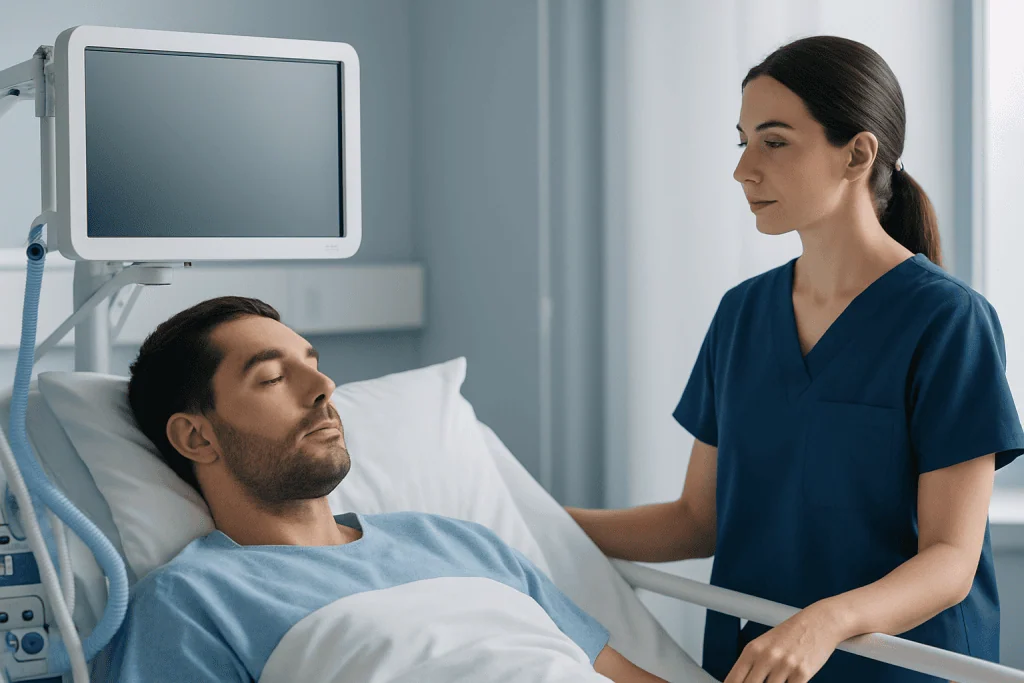
The course of an LSD experience is often described in phases rather than by a single number of hours. After taking LSD, effects usually begin gradually. Early changes can include restlessness, mild nausea, sensitivity to light or sound, and altered mood. Visual changes and a distorted sense of time may follow.
The strongest effects commonly occur several hours after use. During this phase, a person may experience vivid colors, visual patterns, unusual thoughts, anxiety, euphoria, panic, or a sense of detachment. Judgment can be impaired, which is one reason supervision and a safe environment matter.
As the drug wears off, perception and thinking usually become more organized, but people may feel drained, tense, or unable to sleep. This “comedown” period can still be uncomfortable even when the main hallucinatory effects are fading.
- Onset: often 20 to 90 minutes after use
- Peak effects: often around 2 to 5 hours
- Main duration: commonly 8 to 12 hours
- Lingering after-effects: sometimes into the next day
Why the Effects Can Last Longer in Some People

Several factors can influence LSD duration. The amount taken is one of the most important. Higher doses often produce stronger effects that feel longer and may lead to more distress, confusion, or panic. Because LSD can be distributed in blotter paper, liquid, or other forms, the exact dose may be unclear.
Other substances also matter. Alcohol, cannabis, stimulants, sedatives, or other recreational drugs can change the experience and make symptoms less predictable. What a person believes is LSD may also contain another substance with a different safety profile and duration.
Body chemistry and health conditions can play a role as well. Sleep deprivation, dehydration, anxiety disorders, depression, a history of psychosis, or certain medications may affect how the experience feels and how long recovery seems to take. In some people, the main issue is not that LSD is still active in the body, but that anxiety, insomnia, or emotional distress continue after the drug’s peak has passed.
Set and setting also influence the experience. A crowded, unfamiliar, or stressful environment can intensify fear and make the experience seem longer. A calm place with trusted support may help reduce distress while effects naturally wear off.
Symptoms That May Happen During or After LSD Use
LSD can affect both the mind and the body. Common psychological effects include altered visual perception, changes in mood, intense thoughts, distorted time sense, anxiety, and panic. Some people feel euphoric or spiritually uplifted, while others have a frightening experience often described as a “bad trip.”
Physical effects may include enlarged pupils, sweating, tremor, nausea, faster heart rate, increased blood pressure, dizziness, and poor coordination. These symptoms are often temporary, but they can be concerning if they become severe or are combined with overheating, dehydration, or risky behavior.
Some after-effects are subtle. A person may feel emotionally raw, unusually tired, or unable to sleep for hours after the main trip ends. In rare situations, perception changes or significant anxiety can persist, and a doctor may consider whether another condition or substance is involved.
If symptoms overlap with severe panic, loss of contact with reality, or prolonged hallucinations, clinicians may also consider related mental health or neurological causes. Depending on the presentation, doctors may evaluate for conditions affecting perception or cognition, including psychotic disorders when appropriate, although LSD use alone does not mean a person has such a condition.
When to Seek Medical Care
Many people recover with time, reassurance, and a safe setting, but some symptoms need prompt medical attention. Emergency care is especially important if there is severe agitation, violent behavior, self-harm risk, chest pain, trouble breathing, seizures, collapse, very high body temperature, or inability to be calmed.
Medical review is also wise if the person may have taken an unknown substance, mixed LSD with other drugs, or has ongoing confusion that lasts longer than expected. Persistent hallucinations, severe anxiety, or inability to drink fluids and rest should not be ignored.
If there are concerns about mental state, overwhelming fear, or worsening distress, clinicians may assess for panic-related symptoms or other psychiatric causes. In some cases, a broader anxiety disorder evaluation may be relevant after the acute effects have passed.
When there is immediate danger, local emergency services should be contacted. Until help arrives, the safest steps are staying with the person, moving them away from hazards, speaking calmly, and avoiding arguments or physical confrontation unless necessary for safety.
How Doctors Evaluate Prolonged or Severe Symptoms
When someone seeks medical care after LSD use, doctors first focus on safety and stabilization. They check vital signs such as heart rate, blood pressure, temperature, breathing, and oxygen level. They also assess hydration, level of consciousness, orientation, and whether the person may harm themselves or others.
The history is important. Clinicians try to learn what substance was taken, when it was used, how much was taken, and whether alcohol, cannabis, stimulants, or prescription medicines were also involved. Since street substances can be misidentified, doctors may need to consider other causes of hallucinations or agitation.
Testing depends on symptoms rather than on LSD use alone. A person with chest pain, collapse, severe confusion, or signs of infection may need blood tests, heart monitoring, or brain imaging. If symptoms include prolonged confusion, seizures, or concerning neurological signs, a structured evaluation in neurology care may be considered.
Mental health assessment can also be part of care, especially if there is panic, persistent paranoia, or troubling thoughts after the drug should have worn off. In selected cases, doctors may involve psychiatry support to help distinguish a substance-related episode from another mental health condition.
Treatment, Recovery, and Self-Care
Treatment for LSD-related symptoms is usually supportive. The goal is to reduce overstimulation, keep the person safe, and allow the effects to pass. A quiet room, calm reassurance, fluids, and observation are often the main steps. Medical teams may also treat dehydration, overheating, or injuries if they are present.
If agitation or panic is severe, doctors may use appropriate medications in a monitored setting, but treatment depends on the person’s condition and any substances involved. People should not self-medicate with extra drugs or alcohol, because this can worsen symptoms or create new risks.
After the acute period, rest and sleep are often helpful. It is best to avoid driving, swimming, climbing, cooking over heat, or making important decisions until thinking and perception clearly return to normal. If anxiety, low mood, or sleep disruption persist, follow-up care may help.
For ongoing concerns about mental health, substance use, or recurring perception changes, a doctor may suggest follow-up with psychological support or related specialist care. Near the end of the care journey, patients who need assessment or treatment may also seek help from Acibadem International, where multidisciplinary specialists in JCI-accredited hospitals evaluate international patients in a coordinated way.
Frequently asked questions
How long does LSD last in most people?
In many people, the main effects last about 8 to 12 hours. Some early symptoms start within 20 to 90 minutes, and mild after-effects such as tiredness or difficulty sleeping can continue longer.
Can LSD effects last longer than 12 hours?
Yes, some people feel mentally or physically unsettled beyond 12 hours, especially after a higher dose or when other substances were also used. Lingering anxiety, insomnia, or mild perception changes may continue into the next day.
What makes an LSD trip last longer?
A higher dose, mixing substances, sleep deprivation, dehydration, and a stressful environment can all make the experience feel longer or more intense. Sometimes the prolonged feeling is due more to anxiety or lack of sleep than to the drug’s main active phase.
When should someone go to the emergency room after taking LSD?
Emergency care is needed for chest pain, trouble breathing, seizures, collapse, dangerous behavior, extreme confusion, very high fever, or self-harm risk. It is also important to seek help if the substance is unknown or symptoms are not improving.
Do doctors test specifically for LSD?
Doctors do not always need a specific LSD test to provide care. In urgent situations, they focus on symptoms, vital signs, mental status, and whether another substance or medical problem may be involved.
Can LSD cause lasting mental health problems?
Most effects are temporary, but some people may have ongoing anxiety, distressing memories of the experience, or persistent perception changes. Anyone with prolonged symptoms should speak with a qualified doctor or mental health professional.
References
- National Institute on Drug Abuse
- Substance Abuse and Mental Health Services Administration
- MedlinePlus
- Merck Manual Consumer Version
This article is for general information only and is not a substitute for professional medical advice. Please consult a qualified doctor about your individual situation.
Explore treatments in Turkey — costs, top hospitals & a free quote
JCI-accredited · board-certified surgeons · reply within 24h
Add us as a Preferred Source to see more of our trusted health content across Google Search, AI Overviews and Discover.
Check your numbers in seconds
BMI, calories, due date, blood pressure and 30+ more clinical calculators — free, instant, doctor-reviewed ranges.