How Long Does Spaghetti Last in the Fridge? Here Is What the Evidence Says

Cooked spaghetti usually keeps for 3 to 4 days in the refrigerator at or below 40°F (4°C). Storage time can be shorter if spaghetti was left out too long or mixed with meat, seafood, cream, or other perishable ingredients.
Key Takeaways
- Cooked spaghetti usually keeps for 3 to 4 days in the refrigerator at or below 40°F (4°C).
- Storage time can be shorter if spaghetti was left out too long or mixed with meat, seafood, cream, or other perishable ingredients.
- Bad smell, slimy texture, mold, or an unusual taste are signs to throw it away.
- Most mild stomach upset improves with rest and fluids, but severe symptoms may need medical care.
- Safe cooling, airtight storage, and thorough reheating help lower the risk of foodborne illness.
How long does spaghetti last in the fridge? In most cases, cooked spaghetti is safe for about 3 to 4 days if it is cooled and refrigerated promptly in a covered container. Many leftovers remain harmless when handled well, but visible spoilage or symptoms after eating should not be ignored.
Overview: the short answer on refrigerated spaghetti
For most people, the practical answer to how long does spaghetti last in the fridge is 3 to 4 days. This applies when the spaghetti has been cooked properly, cooled within about 2 hours, and stored in a clean, sealed container in a refrigerator kept at 40°F (4°C) or below.
In many cases, eating refrigerated spaghetti within this time frame is harmless. The main concern is not the pasta itself, but the growth of bacteria or the breakdown of ingredients if leftovers are stored too long, left at room temperature, or repeatedly warmed and cooled.
The exact shelf life also depends on what is mixed into the dish. Plain spaghetti with a basic tomato sauce may keep reasonably well for 3 to 4 days, while spaghetti containing ground meat, chicken, seafood, cream, or cheese may spoil faster if handling has been less than ideal.
When there is doubt, food safety guidance is simple: if the spaghetti has an off smell, unusual appearance, slimy feel, or questionable storage history, it is safer to discard it than to taste-test it.
What affects how long spaghetti stays safe?
Several everyday factors change how long leftover spaghetti remains safe to eat. Refrigeration slows bacterial growth, but it does not stop it completely. The countdown starts as soon as the food cools after cooking.
Storage conditions matter more than many people realize. A large pot of spaghetti left on the counter for hours cools slowly, which gives bacteria more opportunity to multiply. By contrast, leftovers transferred into shallow containers and refrigerated promptly cool faster and tend to keep better.
Important factors include:
- How quickly the spaghetti was refrigerated after cooking
- The temperature of the refrigerator
- Whether it was stored in a tightly sealed container
- How many times it was taken out and reheated
- Whether it contains meat, seafood, dairy, or eggs
- Whether utensils used for serving were clean
Homemade and restaurant leftovers follow the same basic safety rule. Even if the spaghetti still looks acceptable, it should generally be discarded after 4 days in the refrigerator. Freezing can extend storage time, but it does not rescue food that was already held unsafely at room temperature.
Signs spaghetti has gone bad
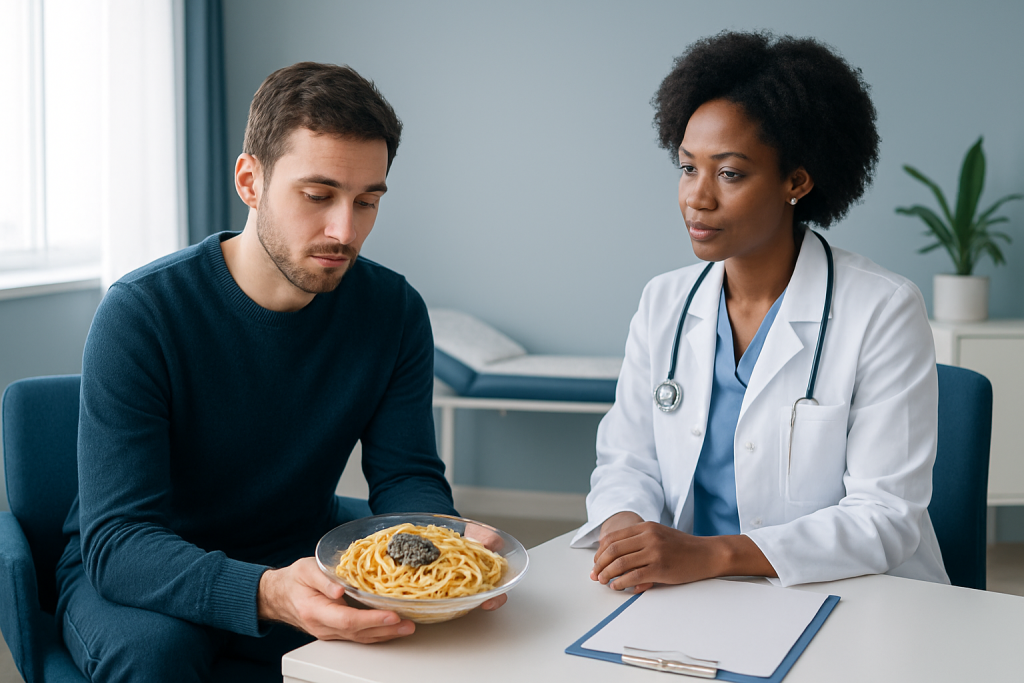
Food spoilage is not always obvious, but some warning signs are clear. Spaghetti that has spoiled may develop a sour or unpleasant odor, a sticky or slimy surface, discoloration, or visible mold. Any of these signs mean it should be thrown away.
Taste should not be used as the first safety check. Harmful bacteria can be present even when food does not smell strongly spoiled. For this reason, spaghetti with an uncertain storage history is best discarded rather than sampled.
Common signs that leftovers are no longer safe include:
- A sour, fermented, or otherwise unusual smell
- Slime or tackiness on the noodles or sauce
- Dry patches combined with odd texture or separation
- Green, white, or dark fuzzy spots suggesting mold
- A container that leaked, was left open, or was stored while still warm for too long
If spaghetti was left out for more than 2 hours at room temperature, or more than 1 hour in very hot conditions, it is generally safest to discard it. Reheating may kill some germs, but it may not make food safe if toxins have already formed.
Can old spaghetti cause food poisoning?
Yes, improperly stored spaghetti can cause foodborne illness. This does not happen every time, and many mild cases settle with rest and hydration, but contaminated leftovers can lead to nausea, vomiting, diarrhea, stomach cramps, or fever.
Cooked pasta and rice are well-known examples of foods that can become risky when left out too long after cooking because certain bacteria may survive cooking and multiply later. Sauces containing meat, dairy, or seafood can add further food safety concerns if refrigeration is delayed.
Symptoms may begin within hours or later the same day, depending on the cause. Mild illness often improves within a day or two. However, severe vomiting, ongoing diarrhea, fever, dehydration, or bloody stool may point to a more significant infection or another digestive problem that needs medical assessment, such as gastroenteritis.
Not every upset stomach after pasta is food poisoning. Rich sauces, large meals, reflux, or unrelated infections can also cause symptoms. A clinician may consider foodborne illness alongside other causes, especially if more than one person who ate the same meal became unwell.
What to do if spaghetti has been in the fridge too long
If spaghetti has been refrigerated for more than 4 days, the safest choice is usually to throw it away. This advice can feel wasteful, but it lowers the chance of preventable foodborne illness. There is no reliable home method to restore safety once leftovers have been stored too long.
If the spaghetti is still within the 3- to 4-day window, reheat only the portion that will be eaten. The food should be heated thoroughly until steaming hot throughout. Repeatedly cooling and reheating the same container can shorten shelf life and increase contamination risk.
It may help to separate future leftovers into smaller portions right away. This makes rapid cooling easier and reduces the need to repeatedly open and handle the same batch. If spaghetti will not be eaten within a few days, freezing is often the safer option.
People with weakened immune systems, older adults, pregnant women, and very young children may need to be especially careful with leftovers. In these groups, even a mild foodborne infection can become more serious more quickly.
When to seek medical care
Most brief stomach upset after eating questionable leftovers improves without complications. Rest, small sips of fluid, and avoiding dehydration are often enough. Still, some symptoms are red flags and should prompt medical review.
Medical care is more important if there is repeated vomiting, signs of dehydration, severe abdominal pain, bloody diarrhea, a high fever, confusion, fainting, or symptoms that last longer than expected. Infants, older adults, pregnant women, and people with chronic illness should seek advice sooner.
When someone sees a doctor, the evaluation usually begins with a history of what was eaten, when symptoms started, whether others became sick, and whether there are signs of dehydration. A physical exam may be followed by tests such as blood work, stool testing, or imaging if symptoms suggest a more complex digestive condition. In some cases, doctors may evaluate related concerns with endoscopy or colonoscopy when symptoms are persistent or not clearly due to a short-lived foodborne illness.
If vomiting or diarrhea is severe, treatment may focus on replacing fluids and managing complications. Persistent abdominal symptoms can sometimes overlap with other digestive disorders, including food poisoning or inflammation that may require specialist review.
Safe storage, reheating, and prevention tips
The best way to avoid problems is to store spaghetti safely from the start. Leftovers should be refrigerated within about 2 hours of cooking, or sooner in hot environments. Using shallow containers helps food cool more quickly and evenly.
At home, it is helpful to label leftovers with the date they were prepared. This reduces guesswork and makes it easier to follow the 3- to 4-day rule. Refrigerator temperature should stay at or below 40°F (4°C), and the door should not be opened more than necessary.
Useful prevention steps include:
- Divide large portions into smaller, shallow containers
- Keep cooked spaghetti covered in airtight storage
- Use clean utensils each time food is served
- Reheat only once when possible
- Do not mix fresh leftovers with older leftovers
- Freeze portions that will not be eaten within a few days
If symptoms after eating leftovers are ongoing or difficult to explain, a doctor may recommend further digestive evaluation, sometimes including a gastroenterology check-up. Near the end of the care pathway, patients seeking coordinated evaluation may also consult Acibadem International, where multidisciplinary specialists in JCI-accredited hospitals assess digestive symptoms for international patients.
Frequently asked questions
How long does spaghetti last in the fridge after cooking?
Cooked spaghetti usually lasts about 3 to 4 days in the refrigerator when stored promptly in a sealed container. If it was left out too long before chilling, it may become unsafe sooner.
Does spaghetti with meat sauce last as long as plain spaghetti?
It may not. Spaghetti with meat, seafood, cream, or cheese can carry a higher food safety risk if storage was delayed or the dish was reheated several times, so careful handling is especially important.
Can spaghetti still be safe if it looks normal after 5 days?
Not necessarily. Food can contain harmful bacteria even when it looks and smells acceptable, so leftovers older than 4 days are usually best discarded.
What are the symptoms of food poisoning from old spaghetti?
Possible symptoms include nausea, vomiting, diarrhea, stomach cramps, and sometimes fever. Mild cases often improve with fluids and rest, but severe or persistent symptoms should be assessed by a doctor.
Is it safe to reheat spaghetti more than once?
It is safer to reheat only the portion that will be eaten. Repeated reheating and cooling can increase contamination risk and reduce food quality.
Can spaghetti be frozen instead of refrigerated?
Yes. Freezing is a useful option if the spaghetti will not be eaten within 3 to 4 days, but it should be frozen while still within its safe refrigeration window and after prompt cooling.
References
- U.S. Food and Drug Administration
- United States Department of Agriculture Food Safety and Inspection Service
- Centers for Disease Control and Prevention
- National Institute of Diabetes and Digestive and Kidney Diseases
- World Health Organization
This article is for general information only and is not a substitute for professional medical advice. Please consult a qualified doctor about your individual situation.
Explore treatments in Turkey — costs, top hospitals & a free quote
JCI-accredited · board-certified surgeons · reply within 24h
Add us as a Preferred Source to see more of our trusted health content across Google Search, AI Overviews and Discover.

More from the Health Library



Related Specialists

Dr. Ece Çetin
Pediatrics
Dr. Soysal Turhan
Cardiovascular Surgery
Dr. Elvan Cevizci Akkılıç
Neurology
Assoc. Prof. Dr. Lütfiye Kılıç
Pulmonary Medicine