How Long Is the Small Intestine? Causes, Explanations, and Next Steps

The adult small intestine is usually about 20 feet long on average, but normal variation is common. Its length helps maximize digestion and nutrient absorption in a compact space.
Key Takeaways
- The adult small intestine is usually about 20 feet long on average, but normal variation is common.
- Its length helps maximize digestion and nutrient absorption in a compact space.
- Small intestine length usually does not cause symptoms by itself.
- Doctors become more concerned when digestive symptoms suggest inflammation, blockage, poor absorption, or prior surgery effects.
- Medical review is important for red flags such as severe abdominal pain, vomiting, bleeding, weight loss, or persistent diarrhea.
How long is the small intestine? In most adults, the small intestine is roughly 20 feet long on average, although normal measurements can vary considerably. In many cases, curiosity about intestinal length is simply anatomical and not a sign of disease, but certain digestive symptoms can make the question medically relevant.
Overview: How Long Is the Small Intestine?
In most adults, the small intestine measures about 20 feet (around 6 meters) on average. Normal length can vary from person to person, and this variation is usually harmless. For many people, asking how long is the small intestine is simply a question about anatomy rather than a sign of a health problem.
The small intestine is longer than many people expect because it is tightly folded and arranged in loops inside the abdomen. This design allows a very large surface area for digesting food and absorbing nutrients, fluids, vitamins, and minerals. Even though it is called the “small” intestine, the name refers more to its narrower width than its overall length.
Most of the time, intestine length itself does not need treatment. What matters more is whether the intestine is working well. If a person has ongoing abdominal pain, unexplained weight loss, chronic diarrhea, vomiting, blood in the stool, or trouble absorbing nutrients, a doctor may look more closely at the small intestine and related digestive organs.
Why the Small Intestine Needs to Be So Long
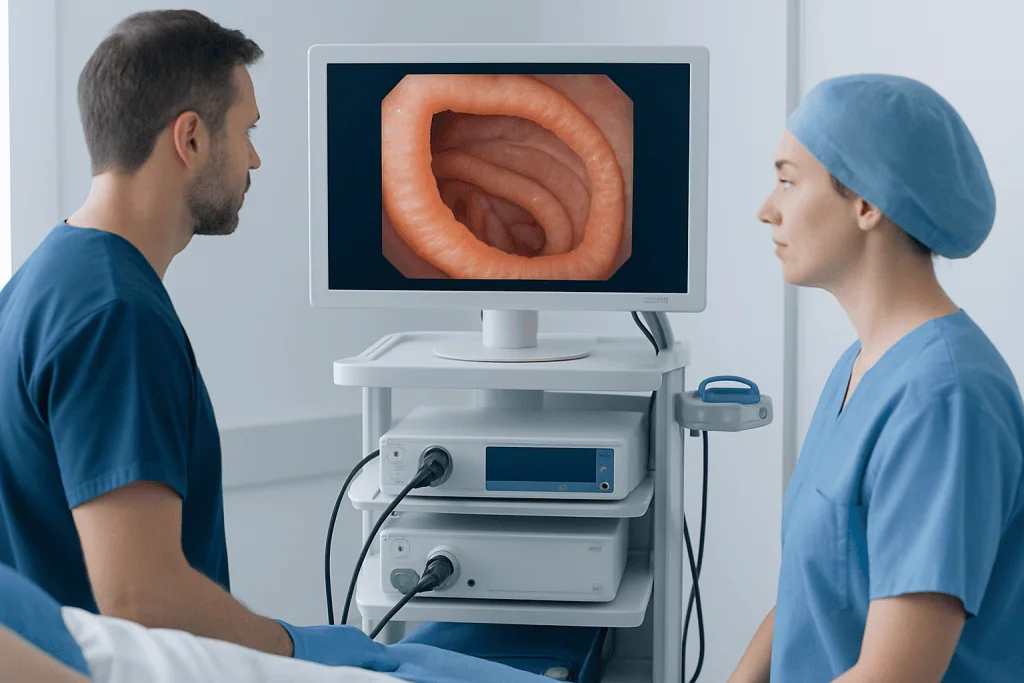
The small intestine plays a central role in digestion. After food leaves the stomach, it enters the small intestine, where digestive juices and enzymes continue to break it down. Nutrients are then absorbed through the intestinal lining and passed into the bloodstream so the body can use them for energy, growth, and repair.
Its length is helpful because more length means more surface area. The inside lining contains folds, villi, and microscopic structures called microvilli, all of which increase the area available for absorption. This allows the body to efficiently absorb proteins, carbohydrates, fats, vitamins, minerals, and water from a relatively compact abdominal space.
The small intestine has three sections: the duodenum, jejunum, and ileum. Each section has a different role, but together they help ensure that digestion is completed and nutrients are absorbed before material moves on to the large intestine. A long, healthy small intestine supports normal nutrition and digestive balance.
What Affects Small Intestine Length and Measurement

There is no single “perfect” small intestine length for every adult. Measurements vary based on body size, age, sex, and the way the bowel is measured. In research or during surgery, doctors may find different lengths because the intestine can stretch or contract depending on muscle tone and handling.
Length can also appear different depending on the method used. Imaging tests do not always provide an exact total measurement, while direct measurement during surgery may differ from a postmortem measurement. For this reason, published numbers often give an average range rather than one exact figure.
In some situations, length becomes medically important. This may happen after bowel surgery, in congenital conditions, or when a person has had part of the intestine removed because of injury, blockage, poor blood supply, inflammation, or another disease. In those cases, the concern is not simply the number of feet or meters, but whether enough healthy intestine remains to absorb nutrients effectively.
When Intestinal Length Can Matter Medically
For most people, small intestine length is not something they notice in daily life. However, it can become clinically important if the intestine is shortened, damaged, inflamed, or blocked. Problems with function are usually more relevant than normal anatomical variation.
Doctors may think about the small intestine in people with chronic diarrhea, nutrient deficiencies, unexplained weight loss, bloating, persistent abdominal pain, or symptoms after abdominal surgery. Conditions that affect the intestinal lining can interfere with absorption even if the intestine is a normal length. One example is celiac disease, which damages the small intestinal lining and can lead to poor nutrient absorption.
Inflammatory conditions may also affect how the intestine works. For example, Crohn’s disease can involve the small bowel and cause pain, diarrhea, strictures, or malabsorption. In more urgent settings, doctors may need to rule out a bowel obstruction if symptoms suggest that intestinal contents cannot pass normally.
- Length matters most after bowel removal or injury
- Absorption problems can happen even when length is normal
- Symptoms guide evaluation more than anatomy alone
- Persistent or severe digestive changes should be medically assessed
Symptoms That May Suggest a Small Intestine Problem
Many digestive complaints are common and often temporary, such as mild bloating or brief stomach upset after a change in diet. These symptoms do not usually mean the small intestine is too short, too long, or otherwise abnormal. Still, persistent symptoms may point to a problem that needs evaluation.
Symptoms linked to small intestine disorders can include ongoing diarrhea, greasy or bulky stools, abdominal cramping, bloating, nausea, vomiting, poor appetite, weight loss, fatigue, or signs of vitamin and mineral deficiencies. Some people may develop iron deficiency, low vitamin B12, dehydration, or weakness if absorption is impaired over time.
Certain warning signs deserve prompt medical attention. These include severe abdominal pain, a swollen or rigid abdomen, repeated vomiting, inability to keep fluids down, black or bloody stools, fever with abdominal symptoms, or rapid unexplained weight loss. These problems do not necessarily mean a serious condition is present, but they are important reasons to seek professional care.
How Doctors Evaluate Concerns About the Small Intestine
When digestive symptoms raise concern, a doctor usually begins with a detailed history and physical examination. Questions often cover the timing of symptoms, bowel habits, weight changes, diet, past surgery, medication use, family history, and whether there are signs of anemia, dehydration, or nutrient deficiency. This step helps determine whether the issue may involve the small intestine, stomach, colon, pancreas, or another part of the digestive system.
Blood tests may be used to look for anemia, inflammation, electrolyte problems, vitamin deficiencies, liver function changes, or signs of celiac disease. Stool tests can help evaluate infection, inflammation, bleeding, or poor fat absorption. Depending on the symptoms, imaging such as ultrasound, CT, or MRI may help assess swelling, narrowing, obstruction, or complications within the abdomen.
Some people may need more specialized testing. Endoscopy can evaluate the upper digestive tract and the first part of the small intestine. Capsule endoscopy, enterography, or other advanced studies may be used when doctors need a closer look at the small bowel. If symptoms suggest a structural problem, a person may be referred for gastroenterology evaluation or advanced endoscopy as part of the diagnostic process.
Treatment and Next Steps Depend on the Cause
There is no treatment needed for a small intestine that is simply within the normal range of length. If a person asks how long is the small intestine out of curiosity, reassurance is often all that is required. When symptoms are present, treatment focuses on the underlying cause rather than the length itself.
Management may include dietary changes, treatment for infection, correction of vitamin or mineral deficiencies, medications for inflammation, or support for dehydration and poor nutrition. If the problem is related to malabsorption, doctors may recommend a nutrition assessment and tailored eating plan. In more complex situations, care may involve a multidisciplinary team including gastroenterologists, radiologists, surgeons, and dietitians.
Some structural problems may need a procedure or surgery, especially if there is a blockage, severe narrowing, or damage from disease. In selected cases, colorectal surgery or related abdominal surgery may be considered, depending on the diagnosis. Near the end of the care pathway, some international patients choose centers such as Acibadem International, where multidisciplinary specialists in JCI-accredited hospitals assess and treat digestive conditions with individualized planning.
When to Seek Medical Care
Most people do not need medical evaluation simply because they are wondering how long is the small intestine. A routine question about anatomy is usually not a health concern. However, a medical review is sensible if digestive symptoms are persistent, worsening, or affecting nutrition, hydration, or daily life.
A person should arrange a non-urgent appointment if they have recurrent abdominal discomfort, ongoing bloating, chronic diarrhea, constipation with pain, unexplained fatigue, or unintentional weight loss. These symptoms may have many causes, but they deserve assessment if they continue or return frequently.
Urgent medical care is important for severe abdominal pain, repeated vomiting, inability to pass stool or gas, signs of dehydration, fever with abdominal symptoms, fainting, or blood in the stool. These red flags do not confirm a serious diagnosis, but they can indicate a problem that should be checked without delay.
Frequently asked questions
How long is the small intestine in adults?
In most adults, the small intestine is about 20 feet long on average. Normal length varies, so somewhat shorter or longer measurements can still be healthy.
Why is it called the small intestine if it is so long?
The word “small” refers mainly to its narrower diameter, not its length. The large intestine is shorter, but it is wider.
Can a person have digestive symptoms because their small intestine is too long?
Usually, no. Normal differences in intestinal length do not commonly cause symptoms by themselves. Doctors are more concerned about how well the intestine works and whether there is inflammation, blockage, poor absorption, or prior surgery.
What happens if part of the small intestine is removed?
Some people do very well after a limited bowel resection, especially if enough healthy intestine remains. If a large portion is removed, the body may have trouble absorbing nutrients and fluids, which can require specialized medical and nutrition care.
How do doctors check the small intestine?
Evaluation often starts with a history, physical examination, blood tests, and stool tests. Depending on symptoms, doctors may also use imaging, endoscopy, capsule endoscopy, or other studies to look for inflammation, narrowing, bleeding, or malabsorption.
When should someone worry about small intestine symptoms?
Medical advice is important if symptoms are persistent, worsening, or associated with weight loss, fatigue, or poor nutrition. Urgent care is needed for severe abdominal pain, repeated vomiting, blood in the stool, or signs of dehydration.
References
- National Institute of Diabetes and Digestive and Kidney Diseases
- Merck Manual Consumer Version
- Mayo Clinic
- Cleveland Clinic
- American College of Gastroenterology
This article is for general information only and is not a substitute for professional medical advice. Please consult a qualified doctor about your individual situation.
Persistent digestive symptoms? Get evaluated in Turkey
JCI-accredited · board-certified surgeons · reply within 24h
Add us as a Preferred Source to see more of our trusted health content across Google Search, AI Overviews and Discover.